bluename
 How to Care for Dieffenbachia Picta - Toxin Avoidance for Safe Care
You've brought home a stunning Dieffenbachia Picta, captivated by its striking, painterly leaves. But a nagging worry lingers: you've heard it's toxic. The joy of nurturing this beautiful plant is shadowed by concerns about the safety of your family and pets. This fear can make routine care feel fraught with anxiety. Rest assured, with the right knowledge and precautions, you can safely enjoy your Dieffenbachia for years to come. This guide is dedicated to providing a comprehensive care routine built around toxin avoidance for safe care, empowering you to cultivate a thriving plant without compromise.
Understanding the plant is the first step to safe stewardship. Dieffenbachia, commonly known as Dumb Cane, contains insoluble calcium oxalate crystals in all its parts. If chewed or ingested, these microscopic needle-like crystals can cause intense irritation to the mouth, tongue, and throat. While rarely life-threatening, the experience is profoundly unpleasant and a serious risk for curious children and pets. By mastering safe Dieffenbachia Picta care, you transform potential hazard into harmonious cohabitation.
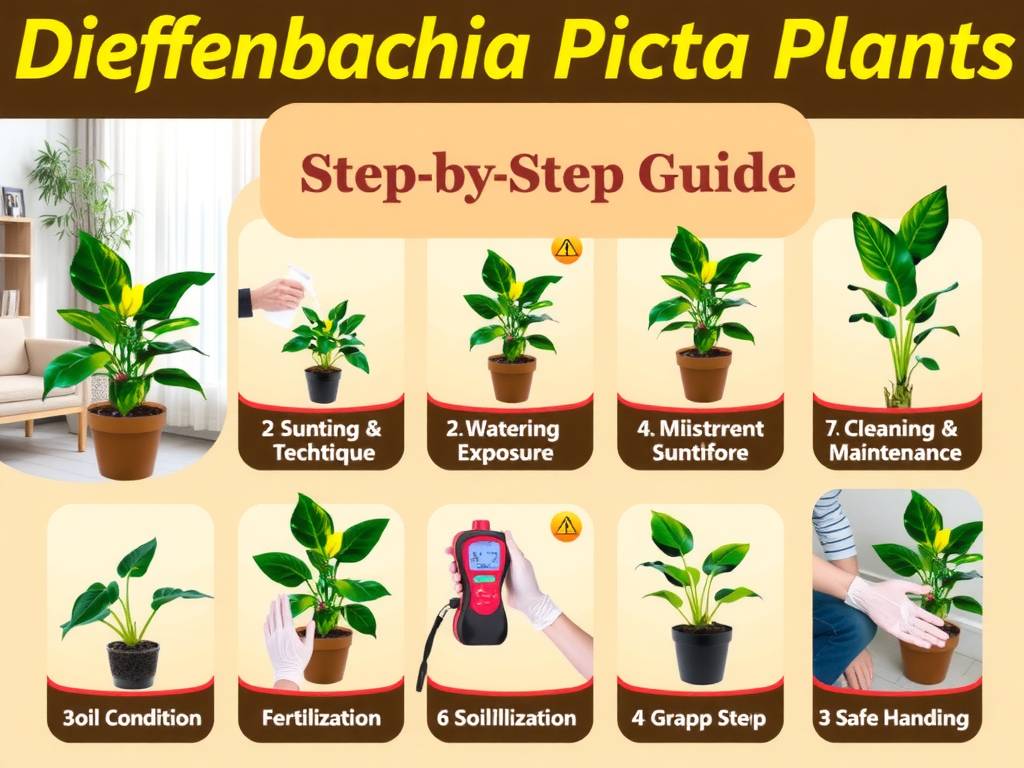
Creating a Safe Environment from the Start
Location is your primary tool for prevention. The goal is to place your plant where it can thrive in terms of light and humidity, while being physically out of reach.
Choose a high spot, such as a sturdy shelf, a tall plant stand, or a room that pets or young children cannot access. Hanging planters are an excellent, stylish solution. Ensure the location receives bright, indirect light. Direct afternoon sun can scorch those beautiful leaves, causing brown, crispy patches.
Consider the room's traffic flow. A peaceful home office, a high bedroom shelf, or a well-lit bathroom (which it will love for the humidity) can be ideal sanctuaries. This proactive step is the cornerstone of preventing Dieffenbachia toxicity in the home.
The Essentials of Non-Toxic Care and Handling
Caring for your Dieffenbachia Picta will inevitably involve contact during watering, pruning, or cleaning. A simple protocol makes these interactions completely safe.
Always wear gloves when you handle the plant beyond simple watering. This is non-negotiable during activities like repotting, propagating, or removing dead leaves. A basic pair of gardening gloves forms a perfect barrier. If you do get sap on your skin, wash the area immediately with soap and cool water.
Keep your tools dedicated and clean. Use a specific pair of pruning shears or scissors for your Dieffenbachia. After each use, wipe the blades with rubbing alcohol. This prevents cross-contamination and keeps the tools sharp for clean cuts, which are healthier for the plant.
When watering, aim for the soil, not the leaves. While not critical for toxicity, this practice keeps the foliage dry and less prone to fungal issues. Use the "soak and dry" method: water thoroughly until it runs from the drainage holes, then allow the top inch or two of soil to dry out completely before watering again.
Optimal Growing Conditions for a Healthy Plant
A stressed plant is more susceptible to pests and disease, which might necessitate more hands-on intervention. By providing ideal conditions, you minimize these risks.
Light and Temperature Dieffenbachia Picta prefers medium to bright indirect light. It can tolerate lower light, but growth will slow, and the vibrant leaf variegation may fade. Maintain room temperatures between 65°F and 75°F (18°C - 24°C). Avoid cold drafts from windows or doors and direct blasts from heating or air conditioning vents.
Watering and Humidity Overwatering is the most common killer. As mentioned, let the soil dry partially between waterings. These plants enjoy moderate to high humidity. You can boost humidity by placing the pot on a pebble tray filled with water, grouping it with other plants, or using a room humidifier. The American Horticultural Society's Plant Heat-Zone Map references the importance of ambient humidity for tropical foliage health, which directly supports lush growth and reduces physiological stress.
Soil and Fertilization Use a well-draining, peat-based potting mix. A standard indoor plant mix amended with some perlite or orchid bark works perfectly. Feed your plant with a balanced, water-soluble fertilizer (like a 10-10-10) diluted to half-strength, once a month during the spring and summer. Do not fertilize in fall and winter when growth is minimal.
Pruning and Repotting with Safety in Mind
These necessary tasks require close contact. Follow these steps to ensure they are incident-free.
Pruning for Shape and Health Use your gloved hands and dedicated, clean shears. Remove any yellowing or damaged leaves at the stem's base. To control height, you can cut the main stem. New growth will typically emerge from a node below the cut. Immediately dispose of all cuttings in a sealed bag in the outdoor trash—do not compost.
Safe Repotting Practices Repot every 2-3 years in spring if the plant becomes root-bound. Perform this task outdoors or on a covered, easy-to-clean surface. Lay down newspaper first. Wearing gloves, gently tip the pot and ease the plant out. Loosen the root ball slightly and place it in a new pot only one size larger with fresh potting mix. Clean all surfaces and tools thoroughly afterward with soapy water. The Royal Horticultural Society (RHS) advises repotting houseplants in spring to coincide with their natural growth surge, ensuring a quicker recovery.
What to Do in Case of Exposure
Despite all precautions, accidents can happen. Knowing how to respond quickly is crucial.
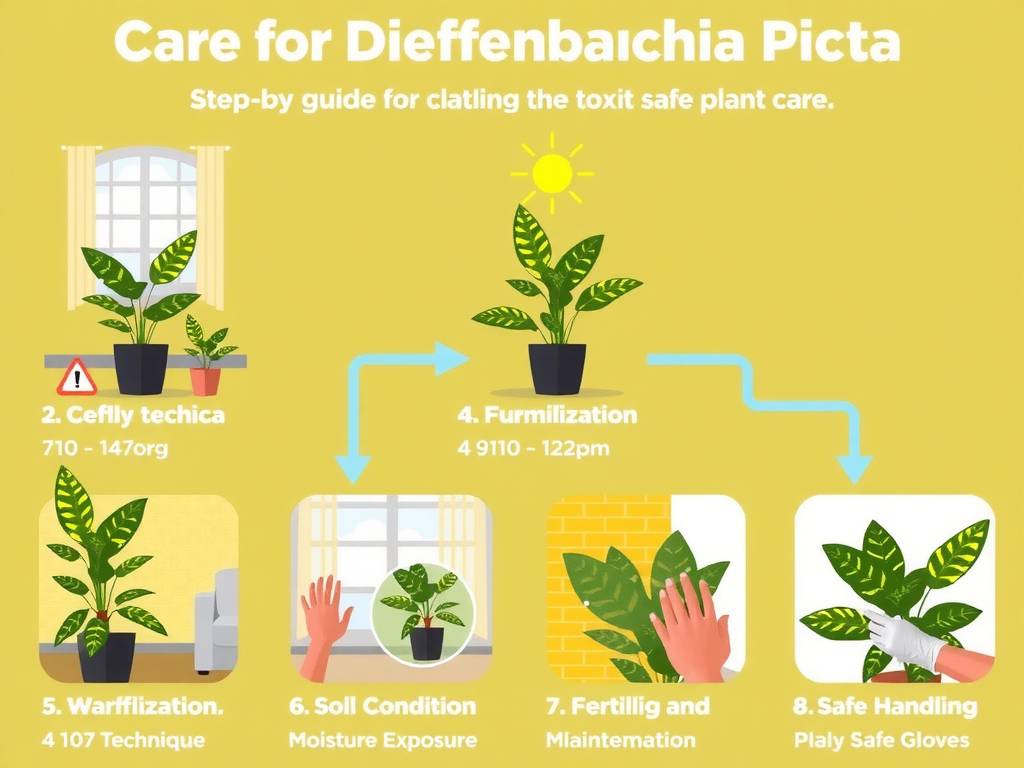
For skin contact: Wash the area immediately and thoroughly with soap and water. Mild redness or irritation may occur but should subside.
For eye exposure: Rinse the eye with a steady, gentle stream of cool, clean water for at least 15 minutes and seek medical attention promptly.
For ingestion (human): Remove any plant material from the mouth. Rinse the mouth with water. Do not induce vomiting. Offer a cool drink or a snack like yogurt or applesauce to help soothe irritation. Contact a poison control center (1-800-222-1222 in the US) or a healthcare provider for specific guidance.
For pet ingestion: Contact your veterinarian or an animal poison control center (like the ASPCA Animal Poison Control Center at 888-426-4435) immediately. Have the plant's name ready. Symptoms may include pawing at the mouth, drooling, vomiting, or difficulty swallowing.
Can I keep a Dieffenbachia if I have a cat that climbs everything? This requires extreme caution. If your cat is an avid climber, it may be best to choose a non-toxic plant. If you are determined, the only truly safe option is to keep the plant in a room that is permanently off-limits to the cat, such as behind a closed door. High shelves may not be sufficient for a determined feline.
Is the sap airborne or toxic to touch with gloves? The toxins are not airborne. The risk comes from direct contact with the broken stem or leaves, which release the sap containing the crystals. With intact gloves, your skin is fully protected. Simply wash the gloves after use if they come into contact with sap.
How can I tell if my plant is stressed, making care riskier? Signs of stress include persistent yellowing leaves (often from overwatering), brown crispy leaf edges (low humidity or underwatering), drooping stems, or loss of variegation (too little light). A stressed plant is more fragile, and leaves may break or tear more easily during handling, increasing sap exposure risk. Addressing its core needs is a key part of safe plant stewardship.
Enjoying the dramatic beauty of Dieffenbachia Picta is entirely possible within a framework of informed safety. It begins with strategic placement, is reinforced by using protective gear during maintenance, and is sustained by providing consistent, appropriate care to keep the plant robust. By integrating these toxin avoidance practices into your routine, you cultivate not just a plant, but also peace of mind. Your Dieffenbachia will reward your careful stewardship with years of lush, tropical growth.