bluename
 How to Care for Hydrocotyle Vulgaris - Semi-Soil Semi-Water for Fast Pot Filling
Have you ever admired the lush, vibrant mats of pennywort cascading from a container and wondered how to achieve that rapid, full look in your own space? Many plant enthusiasts struggle with slow growth, sparse patches, or inconsistent health when cultivating Hydrocotyle vulgaris. The secret to unlocking its true potential lies not in traditional soil gardening nor in full aquatics, but in a specialized hybrid method. Mastering the semi-soil semi-water technique is the key to encouraging the explosive growth that quickly fills pots and creates stunning displays. This guide will walk you through every step, transforming your pennywort from a timid starter into a thriving centerpiece.
Understanding Hydrocotyle Vulgaris: The Pennywort Profile
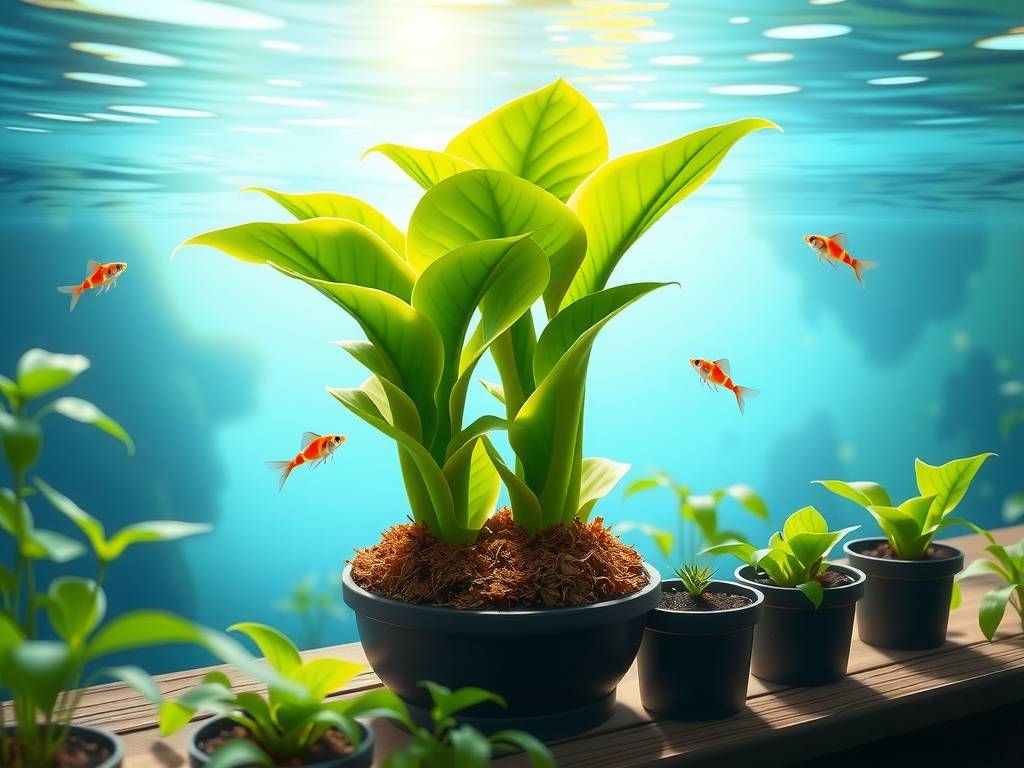
Hydrocotyle vulgaris, commonly known as marsh pennywort or common pennywort, is a versatile perennial plant native to wetlands across Europe, North Africa, and parts of Asia. Its charm lies in its circular, shield-shaped leaves that sit atop slender stems, creating a low-growing, carpeting effect. In its natural habitat, it thrives in the fluctuating margins of ponds and streams, a clue to its preferred cultivation style. This amphibious nature makes it uniquely suited for the semi-soil semi-water approach, allowing it to absorb nutrients from both mediums. Recognizing this intrinsic characteristic is the first step toward successful, fast pot filling.
Why the Semi-Soil Semi-Water Method Accelerates Growth
Traditional potting often leads to uneven moisture, while full submersion can limit nutrient access. The semi-soil semi-water technique bridges this gap, creating an ideal environment. This method involves using a water-retentive soil mix submerged partially in a water reservoir. It consistently delivers high humidity to the roots and stems while providing a stable anchor and nutrient source. According to principles often cited by the Royal Horticultural Society (RHS), many marginal plants achieve optimal growth when their "roots are moist but not waterlogged, with access to atmospheric oxygen." This setup mimics the plant's natural riparian zone, reducing transplant shock and encouraging it to direct energy into rapid vegetative spread rather than survival. The constant availability of water and nutrients significantly accelerates the rate at which stems root and new nodes develop, leading to faster pot filling.
Essential Setup for Your Semi-Aquatic Pennywort Pot
Choosing the correct container is crucial. Opt for a pot without drainage holes, such as a classic water garden container, a deep ceramic bowl, or a specialized self-watering planter. The container should be deep enough to hold both a soil layer and a water reservoir. For the growing medium, avoid standard potting soil which can compact and sour. Instead, create a mix of one part loamy garden soil, one part coarse sand, and one part aquatic plant potting media or peat-free compost. This blend ensures structure, nutrient retention, and proper water movement. Place this mix in the pot, filling it about two-thirds full. Then, slowly add dechlorinated water until it saturates the soil and forms a standing layer of about 1-2 inches (2.5-5 cm) above the soil line. The soil will be submerged, and the stems will be partially in water.
Planting and Initial Arrangement for Maximum Spread
Start with healthy, vibrant Hydrocotyle vulgaris stems. You can use small pots from a nursery or take cuttings with several nodes. Gently plant the stems or root divisions into the prepared, saturated soil mix. Space them a few inches apart to give them room to spread but close enough to encourage a quick fill. Press the bases gently into the medium. The lower stems and any roots should be below the water line, while the growing tips and leaves float or emerge above it. This initial arrangement might look sparse, but with the right care, the pennywort will quickly colonize the available surface. Position the pot in a location with bright, indirect light; some morning sun is excellent, but harsh afternoon rays can scorch the tender leaves.
Ongoing Care: Water, Light, and Nutrients
Maintaining the water level is the most critical task. Evaporation will occur, so check every few days and top up with fresh, room-temperature water to maintain the 1-2 inch reservoir. Completely change the water every two to three weeks to prevent stagnation and mineral buildup. Light is a key driver for fast growth. Provide at least 4-6 hours of good light daily. Insufficient light leads to elongated, weak stems and slower coverage. While the soil provides some nutrients, supplementing will supercharge growth. Use a diluted, balanced liquid fertilizer formulated for aquatic or foliage plants. Add it to the water reservoir at half-strength every 4-6 weeks during the active growing season (spring and summer). The American Horticultural Society (AHA) notes that "plants in semi-aquatic conditions efficiently uptake nutrients dissolved in water," making this fertilization method highly effective.
Pruning and Training for a Dense, Lush Mat
To achieve fast pot filling, strategic pruning is not just beneficial—it's essential. Hydrocotyle vulgaris grows from nodes along its stems. Regularly pinching or trimming the growing tips encourages the plant to branch out from lower nodes, creating a denser mat instead of long, straggly runners. Use clean, sharp scissors to trim any stems that grow too vertically or beyond the pot's edge, redirecting energy back into filling the center. You can replant these cuttings directly back into the same pot to fill bare spots, accelerating the coverage process. This practice of "cut and plant" is the fastest way to achieve a full, overflowing look.
Troubleshooting Common Issues
Even with the best care, you might encounter hurdles. Algae growth in the water reservoir is common with ample light. Control it by changing water more frequently, ensuring you don't over-fertilize, and manually removing it. Yellowing leaves can signal nutrient deficiency, over-fertilization, or poor water quality. Adjust your feeding schedule and maintain fresh water. If growth seems sluggish, reassess light levels and temperature; pennywort thrives in warmer conditions (65-75°F or 18-24°C). Pests like aphids are rare but possible. Rinse them off with a gentle stream of water or use an insecticidal soap safe for aquatic environments.
Propagation: Multiplying Your Success
One of the joys of Hydrocotyle vulgaris is how effortlessly it propagates, allowing you to fill multiple pots quickly. The process is simple: take stem cuttings that include at least two or three nodes. Remove the leaves from the bottom node and place the cutting directly into the soil-water setup of a new pot, or simply float it on the water's surface. Roots will develop from the submerged nodes within a week or two. You can also divide established mats by gently pulling apart a section with roots and stems intact and replanting it. This ease of propagation makes pennywort an excellent choice for gardeners looking to create abundant greenery.
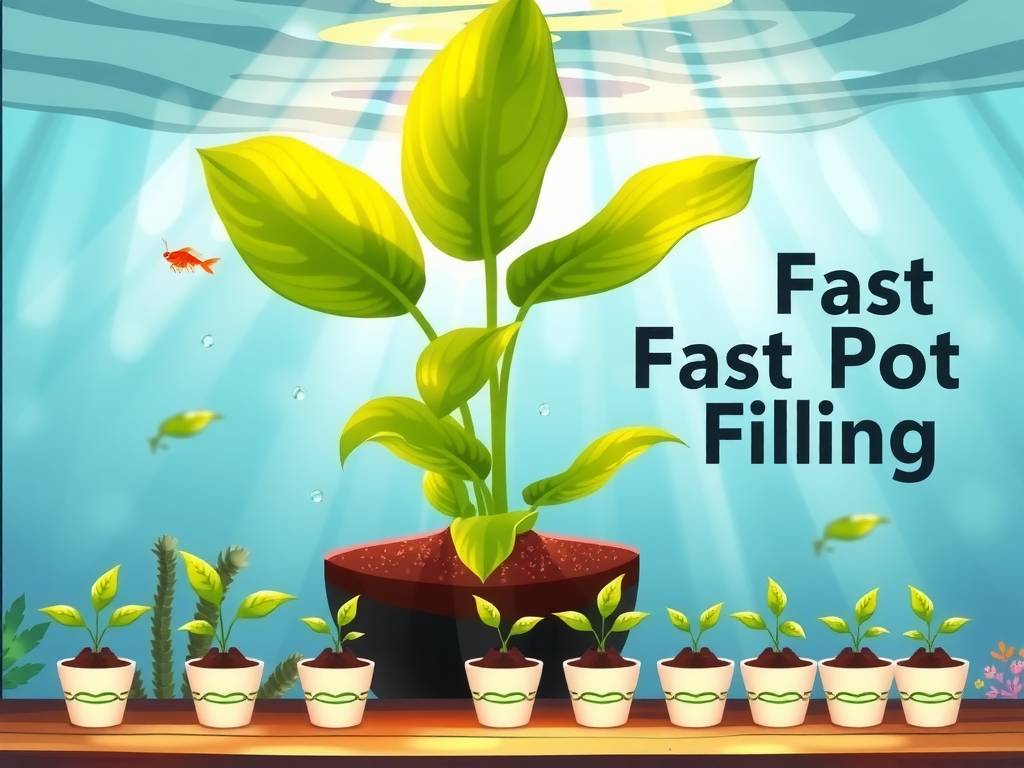
What is the ideal water depth for the semi-soil semi-water method? Maintain a standing water depth of about 1 to 2 inches (2.5 to 5 cm) above the soil line. This keeps the soil saturated and the lower stems submerged, providing constant moisture without drowning the entire plant, which is crucial for promoting the rapid root and stem growth needed for fast pot coverage.
Can I use tap water for my Hydrocotyle vulgaris setup? It is best to use dechlorinated water. Chlorine and chloramines found in tap water can harm beneficial microorganisms and potentially damage sensitive roots over time. Let tap water sit out for 24 hours to allow chlorine to dissipate, or use a dechlorinator liquid. Rainwater or distilled water are excellent alternatives for optimal plant health and growth.
How often should I fertilize to encourage fast pot filling? During the primary growing seasons of spring and summer, fertilize every 4 to 6 weeks with a balanced, water-soluble fertilizer diluted to half the recommended strength. Add it directly to the water reservoir. Avoid over-fertilizing, as it can lead to algae blooms and burn the plant. In fall and winter, reduce or cease feeding as growth naturally slows.
Embracing the semi-soil semi-water method transforms the cultivation of Hydrocotyle vulgaris from a simple hobby into a rewarding practice of replicating nature's genius. By providing the consistent moisture, bright light, and gentle nutrients this marginal plant craves, you directly stimulate its innate tendency to spread and thrive. The result is a rapidly filling pot of lush, green foliage that brings a sense of tranquility and natural beauty to any setting. With consistent care, mindful pruning, and an understanding of its aquatic heritage, your pennywort mat will not only fill its container quickly but will also offer endless opportunities for propagation and further green projects.