 bluename
 How to Care for Mint - Pinch Tips to Promote Branches & Stronger Aroma
You’ve planted mint, dreaming of fresh mojitos and fragrant garnishes. But instead of a lush, bushy plant, you’re staring at a few spindly stems that smell faintly of… well, mint. The promise of a vigorous, aromatic herb seems just out of reach. This common frustration often stems from a simple, overlooked technique: the art of pinching. Learning how to care for mint effectively transforms it from a leggy survivor into a prolific, intensely fragrant powerhouse. The secret lies not just in watering and sunlight, but in strategic pruning that encourages branching and concentrates those essential oils.
This guide will walk you through the precise steps, explaining not just the "how" but the crucial "why" behind each action. By the end, you'll master the simple pinch that leads to a fuller plant and a stronger mint aroma, turning your garden or windowsill into a source of culinary and sensory delight.
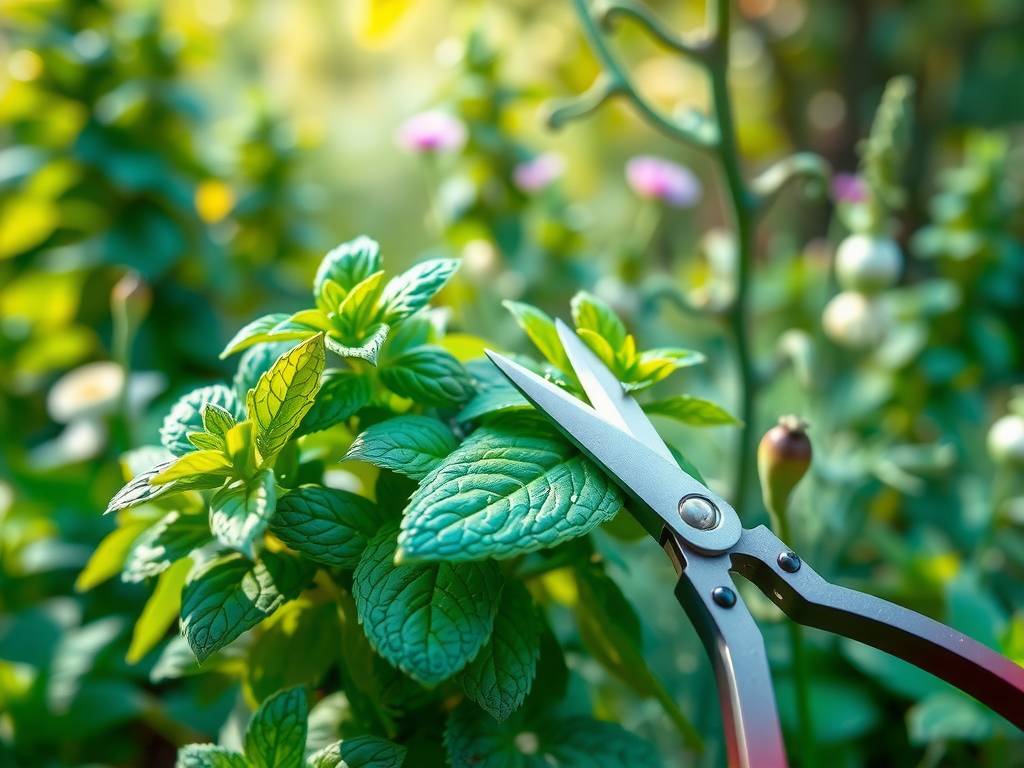
Why Pinching is the Most Important Step in Mint Care
Many gardeners focus solely on soil, water, and light. While these are fundamental, they miss the key to unlocking mint's true potential: manipulating its growth habit. Mint is naturally apically dominant. This means the central growing tip (the apex) produces hormones that suppress the growth of side buds lower down the stem. The plant's energy flows upward, creating a single, tall, often weak stem with wide gaps between leaves.
Pinching removes this dominant tip. It instantly redirects the plant's energy and hormonal signals. The result? The dormant side buds lower on the stem spring to life, producing two new branches where there was once one. Repeated pinching creates a cascading effect of branching, resulting in a dense, bushy plant. This isn't just about aesthetics. A bushier plant has more leaf surface area. More importantly, the essential oils that give mint its signature stronger aroma and flavor become more concentrated in a compact, robust plant compared to a stressed, elongated one.
As noted by horticultural experts at the Royal Horticultural Society (RHS), "Regularly pinching out the tips of shoots will encourage bushier growth on many herbs, including mint." This practice aligns with the principle of promoting plant vitality through thoughtful intervention.
The Right Tools and Timing for Pinching Mint
You don't need specialized equipment. Your best tools are clean fingers and sharp scissors.
- Fingertips: For tender, new growth, simply use your thumb and forefinger to squeeze and snap off the tip. This is fast and intuitive.
- Scissors or Pruners: For slightly woodier stems or for a cleaner cut, use fine scissors or herb snips. Ensure they are clean to prevent disease transmission. A quick wipe with rubbing alcohol is sufficient.
Timing is everything. Begin pinching when your mint plant has developed at least 3-4 sets of true leaves (the leaves that appear after the initial seed leaves). Each "set" is a pair of leaves growing opposite each other on the stem. The plant should be well-established, typically 4-6 inches tall.
The best season is during active growth in spring and summer. You can continue into early fall. Avoid heavy pinching late in the season when the plant is preparing for dormancy. Frequency is simple: pinch mint tips every 2-3 weeks, or whenever you see stems starting to elongate and become leggy. Regular, light pinching is far more effective than one drastic chop.
Step-by-Step: How to Pinch Mint for Perfect Branching
Follow this clear process to ensure you're helping, not harming, your plant.
- Identify the Pinch Point. Locate the very top of a stem. Look for the newest, smallest pair of leaves that are just unfurling. Directly above this top pair is the apical bud—the tiny, central point of new growth.
- Execute the Pinch. Using your fingers or tools, remove the top 1/2 to 1 inch of the stem. Make the cut just above a set of healthy leaves. This means the leaf nodes (the points where leaves meet the stem) remain on the plant. These nodes house the dormant buds.
- Watch and Wait. Within 7-14 days, you should see two new, smaller stems beginning to grow from the leaf nodes immediately below your pinch point. This is the branching process in action.
- Repeat the Process. Once these new branches grow another 3-4 sets of leaves, pinch their tips as well. This continual cycle is what builds the dense, bushy form.
Remember, you are not harvesting a large amount for cooking at this stage; you are performing strategic maintenance pruning. The tiny bits you pinch off can still be used in tea or as a garnish—nothing is wasted.
How Pinching Directly Enhances Mint Scent and Flavor
The connection between form and function in herbs is direct. A stressed, leggy mint plant is expending energy trying to grow tall and find light. Its resources are diluted. When you pinch and promote a compact, bushy form, you change the plant's physiology.
The increased branching creates more growing tips. Mint plants produce the highest concentration of volatile essential oils (like menthol) in their newest, youngest leaves at the tips. More tips equal more sites for this oil production. Furthermore, a plant that isn't struggling to support excessive height can allocate more resources to producing these secondary metabolites, which are responsible for promoting stronger mint flavor.
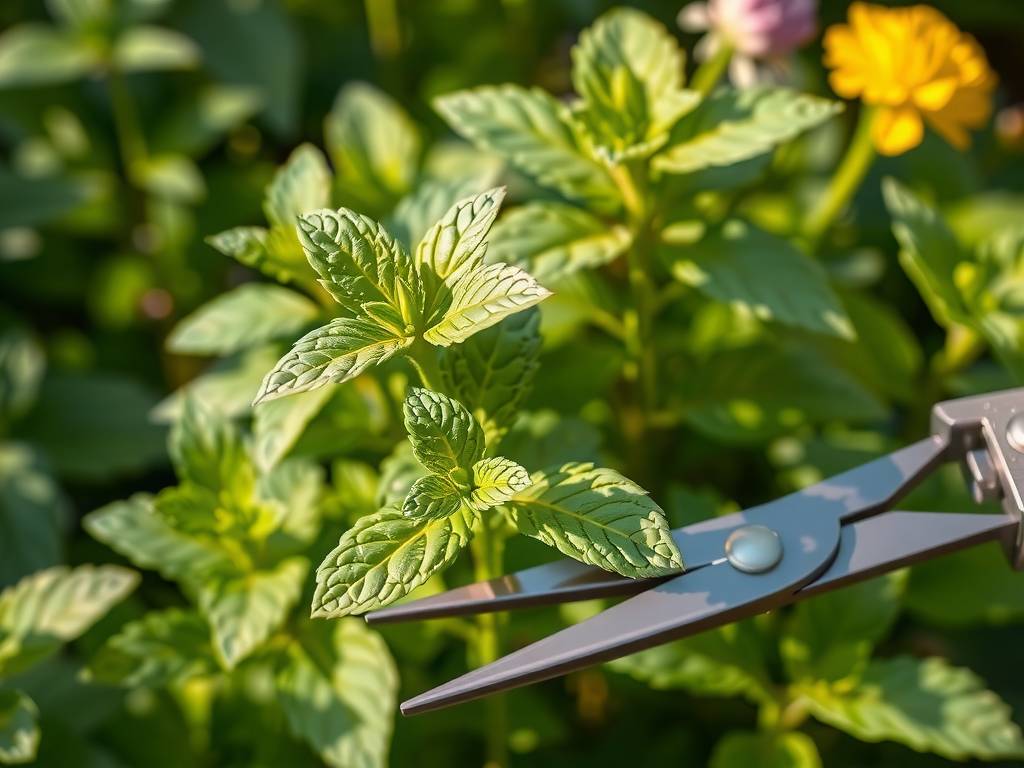
Research into plant stress responses indicates that mild, consistent pruning can stimulate a positive stress response, leading to increased production of aromatic compounds as a defense mechanism. In simple terms, a well-pinched mint plant is a happier, more productive plant that expresses its flavor and aroma more powerfully.
Complementary Care for a Thriving Mint Plant
Pinching is the catalyst, but it works best when combined with fundamental, excellent care.
- Sunlight: Mint thrives in 4-6 hours of sunlight daily. Morning sun with afternoon shade is often ideal, preventing scorching in hot climates. Ample light fuels the growth you're encouraging through pinching.
- Watering: Keep soil consistently moist but never waterlogged. Mint dislikes drying out completely, which can stress the plant and counteract the benefits of pinching. Water at the base to keep leaves dry and prevent disease.
- Soil & Feeding: Use well-draining, fertile soil. A monthly feed with a balanced, water-soluble fertilizer during the growing season provides nutrients for all that new growth. The American Horticultural Society (AHA) recommends "moderate fertility" for herbs to maintain optimal flavor without excessive, weak growth.
- Container Growing: Mint is famously vigorous. Growing in a pot controls its spread and makes pinching management easier. Ensure the pot has drainage holes.
Common Problems and Pinching-Related Solutions
- Leggy, Sparse Growth: This is the primary problem pinching solves. If your plant is already leggy, don't be afraid to pinch it back more severely, up to one-third of its height, always cutting just above a leaf node.
- Flowering: If your mint produces flower buds, pinch or cut them off immediately. Flowering signals the plant to shift energy to seed production, slowing leaf growth and diminishing aroma. Regular tip-pinching usually prevents flowering altogether.
- Pests (like Spider Mites or Aphids): A dense, bushy plant can sometimes have poor air circulation. While pinching, inspect the undersides of leaves. A strong blast of water or insecticidal soap can manage minor infestations. Healthy, pinched plants are generally more resilient.
My mint is growing very slowly. Should I still pinch it? Yes, but first, ensure its basic needs are met (light, water, warmth). Slow growth can be due to cool temperatures or insufficient light. Once conditions improve, gentle pinching can actually stimulate growth. If the plant is very small and struggling, allow it to establish a few more leaves before you begin.
I pinched my mint, but it didn't branch. What went wrong? First, ensure you pinched correctly—just above a set of leaves where nodes are present. If you pinched too high or into a woody section with no viable buds, it may not respond. Also, check the plant's overall health. A severely nutrient-deficient or stressed plant may lack the energy to produce new growth. Give it proper care and try again on healthy stems.
How much mint can I harvest at once without harming the plant? You can safely harvest up to one-third of the plant's total volume at any time, using the same method as pinching: cut stems just above a leaf node. This method simultaneously harvests and promotes new branching. Never strip all the leaves from a stem, as this can kill it.
Mastering mint care revolves around understanding its growth cycle. By consistently pinching the tips, you directly intervene to create a denser, more robust plant. This simple action, performed every few weeks, channels the plant's energy into producing abundant, fragrant leaves rather than solitary stems. When combined with proper sunlight, moisture, and soil, pinching is the definitive practice for unlocking a stronger mint aroma and achieving a truly productive herb garden. Your rewards will be evident in every vibrant leaf and in the intense, fresh flavor that elevates your drinks and dishes.





