bluename
 How to Care for Asplenium Nidus - Pot Selection to Avoid Crown Rot
You’ve brought home a stunning Asplenium nidus, or Bird’s Nest Fern, captivated by its glossy, ripple-edged fronds that unfurl from a central, cup-like rosette. This architectural beauty can be the centerpiece of any indoor jungle. Yet, within weeks, you might notice the heart of the plant—that vital crown—turning soft, brown, and mushy. This is crown rot, a silent killer often triggered by one overlooked factor: the wrong pot.
Choosing the correct container is not merely an aesthetic decision; it’s the foundational step in how to care for Asplenium nidus to prevent disease. An improper pot creates a chronically wet environment around the plant’s base, inviting fungal pathogens to attack. This guide will walk you through every critical aspect of pot selection and complementary care, turning your fern from a rot-risk into a resilient, thriving specimen.
Understanding the Enemy: What is Crown Rot?
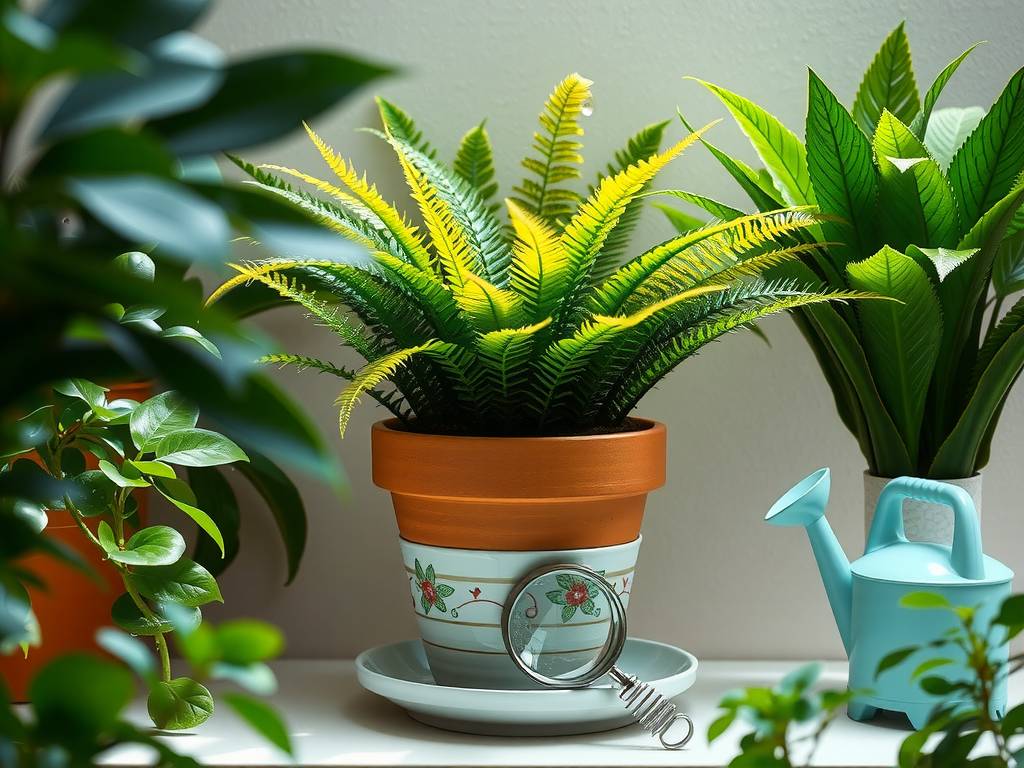
Crown rot is a devastating condition primarily caused by water-loving fungi like Phytophthora or Pythium. These pathogens thrive in saturated, poorly oxygenated soil. In Asplenium nidus, the problem is exacerbated by its growth habit. The fronds emerge from a tight, central crown that naturally collects water and debris. If this area remains perpetually damp due to poor drainage or overwatering, it becomes the perfect breeding ground for rot.
The first signs are often subtle: a slight darkening at the base of the newest leaves, a softer-than-usual feel to the central rosette, or a general halt in growth. As it progresses, the crown turns brown or black, becomes slimy, and the fronds collapse from the center outward. By the time symptoms are severe, the plant is often beyond saving. Prevention, therefore, is absolutely critical.
The Pillar of Prevention: Selecting the Perfect Pot
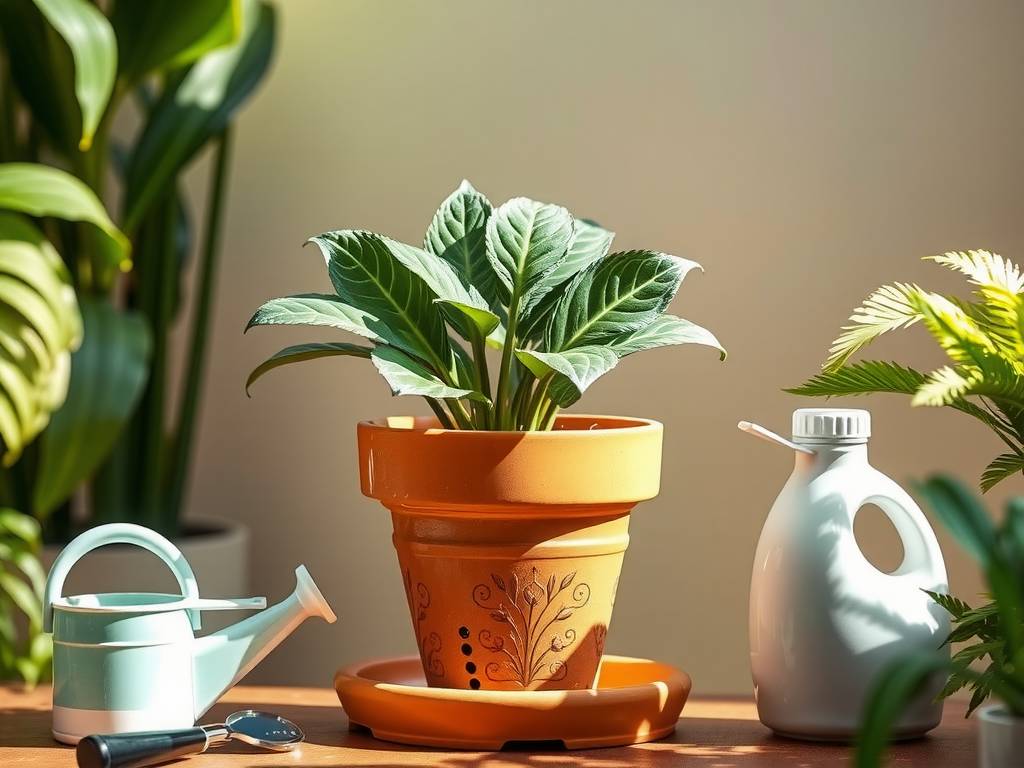
Your choice of pot directly controls soil moisture, root aeration, and ultimately, the health of the crown. Let’s break down the essential characteristics.
Material Matters: Breathability is Key
The pot material significantly impacts how quickly the soil dries.
- Terracotta or Clay: These are the top recommendations from horticultural experts, including many cited by the Royal Horticultural Society (RHS). Their porous nature allows water to evaporate through the walls, promoting air circulation to the roots and helping the soil dry more evenly. This "breathability" is a major defense against crown rot in bird's nest fern.
- Unglazed Ceramic: Similar to terracotta but often less porous. Ensure it has ample drainage holes.
- Plastic: Retains moisture much longer. If you use plastic, you must be exceptionally careful with watering and ensure the drainage holes are large and numerous. It can be a good choice for forgetful waterers in very dry climates, but generally increases risk.
- Glazed Ceramic & Metal: These are the least breathable options. They should only be used as a decorative cache pot (outer pot) with a functional, well-draining inner pot placed inside. Never plant directly into a pot without drainage holes.
Drainage Holes: Non-Negotiable
This cannot be overstated. Your pot must have at least one large drainage hole in the bottom. Multiple holes are even better. According to the American Horticultural Society’s (AHA) guidelines on container gardening, “Adequate drainage is the single most important factor in preventing root and stem rot.” A pot without a drainage hole is a sealed terrarium, guaranteeing waterlogged soil and almost certain crown rot.
Size and Proportion: The Goldilocks Principle
Choosing the right pot size is crucial for preventing crown rot in Asplenium. A pot that is too large holds excess soil, which retains water long after the roots have absorbed what they need, keeping the crown area wet. A pot that is too small dries out too fast and constricts roots.
- The Rule: Select a pot that is only 1-2 inches (2-5 cm) larger in diameter than the root ball of your fern. The goal is to provide a modest amount of room for growth without creating a vast, damp reservoir of soil.
- Depth: Asplenium nidus has a relatively shallow root system. A pot that is too deep also contributes to soggy lower soil layers. A standard pot depth (roughly equal to its diameter) is usually sufficient.
Beyond the Pot: Essential Care Synergy
A perfect pot is your first line of defense, but it must be supported by correct care practices.
The Ideal Soil Mix Pair your breathable pot with a well-aerated, fast-draining potting mix. A standard houseplant soil is too dense. Create a blend:
- 2 parts high-quality potting soil
- 1 part orchid bark or perlite (for aeration)
- 1 part horticultural charcoal or coarse sand (for drainage and freshness) This mix mimics the fern’s epiphytic tendencies in the wild, anchoring roots while allowing water to flow through rapidly.
Mastering the Watering Technique Watering is where most failures occur. The goal is to keep the soil consistently moist but never soggy.
- Method: Water thoroughly until water runs freely from the drainage holes. This ensures the entire root ball is hydrated.
- Timing: Always check the soil first. Insert your finger about an inch into the soil near the pot’s edge (away from the crown). Water only when the top inch feels dry.
- Critical Tip: Water the soil directly, avoiding the central crown. Pour water around the inner edge of the pot. If water pools in the crown, gently tip the plant to drain it or use a cloth to soak it up.
Environmental Harmony
- Light: Provide bright, indirect light. Direct sun will scorch the leaves, causing stress that makes the plant more susceptible to issues.
- Humidity: Asplenium nidus loves high humidity (60-80%). Use a humidifier, pebble tray, or group it with other plants. Good humidity keeps the fronds healthy without requiring you to overwater the soil.
- Airflow: Gentle air circulation helps evaporate excess moisture from the soil surface and the plant. Avoid stagnant, stuffy corners.
Troubleshooting and Proactive Measures
Even with perfect care, stay vigilant.
- Regular Inspection: During watering, briefly inspect the base of the fronds and the soil surface for any signs of mold or softness.
- Seasonal Adjustments: Water less frequently in winter when plant growth slows and evaporation rates are lower. Your well-draining pot is even more important during this dormant period.
- Repotting: Repot every 2-3 years in spring, or when roots circle the bottom of the pot. This refreshes the soil and gives you a chance to inspect root health.
My fern’s crown looks a little dark. Is it too late? Not necessarily. If it’s only slightly discolored but still firm, immediately stop watering and move the plant to a brighter, airier location. Let the soil dry out significantly. You can carefully remove any affected tissue with a sterile tool. If the crown is soft and mushy, the plant may not recover, but you can try to remove all rot, apply a fungicide, and repot in fresh, dry mix as a last resort.
Can I save a fern with severe crown rot? Unfortunately, if the central crown is completely rotten, the plant’s growing point is destroyed and cannot regenerate. However, mature Asplenium nidus can sometimes produce offsets (pups) at the base. If these are unaffected, you can carefully separate them and pot them individually in sterile, well-draining mix to start new plants.
I love decorative pots without holes. How can I use them safely? The "pot-in-pot" method is your solution. Keep your fern in its functional, breathable nursery pot (with drainage holes). Place this pot inside the decorative cache pot. After watering, always lift the inner pot, discard any water that has collected in the outer pot, and let it drain completely before placing it back. This ensures the roots never sit in water.
Success with your Asplenium nidus hinges on creating an environment where moisture is balanced and the crown remains dry. By prioritizing a breathable, appropriately sized pot with excellent drainage, you build a resilient foundation. Synergize this with a chunky, well-draining soil mix and mindful watering that targets the roots, not the center. This holistic approach doesn’t just prevent a dreaded disease; it creates the conditions for your Bird’s Nest Fern to unfurl its spectacular, arching fronds with vigor and health for years to come. Remember, in the care of this elegant fern, the right pot is far more than a container—it’s the cornerstone of its longevity.