bluename
 How to Care for Reineckea Carnea: A Complete Guide to Shade Tolerant & Low-Maintenance Care
Struggling to find a plant that thrives in those dim, difficult corners of your garden? Tired of high-maintenance greenery that demands constant attention? You’re not alone. Many gardeners face the challenge of shaded areas where sun-loving plants simply won’t survive. The search for a resilient, beautiful, and undemanding ground cover often ends in frustration. This is where Reineckea carnea, a true champion of shade tolerant and low-maintenance care, comes to the rescue. Often overlooked, this hardy perennial offers lush foliage, delicate flowers, and incredible adaptability, making it the perfect solution for busy plant lovers and challenging landscapes.
Understanding Your Plant: Reineckea Carnea Basics
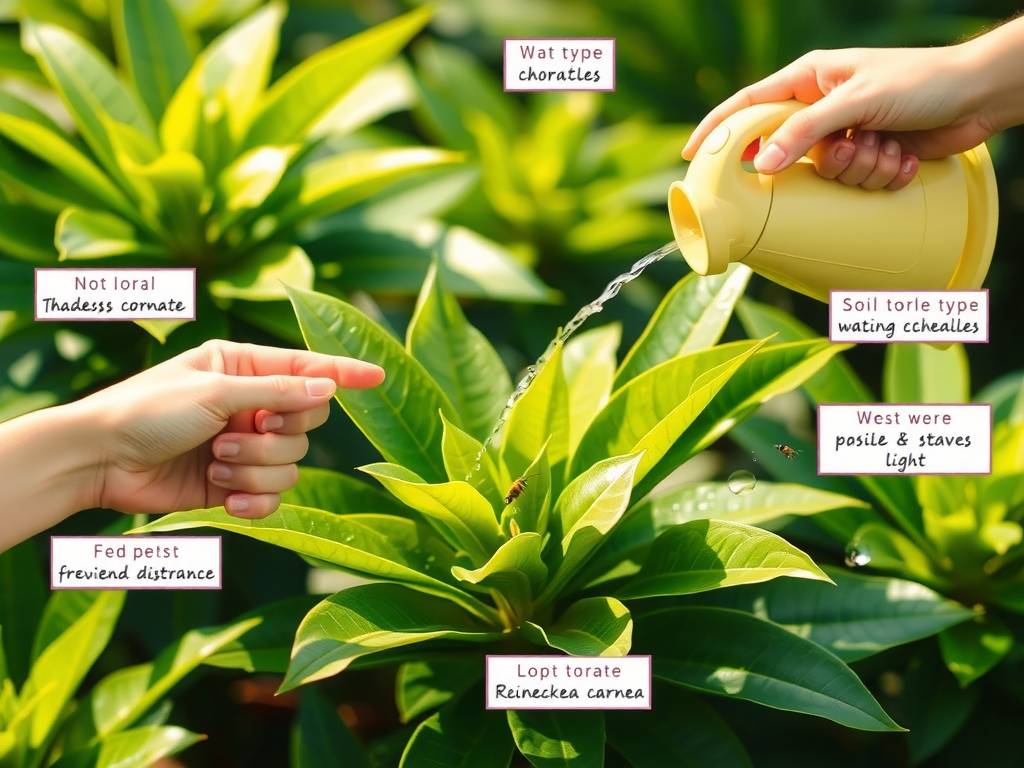
Before diving into care specifics, getting to know this plant is key. Commonly known as pink reineckea or sometimes sacred lily, Reineckea carnea is a herbaceous perennial native to East Asia. It forms dense, mat-like clumps of arching, lance-shaped leaves that remain evergreen in milder climates, providing year-round interest. In late summer to fall, it sends up short spikes adorned with tiny, fragrant, star-shaped pink flowers, followed by attractive red berries. Its growth habit and resilience are what truly make it a standout for low-maintenance gardening.
Ideal Growing Conditions for Thriving Reineckea
The secret to success with this plant lies in mimicking its natural woodland habitat. It doesn’t ask for much, but providing the right foundation will ensure it flourishes for years.
Light: Embracing the Shade This plant is a quintessential shade lover. It performs best in partial to full shade, making it ideal for north-facing gardens, under tree canopies, or along shaded foundations. While it can tolerate some morning sun, intense afternoon sunlight can scorch its leaves and hinder growth. The shade tolerant nature of Reineckea carnea is its superpower, allowing it to prosper where grass and other plants fail.
Soil: The Foundation of Health Reineckea carnea is not fussy about soil but has clear preferences. It thrives in humus-rich, well-draining soil. Good drainage is critical to prevent root rot, especially in heavier clay soils. You can improve drainage by mixing in compost or leaf mold. According to the American Horticultural Society’s encyclopedia of garden plants, woodland plants like Reineckea benefit significantly from organic matter, which mimics the forest floor and provides slow-release nutrients. A slightly acidic to neutral pH is ideal, but it is remarkably adaptable.
Planting and Establishment: A Simple Start
Planting Reineckea carnea is straightforward. The best times are in the spring or early fall, allowing the roots to establish before extreme temperatures hit.
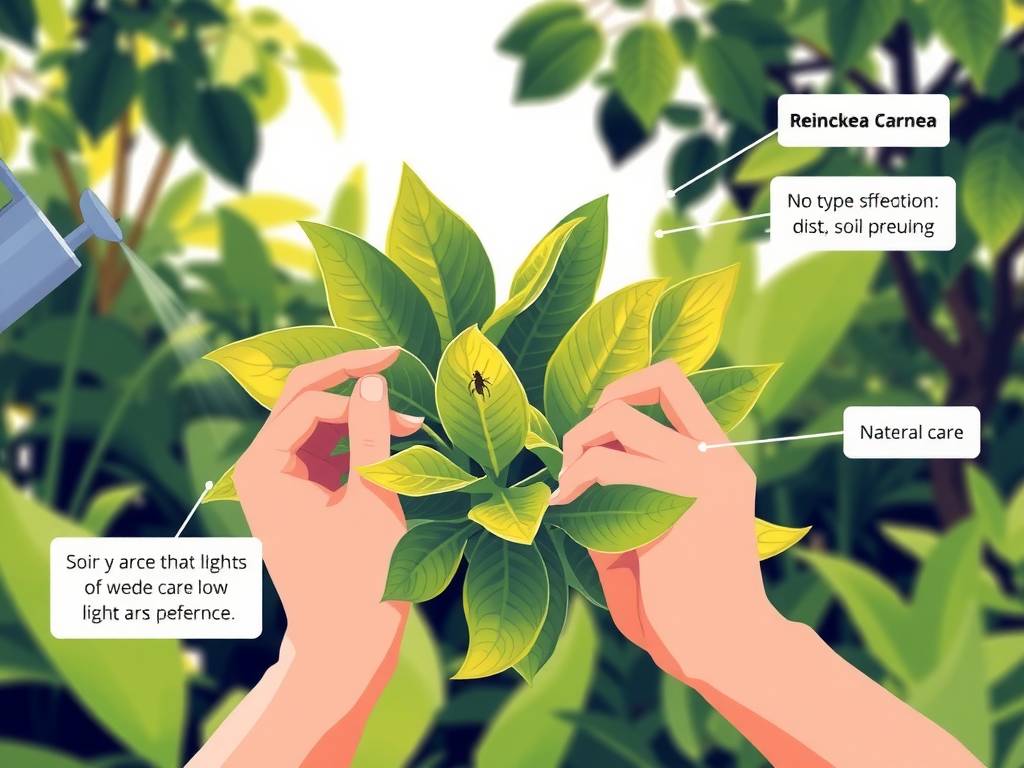
- Dig a hole as deep as the root ball and twice as wide.
- Place the plant in the hole, ensuring the crown (where the stems meet the roots) is level with the soil surface.
- Backfill with the native soil mixed with compost, gently firming it down.
- Water thoroughly to settle the soil. Space plants about 12 to 18 inches apart. They will spread steadily by underground rhizomes to form a continuous carpet, perfect for ground cover for shady areas.
A Simple Guide to Ongoing Low-Maintenance Care
Once established, your Reineckea carnea will ask for very little. This minimal care routine is what cements its reputation as a truly easy-care plant.
Watering: Consistent but Not Coddling During its first growing season, water regularly to help the root system establish. After that, it becomes quite drought-tolerant. The general rule is to water when the top inch of soil feels dry. It’s better to water deeply and less frequently than to give it small, daily sips. Overwatering is a far greater risk than underwatering for this resilient plant.
Feeding: Less is More Reineckea carnea has low nutritional needs. An annual application of a balanced, slow-release fertilizer in early spring is usually sufficient. Alternatively, a top-dressing of compost or well-rotted manure provides gentle, organic nutrition and improves soil structure. Over-fertilizing can lead to excessive leafy growth at the expense of its charming flowers.
Pruning and Grooming: Minimal Effort Required This plant requires almost no pruning. The primary grooming task is to remove any old, damaged, or yellowed leaves in early spring to tidy up the clump and make way for fresh new growth. You can also trim back the flower stalks after the berries have faded or been eaten by wildlife. Its neat habit is a major plus for easy-care landscaping.
Winter Care and Hardiness Reineckea carnea is hardy in USDA zones 6 through 10. In zone 6, a light layer of mulch (like shredded leaves) after the ground freezes can provide extra root protection. In warmer zones, it remains evergreen. In areas with harsh winters, the foliage may die back but will reliably re-emerge in spring.
Propagation: Sharing the Wealth Propagating Reineckea is simple, aligning with its easy-going nature. The most effective method is division in spring or early fall.
- Carefully dig up a mature clump.
- Use a sharp spade or knife to divide the rhizomes, ensuring each division has several growth points (eyes) and healthy roots.
- Replant the divisions immediately at the same depth they were growing and water well. This is a cost-effective way to expand your ground cover or share this wonderful plant with friends.
Troubleshooting Common Issues
Even the toughest plants can face occasional problems. Thankfully, with Reineckea carnea, issues are rare and typically easy to resolve.
Pests and Diseases: Vigilance is Key This plant is notably pest and disease-resistant. The most common issue is slug or snail damage on new, tender foliage, especially in damp, shady conditions. Organic deterrents like diatomaceous earth, beer traps, or iron phosphate bait can manage these pests. Crown or root rot can occur in consistently waterlogged, poorly draining soil. Ensuring proper planting site and drainage is the best prevention.
Environmental Stress Signs
- Scorched Leaves: Brown or bleached leaf tips indicate too much direct sun. Relocate the plant to a shadier spot.
- Yellowing Leaves: Often a sign of overwatering or poor drainage. Check soil moisture and improve drainage if needed.
- Poor Spreading: If the plant seems stagnant, it might be in soil that is too poor or too dry. A top-dressing of compost and consistent moisture can help.
Design Ideas and Companion Planting
Reineckea carnea’s versatility shines in garden design. Its textured foliage and subtle flowers make it an excellent partner for other shade-loving plants.
- Mass Planting: Use it as a uniform, weed-suppressing carpet under trees or large shrubs.
- Border Edging: Its tidy mounds beautifully define pathways in shaded woodland gardens.
- Container Accent: It works well in shaded patio containers, spilling gracefully over the edges. Excellent companions include Hostas, Ferns, Hellebores, Heuchera, and Astilbe. These combinations create a layered, textured, and visually engaging shade garden with varied foliage and bloom times.
Is Reineckea carnea invasive? While it spreads reliably via rhizomes to form a dense ground cover, it is not typically considered invasive in the way some plants are. Its growth is moderate and controllable. It can be easily managed by digging up unwanted sections if it spreads beyond its allotted space.
Will Reineckea carnea grow in deep shade? Yes, it is one of the best plants for deep shade conditions. While flowering may be reduced in extremely dark areas, the lush foliage will still thrive, providing essential greenery where few other plants can.
How fast does it spread to form a full ground cover? The spread rate is moderate. A single plant can expand to cover about one square foot per growing season. For quicker coverage, plant divisions closer together (8-12 inches apart). A well-established patch is an incredibly effective weed barrier.
Reineckea carnea stands as a testament to the beauty and resilience found in the plant kingdom. By providing simple, basic care—primarily well-draining soil and the cool embrace of shade—you are rewarded with a dependable, elegant, and enduring garden performer. It solves the persistent problem of barren shady spots, transforms them into areas of lush tranquility, and does so while asking for almost nothing in return. For anyone seeking a beautiful, problem-solving plant that aligns with a low-maintenance lifestyle, this shade-tolerant gem is an outstanding and intelligent choice.