bluename
 How to Care for Ophiopogon Japonicus - Low-Maintenance for Vigorous Growth
You love the idea of lush, grassy ground cover that thrives with minimal fuss. Yet, your landscape dreams are often thwarted by poor soil, tricky light conditions, or simply a lack of time. What if there was a plant that offered elegant, evergreen beauty while asking for very little in return? Enter Ophiopogon japonicus, commonly known as Mondo Grass or Dwarf Lilyturf. This resilient perennial is the secret to achieving vigorous growth with surprisingly low-maintenance care. Often misunderstood, it’s not a true grass but a member of the asparagus family, prized for its tufted, dark green foliage and subtle summer blooms. This guide will demystify its care, transforming it from a simple filler into the thriving backbone of your garden.
Understanding Your Ophiopogon Japonicus
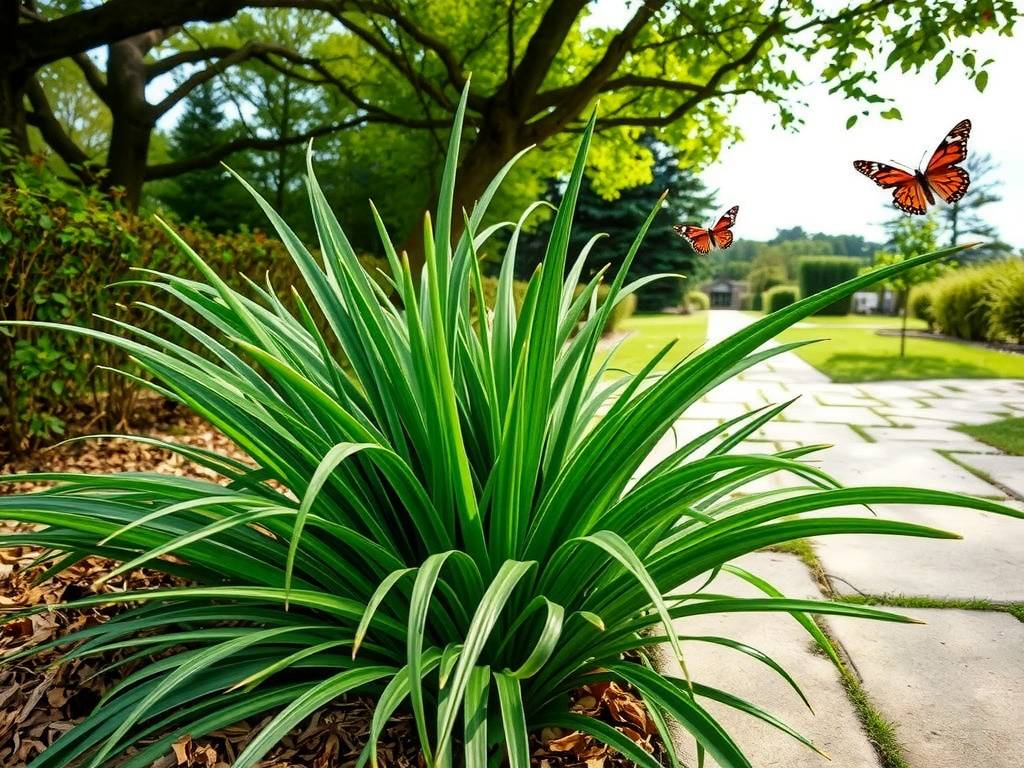
Before diving into care routines, it’s crucial to understand what makes this plant special. Native to shady forest floors in Asia, Ophiopogon japonicus is evolutionarily designed for resilience. Its dense, fibrous root system stores moisture and nutrients, allowing it to withstand periods of neglect. The foliage forms neat, arching clumps that slowly spread by underground stolons, creating a uniform carpet without becoming invasive. This inherent toughness is why its care regimen can be so straightforward. By mimicking its natural habitat—dappled light, consistent moisture, and humus-rich soil—you set the stage for effortless, vigorous growth.
The Foundation: Perfect Planting for Success
A successful, low-maintenance garden starts with smart planting. Getting the basics right from the beginning prevents countless problems down the line.
Choosing the Right Location Light is the most critical factor. Ophiopogon japonicus performs best in partial to full shade. It tolerates morning sun but struggles under the harsh, afternoon rays, which can scorch its leaves. An ideal spot is under the canopy of deciduous trees or on the north side of a structure. This adaptable plant also excels in deep shade, though growth may be slightly slower.
Soil Preparation and Planting Technique This plant isn’t picky, but it thrives in well-draining soil rich in organic matter. Poor drainage is its main enemy, potentially leading to root rot. If your soil is heavy clay, amend it with compost or peat moss. For container planting, a standard potting mix works perfectly. Dig a hole just deep and wide enough for the root ball. Space plants about 6 to 8 inches apart if you desire a quick, seamless ground cover. Gently place the plant, backfill with soil, and water thoroughly to settle the roots. A light layer of mulch around (not on top of) the crowns helps retain soil moisture and suppress weeds, further reducing your future workload.
The Simple Care Regimen for Vigorous Growth
Once established, your Ophiopogon japonicus requires minimal intervention. This simple routine is all it takes to keep it healthy and expanding.
Watering Wisely for Deep Roots The goal is consistent moisture, not constant sogginess. Water deeply once or twice a week, allowing the top inch of soil to dry out between waterings. This encourages the roots to grow deeper, building a drought-tolerant plant. According to the Royal Horticultural Society (RHS), established clumps of Mondo Grass exhibit excellent resilience to short dry spells. During extreme heat, monitor for signs of stress like browning leaf tips and increase frequency slightly.
Feeding: Less is More Over-fertilizing is a common mistake that can lead to weak, floppy growth. Ophiopogon japonicus has modest nutritional needs. Apply a balanced, slow-release fertilizer in early spring as new growth emerges. A single annual feeding is often sufficient, especially if you’ve enriched the soil with compost. The American Horticultural Society (AHS) notes that many groundcovers in shaded settings require little supplemental fertilizer, as they are adapted to nutrient cycling from fallen leaves.
Seasonal Maintenance Made Easy Spring is the time for tidying. Gently rake out any dead leaves from the center of the clumps to allow for new growth. If the planting looks tired or overgrown, you can mow it down to about 2 inches in late winter before new shoots appear; it will regenerate with fresh, vibrant foliage. Division is rarely needed but can be done every few years in spring to propagate new plants or rejuvenate an old patch.
Troubleshooting Common Issues
Even the toughest plants can face challenges. Here’s how to solve common problems with minimal effort.
Addressing Yellowing or Brown Leaves Yellow leaves often signal overwatering or poor drainage. Check your soil moisture and improve drainage if necessary. Brown leaf tips are typically a sign of underwatering, excessive sun, or fluoride in tap water. Trim off the damaged parts and adjust your care routine accordingly.
Managing Pests and Diseases Ophiopogon japonicus is notably pest and disease-resistant. Slugs and snails might occasionally nibble on new growth, especially in damp, shady areas. Use organic deterrents like crushed eggshells or iron phosphate bait if needed. Root rot, as mentioned, only occurs in chronically waterlogged soil, making proper site selection your best defense.
Design Ideas for Maximum Impact
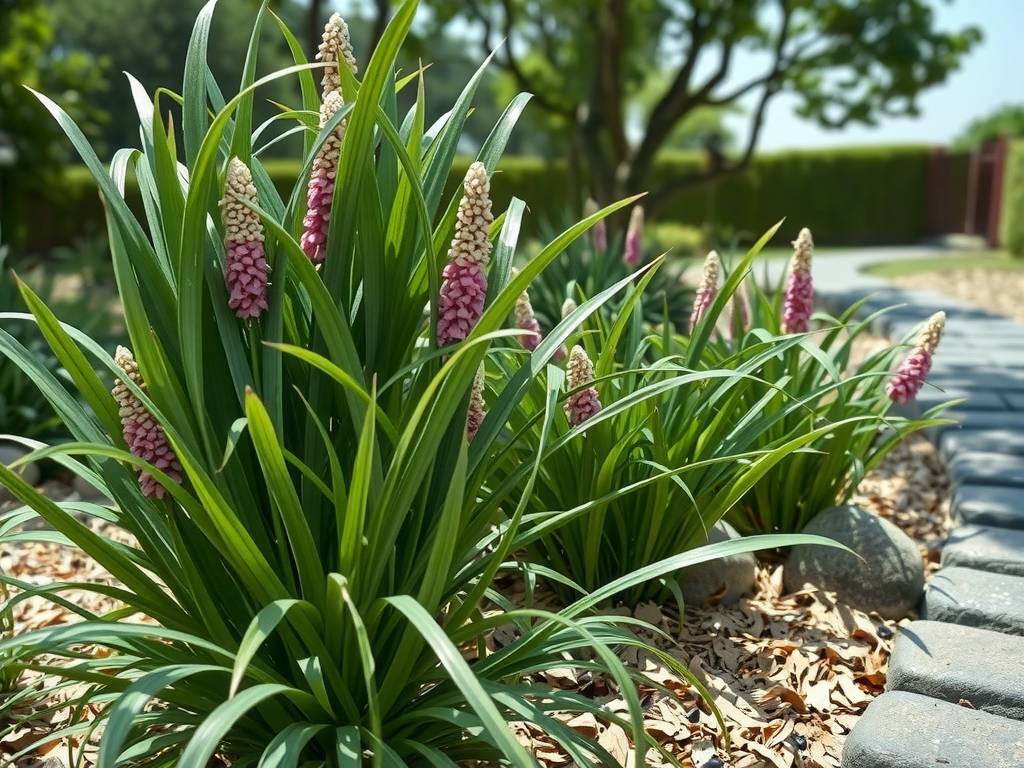
Leverage its low-maintenance nature in your landscape design. It’s a perfect border plant along shaded pathways. Its dark color beautifully contrasts with bright foliage plants like Hostas or Heuchera. For a modern look, plant it between stepping stones or use it to create a living "mulch" under shrubs and trees. The black-leaved variety, Ophiopogon planiscapus ‘Nigrescens’, offers stunning dramatic contrast.
How fast does Ophiopogon japonicus spread? It is a slow to moderate spreader, forming a dense clump first before gradually expanding via underground runners. You can expect it to fill in an area within 2-3 growing seasons when planted 6-8 inches apart. This controlled growth habit is what keeps it low-maintenance and prevents it from becoming invasive.
Can Ophiopogon japonicus survive in full sun? While it can tolerate some morning sun, full afternoon sun is generally not recommended. In hot climates, intense sun will likely scorch the leaves, causing browning and stress. For best results and to maintain its deep green color, stick to partial or full shade locations.
Is it safe for pets? Ophiopogon japonicus is generally considered non-toxic to both cats and dogs by organizations like the ASPCA. However, as with any non-food plant, ingestion of large quantities could cause mild gastrointestinal upset. It is always best to discourage pets from chewing on landscape plants.
Achieving a lush, textured garden doesn’t require endless hours of labor. By choosing Ophiopogon japonicus and following these straightforward guidelines—right light, sensible watering, and minimal feeding—you cultivate a plant that practically cares for itself. Its vigorous growth and evergreen presence provide year-round structure and beauty, freeing you to enjoy your garden rather than just work in it. Start with a strong foundation, trust in its natural resilience, and watch this versatile ground cover transform your shaded spaces into low-maintenance landscapes of enduring appeal.