bluename
 How to Care for Adenium Obesum - Prune to Shape for More Blooms
You’ve nurtured your desert rose, or Adenium obesum, and it’s growing, but something’s off. It’s leggy, lopsided, or simply refusing to put on the spectacular floral show you were promised. You water carefully, provide ample sun, yet the blooms are sparse. The secret you might be missing isn’t just in the soil or the sunlight—it’s in your shears. Strategic pruning is the transformative practice that shapes your plant’s future, channeling its energy into breathtaking blooms rather than unruly growth. This guide will demystify the process, turning apprehension into action and helping you unlock your desert rose’s full, flowering potential.
Understanding the "Why" Behind Pruning Adenium Obesum

Pruning an Adenium is more than just cutting back branches; it’s a deliberate dialogue with the plant’s growth patterns. The core principle is energy redirection. Adeniums, like all plants, have a finite amount of energy for growth and reproduction. When you prune, you remove certain growth points, which signals the plant to redistribute its resources.
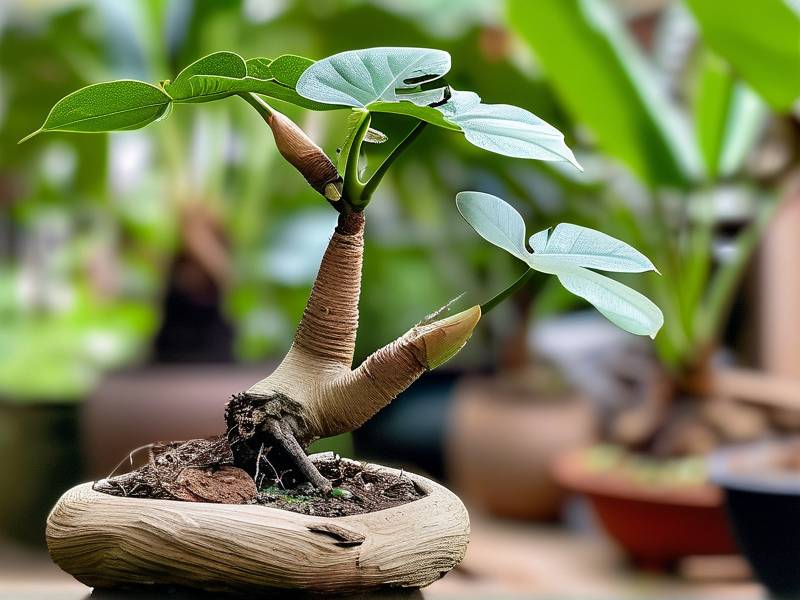
This practice directly tackles several common grower frustrations. It eliminates weak, spindly growth that saps strength, encourages the development of a thicker, more sculptural caudex (the swollen trunk), and most importantly, stimulates the formation of new flowering branches. Each cut you make has the potential to create two new stems where there was one, exponentially increasing the sites where blooms can appear. As noted by horticultural experts from the Royal Horticultural Society (RHS), pruning promotes bushier growth and improves flowering performance in many succulent plants, a category that includes Adenium obesum.
Essential Tools and Timing for Success
Before you make the first cut, preparation is key. Using the right tools ensures clean cuts that heal quickly, preventing disease entry. You will need a pair of sharp, sterilized pruning shears or a precision bonsai knob cutter for thicker branches. Isopropyl alcohol for tool sterilization is non-negotiable. Have some cinnamon powder or a commercial sealing compound on hand to dust over larger cuts to prevent moisture loss and infection.
Timing is everything. The absolute best time to prune your desert rose is during its active growing season, typically in late spring or early summer. This gives the plant ample time to heal its wounds and push out vigorous new growth before temperatures cool. Avoid pruning in late fall or winter when the plant is dormant or slow-growing, as healing will be sluggish and new growth may be weak. A good rule of thumb from the American Horticultural Society (AHS) aligns with this: prune flowering plants soon after their bloom cycle or at the start of their growth period for optimal recovery and bud set.
A Step-by-Step Guide to Pruning for Shape and Flowers
Now, let’s walk through the process. Begin by assessing your plant’s overall structure. Identify any dead, diseased, or damaged branches—these are your first priority. Remove them completely at their point of origin.
Next, focus on shaping and encouraging blooms. Look for long, leggy stems that detract from the plant’s form. Decide on the desired height and shape. To encourage branching, make your cut above a leaf node or a set of leaves. The new growth will emerge from just below this cut. Don’t be timid; often, a more substantial cut leads to a stronger response. For an overgrown plant, you may need to remove up to one-third of the overall growth.
When dealing with the caudex, careful pruning of small, twiggy growth around its base can help emphasize its form. Always angle your cuts slightly so water runs off, and apply your sealing agent to any cut wider than a pencil. This hands-on technique for shaping desert rose plants is what separates a mundane specimen from a stunning, bonsai-like masterpiece.
Post-Pruning Care: The Road to Recovery and Blooms
Your work isn’t done once the pruning is complete. Post-prune care is critical for directing your Adenium toward prolific blooming. Immediately after pruning, withhold water for at least a week to allow the cuts to callus over completely. This prevents rot from setting in.
Resume watering cautiously, only when the soil is completely dry. This is also an ideal time to apply a balanced, water-soluble fertilizer with a slightly higher phosphorus content (e.g., a 10-30-10 formula) to support root development and flower formation. Provide bright, indirect light initially, gradually moving it back to its full sun location as new growth appears.
Within a few weeks, you should see tiny new buds swelling at the pruning sites. This is your success indicator. These new branches will mature and become the primary sites for future flower clusters. This careful approach to post-pruning maintenance ensures your plant recovers with vigor.
Advanced Techniques: Notching and Branch Selection
For the enthusiast looking to refine their plant’s architecture further, notching is a valuable technique. Notching involves making a small, shallow cut in the bark just above a dormant bud on a branch you wish to encourage. This disrupts the flow of auxins (plant hormones that suppress lateral growth) and can stimulate that specific bud to break and grow into a new branch, allowing you to fill in gaps in your plant’s structure with precision.
Branch selection is an ongoing artistic choice. Decide which branches contribute to a balanced, aesthetically pleasing shape and which cross or crowd others. Removing inward-growing branches opens up the plant’s center to light and air, reducing pest and disease risk. This strategic method for boosting Adenium obesum blooms through structure management requires a patient, observant eye but yields incredible control over the final form.
What is the biggest mistake people make when pruning their desert rose? The most common error is pruning at the wrong time, particularly during dormancy, and failing to sterilize tools. Using dirty shears can introduce pathogens, and dormant-season pruning can shock the plant and stunt new growth.
Can I prune a desert rose that is currently flowering? It’s best to wait. If you prune while it’s in bloom, you’re removing the very flower buds you’ve worked to achieve. Allow the bloom cycle to finish, then proceed with your shaping pruning to set the stage for the next, even better floral display.
How often should I prune my Adenium obesum? There’s no fixed annual schedule. Prune based on the plant’s needs—for shaping, to remove unhealthy growth, or to encourage branching. Most well-cared-for plants benefit from a strategic shaping prune once per year during the active growing season.
Mastering the art of pruning transforms Adenium care from passive observation to active cultivation. It’s the deliberate intervention that bridges the gap between a surviving plant and a thriving, spectacular bloomer. By understanding the cycle of growth, wielding your shears with confidence at the right moment, and providing thoughtful aftercare, you directly influence your desert rose’s vitality and floral abundance. Each cut is a decision that shapes its future, guiding energy into lush branches and vibrant blooms, ultimately creating a living sculpture that reflects your attentive care.