bluename
 How to Care for Beaucarnea Recurvata - Water Control to Promote Thick Stems
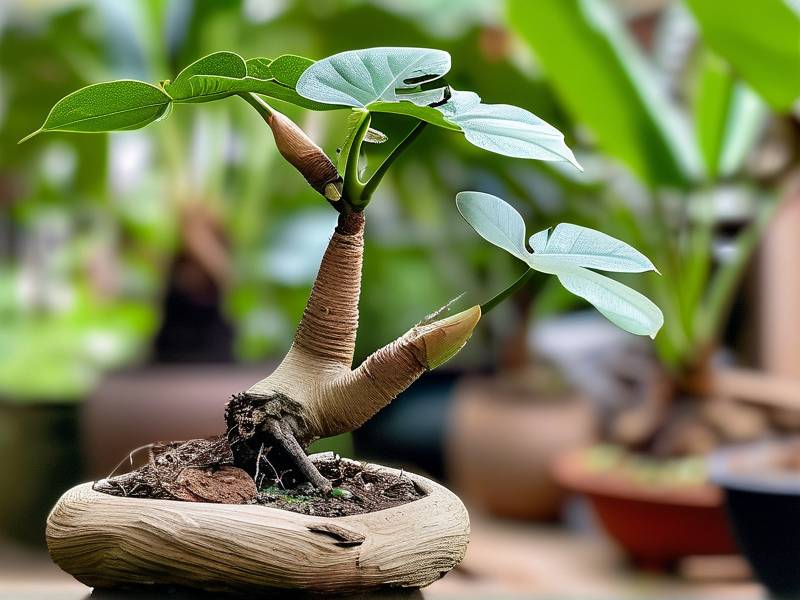
You've brought home a Beaucarnea recurvata, commonly known as the ponytail palm, drawn by its unique, sculptural form and that charming, bulbous base. Yet, despite your best efforts, that distinctive caudex—the thick, water-storing stem—remains disappointingly slender. The lush, cascading leaves might be thriving, but the plant lacks the robust, bottle-shaped trunk that defines its character. The root of this common frustration almost always circles back to one critical aspect of care: improper watering. Mastering how to care for Beaucarnea recurvata with precise water control is the single most effective secret to encouraging that coveted, thick stem growth.
This guide will transform your approach from guesswork to a science. We'll move beyond basic survival tips and delve into the physiology of this remarkable succulent. You'll learn not just when to water, but why specific watering techniques directly signal your plant to allocate resources toward stem expansion. By understanding and applying these principles, you can actively promote a thicker, more resilient, and visually stunning specimen.
Understanding the Ponytail Palm's Desert Physiology
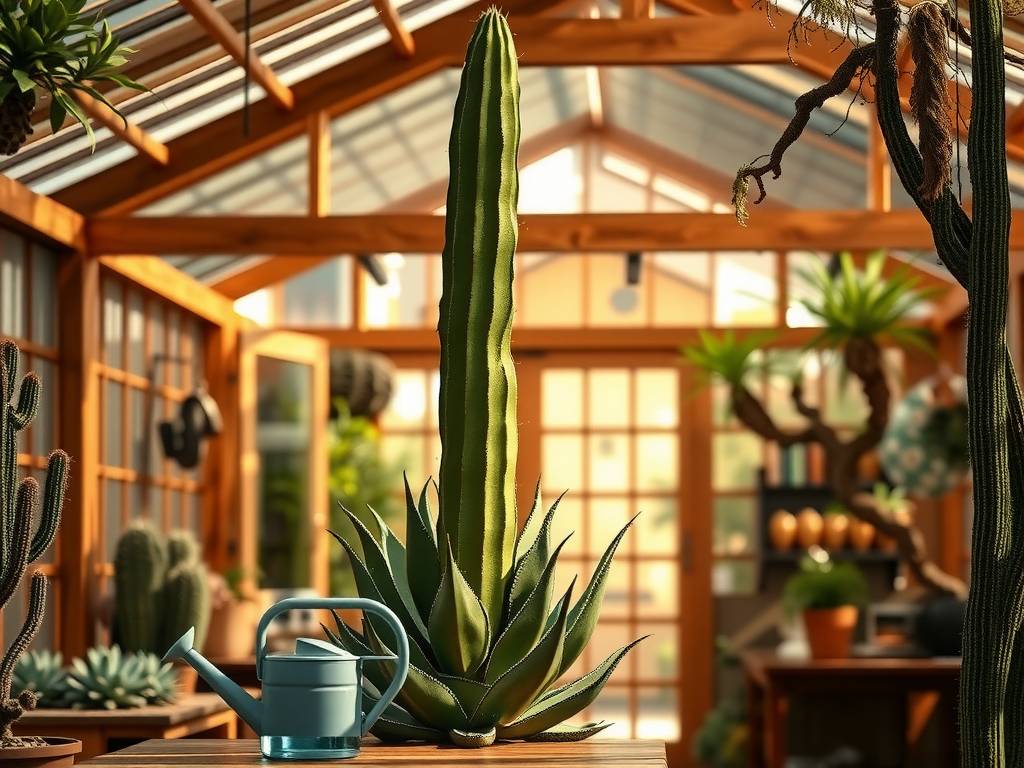
To water correctly, you must first understand what you're caring for. Despite its common name, the Beaucarnea recurvata is not a true palm but a member of the Asparagaceae family, closely related to agaves and yuccas. It is a xerophytic plant, evolutionarily designed for arid environments.
Its entire structure is a masterpiece of water conservation. The large, bulbous caudex is essentially a massive water reservoir. According to horticultural experts at the Royal Horticultural Society (RHS), this swollen stem base is composed of spongy tissue that can store significant moisture, allowing the plant to endure prolonged droughts. The thick, corky bark helps reduce water loss. The long, recurved leaves have a waxy coating and minimal surface area relative to their length, further minimizing transpiration.
When you overwater, you disrupt this innate survival system. The plant has no need to store water in its caudex if moisture is constantly available at its roots. Its energy instead goes primarily into producing new leaves. Conversely, a controlled drought cycle mimics its natural habitat, triggering the plant's instinct to conserve resources by swelling its storage organ—the stem.
The Golden Rule: Mastering the Soak-and-Dry Method
Forget watering on a weekly schedule. The cornerstone of water control to promote thick stems is the "soak-and-dry" or "drench-and-drought" method. This technique is non-negotiable for stimulating caudex growth.
Step 1: The Thorough Soak When it is time to water, do so comprehensively. Take your plant to a sink, bathtub, or outdoor space. Water slowly and deeply at the soil level until you see water flowing freely from the drainage holes. This ensures the entire root ball and, crucially, the soil surrounding the caudex is evenly moistened. The goal is to fully replenish the plant's internal reservoirs.
Step 2: The Critical Dry-Out Period This is where the magic happens for stem thickening. After soaking, you must allow the soil to dry out completely. Do not water again until the soil is bone-dry throughout the pot. You can check this with a moisture meter or the classic finger test—insert your finger 2-3 inches into the soil; if you feel any dampness, wait. This extended dry period is the stress signal. The plant begins to utilize the water stored in its caudex, causing it to slightly contract. Upon the next deep watering, it will absorb moisture eagerly, often taking in more than it did before, leading to incremental expansion. This repeated cycle of depletion and full recharge is the exercise that builds a thicker stem.
Factors That Dictate Your Watering Frequency
"How long between waterings?" is the most common question. The answer is: "It depends." Several environmental factors directly influence how quickly your soil dries out. Tailoring your approach to these conditions is key to promoting thick stems in Beaucarnea.
- Light Exposure: A ponytail palm in full, direct sun will use water much faster than one in moderate indirect light. More light generally supports stronger growth and a better response to the soak-and-dry cycle.
- Seasonal Changes: Growth is most active in spring and summer. This is when you will water most frequently (though still only after complete dry-out). In fall and winter, the plant enters a dormancy or slow-growth period. Watering may be needed only once a month or even less, especially in cool temperatures.
- Temperature and Humidity: Hot, dry conditions accelerate soil drying. Cool, humid conditions slow it down dramatically.
- Pot Size and Material: A small pot dries out faster than a large one. A porous terracotta pot wicks moisture away from the soil more quickly than a glazed ceramic or plastic pot.
- Soil Composition: This is arguably as important as the watering itself.
The Foundation of Drainage: Choosing the Right Soil Mix
Water control begins before you even pour a drop. The right soil mix is your primary tool for preventing root rot and creating the sharp wet-dry cycle that promotes thickening. A standard, moisture-retentive potting mix is a death sentence for the caudex's development.
You need a sharply draining, gritty mix. A recommended formula, supported by the expertise of succulent and cactus societies like the Cactus and Succulent Society of America (CSSA), is a 1:1 mix of standard cactus/succulent potting soil and additional perlite or pumice. For even better drainage, some growers use a blend of one part potting soil, one part coarse sand, and one part perlite. The goal is a mix that holds moisture long enough for the roots to drink but then dries out uniformly and quickly.
Pot Selection: The Unsung Hero of Caudex Development
The pot plays a dual role: containment and breathability. Always choose a pot with multiple, large drainage holes. More critical is the size. The American Horticultural Society (AHS) advises that a pot that is too large holds excess soil, which stays wet for too long, encouraging root rot and discouraging the plant from filling out its caudex. A pot that is slightly snug—about 1-2 inches of space between the caudex and the pot rim—is ideal. This confines the roots slightly, and as the plant grows, the pressure can also contribute to a more pronounced, upward-swelling form.
Fertilization: Supporting Growth Without Causing Flabbiness
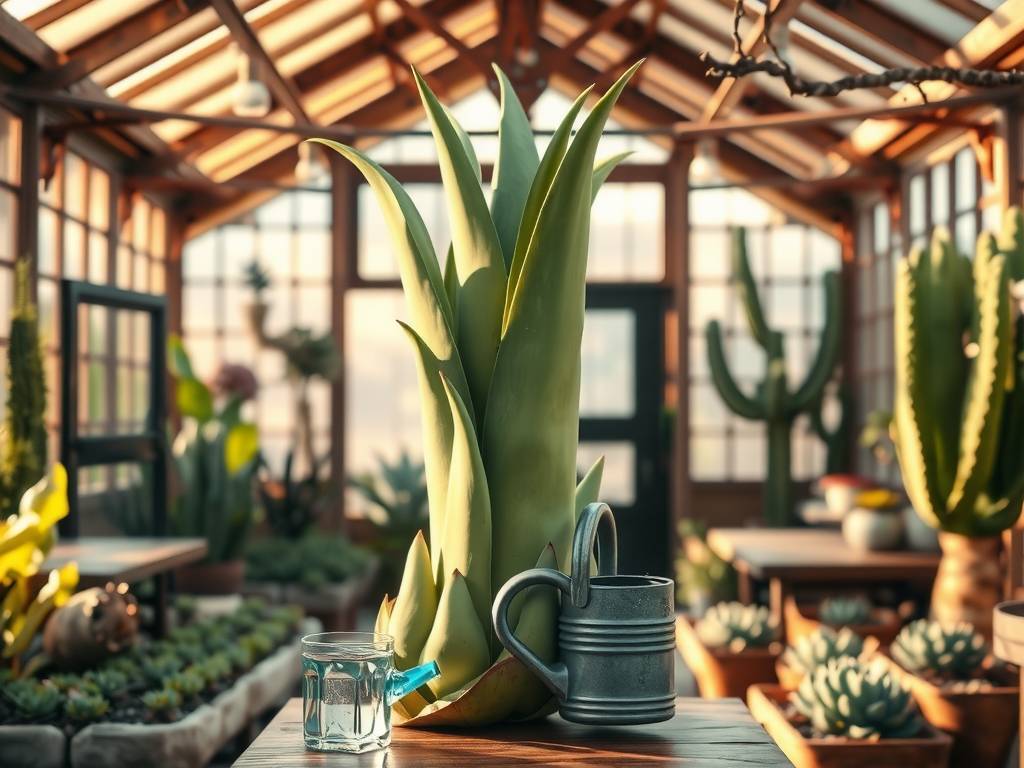
Fertilizer provides the building blocks for growth, but it must be used judiciously. Over-fertilizing, especially with high-nitrogen formulas, can promote weak, leggy leaf growth at the expense of a strong stem. During the active growing season (spring and summer), feed your Beaucarnea recurvata once a month with a balanced, water-soluble fertilizer diluted to half-strength. A formula like 10-10-10 or one slightly higher in phosphorus (e.g., 5-10-5) can support overall health. Do not fertilize at all during the fall and winter. Remember, a slightly under-fertilized ponytail palm is far healthier than an overfed one.
Troubleshooting: Signs You're Off the Mark
Your plant will communicate its needs.
- Yellowing, Soft Lower Leaves: This is the classic sign of overwatering. The base or stem may also feel soft or mushy. Stop watering immediately, check the roots for rot, and repot into dry, gritty mix if necessary.
- Brown, Crispy Leaf Tips: This can indicate prolonged underwatering (though it's rare for this drought-tolerant plant) or, more commonly, low humidity or a buildup of salts/minerals from tap water. Ensure you are performing a complete soak when you do water.
- Wrinkled or Shriveled Caudex: This is a clear sign the plant is using its stored water reserves. It's not an emergency but a signal that the next thorough watering is due. After watering, the caudex should plump back up within a few days.
- No Stem Growth, Only Leaves: This confirms the watering cycle is too frequent or the soil is not draining well enough. Extend the dry periods significantly.
My ponytail palm's stem feels soft. Is it doomed? Not necessarily, but it requires immediate action. A soft stem often indicates rot from overwatering. Unpot the plant, remove all wet soil, and inspect the roots and caudex. Cut away any black, mushy roots or soft parts of the caudex with a sterile knife. Let the plant air-dry in a shaded spot for several days before repotting into completely fresh, dry, gritty mix. Do not water for at least a week after repotting.
Can I grow a ponytail palm in low light? While it tolerates lower light, growth will be very slow, and the stem-thickening process will be minimal. More critically, low light drastically reduces water usage, making overwatering and root rot a severe risk. If placed in low light, water extremely infrequently—only when the caudex shows slight wrinkling.
How long does it take to see noticeable thickening? Patience is essential. You are guiding a slow-growing plant. Under optimal conditions—bright light, perfect soak-and-dry cycles, and appropriate pot size—you may notice visible swelling over a single growing season. Significant, dramatic thickening, however, is measured in years of consistent, correct care. The reward is a magnificent, long-lived specimen that is a testament to your skilled cultivation.
Cultivating a Beaucarnea recurvata with a impressively thick stem is a lesson in disciplined, informed neglect. It challenges the instinct to nurture with constant moisture, instead asking you to replicate the harsh, rewarding cycles of its native habitat. By prioritizing sharp drainage, mastering the extended dry period, and providing ample light, you do more than keep a plant alive. You engage in a slow, satisfying dialogue with its physiology, encouraging it to reveal its most resilient and beautiful form. The thickened caudex is not just a feature; it is a record of every correct drought it has endured and a promise of continued endurance.