bluename
 How to Care for Clivia Miniata for Symmetric Leaves and Spectacular Blooms
You've nurtured your Clivia miniata for months, dreaming of that perfect display of symmetrical, strap-like leaves framing a vibrant cluster of trumpet-shaped flowers. Yet, instead of that balanced, blooming masterpiece, you're faced with lopsided growth, stubbornly absent blooms, or perhaps yellowing leaves. Achieving that iconic, harmonious look—symmetric leaves and simultaneous blooms—feels like a secret reserved for expert gardeners. The frustration is real when your care doesn't translate into the stunning visual reward you expected.
The good news? This coveted symmetry is not a matter of luck but a direct result of understanding and replicating the plant's natural rhythms. By mastering a few key aspects of its care cycle, you can guide your Clivia miniata toward balanced growth and reliable, breathtaking flowering. This guide will walk you through the exact steps, turning your plant into a true showstopper.
Understanding the Clivia Miniata's Natural Rhythm
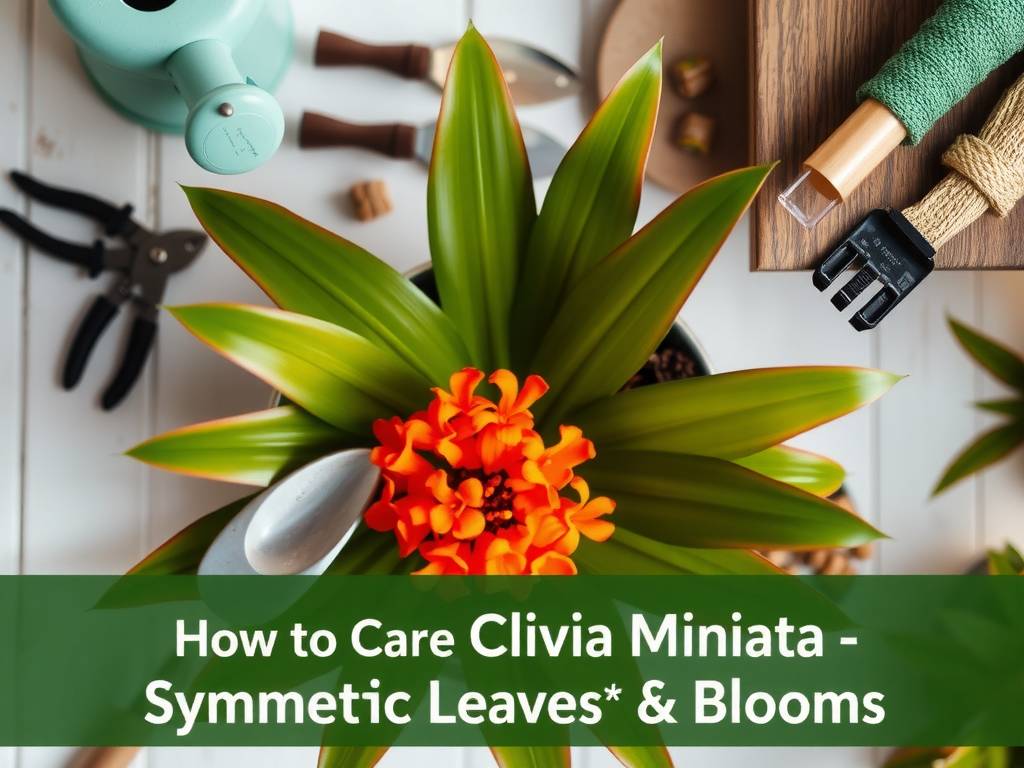
Often called the bush lily or Kaffir lily, Clivia miniata is a shade-loving, perennial plant native to South African woodlands. Its growth is intrinsically tied to distinct seasonal cycles. In its natural habitat, it experiences a warm, rainy growing season followed by a cool, dry rest period. This rest period is the crucial, non-negotiable trigger for flower promotion. Ignoring this cycle is the primary reason many Clivias fail to bloom. The Royal Horticultural Society (RHS) emphasizes the importance of this "winter rest" for successful flower initiation in bulbous and similar plants, a category that includes Clivia due to its fleshy roots.
Essential Care for Symmetric Leaf Development
Balanced, symmetrical leaf growth is the foundation of the plant's aesthetic. Lopsided plants are usually crying out for more consistent care.
The Critical Role of Light in Shaping Your Plant
Light is the most powerful tool for encouraging symmetric leaves. Clivia prefers bright, indirect light. An east-facing window is often ideal. Direct afternoon sun can scorch the leaves, causing unsightly brown patches. The key to symmetry is consistency. Plants will grow decisively toward the light source, a process called phototropism. To ensure even growth on all sides, rotate your pot a quarter turn every time you water it. This simple habit ensures all parts of the plant receive equal light, preventing it from becoming one-sided and lean.
Watering Practices for Robust Root and Foliage
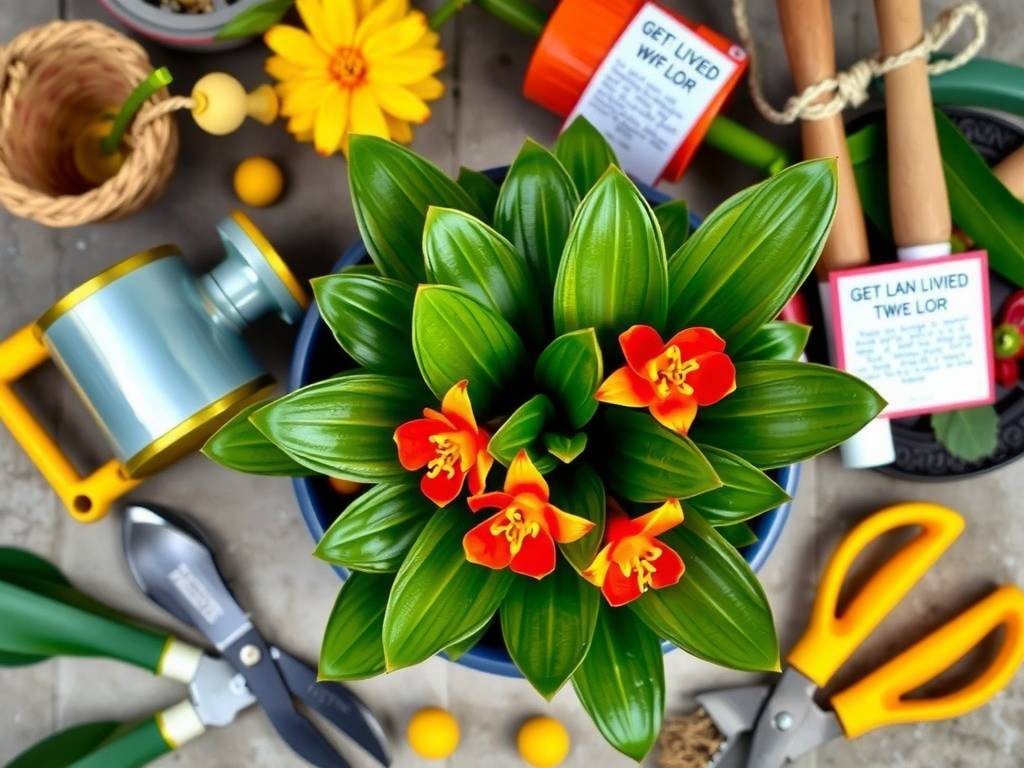
Your watering routine directly impacts leaf health and symmetry. During the active growing season (spring and summer), water your Clivia miniata thoroughly when the top inch of soil feels dry to the touch. Always allow excess water to drain freely; soggy soil is a fast track to root rot, which manifests as yellowing, limp leaves. Use room-temperature water. In the winter rest period, you will drastically reduce watering, as detailed later. Consistent, appropriate hydration supports the entire plant structure, allowing it to produce new leaves from the center in a tight, uniform cluster.
Potting Mix and Container Considerations
A well-draining potting medium is non-negotiable. A mix formulated for orchids, containing bark, perlite, and some peat, works excellently for Clivia's thick, moisture-storing roots. The pot itself matters more than you might think. Choose a container that is only slightly larger than the root ball. Clivia blooms best when slightly pot-bound, and an oversized pot holds too much moisture, risking root issues. A pot that is too small, however, can cramp roots and stunt leaf growth. A sturdy, heavy pot (like terra cotta or ceramic) also helps counterbalance the weight of the large leaves, preventing tipping and promoting overall stability.
The Master Plan for Flower Promotion and Blooming
While beautiful leaves are a year-round joy, the spectacular blooms are the crowning glory. Here is your seasonal blueprint to promote abundant Clivia blooms.
Orchestrating the Essential Winter Rest Period
This is the single most important step for encouraging Clivia miniata to flower. For 6-8 weeks in late fall to early winter (often November-December), you must mimic its native dry, cool season.
- Temperature: Move the plant to a cool location with temperatures between 45-55°F (7-13°C). A spare room, an unheated porch, or a cool basement spot is perfect.
- Water: Reduce watering dramatically. Only provide a small amount of water every few weeks, just enough to prevent the thick roots from shriveling completely. The goal is drought stress.
- No Fertilizer: Cease all feeding during this time.
This cool, dry spell sends an unambiguous signal to the plant that it's time to set a flower bud. Without this rest, your Clivia will likely only produce leaves.
Feeding for Strength and Flower Power
Nutrition supports the energy-intensive process of flowering. During the active growth period (spring through summer), feed your plant monthly with a balanced, water-soluble fertilizer diluted to half-strength. As flower buds begin to form and swell, you can switch to a fertilizer with a slightly higher phosphorus content (the middle number in the N-P-K ratio) to support healthy Clivia flower development. The American Horticultural Society (AHA) notes that phosphorus is vital for flower and fruit production, but cautions against over-application, which can be detrimental. Always follow the "less is more" principle with Clivia.
Post-Bloom Care for Future Success
Once the magnificent orange, red, or yellow flower cluster fades, you have a choice. To direct energy back to the plant for next year's performance, use clean, sharp shears to cut the flower stalk off at its base. Do not remove the flower stalk by pulling it, as this can damage the plant's core. Continue with regular watering and feeding through the summer to build up reserves. This post-bloom period is when the plant stores energy in its roots for the next cycle of growth and flowering.
Troubleshooting Common Problems
Even with perfect care, issues can arise. Here’s how to address them while maintaining plant symmetry and health.
- Why are my Clivia's leaves turning yellow? Yellow leaves at the base are often part of natural, older leaf senescence. Widespread yellowing typically points to overwatering. Check the soil moisture and ensure the pot drains freely. Remove affected leaves at the base with a clean cut.
- What if my plant has no flowers? The culprit is almost always the absence of a proper winter rest period. Review the steps above. Other factors include a pot that is too large, insufficient light during the growing season, or a plant that is too young (Clivia often needs to be 3-4 years old to bloom).
- How do I deal with pests? Mealybugs and scale can occasionally appear. Wipe leaves with a soft cloth and treat with insecticidal soap or neem oil, ensuring to cover the leaf bases. Healthy, symmetric plants are more resistant to pest infestations.
My Clivia bloomed, but the leaves are messy and uneven. Can I fix this? Yes, you can improve symmetry over time. First, implement a strict rotation schedule with every watering. For severely lopsided plants, you can carefully remove the outermost, most uneven leaves at the base during repotting. However, never remove more than a couple of leaves at once, and always prioritize the plant's overall health over immediate perfection. The new growth will emerge from the center and, with consistent light, grow more evenly.
Is repotting necessary for flowering? Not annually. Clivia prefers being root-bound and may bloom more reliably when slightly cramped. Repot only every 3-5 years, or when the plant is literally bursting out of its container or the soil is completely broken down. The best time to repot is immediately after the blooming period, before the summer growth surge. Use the well-draining mix mentioned earlier and a pot only one size larger.
Can I put my Clivia outside in summer? Absolutely. Moving your Clivia to a shaded, sheltered patio or under a tree canopy for the summer can be highly beneficial. The increased air circulation and natural light patterns often stimulate stronger growth. Ensure it receives no direct, hot sun and remember to bring it back indoors well before the first frost in fall, acclimating it to indoor conditions gradually.
Caring for Clivia miniata is a rewarding practice in patience and seasonal awareness. The journey to symmetric leaves and spectacular blooms is a clear one: provide consistent light and water for elegant foliage, and have the discipline to provide a cool, dry winter rest to trigger the floral display. By listening to and replicating these natural cues, you transform from a frustrated caretaker into a confident grower, with a magnificent, balanced plant as your testament. The vibrant, trumpet-shaped flowers emerging from that perfect rosette of leaves will be a yearly celebration of your attentive care.