bluename
 How to Care for Clivia Miniata - Stuck Flower Rescue for Smooth Blooming
There’s a special kind of frustration for a plant lover when their beloved Clivia miniata, also known as the bush lily, refuses to bloom. You’ve provided consistent care, watched its lush, strap-like leaves grow, and patiently waited through the seasons, only to find the flower stalk seemingly “stuck” or failing to emerge at all. This common issue, often called a “stuck flower” or bloom failure, can be disheartening. Understanding how to care for Clivia miniata is key to unlocking its spectacular floral display. This guide is dedicated to diagnosing the causes of a non-blooming Clivia and providing a clear, actionable rescue plan to coax those stunning orange, red, or yellow blooms into smooth, reliable blooming.
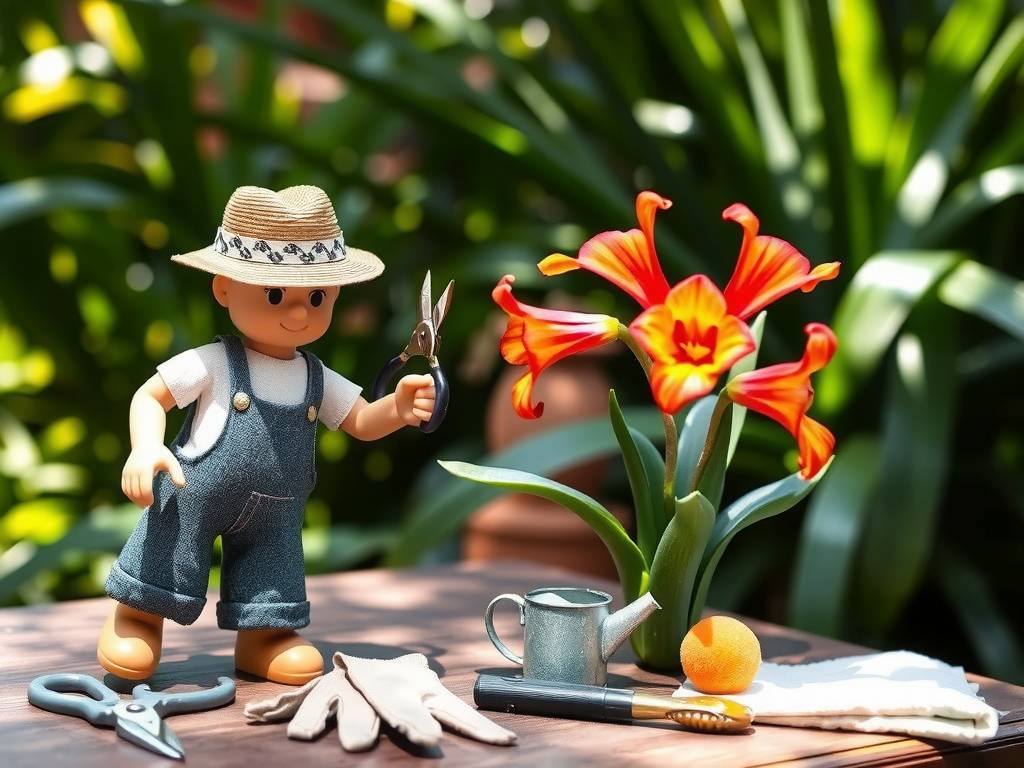
The journey to a flowering Clivia begins long before the stalk appears. It’s a cycle of deliberate care, mimicking the plant’s natural habitat. Success hinges on mastering four pillars: light, temperature, watering, and nutrition. Neglecting any one of these can lead directly to the problem of a stuck Clivia flower rescue.
Decoding the Clivia’s Natural Rhythm
Clivia miniata is native to South African woodlands. It thrives in dappled shade under forest canopies, experiences a distinct cool, dry winter period, and enjoys a summer growing season with moderate moisture. Replicating this cycle in your home is the non-negotiable secret to consistent blooming. The Royal Horticultural Society (RHS) notes that Clivias are “rewarding houseplants” that perform best when their seasonal rest period is respected, a crucial point often overlooked by indoor gardeners.
The Primary Culprits Behind a Stuck Flower
A Clivia’s failure to bloom is rarely mysterious. It’s almost always a response to one or more incorrect environmental cues. Let’s diagnose the most likely issues preventing your smooth blooming Clivia from showing off.
Insufficient or Incorrect Light Exposure
Light is the primary engine for photosynthesis and energy storage. A Clivia kept in deep, constant shade will produce beautiful leaves but lack the energy reserves to initiate a flower stalk. Conversely, harsh, direct afternoon sun can scorch the leaves, causing stress that also inhibits blooming.
- The Rescue Fix: Provide bright, indirect light year-round. An east-facing window is ideal. A north-facing window may be too dim. If using a south or west window, diffuse the light with a sheer curtain. The American Horticultural Society (AHA) emphasizes that “adequate light is the most important factor” for inducing blooms in many houseplants, including those like Clivia that have specific rest requirements.
The Missing Link: Neglecting the Cool, Dry Rest Period
This is the single most critical factor for flower initiation and the most common reason for bloom failure. In its native habitat, Clivia experiences a winter where temperatures drop and rainfall decreases. This 6-8 week rest period is the plant’s physiological trigger to set a flower bud.
- The Rescue Fix: From late fall to early winter (approximately November to January), relocate your Clivia to a cool spot with temperatures between 45-55°F (7-13°C). A barely-heated porch, garage, or cool room is perfect. Drastically reduce watering during this time, just enough to prevent the leaves from wilting. No fertilizer should be given.
Overwatering and Root Health
Clivias have thick, fleshy roots that store water. They are highly susceptible to root rot from chronically wet soil. A stressed, rotting root system cannot support the massive energy demand of flowering.
- The Rescue Fix: Water deeply only when the top half of the soil feels dry to the touch. Ensure your pot has excellent drainage. Use a well-aerated, chunky potting mix, such as one formulated for orchids or a blend of regular potting soil with perlite and bark. During the active growing season (spring-summer), water regularly. During the rest period, water sparingly.
Nutritional Imbalance: Too Much or the Wrong Kind
Feeding your Clivia a high-nitrogen fertilizer will promote vigorous leaf growth at the expense of flowers. It’s like feeding an athlete nothing but pasta—energy for activity, but not the right fuel for peak performance.
- The Rescue Fix: Fertilize only during the active growing season (spring and summer). Use a balanced, water-soluble fertilizer (e.g., 10-10-10) or one with a higher phosphorus content (the middle number, like 5-10-5) to encourage blooming. Apply at half-strength every 4-6 weeks. Stop all feeding in late fall and throughout the winter rest.
Your Step-by-Step Clivia Flower Rescue Plan
If your Clivia has gone a year or more without blooming, follow this structured rescue protocol. Patience is key, as you are resetting the plant’s internal clock.
Year-Round Foundation: First, ensure your plant is in the right light and a well-draining pot. Address any immediate overwatering issues.
Implement the Crucial Rest Period (Next Fall/Winter): This is your most powerful tool. For 6-8 weeks, provide the cool temperatures (45-55°F) and minimal water described above. The plant may look a little tired; this is normal.
The Spring Awakening: As days lengthen in late winter, gradually move the plant back to its warmer, bright spot. Slowly resume normal watering. When you see the tip of a flower stalk emerging from between the leaves, begin your regular feeding schedule with a bloom-promoting fertilizer.
Post-Bloom Care for Future Success: After the flowers fade, cut the stalk at the base. Continue with regular summer care—bright indirect light, consistent watering, and monthly feeding. This builds the energy for next year’s bloom. A mature, pot-bound Clivia often blooms more readily than one recently repotted. Only repot every 3-5 years, if necessary, after flowering.
Advanced Tips for the Enthusiast
Once you’ve mastered the basics, these finer points can make a difference.
- Consistency is King: Avoid moving the plant frequently once the flower stalk begins to emerge. Sudden changes in orientation can cause the stalk to grow awkwardly.
- Observe the Roots: During repotting, healthy roots should be plump and pale yellow or white. Mushy, brown roots indicate rot and must be trimmed away.
- Patience with Young Plants: A Clivia typically needs to be 3-5 years old and have 12-14 leaves before it is mature enough to bloom for the first time.
Frequently Asked Questions
My Clivia produced a flower stalk, but it’s trapped between the leaf bases and won’t elongate. What should I do? This is a classic “stuck” scenario. It’s often due to low humidity or a slight lack of water during stalk elongation. Increase ambient humidity by placing the pot on a pebble tray with water. Ensure you are watering adequately (without overdoing it) as the stalk grows. Do not try to physically pull it out, as you may damage it.
Is it true that Clivias need to be root-bound to bloom? While not an absolute requirement, it is a strong contributing factor. A Clivia that is slightly pot-bound experiences mild stress that can signal it’s time to reproduce (flower). A pot that is too large directs energy into root growth rather than bloom production. When repotting, choose a container only 1-2 inches larger in diameter.
I provided a rest period, but my Clivia still didn’t bloom. What now? Re-evaluate the quality of your rest period. Was it cool and dry enough, and for a full 6-8 weeks? Also, double-check your light levels during the growing season. The plant may simply need another full cycle of correct care to rebuild its strength. Ensure you are using a bloom-promoting fertilizer during the growth phase.
Success with Clivia miniata is a testament to attentive, seasonal care. By understanding its need for a defined rest period, providing bright indirect light, and practicing careful watering, you transform bloom failure into predictable success. The sight of that first bold flower stalk pushing through the foliage is a rewarding payoff for respecting the plant’s natural rhythm. With this rescue plan in hand, you’re equipped to guide your Clivia from being perpetually green to reliably, spectacularly floral.