bluename
 How to Care for Cyclamen - Post-Bloom Care to Strengthen Bulbs
Your cyclamen’s stunning display of butterfly-like blooms has finally faded. Now what? Many plant owners face the dilemma of a wilting cyclamen after flowering, often unsure whether to discard it or attempt to save it for next season. The period after blooming is not the end; it’s a critical phase for the plant’s long-term health. Proper post-bloom care for cyclamen is the secret to strengthening its underground corm (often called a bulb) and ensuring a vibrant return. Neglecting this stage can lead to a weak plant that never reflowers or, worse, rots away. This guide will walk you through every essential step, transforming post-bloom uncertainty into a simple, rewarding process.
Understanding the Cyclamen’s Natural Cycle
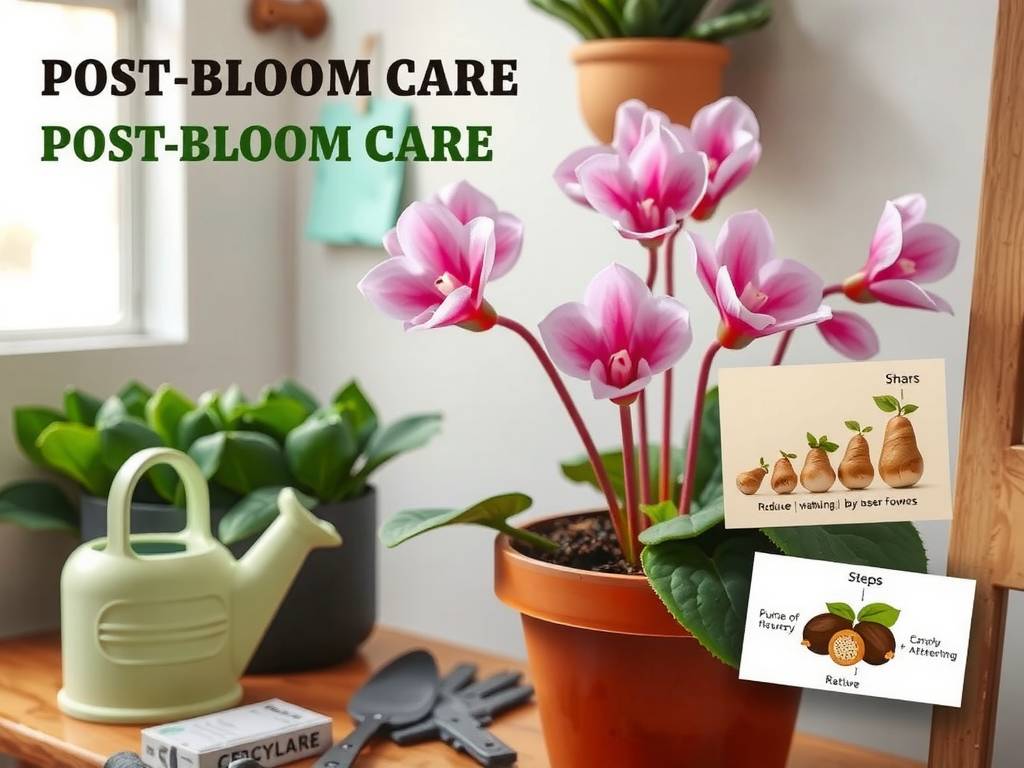
To care for your cyclamen effectively, you must think like one. Cyclamen are perennial geophytes, meaning they grow from a storage organ—a corm—and have a distinct dormancy period. In their native Mediterranean habitats, they bloom in the cool, moist winter, then retreat underground to survive the hot, dry summer. Your indoor potted cyclamen follows this same genetic blueprint. The goal of cyclamen care after flowering is to support this natural transition, allowing the plant to redirect energy from spent flowers and leaves back into the corm, building reserves for its next growth cycle.
Step-by-Step: The Complete Post-Bloom Care Routine
Immediate action after the last flower drops sets the stage for success. Follow these stages to strengthen cyclamen bulbs effectively.
Phase 1: The Fading Bloom Transition (Early Spring)
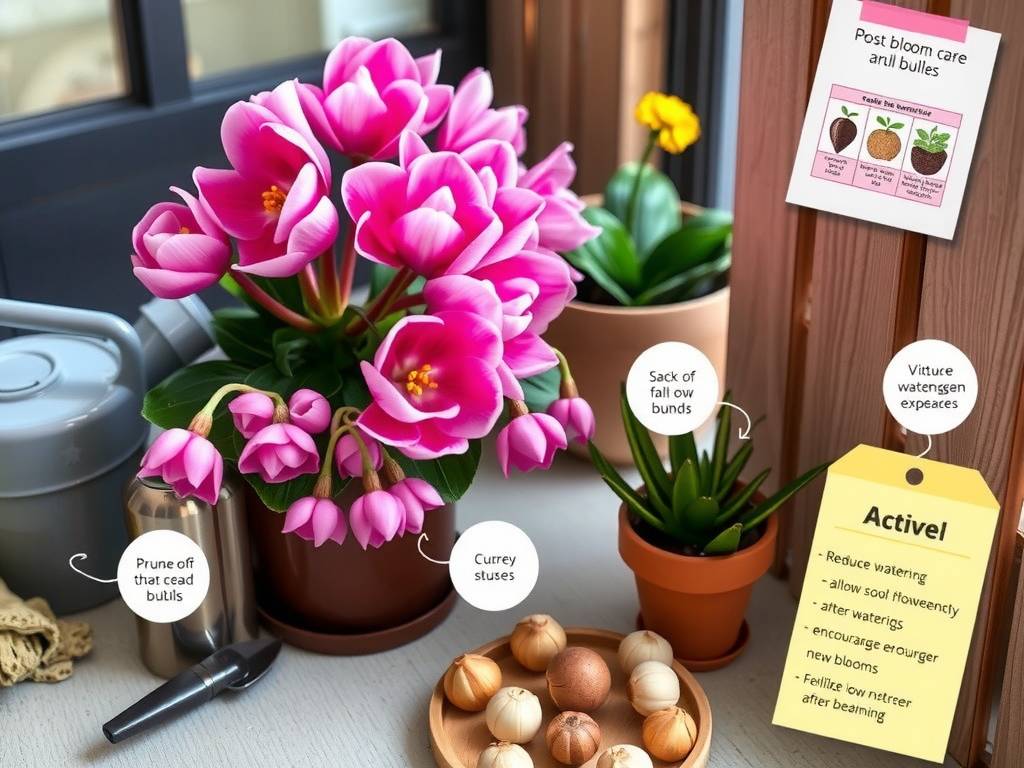
As flowers begin to wither, your care focus shifts from bloom support to energy conservation.
- Deadheading with Precision: Regularly remove spent flowers. Don’t just pull; grasp the stem firmly near the base and give a sharp tug. This method removes the entire stalk, preventing leftover stubs from rotting and inviting disease. Consistent deadheading stops the plant from wasting energy on seed production.
- Gradual Leaf Management: Yellowing leaves are normal as the plant prepares for dormancy. Do not remove green, healthy leaves prematurely—they are still photosynthesizing and feeding the corm. Only remove leaves that are clearly yellowing or dying, using the same tugging technique.
- Adjust Watering: Begin to reduce watering frequency slightly. Allow the top inch of soil to dry out more between waterings, but never let the corm itself sit in bone-dry soil or become shriveled. The Royal Horticultural Society (RHS) advises, “After flowering, gradually reduce watering as the leaves turn yellow, which helps signal the corm to enter its rest period.”
Phase 2: Preparing for and Managing Dormancy (Late Spring/Summer)
This is the most crucial phase for bulb strength. Your cyclamen will appear to be dying back, which is perfectly normal.
- Encouraging the Rest Period: As more leaves yellow and die back naturally, continue to reduce watering. The plant is entering its summer dormancy.
- The “Dry Rest” Method (Most Common):
- Once all leaves have yellowed and been removed, stop watering entirely.
- Move the pot to a cool, dark, and dry place. A basement, garage, or a north-facing cupboard often works well. Ideal dormancy temperatures are between 50-65°F (10-18°C).
- Do not remove the corm from its pot. Let it rest undisturbed for 2-3 months. The American Horticultural Society’s Encyclopedia of Gardening notes that forcing a cyclamen through a proper dry rest is key to reblooming, as it mimics the plant’s natural arid summer habitat.
- The “Summering” Method (Alternative for Mild Climates): In some regions, you can sink the entire pot in a shady, sheltered spot outdoors for the summer, protecting it from heavy rain. Water only very sparingly if the soil becomes dust-dry.
Phase 3: Reviving Your Cyclamen for New Growth (Early Fall)
Awakening your cyclamen at the right time is as important as putting it to sleep.
- Signs of Revival: Look for tiny new growth buds nosing out from the top of the corm. This is your cue to begin again.
- The Wake-Up Call:
- Bring the pot back into bright, indirect light.
- Soak the soil thoroughly. You may need to immerse the pot in a basin of water for 15-20 minutes if the soil has become hydrophobic.
- Drain completely. Any excess water left in the saucer must be discarded to prevent corm rot.
- Resume Regular Care: Once new growth is evident, resume a regular watering routine—water from below by filling the saucer and letting the soil soak it up, then emptying the excess. This keeps the base of the corm dry. Start feeding with a half-strength, balanced liquid fertilizer every 3-4 weeks to support leaf and bud development.
Advanced Tips for Optimal Bulb Health
Beyond the basic cycle, these practices ensure a robust plant.
- Repotting for Renewal: Every 2-3 years, when reviving the plant, consider repotting. Use a fresh, well-draining potting mix (a blend with peat or coir and perlite is ideal). The critical rule: Do not bury the cyclamen corm deeply. Plant it so the top half to one-third of the corm sits above the soil line. Burying it completely is a leading cause of rot, as emphasized by numerous horticultural experts.
- Pest and Disease Vigilance: During active growth, watch for aphids on new buds or spider mites in dry air. A gentle spray of insecticidal soap can manage them. The most common issue, corm rot, is almost always caused by overwatering or poor drainage. Ensuring a porous soil mix and correct watering technique is your best defense.
- Environmental Control: Cyclamen thrive in cool temperatures (60-68°F / 15-20°C) with high humidity and bright, indirect light. Avoid hot radiators and direct afternoon sun, which stress the plant and shorten bloom time.
Why Won’t My Cyclamen Rebloom? The three most common reasons are skipping the dormancy period (keeping it warm and watered all summer), planting the corm too deeply, or insufficient light during its growth phase. A proper dry rest is non-negotiable for triggering a new flowering cycle.
Can I Keep My Cyclamen in Leaf All Year? While possible by keeping it cool and watered, this forces the plant to work continuously, often leading to exhaustion and a weaker display the following year. Respecting its dormancy leads to a longer-lived, more vigorous plant.
How Long Can a Cyclamen Corm Live? With proper cyclamen bulb care after blooming, a corm can live and flower reliably for decades, growing larger and producing more flowers each year. It’s a long-term companion, not a disposable seasonal decoration.
Mastering the art of post-bloom care for cyclamen transforms this beautiful plant from a temporary guest into a perennial performer in your home. By understanding its need for a restful dormancy, providing the right conditions for its corm to recharge, and reviving it with care, you unlock the cycle of seasons within a single pot. The reward is not just a repeat bloom, but the deeper satisfaction of nurturing a living thing through its complete, natural journey. Start this cycle with your next fading flower, and look forward to the even more impressive display that patience and knowledge will bring.