bluename
 How to Care for Jasmine: Post-Bloom Hard Pruning for Rejuvenation
You've just enjoyed a spectacular season of fragrant jasmine blooms. The air was sweet, and the plant looked lush. Now, the flowers have faded, and you're left with a plant that might look a bit tired, overgrown, or woody. This is a common juncture where many gardeners feel uncertain. Should you cut it back? Will aggressive pruning harm it? The answer is a definitive yes—strategic, hard pruning after flowering is not just safe; it's the single most effective practice for rejuvenating your jasmine and ensuring even more vigorous growth and blooms next season. Neglecting this crucial step can lead to a leggy, sparse plant with diminishing flowers year after year.
This guide will walk you through the complete process of post-bloom hard pruning, transforming your jasmine from tired to thriving.
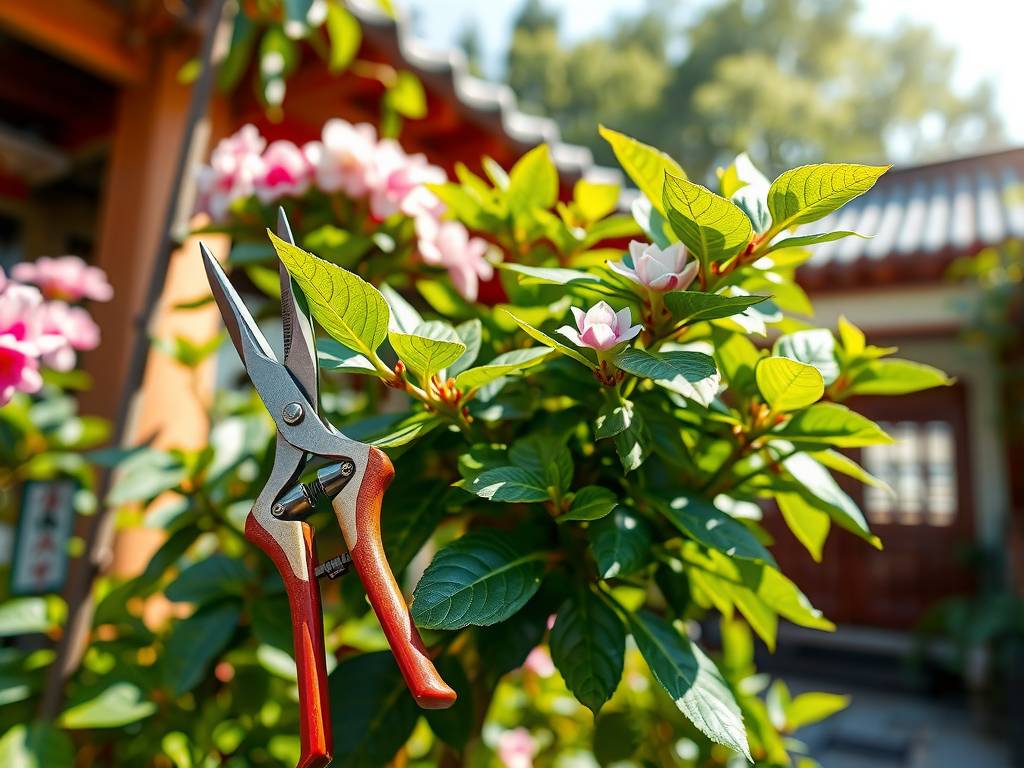
Understanding Your Jasmine's Growth Cycle
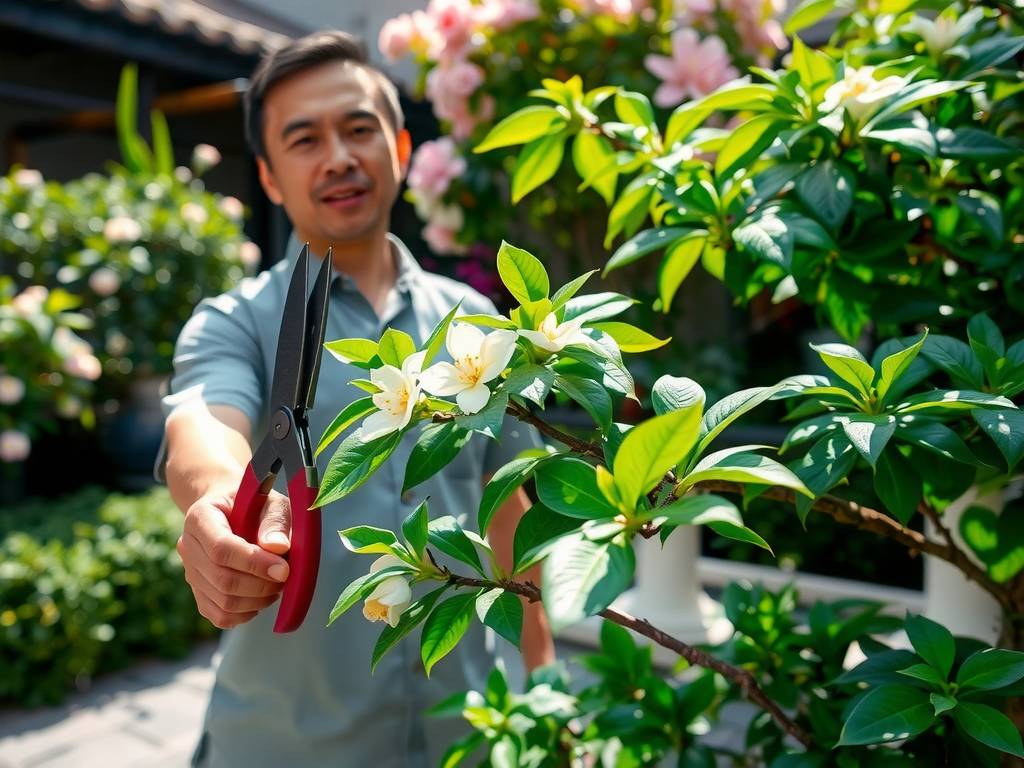
Before making the first cut, it's essential to understand why we prune at this specific time. Most common jasmine varieties, such as Jasminum officinale (Common Jasmine) and Jasminum polyanthum, bloom on "old wood." This means the flower buds for the next season begin to form on the growth produced in the current year, shortly after the blooming period ends.
Pruning immediately after the flowers fade allows you to shape the plant and encourage new, healthy growth without sacrificing next year's floral display. You are working with the plant's natural rhythm. As the Royal Horticultural Society (RHS) advises, "Prune jasmines after flowering to give the new growth time to mature and carry flowers the following season." This timing is critical for successful rejuvenation.
The Essential Tools for the Job
Using the right tools makes the job easier and is healthier for your plant. You will need:
- Bypass Pruners (Secateurs): For most cuts on stems up to ¾ inch in diameter. Ensure they are sharp and clean to make smooth cuts that heal quickly.
- Loppers: For thicker, older woody stems, typically over ½ inch, that are out of secateurs' range.
- Pruning Saw: For the oldest, toughest trunks at the base of an overgrown plant, if necessary.
- Gloves: Jasmine can have delicate stems, but protection is always wise.
- Disinfectant: Wipe down your tool blades with rubbing alcohol or a bleach solution before starting and when moving between plants. This prevents the spread of disease.
A clean, sharp cut is a healthy cut. Ragged tears from dull tools invite pests and pathogens.
Step-by-Step: The Hard Pruning Rejuvenation Process
Now, let's get to the core of post-bloom hard pruning for rejuvenation. This process is more than a light trim; it's a deliberate reset for your plant.
Assess Your Plant Begin by stepping back and looking at the overall structure. Identify:
- Dead, Diseased, or Damaged Wood: These are your first priority for removal. Cut them back to healthy tissue or to the main stem.
- Crossing or Rubbing Branches: These create wounds and block light. Remove the weaker of the two.
- The Oldest, Woodiest Stems: Look for the thickest, least productive canes. These often have fewer leaves and flowers. Their removal will stimulate new growth from the base.
Execute the Rejuvenation Cut For a true hard prune to rejuvenate jasmine, you will be cutting back significantly.
- Reduce Overall Size: Start by cutting back the longest, most unruly vines by one-third to one-half of their length. Make your cuts just above a set of leaves or a lateral branch that is pointing in a direction you want growth to follow (usually outward).
- Open the Center: Thin out the interior of the plant by removing some stems entirely at their point of origin. This improves air circulation and light penetration, which is vital for preventing disease and encouraging even growth. Aim to create an open, vase-like structure.
- Address the Base: For very old, neglected plants, don't be afraid to practice severe jasmine pruning. You can cut the entire plant back to within 12-18 inches of the ground. This may seem drastic, but jasmine is remarkably resilient. This approach, sometimes called "renewal pruning," is supported by the American Horticultural Society's (AHS) principles of rejuvenating overgrown shrubs. It forces the plant to produce vigorous new canes from the base.
Shape for the Future As you prune, keep your desired final shape in mind. Whether it's a neat mound, an elegant espalier, or a full climber, your cuts now direct future growth. Always cut to an outward-facing bud to encourage the plant to grow wider, not inward.
Immediate Aftercare: Supporting Recovery
Your jasmine has just had a major "surgery." Proper aftercare ensures it rebounds with strength.
- Watering: Provide a deep, thorough watering after pruning. This helps alleviate stress and supports new root and shoot growth. Continue to water consistently, allowing the soil to dry slightly between waterings.
- Fertilizing: About 4-6 weeks after pruning, feed your jasmine with a balanced, slow-release fertilizer. A formula with equal parts Nitrogen, Phosphorus, and Potassium (e.g., 10-10-10) promotes all-around healthy growth. Avoid high-nitrogen fertilizers, which can promote excessive leafy growth at the expense of flowers.
- Mulching: Apply a 2-3 inch layer of organic mulch (like compost or bark chips) around the base of the plant. This conserves moisture, suppresses weeds, and gradually enriches the soil as it decomposes. Keep the mulch a few inches away from the main stem to prevent rot.
Common Pruning Mistakes to Avoid
- Pruning at the Wrong Time: Late summer or fall pruning will remove the flower buds that have already formed, resulting in no blooms the next year.
- Being Too Timid: Light, hesitant pruning won't achieve the rejuvenation effect. It often just encourages more leggy growth at the tips.
- Making Flush Cuts: When removing an entire branch, do not cut flush with the main stem. Leave the slight swelling where the branch meets the stem (the branch collar), as this area contains tissues that facilitate proper healing.
- Neglecting Tool Hygiene: Dirty tools are a primary vector for plant diseases.
Troubleshooting: Signs Your Jasmine Needs Hard Pruning
How do you know if your plant is a candidate for this aggressive approach? Look for these signs:
- Sparse flowering at the ends of long, bare stems.
- A dense, tangled thicket of stems in the center.
- Significant areas of dead wood.
- The plant has become too large for its allotted space.
- Growth appears weak and spindly.
If you see these issues, a hard pruning for healthier jasmine is likely the best solution.
My jasmine didn't bloom much this year. Will hard pruning now help? Absolutely. Poor blooming is often a result of old, unproductive wood and insufficient light penetration into the plant's center. A hard prune removes this old growth, stimulates vigorous new canes, and opens up the plant's structure. These new canes are what will bear the most flowers in the upcoming seasons, making this a key step for rejuvenating blooming jasmine.
I have a star jasmine (Trachelospermum jasminoides). Is the pruning process the same? The principle is similar, but note that star jasmine is not a true jasmine (genus Jasminum), though its care is comparable. It also benefits greatly from pruning after its main bloom period. You can follow the same hard pruning guidelines to control size, shape, and encourage dense, new growth for a fuller plant next year.
How soon will I see new growth after a hard prune? You can expect to see new buds swelling and shoots emerging within 2 to 4 weeks after pruning, provided it's done during the active growing season (post-bloom in spring/early summer). The plant will direct its energy into this new growth, and by mid to late summer, you should have a much greener, bushier plant.
Post-bloom hard pruning is an act of confidence and foresight in the garden. It may feel drastic as you watch those seemingly healthy stems fall away, but this practice is rooted in the natural cycle of growth and renewal. By strategically removing the old, you make space for the new—healthier, stronger, and more floriferous growth. With the right timing, sharp tools, and a clear plan, you transform your jasmine from a fading beauty into a plant poised for its best performance yet. The reward will be a rejuvenated plant, covered in fragrant blooms, season after season.