bluename
 How to Care for Schlumbergera - Post-Bloom Pruning for More Branches & Blooms
You've just enjoyed the spectacular floral display of your Schlumbergera, commonly known as the Christmas or holiday cactus. The vibrant blooms have faded, and now you're left with a plant that might look a little tired or leggy. This is a crucial moment. Many plant owners simply return their cactus to its usual spot and resume normal watering, missing a golden opportunity. The secret to a fuller, bushier plant that explodes with even more flowers next season lies in one simple practice: strategic post-bloom pruning. Without it, your Schlumbergera may become sparse, with long, drooping segments and fewer blooms each year. This guide will walk you through the exact steps of post-bloom pruning for Schlumbergera to encourage branching and maximize future flowering.
Why Pruning Your Holiday Cactus After Flowering is Essential
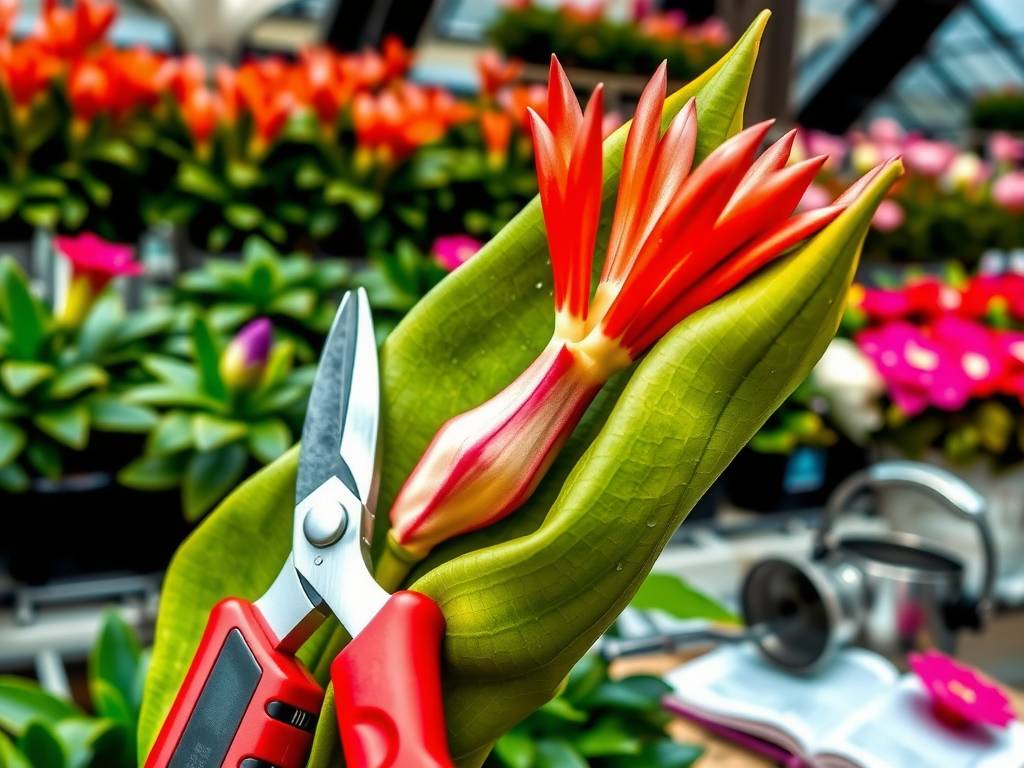
Pruning isn't just about controlling size; it's about directing the plant's energy. After blooming, Schlumbergera enters a period of active growth. By pruning, you signal the plant to focus its resources on creating new growth points rather than sustaining long, old stems.
The primary benefits are twofold. First, it promotes branching for a fuller cactus. Each cut you make encourages the development of two or more new segments from the pruned point, transforming a single stem into several. Second, it directly leads to more blooms on Schlumbergera. Flower buds form on the tips of new, healthy segments. More branches mean more tips, which equates to a dramatically increased potential for blossoms in the next cycle. The Royal Horticultural Society (RHS) notes that light pruning after flowering helps maintain a compact shape and vigor in many houseplants, including epiphytic cacti like Schlumbergera.
The Best Time to Prune for Optimal Results
Timing is everything. The ideal window for pruning is in late spring, after the plant has completely finished flowering and as it naturally begins its main growth phase. This typically falls between April and May. Pruning at this time gives the plant the entire growing season to produce new segments, which will mature and be ready to set buds for the winter bloom. Avoid pruning in late summer or fall, as you risk removing segments that are already developing flower buds.
A Step-by-Step Guide to Post-Bloom Pruning
Gather your tools: a pair of clean, sharp scissors or precision pruners. Wiping the blades with rubbing alcohol minimizes the risk of transmitting disease.
Step 1: Assess Your Plant's Structure Take a good look at your Schlumbergera. Identify long, unbranched stems, any segments that appear thin, weak, or damaged, and areas where the plant looks sparse. Your goal is to create a balanced, rounded shape.
Step 2: Making the Correct Cut The magic happens at the segment joints. Locate a "Y" shaped junction where two segments meet. To encourage branching, you will remove one or two segments above this junction. Pinch or cut at the narrow joint between segments. The American Horticultural Society (AHA) emphasizes making clean cuts at natural articulation points to promote quick healing and new growth. You do not need to cut deeply into the plant; simply removing one or two segments from the end of a long stem is sufficient.
Step 3: How Much to Prune You can be quite generous. It's generally safe to remove up to one-third of the plant's overall length if it's very overgrown. For routine maintenance, simply tipping back the longest stems is effective. Remember, each cut is an invitation for new growth.
Step 4: Post-Pruning Care After pruning, hold off on watering for about a week to allow the cut ends to callus over and prevent rot. Then, resume your regular care routine. This is also an excellent time to start fertilizing. Use a balanced, water-soluble fertilizer (such as a 10-10-10 or 20-20-20) diluted to half-strength every 2-4 weeks during spring and summer to fuel the new growth.
Propagating Your Cuttings for New Plants
Don't throw those pruned segments away! They are perfect for propagation. Allow the cut ends to dry and callus for a day or two. Then, insert the base of a segment (about one segment deep) into a pot filled with a moist, well-draining mix (like a blend for cacti or perlite and potting soil). Place in bright, indirect light and keep the soil lightly moist. In a few weeks, they will root and grow into brand new Schlumbergera plants—a wonderful way to share with friends or expand your own collection.
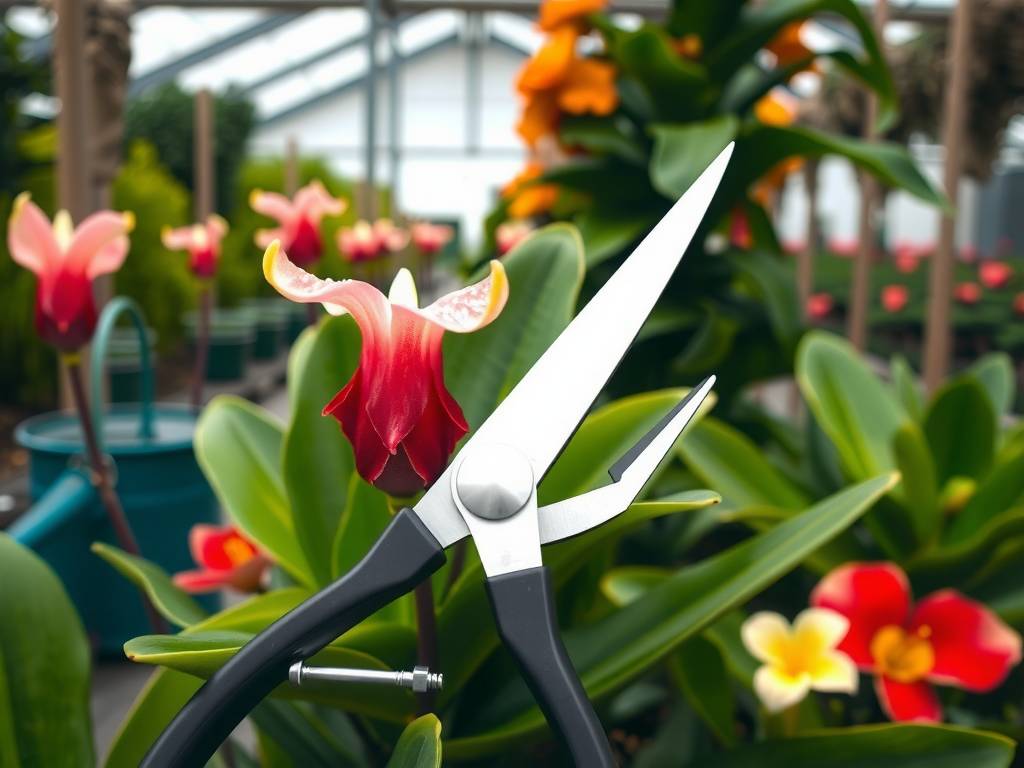
Optimizing Overall Care for Maximum Flowering
Pruning is the catalyst, but overall care sets the stage. After pruning and during the growth period, provide bright, indirect light. Too much direct sun can scorch the leaves. As fall approaches (around September or October), to trigger blooming in holiday cactus, you need to simulate the shorter days and cooler nights of its natural habitat. For about 6-8 weeks, provide 12-14 hours of uninterrupted darkness each night and cooler temperatures between 50-60°F (10-15°C). Reduce watering slightly during this bud-setting period. Once buds form, return the plant to its normal light and temperature conditions.
Troubleshooting Common Post-Pruning Issues
If new growth is slow, ensure the plant is getting enough bright light and consider a light application of fertilizer. If a cut segment appears mushy, it may have been overwatered before callusing; remove it and let the soil dry out more between waterings. The key is patience; new segments will appear from the pruned joints in a matter of weeks.
Frequently Asked Questions
My Schlumbergera hasn't bloomed in years, will pruning help? Absolutely. Pruning stimulates the new growth that produces flowers. Combined with proper fall light and temperature conditions for bud set, post-bloom pruning is one of the most effective ways to revive a non-blooming holiday cactus.
Can I prune my holiday cactus if it's about to bloom or is blooming? No. You should always wait until the flowering cycle is completely finished. Pruning during bud formation or bloom will remove the current season's flowers.
How often should I repot my Schlumbergera, and does it relate to pruning? Repot every 2-3 years in spring, ideally after pruning, using a fresh, well-draining potting mix. A slightly pot-bound plant often blooms more readily, so only move up one pot size if necessary. Pruning can be done independently of repotting if the plant doesn't need a new pot.
Mastering the care of your Schlumbergera, especially the practice of post-bloom pruning, transforms it from a seasonal novelty into a thriving, architectural houseplant that rewards you with a more impressive display each year. By strategically pruning after flowering, you directly influence its shape and flowering potential. Pair this with consistent seasonal care—adequate light during growth, and proper light and temperature cues in fall—and you unlock the full potential of this classic holiday plant. The effort you put in during the spring and summer months is what builds the foundation for a breathtaking winter spectacle.