bluename
 How to Care for Hyacinth Bulbs After Blooming for Spectacular Flowers Next Year
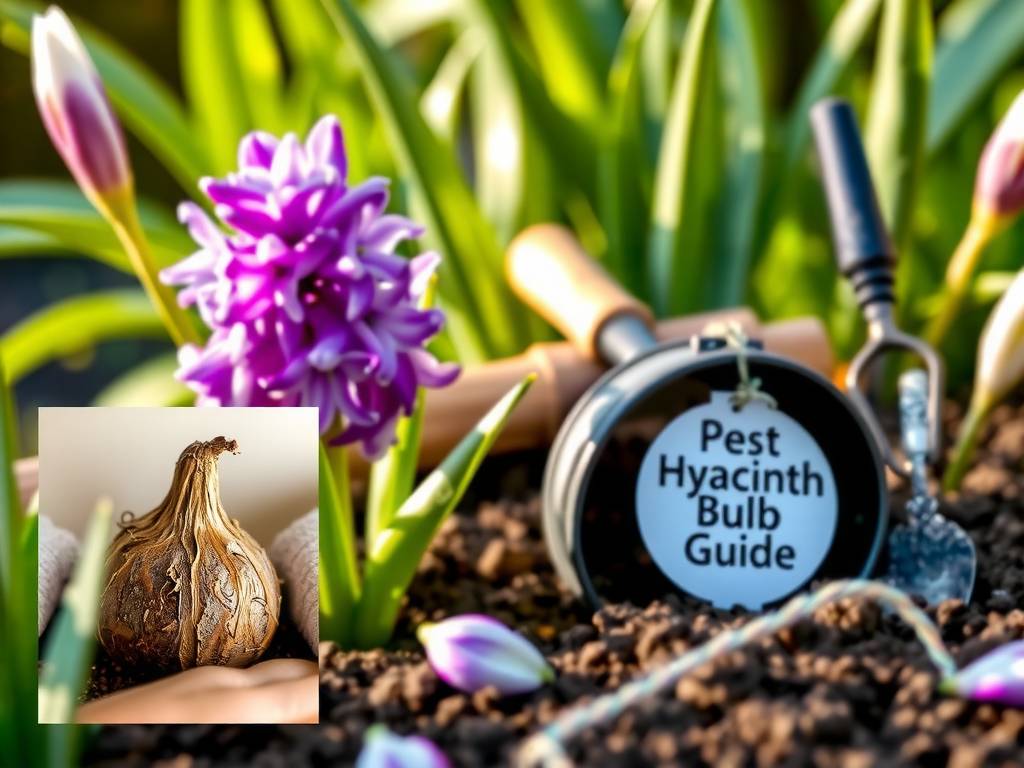
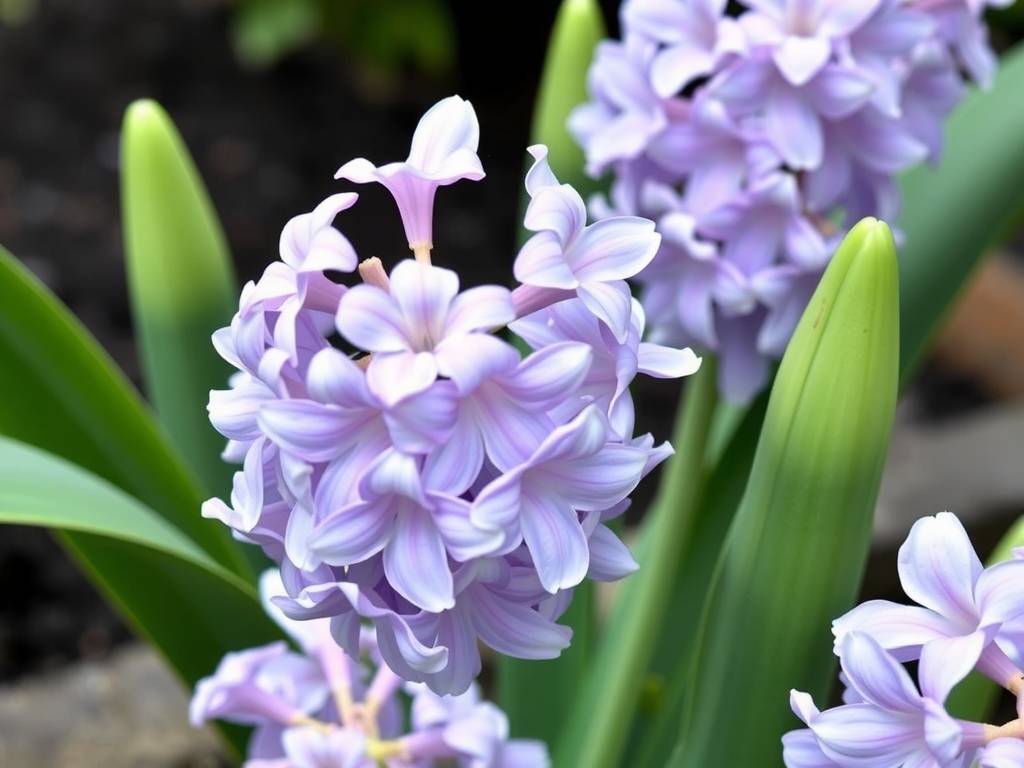
You’ve just enjoyed the vibrant colors and intoxicating fragrance of your blooming hyacinths. Now, the flowers are fading, and you’re left wondering what to do next. This is the most common dilemma for gardeners: should you toss the bulbs or can you save them? The good news is, with proper post-bloom bulb care, you can successfully nurture your hyacinth bulbs to bloom again next season. This guide will walk you through every step, transforming what seems like a complex process into a simple, rewarding routine. By investing a little time now, you ensure another stunning display of spring color, saving money and continuing the lifecycle of your beautiful plants.
Understanding the Hyacinth’s Natural Cycle is Key

To care for hyacinths after flowering, it’s helpful to think like the bulb itself. The blooming period is the grand finale of energy expended. Once the show is over, the plant enters a critical recovery and storage phase. The leaves are its solar panels, and the bulb is its pantry. Post-bloom care for hyacinths is essentially about supporting these two functions: allowing the foliage to photosynthesize as long as possible to recharge the bulb’s internal “battery” for next year’s flowers.
Neglecting this phase is the primary reason many forced or garden hyacinths fail to rebloom robustly. They simply run out of energy. According to horticultural experts at the American Horticultural Society (AHA), the post-bloom period is arguably more important for perennial success than the bloom time itself. It’s a period of quiet work beneath the soil.
Step-by-Step: Your Hyacinth Aftercare Action Plan
Immediate Care After Flowers Fade
Your first task begins as soon as the colorful flower spike starts to wither. Using clean, sharp scissors or pruners, snip off the spent flower stalk. Make your cut at the base, just above where the stalk emerges from the foliage. This process, called deadheading, is crucial. It prevents the plant from wasting precious energy on producing seeds and redirects all resources back into the bulb.
Crucially, do not cut back the green, strappy leaves. This is the most common mistake. The leaves must remain intact, attached, and healthy. They are now the sole source of energy production for the bulb. Think of this as the bulb’s recharge period.
The Critical "Leaf Recharge" Period
For the next 6 to 8 weeks, your job is to nurture the leaves. If your hyacinths are in a pot indoors, continue to provide bright, indirect light and water when the top inch of soil feels dry. You can even apply a diluted, balanced liquid fertilizer (like a 10-10-10 formula) once or twice during this period to give them an extra boost. This feeding supports the hyacinth bulb storage process internally.
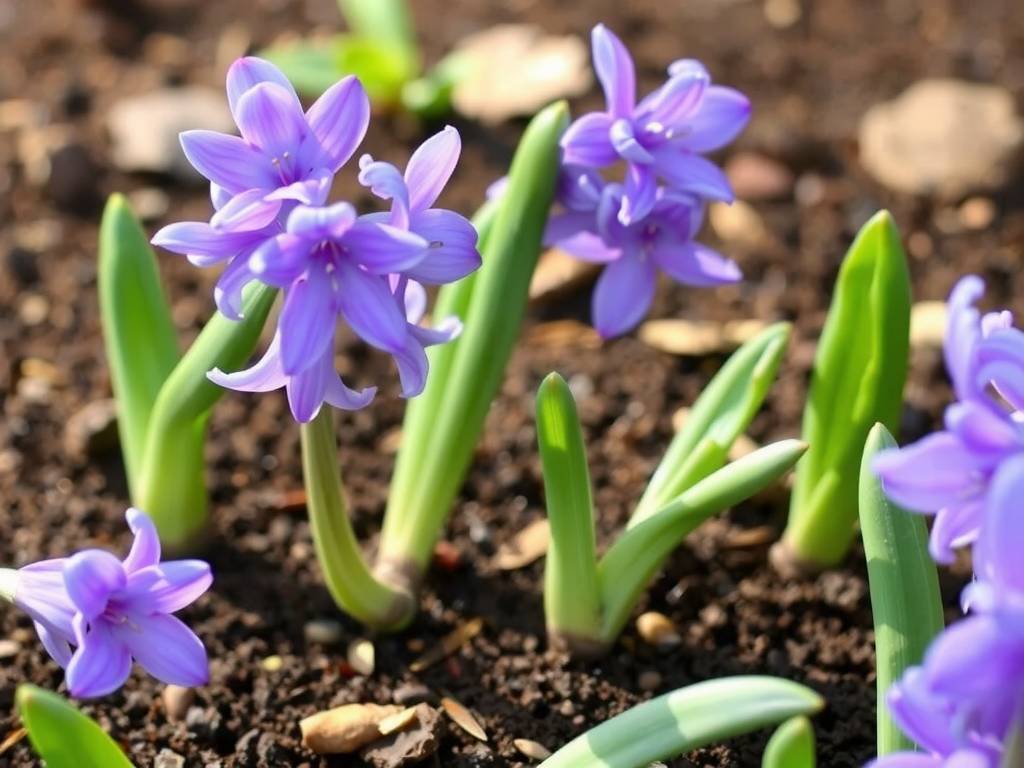
For garden-planted hyacinths, care is similar. Keep the soil moderately moist if spring rains are lacking and consider a light application of a bulb-specific fertilizer or bone meal around the base of the plants. Allow the leaves to grow unimpeded until they naturally begin to yellow, wilt, and die back. This yellowing is a sign that the recharge is complete.
To Dig or Not to Dig: Preparing for Dormancy
Once the foliage has turned completely yellow and brown and can be easily pulled away with a gentle tug, the bulb has entered dormancy. Now, your approach depends on your climate and goals.
-
In-Ground Bulbs (in Suitable Climates): If you live in a region with cold winters (USDA zones 3-7), you can often leave hardy hyacinth bulbs in the ground. They require a period of chilling to initiate future blooms. Ensure they are planted in well-draining soil to prevent rot over the wet winter months. A light mulch can help regulate soil temperature.
-
Lifting and Storing Bulbs: In warmer climates (zones 8 and above) where winter chill is insufficient, or if you need to clear the garden bed, lifting and storing bulbs is the best practice for ensuring future hyacinth blooms. It’s also ideal for saving forced potted bulbs.
- Gently dig up the bulbs with a garden fork, being careful not to pierce them.
- Brush off excess soil and let them cure in a single layer in a warm, dry, airy, and shaded place (like a garage or shed) for about a week.
- After curing, remove any remaining dried foliage. Inspect bulbs, discarding any that are soft, diseased, or damaged.
- Place healthy bulbs in a mesh bag, paper bag, or a box filled with slightly moist peat moss, vermiculite, or wood shavings. The Royal Horticultural Society (RHS) recommends storing them in a cool, dark, and well-ventilated location. An ideal storage temperature is between 60-68°F (15-20°C) for the initial period, followed by a pre-planting chill.
The Essential Chill: Triggering Next Year’s Blooms
Hyacinths, like many spring bulbs, require a sustained period of cold (vernalization) to reset their internal clock and develop flower embryos. For next year’s hyacinth blooms, this is non-negotiable.
- For Stored Bulbs: About 10-12 weeks before your desired spring planting time, move your storage container to a colder environment. A refrigerator crisper drawer (away from fruits that emit ethylene gas) is perfect, maintaining a steady 35-48°F (2-9°C). This mimics a winter chill.
- For In-Ground Bulbs: Nature provides this chill automatically. Ensure the planting location is not subject to warm spells that could interrupt dormancy.
Replanting for Success
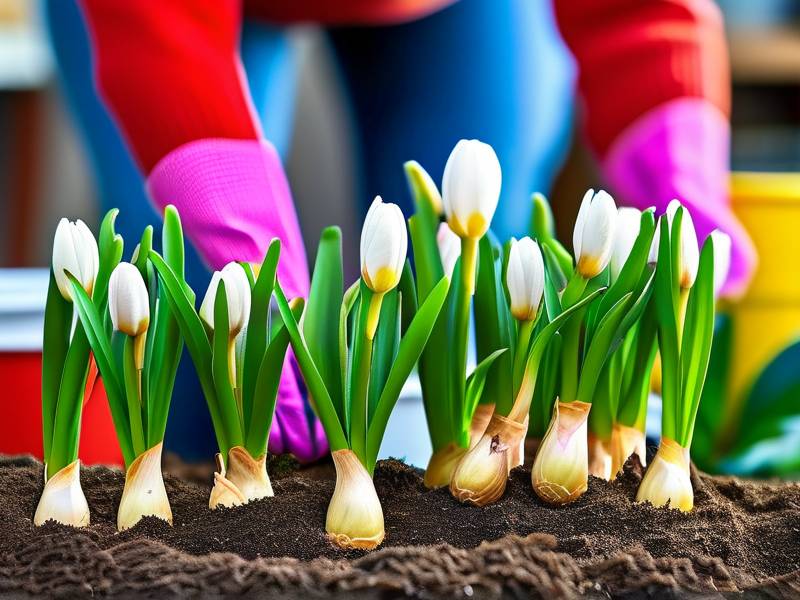
After the chilling period is complete, it’s time to replant. The best time is in the fall, before the ground freezes. Choose a sunny to partly sunny location with excellent drainage. Plant bulbs pointy-end up, at a depth of about 4-6 inches (10-15 cm), spaced 3-4 inches apart. Water them in after planting. Then, wait patiently. The bulbs will develop roots in the fall, rest through the winter chill, and be primed to send up fresh, fragrant blooms when spring arrives.
Troubleshooting and Pro Tips for Better Blooms
Sometimes, even with care, blooms the second year may be smaller or looser than the first. This is normal, especially for heavily forced indoor bulbs. They often return to a more natural, slightly less formal shape. To encourage the best possible hyacinth reblooming, ensure they get full sun during their growth phase and are never waterlogged. Rodent protection can also be necessary, as voles and squirrels sometimes target bulbs.
My hyacinth leaves are flopping over. Should I tie them up? It’s best to leave them alone. Tying them can restrict sunlight and air circulation. If they are excessively floppy, you can gently gather them with a loose, wide tie, but never bind them tightly. They need to photosynthesize freely until they yellow.
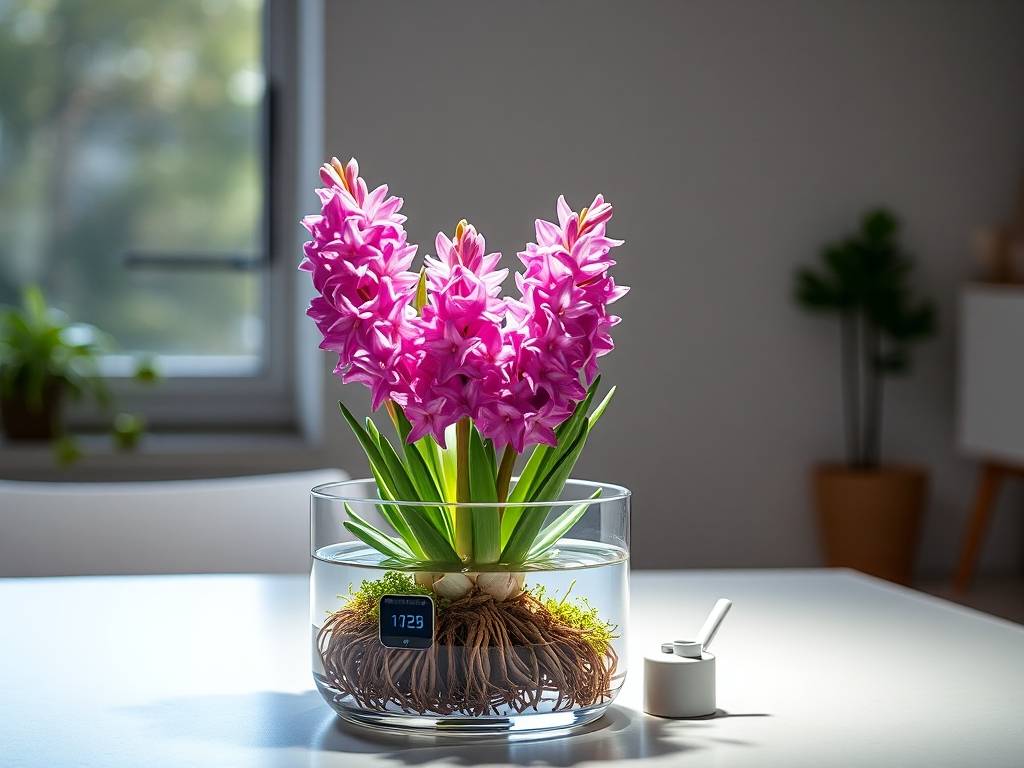
Can I save hyacinths that were grown in water (in a vase)? It is very challenging. These bulbs expend tremendous energy and are often too depleted to recover. You can try planting the bulb in soil after the flowers fade and following the leaf-care steps, but success rates are low. It’s often more rewarding to compost them and start with fresh bulbs in the fall.
How many years will a hyacinth bulb rebloom? With excellent post-bloom care, a hyacinth bulb can reliably rebloom for 3-4 years, and sometimes longer. The flower spikes may become slightly looser and more natural-looking over time, but they will still provide wonderful color and fragrance. Eventually, bulbs may naturally decline and can be replaced.
The journey from a fading flower to a future bloom is a lesson in patience and trust in nature’s process. By providing thoughtful care after the show—prioritizing the leaves, ensuring proper dormancy, and meeting the chilling requirement—you actively partner with your plants. This cycle of care doesn’t just save you money; it deepens your connection to your garden, turning a single spring spectacle into a perennial tradition. Your reward will be those first green tips emerging from the cold soil, promising another season of vibrant color and sweet fragrance, all thanks to the care you provided months before.