 bluename
 How to Care for Orchids: Master Ventilation Control to Prevent Stem Rot
You’ve carefully chosen your orchid, found the perfect spot with indirect light, and mastered a watering routine. Yet, you notice a disheartening sight: a yellowing, softening stem, or worse, black spots creeping up from the base. This is often stem rot, a silent killer of many otherwise healthy orchids. While overwatering is frequently blamed, the true, often-overlooked culprit is inadequate air circulation. Stagnant, humid air around your plant creates a breeding ground for fungal and bacterial pathogens, leading to this devastating condition. This guide will delve deep into the critical role of ventilation in orchid care, providing you with a clear, actionable strategy to prevent stem rot and ensure your orchids thrive.
Understanding the Orchid’s Natural Habitat and Its Needs
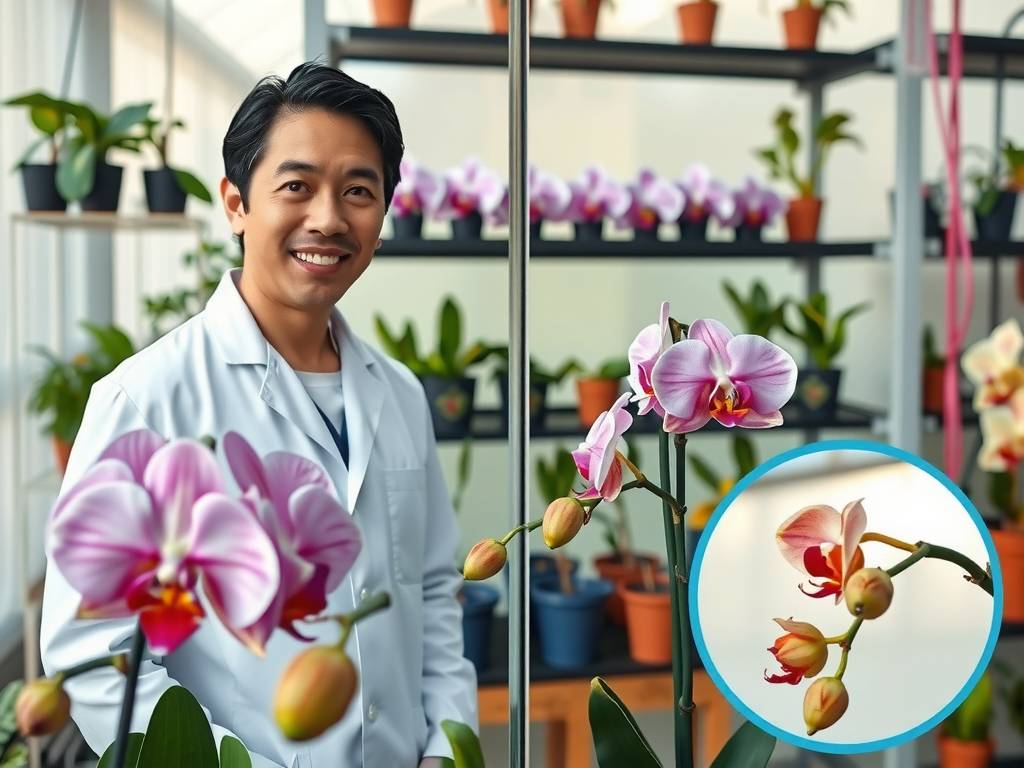
To care for orchids successfully, we must first look to their origins. Most popular orchids, like Phalaenopsis and Cattleyas, are epiphytes. In nature, they don’t grow in soil but cling to tree branches in tropical and subtropical forests. Their roots are exposed to breezes, drenched by rain, and then dried quickly by moving air. This constant cycle of wet and dry is crucial. The American Orchid Society (AOS) consistently emphasizes that “good air movement is as vital as correct watering” for preventing disease. Stagnant air mimics the conditions of a sealed terrarium, where moisture lingers on leaves and in the crown (where leaves meet the stem), inviting rot to take hold.
Why Ventilation is Your Best Defense Against Stem Rot
Stem rot, particularly crown rot or basal stem rot, is primarily caused by pathogens like Phytophthora or Pythium. These organisms thrive in waterlogged conditions with minimal air flow. When you water your orchid, droplets can collect in the leaf axils and the crown. Without adequate air movement, this water sits for hours or even days. This creates the perfect, stagnant micro-environment for spores to germinate and infect the plant tissue, leading to the characteristic soft, mushy, and discolored stem.
Proper ventilation serves multiple protective functions:
- Promotes Rapid Drying: It accelerates the evaporation of excess water from the potting medium, leaf surfaces, and the plant’s crown after watering.
- Strengthens Plant Tissue: Gentle, consistent air movement encourages the development of stronger, more resilient cellular structures in leaves and stems.
- Equalizes Temperature: It prevents the formation of hot or cold spots around the plant, reducing stress.
- Deters Pests: Many pests, such as spider mites, prefer still, dry air. A gentle breeze makes the environment less hospitable for them.
Practical Strategies for Optimal Air Circulation
Creating the right air flow doesn’t require hurricane-force winds. The goal is a gentle, consistent breeze that mimics a natural forest airflow.
Strategic Placement and Room Airflow Begin by assessing your orchid’s location. Avoid placing it in a dead corner of a room or on a shelf crammed against a wall. Position it where it can benefit from the natural movement of air in your home. A spot near an interior doorway or in a room with a ceiling fan set on low can be ideal. Be mindful of direct drafts from heating or air conditioning vents, as sudden blasts of hot or cold air can cause bud blast and dehydration.
Utilizing Oscillating Fans for Indoor Orchid Care For dedicated growing areas or rooms with poor natural airflow, a small oscillating fan is an excellent investment. Set it on the lowest speed and position it so that it gently moves air above and around your orchids, not directly blasting them. The leaves should sway slightly. Running the fan for several hours during the day, especially after watering, is highly effective. Many expert growers, as noted in resources from the Royal Horticultural Society (RHS), recommend fans as a standard tool for maintaining plant health in greenhouses and indoor setups.
Choosing the Right Pot and Potting Mix Ventilation isn’t just about the air around the leaves; it’s critically important for the roots. Your choice of pot and medium directly impacts root zone aeration.
- Pots: Always use pots with ample drainage holes. Clear plastic pots are popular for orchids as they allow you to monitor root health. Many also feature additional side slits or are designed as “orchid pots” with raised bases and ventilation grids to maximize air flow to the root system.
- Potting Mix: Never use regular potting soil. Orchids require a chunky, fast-draining medium. A typical mix includes components like fir bark, sphagnum moss (used sparingly for moisture retention), perlite, and horticultural charcoal. This chunky structure creates countless air pockets, allowing oxygen to reach the roots and enabling the medium to dry out appropriately between waterings. Repotting every 1-2 years is essential, as the organic components break down and compact, reducing aeration.
The Balancing Act: Humidity and Air Movement Orchids enjoy humidity, often between 40-70%. However, high humidity without air movement is a recipe for disaster. If you use a humidity tray or a humidifier, incorporating a fan becomes even more critical. The moving air will distribute the humid air evenly and prevent it from becoming stagnant around any single plant. This balance is key to mimicking the fresh, moist breezes of their native habitats.
Integrating Ventilation into Your Overall Care Routine
Ventilation control should not be an afterthought; it is a core pillar of orchid care, intertwined with watering and light.
Watering in Harmony with Air Flow Your watering frequency must account for your ventilation levels. A plant in a breezy location with a chunky mix will dry out faster than one in still air. Always check the medium before watering—the top should feel dry, and the pot should feel light. Water thoroughly in the morning, so any splashed leaves have the entire day with active air movement to dry completely. Avoid getting water in the crown of Phalaenopsis; if you do, use a paper towel to wick it out or gently tip the plant to drain it.
Recognizing Early Signs of Trouble Even with good practices, monitor your plants closely. Early signs of poor ventilation include:
- Persistently wet potting media days after watering.
- Water spots or a slimy feel on leaves.
- The very first signs of stem softening or a black spot at the base. At the earliest symptom, immediately increase air circulation, ensure the plant is drying properly, and consider applying a fungicide labeled for orchids as a preventative measure.
What should I do if I already see stem rot on my orchid? Act immediately. With a sterile tool (like a razor blade disinfected with rubbing alcohol), cut away all the soft, mushy, or blackened tissue until you reach only firm, healthy stem. Dust the cut area with cinnamon (a natural fungicide) or a commercial orchid fungicide. Place the plant in a location with excellent air flow to help the wound callus over. You may need to repot into fresh, dry medium. Be prepared that severe rot may be fatal, but early intervention can save the plant.
Can I use any type of fan for my orchids? A simple, small oscillating fan is perfect. Avoid high-velocity fans like desk fans set on high, as they can dehydrate the plant too quickly and cause physical damage. The goal is a gentle breeze. Some growers also use small, USB-powered computer fans for terrariums or small growing cabinets to provide constant, mild air movement.
How do I provide ventilation for orchids in a terrarium or display case? This is a common challenge. Enclosed spaces absolutely require active ventilation. Small, quiet computer fans can be installed at the top or back to create an airflow circuit—pulling in fresh air and expelling stale, humid air. Without this, condensation will build up, and rot is almost guaranteed. The RHS advises that for any enclosed growing space, “mechanical air movement is non-negotiable for plant health.”
Mastering orchid care is a rewarding journey of understanding the subtle balance of their needs. By prioritizing ventilation control—through strategic placement, the judicious use of fans, selecting breathable pots and media, and balancing it with humidity—you build a robust defense against the threat of stem rot. This proactive approach, championed by horticultural authorities, addresses the root cause rather than just the symptoms. When you provide that gentle, forest-like breeze, you are giving your orchid one of the most critical elements it craves: the breath of life that keeps it healthy, strong, and blooming beautifully for years to come.





