bluename
 How to Care for Aloe Vera Barbadensis - Post-Harvest Recovery Tips
You've just harvested a few plump, gel-filled leaves from your beloved Aloe Vera Barbadensis plant. The satisfaction is real. But now, you're staring at the remaining plant, noticing the fresh cut ends and wondering, "Did I harm it? What's next?" This moment of uncertainty is a common pain point for many plant enthusiasts. The truth is, improper care after harvesting is one of the leading causes of aloe vera plant decline, often leading to rot, stunted growth, or even plant death. But don't worry. With the right post-harvest recovery tips, your Aloe Vera Barbadensis can not only heal quickly but come back stronger, ready for future harvests. This guide is designed to walk you through every critical step, ensuring your plant thrives long after you've collected its beneficial gel.
Understanding the plant's state immediately after harvest is crucial. An Aloe Vera Barbadensis leaf is a water-storing organ. When you cut it, you create an open wound. The plant's immediate physiological response is to seal that wound to prevent water loss and block pathogens. Your care routine must support this natural healing process. According to principles outlined by horticultural authorities, post-harvest stress management is key to perennial plant longevity. Let's dive into the actionable steps for optimal recovery.
Immediate Aftercare: The First 48 Hours Are Critical
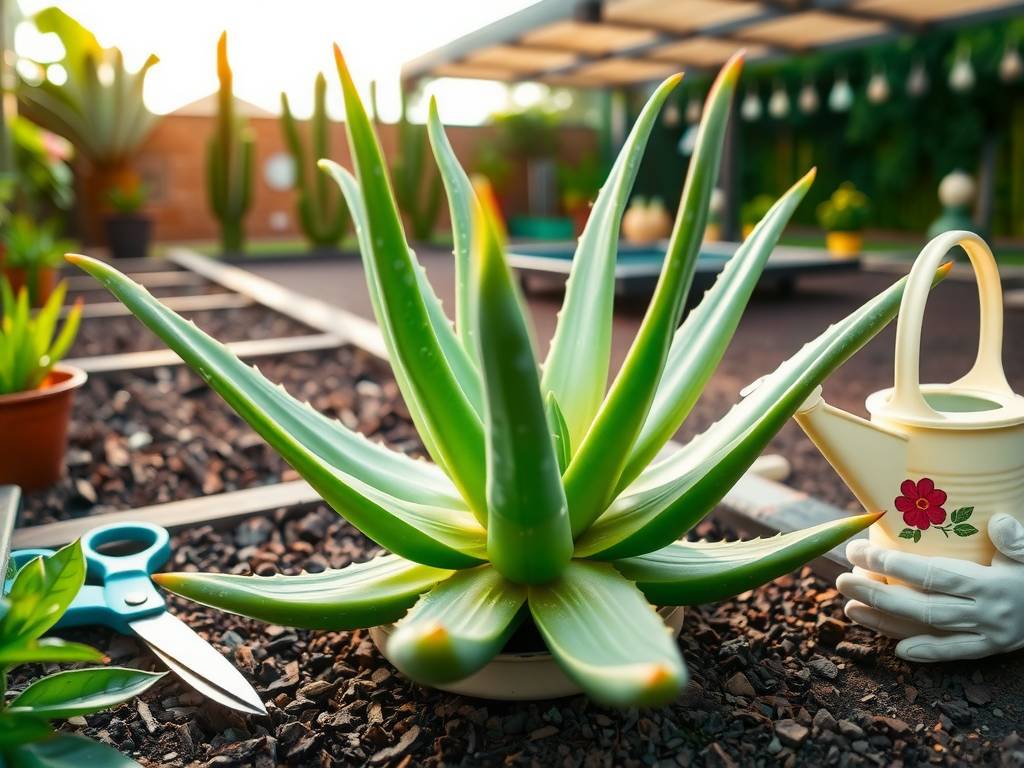
Right after making your harvest, the focus shifts to the plant itself. Your first action should be to leave it completely alone. Do not water it. This is the most common mistake. The open wound needs to callous over, and introducing moisture to the soil increases the risk of bacterial or fungal infection entering through the fresh cut.
Place the plant in a location with bright, indirect light. Avoid direct, harsh sunlight for the first week, as the plant is in a slightly stressed state and direct sun can scorch it or increase transpiration (water loss). Good air circulation around the plant is also beneficial, as it helps the cut end dry evenly and prevents damp, stagnant conditions that foster disease.
The Art of Watering During Recovery
Resuming watering requires patience. Wait at least 7 to 10 days before even considering the watering can. You want the cut end on the plant to be fully dry and calloused, forming a hard, scab-like layer. To check, gently touch the area; it should feel dry and firm, not soft or moist.
When it's time for the first post-harvest drink, employ the "soak and dry" method thoroughly. Water the soil deeply until it runs out of the drainage holes, ensuring the entire root ball is moistened. Then, allow the soil to dry out almost completely before watering again. Aloe Vera Barbadensis is exceptionally drought-tolerant, and during recovery, it's better to err on the side of underwatering. Overwatering is the fastest way to cause root rot, especially when the plant's defenses are focused on healing above-ground wounds.
Optimal Soil and Fertilization for Healing and Regrowth
The right soil mix acts as your first line of defense. Aloe vera requires a gritty, extremely well-draining succulent or cactus mix. If your soil retains too much moisture, consider amending it with additional perlite or coarse sand. A proper soil structure ensures that water doesn't pool around the roots, giving the plant a stable, dry foundation to recover.
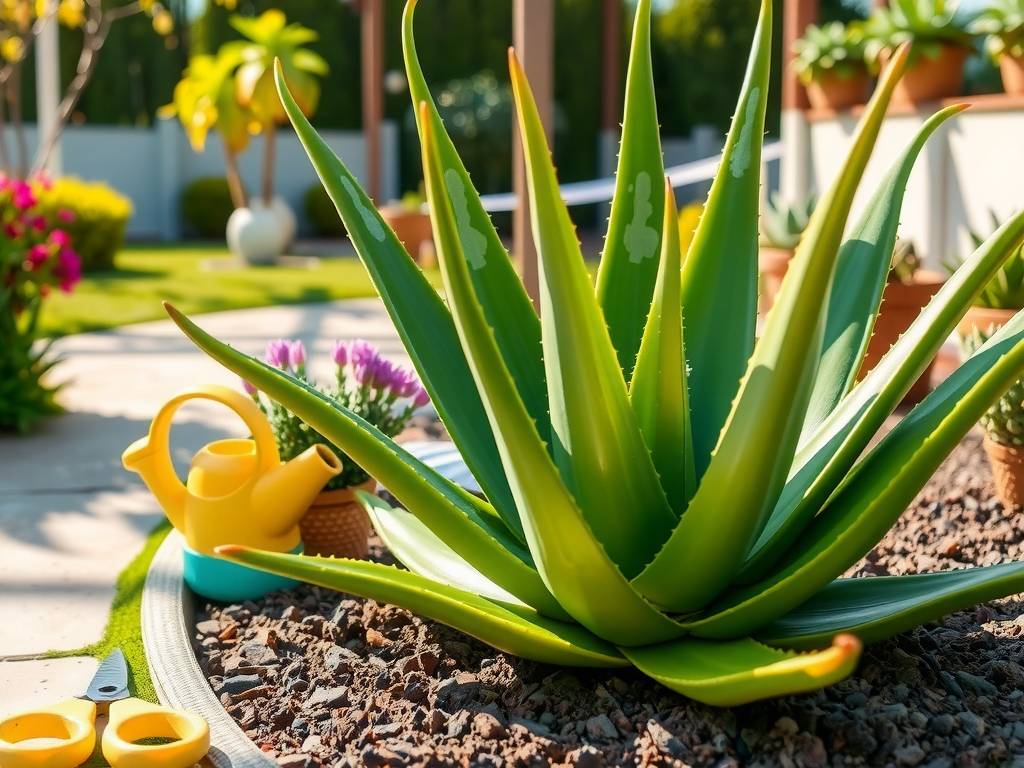
Hold off on fertilization for at least one month after harvesting. The plant is not in a primary growth phase; it's in a healing and stabilization phase. Fertilizing too soon can force new growth at the expense of root recovery and can even "burn" the sensitive roots. After a month, you can apply a balanced, diluted succulent fertilizer (half-strength) to support new leaf development. The Royal Horticultural Society (RHS) advises that feeding stressed plants can do more harm than good, emphasizing the need for a recovery period first.
Monitoring for Signs of Trouble and How to Respond
Vigilance is your best tool. In the weeks following a harvest, monitor your Aloe Vera Barbadensis closely for two main issues: rot and pests.
Signs of rot include a softening of the stem near the base, leaves turning brown and mushy (not dry and crispy), or a foul smell from the soil. If you suspect rot, you must act immediately. Unpot the plant, remove all soft, rotten parts with a sterile knife, and let it air dry for a day or two before repotting into fresh, dry soil. Do not water for another week after repotting.
Pests like mealybugs or scale can be more attracted to a stressed plant. Inspect the undersides of leaves and leaf axils. If found, treat promptly with insecticidal soap or neem oil, following product instructions. A healthy, recovering plant is better able to withstand minor pest issues.
Long-Term Strategies for a Healthier, More Productive Plant
Your care after harvest directly impacts the plant's future vigor and your next harvest. Once fully recovered, ensure your aloe receives plenty of bright light (including some direct sun), which encourages compact, sturdy growth. Rotate the pot periodically for even exposure.
Only consider harvesting again when the plant is visibly thriving, showing multiple new leaves that have reached a good size. A good rule of thumb is never to remove more than one-third of the plant's healthy leaves at one time. This sustainable harvesting practice, supported by sustainable gardening guidelines, ensures the plant maintains enough photosynthetic capacity to support itself and regenerate.
Why do the cut leaves on my aloe plant look brown and dried? This is perfectly normal and a sign of successful healing. The plant is forming a callous over the wound to seal it. This dry, brown layer protects the inner tissue from infection and water loss. Do not pick at it or try to remove it.
Can I propagate new plants from the harvested leaf? While a common question, propagating Aloe Vera Barbadensis from a single leaf cutting is notoriously difficult and has a very low success rate. The leaves tend to rot before forming roots. The most reliable propagation method is by separating the "pups" or offsets that grow at the base of a mature mother plant.
How long until I can harvest leaves again? The recovery and regrowth period depends on your plant's overall health, size, and growing conditions. Typically, you should wait at least 2-3 months, or until the plant has produced several new, mature leaves to replace the ones taken. Patience ensures the plant's long-term health.
Caring for your Aloe Vera Barbadensis after a harvest is a testament to mindful plant stewardship. By prioritizing the plant's need to heal before pushing for new growth, you build a more resilient specimen. The steps are simple: let wounds callous, water with profound caution, provide stable light, and resist the urge to fertilize prematurely. This thoughtful approach minimizes stress, prevents disease, and sets the stage for many more years of lush growth and beneficial harvests. Your aloe plant is a resilient survivor; with these post-harvest recovery tips, you're simply giving it the safe space it needs to do what it does best—thrive.