bluename
 How to Care for Cylindrical Snake Plant - Sufficient Light for Erect Leaves
Have you noticed your once proud, upright cylindrical snake plant starting to slump or fan out? Are the characteristic spear-like leaves losing their rigid, architectural form? This common frustration often stems from one key, yet frequently misunderstood, aspect of care: light. Achieving that perfect, statuesque growth with perfectly erect leaves is simpler than you think when you master the principle of sufficient light.
This guide will demystify the light requirements for your cylindrical snake plant (Sansevieria cylindrica), transforming your care routine from guesswork into a science. We’ll move beyond basic survival to cultivate a plant that is not just alive, but thriving with strong, upright growth.
Understanding Your Cylindrical Snake Plant’s Natural Habitat
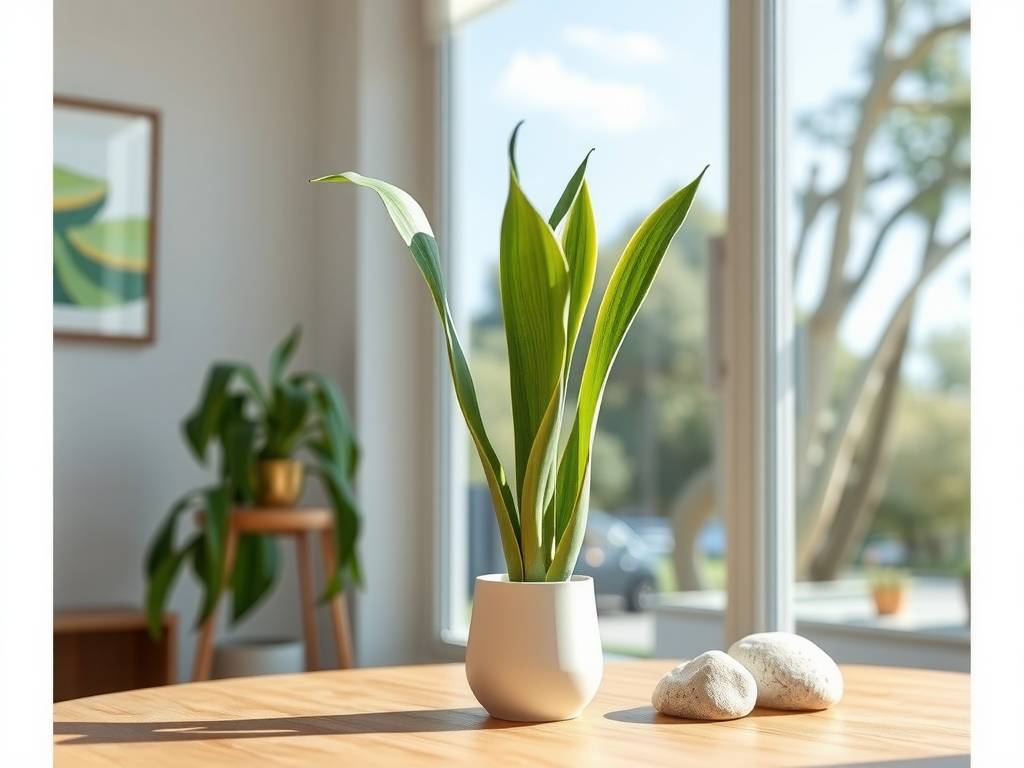
To replicate ideal conditions, we must first look to its origins. The cylindrical snake plant hails from the arid landscapes of Angola. In its native environment, it endures intense, direct sunlight, but also periods of bright, dappled light. It has evolved to store water in its cylindrical leaves and can tolerate drought, but it fundamentally craves bright light to fuel its growth and maintain structural integrity.
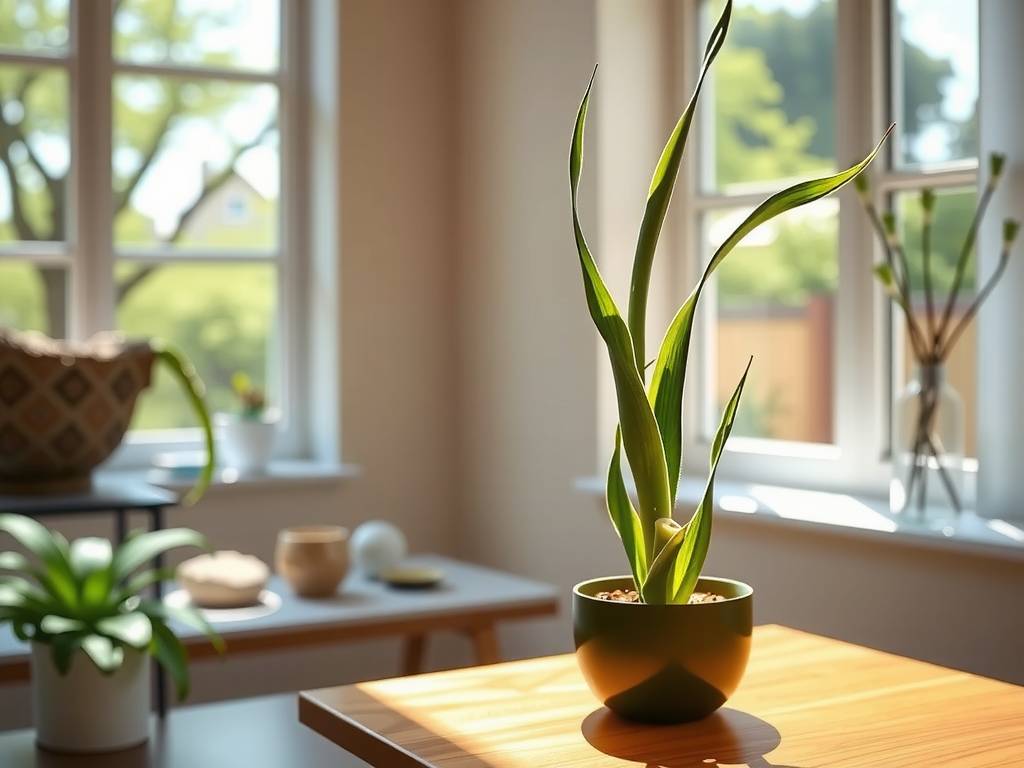
This context is crucial. While renowned for tolerating low light, “tolerating” is not the same as “thriving.” In insufficient light, the plant’s growth mechanisms change, leading to the very problems we aim to solve.
The Direct Link Between Light and Leaf Posture
Why does light have such a dramatic effect on whether your snake plant leaves stand erect or splay out? The answer lies in phototropism and energy production.
Leaves grow toward light sources. In low-light settings, the plant may stretch its leaves outward or fan them to maximize surface area to catch any available photons, a process called etiolation. This leads to weaker, less compact growth and a loss of the desired upright form.
Conversely, with sufficient light, the plant can perform photosynthesis efficiently. It produces ample energy (in the form of carbohydrates) to build strong, dense cell walls within the leaves. This internal rigidity is what allows the leaves to grow straight up, defying gravity with minimal support. The Royal Horticultural Society (RHS) notes that Sansevieria species grown in bright, indirect light exhibit “sturdier growth and better overall form” compared to those kept in deep shade.
Decoding “Sufficient Light”: Intensity, Duration, and Quality
“Sufficient light” is a three-part formula: intensity, duration, and quality.
Light Intensity: Bright, Indirect Light is the Gold Standard The ideal scenario for a cylindrical snake plant indoors is bright, indirect light. This means a spot where it receives plenty of ambient light all day, such as near an east, south, or west-facing window, but where the sun’s rays do not directly hit the leaves for prolonged periods. A few hours of gentle morning direct sun can be beneficial, but harsh afternoon sun can scorch the leaves, causing bleached, dry patches.
Daily Light Duration: Consistency is Key Aim for a minimum of 6-8 hours of this bright, indirect light daily. Consistency helps the plant establish a stable growth pattern. Avoid placing it in areas with wildly fluctuating light levels from day to day.
Light Quality: The Window Direction Matters
- South-facing windows offer the most intense light. Position the plant a few feet back or use a sheer curtain to diffuse the light.
- West-facing windows provide strong afternoon light, which can be intense. Similar precautions apply.
- East-facing windows offer milder morning sun, often an excellent choice.
- North-facing windows typically provide the lowest light and may not be sufficient to promote strong erect growth unless they are exceptionally large and unobstructed.
Signs Your Plant is Receiving the Right Amount of Light
How can you tell if your light adjustment is working? Look for these positive indicators:
- Upright, Rigid Growth: New leaves emerge straight up and remain erect. The entire plant maintains a compact, vertical habit.
- Steady, Moderate Growth: You’ll see new spears emerging from the soil periodically, not rapidly (which can signal stretching) nor stalling completely.
- Rich, Consistent Color: The deep green color with its characteristic striations remains vibrant. The leaves feel firm and taut to the touch.
Troubleshooting Common Light-Related Problems
Problem: Leaves are spreading out or becoming floppy. Solution: This is a classic sign of insufficient light. Gradually move the plant to a brighter location over the course of a week to avoid shock. Increase its daily light exposure.
Problem: Leaves are leaning heavily toward one side (the light source). Solution: Your plant is exhibiting strong phototropism. Rotate the pot a quarter turn every 1-2 weeks to ensure even light distribution and encourage straight, balanced growth.
Problem: Leaves have dry, brown, or bleached spots. Solution: This indicates too much direct, harsh sunlight (sunburn). Relocate the plant to a spot with bright but filtered light. According to the American Horticultural Society’s (AHS) plant stress guidelines, such scorching damages leaf cells permanently, so affected areas will not recover, but new growth will be healthy.
Problem: No new growth for an extended period. Solution: While snake plants are slow growers, a complete halt often signals inadequate light to fuel basic metabolic processes. Assess light levels and consider a brighter spot.
Advanced Care Synergy: How Light Interacts with Watering and Soil
Light doesn’t work in isolation. It directly impacts your watering schedule, a point of expertise emphasized by seasoned horticulturists.
The Light-Watering Connection In sufficient bright light, the plant photosynthesizes more actively and uses water faster. The soil will dry out more quickly. You may need to water a bit more frequently than for a plant in low light, but always follow the golden rule: water only when the soil is completely dry throughout the pot.
In low light conditions, the plant’s metabolism slows. Water evaporation from the soil also slows. This combination dramatically increases the risk of overwatering and root rot. The plant’s need for erect structure is compromised by both weak growth and potentially damaged roots.
Soil and Pot Selection for Optimal Health Use a very well-draining, gritty succulent or cactus mix. Ensure your pot has ample drainage holes. A terracotta pot is ideal as it wicks away excess moisture. This soil strategy supports the plant’s health, allowing you to water appropriately for the light conditions without fear of waterlogging.
Can You Use Grow Lights for Cylindrical Snake Plants?
Absolutely. Full-spectrum LED grow lights are an excellent solution for rooms with poor natural light. Position the light 12-24 inches above the plant and provide 10-12 hours of artificial light per day. This can be a highly effective method to provide the consistent, sufficient light needed for erect leaf growth.
My cylindrical snake plant’s leaves are wrinkled. Is this a light issue? Wrinkling or puckering leaves are primarily a sign of underwatering or extreme dehydration. While light influences water use, the wrinkling itself is a moisture deficit symptom. Check your soil moisture. If it’s bone dry, give the plant a thorough soak. Ensure it’s receiving adequate light so it can properly utilize the water you provide.
How quickly will I see improvement after moving my plant to a brighter spot? Patience is key. You are correcting a growth pattern. Existing, splayed leaves will not magically stand up straight. The improvement will be visible in all new growth. Within a few weeks to months, new leaves should emerge more upright and rigid. The overall plant’s posture will improve as it produces new, correctly formed growth.
Is it bad if my plant flowers? Does it relate to light? Flowering in snake plants is relatively rare indoors and is often a sign of a mildly stressed but mature, healthy plant. It can be triggered by being slightly root-bound and, importantly, by receiving consistent, sufficient bright light over a long period. While the flowers are fragrant and interesting, the blooming process consumes energy. It is not harmful, and with continued proper care, including that crucial bright light, your plant will continue to produce its iconic erect leaves afterward.
Mastering the light needs of your cylindrical snake plant is the most significant step toward unlocking its full architectural potential. By providing consistent, bright, indirect light, you empower it to grow as nature intended—with strong, confident, and perfectly erect leaves. This simple adjustment, paired with mindful watering in well-draining soil, transforms your plant from a passive survivor into a dynamic centerpiece of resilience and beauty. Observe its posture, respond to its signals, and enjoy the robust, upright growth that defines a truly thriving cylindrical snake plant.