bluename
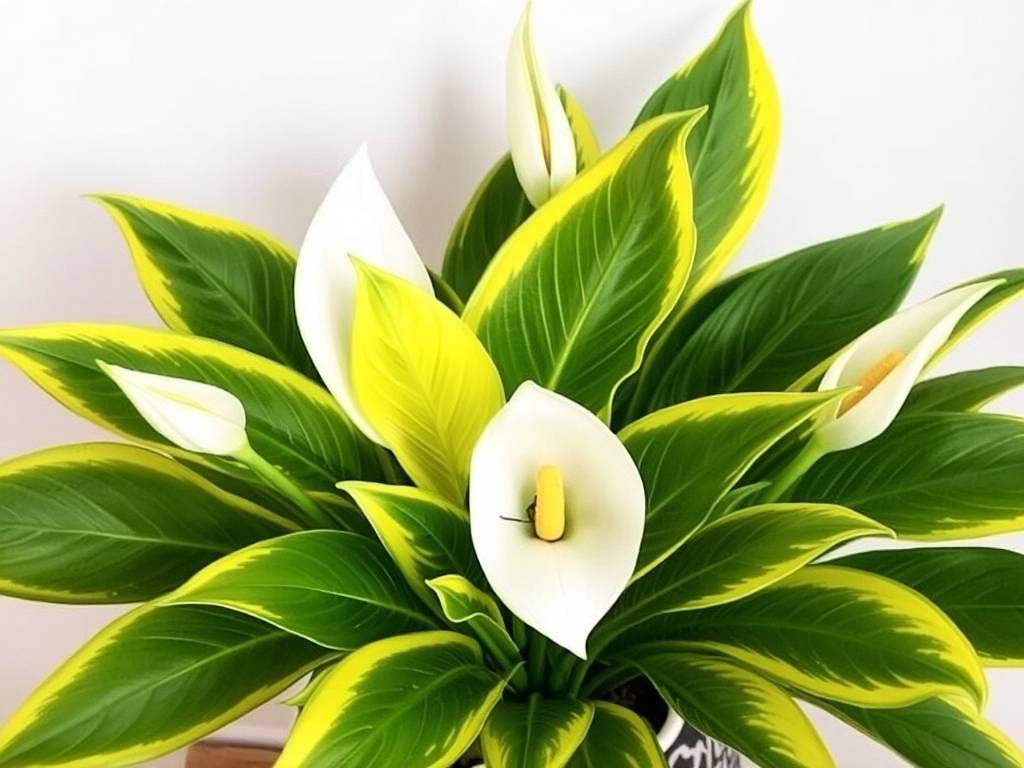
 Peace Lily Plant Care: Solving Common Issues Like Wilting and Yellow Leaves
First: Understand Your Peace Lily’s Needs (Prevention Is Key!)
Moist (but not waterlogged) soil: They love humidity but hate sitting in soggy dirt.
Bright, indirect light: Direct sun burns their leaves, while too little light stops them from blooming.
Warm temperatures: They prefer 65–80°F (18–27°C) and hate cold drafts or sudden temperature drops.

Moderate humidity: Dry air causes brown edges and stress.

Problem 1: Wilting Peace Lily Leaves—What’s Causing It, and How to Fix It
Cause A: Underwatering (The Most Common Reason for Wilting)
The soil feels dry to the touch (stick your finger 1–2 inches deep—if it’s dry, this is likely the issue).
The leaves are wilted but still feel firm (not mushy).
The plant perks up quickly after watering.
Water thoroughly: Use room-temperature water (cold water shocks roots) and pour slowly over the soil until water drains out the bottom of the pot. This ensures the entire root ball gets moistened—avoid just splashing a little water on top, which only wets the surface.
Adjust your watering schedule: Check the soil every 5–7 days (more often in dry, warm weather; less often in cool, humid conditions). Water when the top 1–2 inches of soil are dry.
Prevent future underwatering: If you often forget to water, set a reminder on your phone or use a self-watering pot (just make sure the pot has drainage to avoid overwatering later).
Cause B: Overwatering (A More Serious Issue Than Underwatering)
The soil feels soggy or smells moldy.
The leaves are wilted and mushy (not firm).
The base of the plant or the roots look brown/black and slimy (gently lift the plant out of the pot to check—healthy roots are white or light brown).
Stop watering immediately: Let the soil dry out completely. If the pot doesn’t have drainage holes, transfer the plant to a pot with holes right away—this is non-negotiable for fixing overwatering.
Treat root rot (if needed): If you see rotted roots, gently rinse the soil off the roots and use clean scissors to cut away all brown/black, mushy parts. Dip the remaining healthy roots in a solution of 1 part hydrogen peroxide to 3 parts water (this kills bacteria) and let them dry for 1–2 hours.
Repot in fresh soil: Use a well-draining potting mix (like a tropical plant mix with perlite or orchid bark) and a pot that’s 1–2 inches larger than the root ball. Don’t overfill the pot—too much soil holds extra water.
Adjust your watering habits: After repotting, water only when the top 1–2 inches of soil are dry. Always empty the saucer under the pot after watering—never let the plant sit in standing water.
Problem 2: Yellow Leaves on Peace Lilies—Common Causes and Solutions
Cause 1: Overwatering (The Top Culprit for Yellow Leaves)
Yellow leaves that are soft or mushy (not crispy).
Soggy soil or a moldy smell.
Wilting (even with wet soil).
Cause 2: Too Much Direct Sunlight
Yellow leaves with brown, crispy spots (especially on the sides of leaves facing the sun).
The plant is placed near a south or west-facing window with no curtain.
The leaves look faded or “burnt.”
Move the plant to a spot with bright, indirect light—east-facing windows are perfect (they get soft morning sun, then shade the rest of the day).
If you only have south/west windows, use a sheer curtain to filter the light, or place the plant 2–3 feet back from the window.
Trim off any severely damaged leaves (use clean scissors) to let the plant focus on new growth.
Cause 3: Too Little Light
Pale yellow leaves (not dark yellow or mushy).
Leggy stems with small new leaves.
No blooms (peace lilies need light to flower).
Move the plant to a brighter spot—try a north-facing window (consistent indirect light) or near an east window.
If natural light is limited, use a LED grow light. Place it 12–18 inches above the plant and keep it on for 12–14 hours a day—this mimics sunlight and helps the plant make energy.
Rotate the plant every 2 weeks so all sides get light—this prevents it from leaning toward the light source.
Cause 4: Nutrient Deficiency (Rare, But Easy to Fix)
Yellow leaves that are uniform (not spotty) and start with new growth.
The plant looks healthy otherwise (no wilting, no soggy soil, good light).
It’s been 6+ months since you last fertilized.
Feed the plant with a balanced, water-soluble houseplant fertilizer (like 10-10-10) diluted to half the recommended strength. Too much fertilizer burns roots, so always dilute!
Fertilize only during the growing season (spring and summer) every 4–6 weeks. Stop fertilizing in fall and winter, when the plant is dormant.
If the soil is old (2+ years), repotting in fresh soil will also give the plant a nutrient boost—fresh potting mix has natural nutrients that old soil loses.
Cause 5: Old Leaves (Normal Yellowing—Don’t Worry!)
Only 1–2 lower leaves are yellow.
The leaves are dry and crispy (not mushy).
New growth is green and healthy.
Other Common Peace Lily Problems (And How to Fix Them)
Problem 3: Brown Leaf Edges
Brown, crispy edges on leaves (the rest of the leaf is green).
Leaves feel dry to the touch.
The problem gets worse in winter or near AC/heater vents.
Use a humidity tray: Fill a shallow tray with pebbles, add water until it’s just below the pebbles, and place the pot on top. As the water evaporates, it adds moisture to the air.
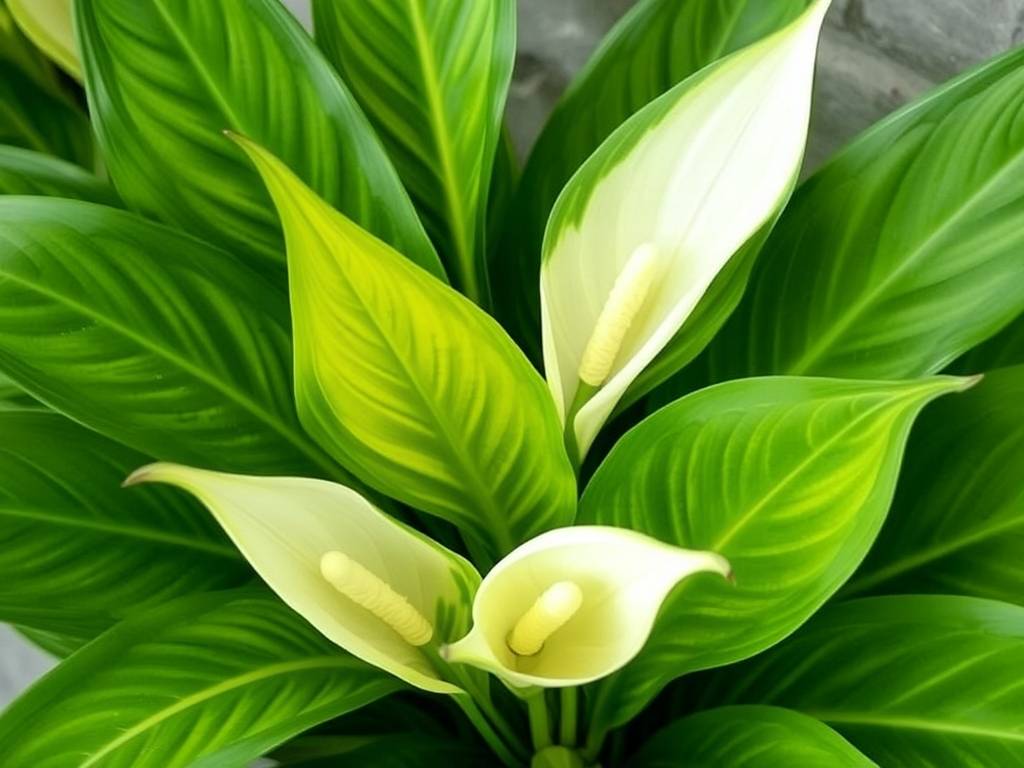
Mist the leaves 2–3 times a week: Use room-temperature filtered water (hard water leaves white spots) and mist the tops and undersides of leaves—avoid misting the white spathes (they can rot).
Use a humidifier: Place a small humidifier near the plant (not too close—direct mist damages leaves) and set it to 40–60% humidity. This is the best long-term solution for dry homes.
Group plants together: Plants release moisture through their leaves (transpiration), so grouping your peace lily with other tropical plants (like pothos or ferns) creates a more humid microclimate.
Problem 4: No Blooms (Even Though the Plant Looks Healthy)
Too little light: Peace lilies need light to make energy for blooms—without it, they focus on leaves instead.
Low humidity: Dry air stresses the plant, so it skips blooming to save energy.
Old soil: Soil loses nutrients over time, and without enough nutrients, the plant can’t bloom.
Move the plant to a brighter spot (east or north window, or use a grow light).
Boost humidity (try a tray, misting, or humidifier).
Fertilize lightly: Use a phosphorus-rich fertilizer (like 5-10-5) diluted to half strength in spring—phosphorus helps with blooming.
Repot if needed: If the plant is root-bound (roots growing out of drainage holes), repot in fresh soil in spring—this gives roots room to grow and access nutrients.
A Quick Care Routine to Keep Your Peace Lily Healthy
Check the soil every 5–7 days: Water only when the top 1–2 inches are dry.
Inspect leaves daily: Look for wilting, yellowing, or brown edges—catch problems early.
Dust leaves weekly: Wipe leaves with a damp cloth to remove dust (dust blocks light and makes it hard for the plant to photosynthesize).
Rotate monthly: Turn the plant ¼ turn so all sides get light—prevents leggy growth.
Fertilize in spring/summer: Every 4–6 weeks with diluted fertilizer.
Boost humidity in dry weather: Use a tray, misting, or humidifier—especially in winter.