bluename
 Peace Lily Care: From Repotting to Encouraging Blooms
Part 1: Repotting Your Peace Lily—When, How, and Why It Matters
When to Repot Your Peace Lily: Signs It’s Time
Roots growing out of drainage holes: If you see white or light brown roots peeking through the bottom of the pot, that’s a sure sign the roots have outgrown their space.
The plant is pushing itself up: If your peace lily is lifting out of the pot (the base of the plant is above the soil line), it’s trying to escape its cramped home.
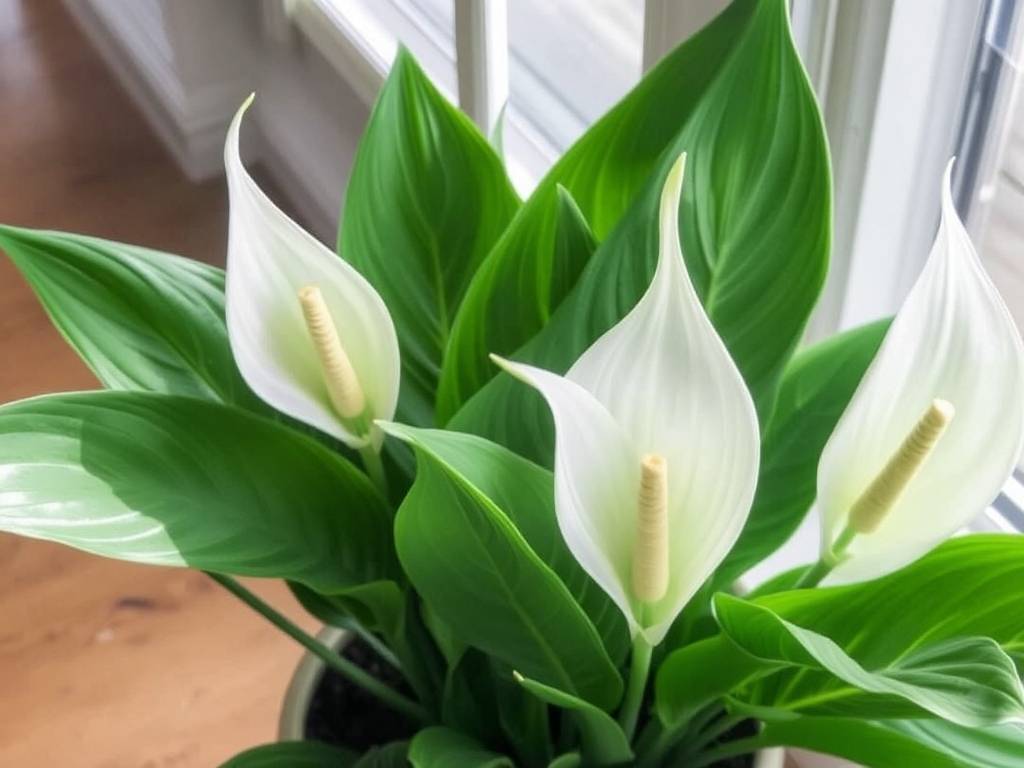
Slow growth or no blooms: Even with proper light and water, a root-bound plant will stop growing or flowering—its roots can’t take in enough nutrients to support new growth.
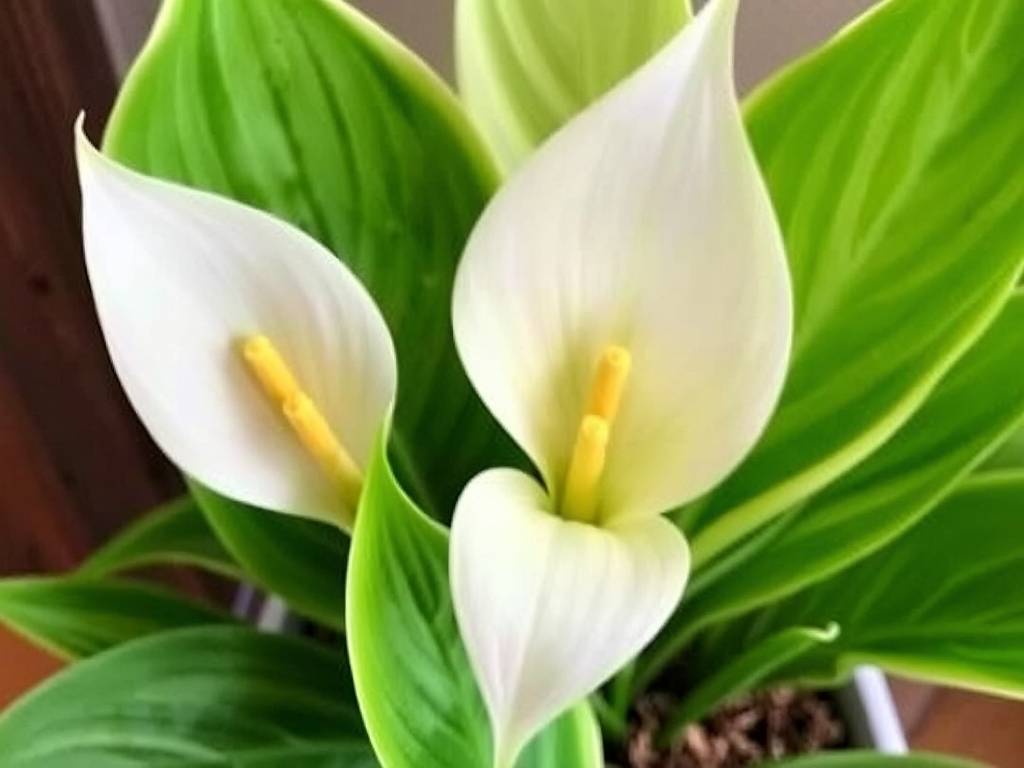
Water drains too quickly: If water runs straight through the pot without soaking into the soil, the roots have taken up all the space, leaving no room for soil to hold moisture.
What You’ll Need for Repotting
A new pot: Choose a pot that’s 1–2 inches larger in diameter than the current pot. Going too big (e.g., a 4-inch larger pot) is a mistake—too much extra soil will hold water, leading to root rot. Make sure the pot has drainage holes (non-negotiable for peace lilies!).
Well-draining potting mix: Peace lilies hate soggy soil, so use a mix that retains moisture but drains well. A good option is a commercial tropical plant mix, or you can make your own by combining:
2 parts peat moss or coco coir (retains moisture)
1 part perlite or vermiculite (improves drainage)
1 part orchid bark (adds texture and aeration for roots)
A trowel or small shovel: For scooping soil.
Pruning shears or clean scissors: To trim dead roots or leaves.
A bowl of water: For rinsing roots (if needed).
Gloves (optional): To protect your hands from soil or any irritants.
Step-by-Step Guide to Repotting Your Peace Lily
Water the plant 1–2 days before repotting: Moist soil helps the root ball hold together, making it easier to remove the plant from the old pot. Avoid watering right before repotting—wet soil is messy and heavy.
Remove the plant from its old pot: Gently tap the sides of the pot to loosen the soil. Turn the pot upside down (support the base of the plant with your hand) and gently pull the plant out. If it’s stuck, use a trowel to loosen the soil around the edges—never yank the plant by its leaves (this can break stems).
Inspect and trim the roots: Once the plant is out, gently brush off excess soil from the root ball to see the roots. Healthy roots are white or light brown and firm; dead or rotted roots are brown/black, mushy, and smell bad. Use clean pruning shears to cut off any dead or rotted roots—this prevents the spread of rot to healthy roots.
Prepare the new pot: Add a 1–2 inch layer of fresh potting mix to the bottom of the new pot. This will elevate the root ball so that the base of the plant sits at the same level it did in the old pot (you don’t want to bury the crown of the plant—this can cause rot).
Place the plant in the new pot: Set the root ball in the center of the new pot. Fill in the gaps around the root ball with fresh potting mix, gently pressing down with your fingers to remove air pockets. Make sure the soil level is the same as before—don’t cover the crown (the part where the stems meet the roots).
Water thoroughly: After repotting, water the plant slowly until water drains out the bottom of the pot. This helps the soil settle around the roots and reduces transplant shock.
Place the plant in a bright, indirect spot: Avoid direct sun for the first 1–2 weeks—repotted plants are stressed and more sensitive to sunburn. Keep the soil slightly moist (but not soggy) during this recovery period.
Post-Repotting Care Tips
Don’t fertilize for 4–6 weeks: The new potting mix has nutrients, and fertilizing too soon can burn sensitive roots.
Mist the leaves if humidity is low: This reduces stress and keeps the leaves from drying out.
Avoid moving the plant: Let it stay in its bright, indirect spot until it perks up—constant moving adds more stress.
Part 2: Encouraging Blooms—How to Get Your Peace Lily to Flower
First: Understand Why Your Peace Lily Isn’t Blooming
Not enough light: Peace lilies need bright, indirect light to make energy for blooms. Too little light (e.g., a dark corner) makes them focus on growing leaves instead of flowers.
Low humidity: Dry air stresses the plant, so it skips blooming to save energy.
Root bound: As we discussed earlier, roots that are cramped can’t absorb nutrients, so the plant can’t bloom.
Overfertilization or underfertilization: Too much fertilizer burns roots; too little means the plant lacks nutrients for blooms.
Cold temperatures: Peace lilies need temperatures above 65°F (18°C) to bloom. Cold drafts (e.g., near a window in winter) or temperatures below 60°F (15°C) will stop flowering.
5 Key Tips to Encourage Blooms
Tip 1: Give It Bright, Indirect Light (The #1 Bloom Trigger)
Best spots: East-facing windows (soft morning sun, then indirect light the rest of the day) or north-facing windows (consistent indirect light).
If you have south/west windows: Place the plant 2–3 feet back from the window, or use a sheer curtain to filter the intense afternoon sun.
Grow lights for low-light homes: If natural light is limited, use a LED grow light. Position it 12–18 inches above the plant and keep it on for 12–14 hours a day—this mimics the long days of the tropical growing season and encourages blooms.
Tip 2: Boost Humidity (Tropical Conditions = Blooms)
Use a humidity tray: Fill a shallow tray with pebbles, add water until it’s just below the pebbles, and place the pot on top. As water evaporates, it adds moisture to the air.
Mist regularly: Use room-temperature filtered water to mist the leaves 2–3 times a week. Avoid misting the spathes (white “flowers”)—too much moisture can cause them to rot.
Group plants together: Plants release moisture through their leaves (transpiration), so grouping your peace lily with other tropical plants (like pothos, philodendrons, or ferns) creates a humid microclimate.
Use a humidifier: For dry homes (especially in winter), a small humidifier near the plant is the most reliable way to maintain consistent humidity. Set it to 40–60% and avoid pointing the mist directly at the plant.
Tip 3: Fertilize with the Right Nutrients (Phosphorus = Blooms)
When to fertilize: Only during the growing season (spring and summer) every 4–6 weeks. Stop fertilizing in fall and winter, when the plant is dormant.
How to fertilize: Dilute the fertilizer to half the recommended strength (overfertilization burns roots and stops blooms). Pour the diluted fertilizer over the soil (avoid getting it on leaves) after watering—this helps the roots absorb nutrients without shock.
Alternative: Organic fertilizers: If you prefer organic options, use fish emulsion or seaweed extract (diluted) instead—these are gentle and provide balanced nutrients.
Tip 4: Let the Soil Dry Slightly Between Waterings (Avoid Overwatering)
Check the soil: Stick your finger 1–2 inches deep into the soil. Water only when it feels dry to the touch.
Use room-temperature water: Cold water shocks roots, which stresses the plant and stops blooming.
Drain excess water: Always empty the saucer under the pot after watering—never let the plant sit in standing water.
Tip 5: Give It a “Rest Period” (For Repeat Blooms)
Part 3: Maintaining Your Peace Lily—After Repotting and Blooming
Prune faded blooms: When the white spathes start to turn green or brown, cut them off at the base of the stem with clean scissors. This tells the plant to stop putting energy into old blooms and start producing new ones.
Trim dead or yellow leaves: Remove any yellow, brown, or wilted leaves—this prevents disease and keeps the plant looking neat.
Dust the leaves: Wipe the glossy leaves with a damp cloth every 2–3 weeks. Dust blocks light, making it harder for the plant to photosynthesize (and bloom).
Check for pests: Peace lilies are relatively pest-resistant, but they can get spider mites or aphids (especially in dry air). If you see tiny bugs or webbing on leaves, wipe them off with a damp cloth or use insecticidal soap.
Repot every 2–3 years: Even if your peace lily isn’t root bound, repotting every 2–3 years refreshes the soil (which loses nutrients over time) and keeps the plant healthy.