Indoor Peace Lily Care: Essential Tips for Humidity, Watering, and Light Control

Indoor Peace Lily Care: Essential Tips for Humidity, Watering, and Light Control...

Indoor Peace Lily Care: Essential Tips for Humidity, Watering, and Light Control

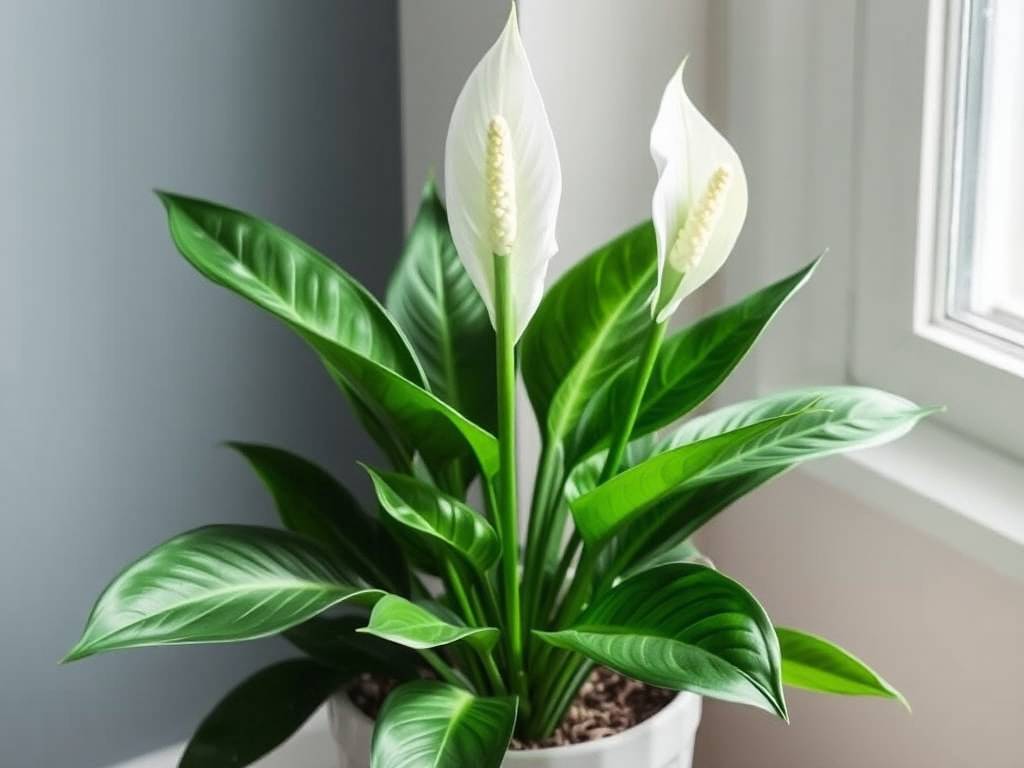
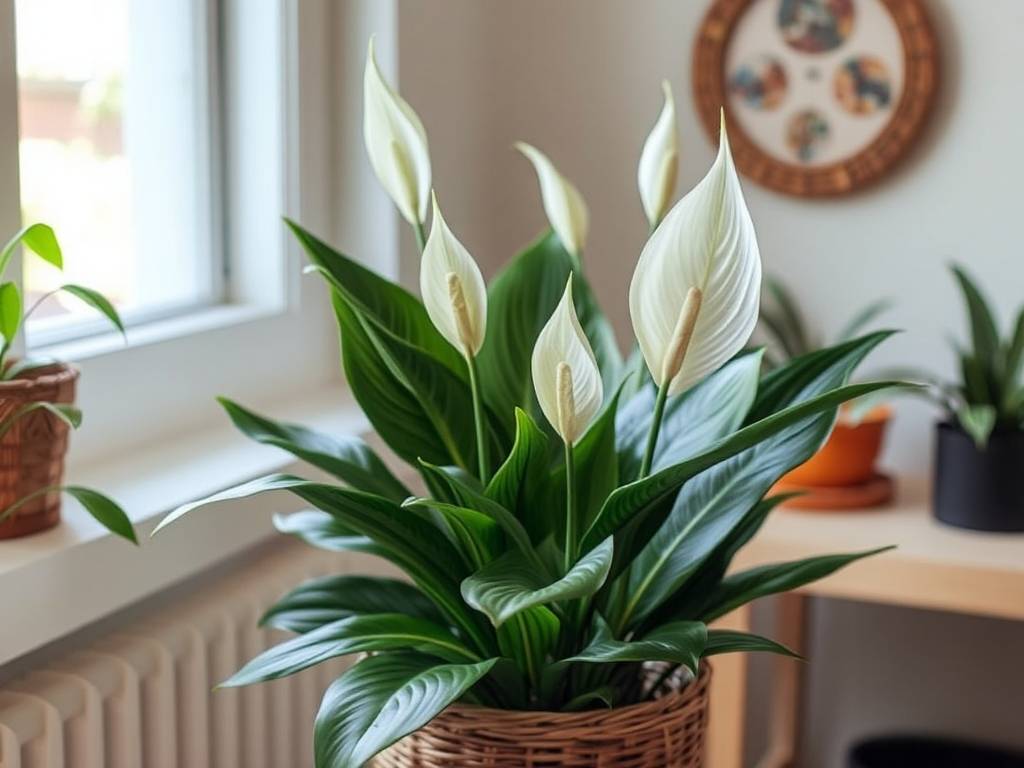
Indoor plants have a magical way of turning houses into homes, and peace lilies stand out as one of the most popular choices—thanks to their elegant white spathes, glossy green leaves, and air-purifying superpowers. But while they’re relatively low-maintenance, indoor environments (with their dry air, inconsistent light, and easy overwatering pitfalls) can pose unique challenges. To keep your indoor peace lily thriving—with lush foliage that stays vibrant and blooms that last—you need to master three core skills: humidity 调节 (humidity regulation), proper watering, and smart light control. These are the building blocks of happy, healthy indoor peace lilies, and we’re breaking them down in detail below, with easy-to-follow tips and solutions for common problems.

Understanding Indoor Peace Lilies: Why Humidity, Water, and Light Matter Most

First, let’s talk about where peace lilies come from—because their natural habitat holds the key to their indoor care. Peace lilies are native to the warm, humid understories of Central and South American tropical forests. There, they’re surrounded by dappled sunlight, consistently moist (but not waterlogged) soil, and air thick with humidity. When we bring them indoors, we’re asking them to adapt to a very different environment: dry air from heaters or AC, direct sunlight through windows, and the temptation to overwater (or underwater) them.
This mismatch is why so many indoor peace lilies struggle with brown leaf edges, droopy blooms, or stunted growth. The good news? By focusing on replicating their natural conditions—starting with humidity, water, and light—you can turn even a finicky peace lily into a long-lasting, beautiful houseplant. Let’s dive into each of these key areas.

1. Humidity Regulation: How to Keep Indoor Air Moist for Your Peace Lily

Dry indoor air is the number one enemy of peace lilies. In most homes—especially during winter, when heaters run nonstop, or summer, when AC dries out the air—humidity levels drop below 30%, which is far too low for these tropical plants (they thrive in 40-60% humidity). When humidity is too low, you’ll notice telltale signs: brown, crispy edges on the leaves, slow growth, and blooms that fade quickly.
The good news is that boosting humidity for your indoor peace lily doesn’t require fancy equipment—just a few simple, budget-friendly tricks. Here’s what works best:

Try a Humidity Tray (Simple and Effective)

A humidity tray is one of the easiest ways to add moisture to the air around your peace lily. Here’s how to make one:
  • Grab a shallow tray (think: a saucer slightly larger than your plant’s pot, or a small baking tray).

  • Fill it with clean pebbles or gravel—they should cover the bottom of the tray.

  • Add room-temperature water to the tray, making sure the water level stays below the top of the pebbles.
    Indoor Peace Lily Care: Essential Tips for Humidity, Watering, and Light Control

  • Place your peace lily’s pot on top of the pebbles (never let the pot sit directly in the water—this causes root rot!).

As the water evaporates, it creates a small, humid microclimate around the plant. Check the tray every few days and refill it when the water runs low—this works especially well for peace lilies in living rooms or bedrooms, where space is limited.

Mist Regularly (But Do It Right)

Misting is a quick way to boost humidity, but many people do it wrong—leading to more harm than good. Here’s the correct method:
  • Use a clean spray bottle filled with room-temperature water (cold water shocks the leaves).

  • Mist the undersides and tops of the leaves 2-3 times a week—focus on the foliage, not the white spathes (too much moisture on spathes can cause brown spots or rot).

  • Avoid misting if your home is already humid (above 50%) or if the plant is in a dark corner—this can lead to fungal growth.

Pro tip: If you have hard water, use filtered or distilled water for misting—minerals in hard water leave white spots on the leaves, which dull their glossy appearance.

Group Plants Together (Natural Humidity Boost)

Plants release moisture into the air through a process called transpiration—and when you group them together, they create a more humid environment for each other. This is perfect for indoor peace lilies: place yours near other tropical plants (like pothos, philodendrons, or ferns) on a shelf or windowsill. Not only will this boost humidity, but it will also create a beautiful, cohesive indoor garden display.

Use a Humidifier (Long-Term Solution for Dry Homes)

If you live in an extremely dry climate (or have multiple tropical plants), a small humidifier is worth the investment. Place it near your peace lily (but not too close—direct mist from the humidifier can damage leaves) and set it to maintain 40-60% humidity. Most modern humidifiers have a built-in hygrometer (humidity gauge) so you can monitor levels easily. This is the most reliable way to keep your peace lily happy during winter, when heaters suck moisture out of the air.

2. Watering Indoor Peace Lilies: Avoid Overwatering (the #1 Killer)

Overwatering is the leading cause of death for indoor peace lilies—and it’s easy to do. Many people see the plant’s love for moisture and assume “more water = happier plant,” but this is a mistake. Peace lilies need consistently moist soil, not soaking wet soil. When their roots sit in water for too long, they rot—and once root rot sets in, it’s hard to save the plant.
The key to watering your indoor peace lily is to be intentional, not reactive. Here’s how to get it right every time:

Check the Soil First (Don’t Guess!)

Before you grab the watering can, always check the soil—this is the most important step. Stick your finger 1-2 inches deep into the soil (near the edge of the pot, not the center—soil near the center stays moist longer).
  • If the soil feels dry to the touch: It’s time to water.

  • If the soil feels damp or cool: Hold off for 1-2 days and check again.

Another way to tell? Indoor peace lilies are dramatic—they’ll wilt slightly when they’re thirsty. But don’t let this become a habit! While they’ll perk up within a few hours of watering, frequent wilting stresses the plant and can damage its roots over time.

Water Correctly: Slow and Steady

When it’s time to water, follow these steps to avoid overwatering:
  • Use room-temperature water: Cold water shocks the roots, which can cause yellow leaves. If you use tap water, let it sit out overnight to let chlorine evaporate (chlorine is harmful to peace lilies).

  • Pour slowly and evenly: Water around the edge of the pot, not directly on the center of the plant (this can rot the crown). Keep pouring until water drains out of the bottom of the pot—this ensures the entire root ball gets moistened.

  • Empty the saucer: After watering, check the saucer under the pot. If there’s standing water, pour it out immediately—never let the pot sit in water.

Adjust Watering for Seasons and Indoor Conditions

Your peace lily’s water needs change throughout the year, so adjust your routine accordingly:
  • Spring and summer (growing season): The plant is actively growing, so it needs more water—you’ll probably water every 7-10 days.

  • Fall and winter (dormancy): Growth slows down, so the plant uses less water—water every 14-21 days, or when the soil is dry 2 inches deep.

  • Dry indoor conditions (heaters/AC): You may need to water slightly more often, but always check the soil first—don’t water just because the air is dry.

Pro tip: If your peace lily is in a terracotta pot (which dries out soil faster) or a plastic pot (which retains moisture longer), adjust watering frequency accordingly—terracotta pots need more frequent watering, while plastic pots need less.

3. Light Control for Indoor Peace Lilies: Bright, Indirect Light Is Key

Indoor light can be tricky—too much direct sun burns the leaves, while too little light causes the plant to become leggy (stems stretch toward light) and stop blooming. Remember: peace lilies are understory plants in the wild, so they’re used to bright, filtered light—not harsh sunlight or dark corners.
Here’s how to control light for your indoor peace lily and keep it healthy:

Find the Perfect Spot: Avoid Direct Sun

The best spots for indoor peace lilies are near east-facing or north-facing windows:
  • East-facing windows: They get soft morning sun (which is gentle) and indirect light for the rest of the day—this is ideal for encouraging blooms and keeping leaves 翠绿 (lush green).

  • North-facing windows: They provide consistent, indirect light all day—great for peace lilies that need steady light but can’t handle any direct sun.

If you only have south-facing or west-facing windows (which get intense afternoon sun), don’t worry—just adjust the plant’s position:
  • Place the peace lily 2-3 feet back from the window, so it gets bright light without direct sun.

  • Use a sheer curtain to filter the sunlight—this softens the harsh rays and mimics the dappled light of the forest understory.

Signs of Bad Light: How to Fix Them

Your peace lily will tell you if it’s getting too much or too little light—learn to read the signs:
  • Too much direct sun: Brown, scorched spots on the leaves; faded, wilted spathes; leaves turning yellow at the edges. Fix this by moving the plant farther from the window or adding a sheer curtain.

  • Too little light: Stems are long and thin (leggy); new leaves are small; no blooms; leaves turn pale green. Fix this by moving the plant to a brighter spot (near an east or north window) or adding a grow light (if natural light is limited).

Grow Lights: A Backup for Low-Light Homes

If your home has very little natural light (e.g., basement apartments, rooms with small windows), a grow light is a great solution. Choose a LED grow light (they’re energy-efficient and don’t get too hot) and set it up 12-18 inches above the peace lily. Keep the light on for 12-14 hours a day—this mimics natural daylight and will help the plant grow and bloom.
Pro tip: Avoid placing your peace lily near dark corners, doorways with cold drafts, or above radiators/AC vents—these spots cause stress, which leads to yellow leaves and poor growth.

Troubleshooting Common Indoor Peace Lily Problems

Even with the best care, indoor peace lilies can run into issues—but most are easy to fix with adjustments to humidity, water, or light. Here are the most common problems and solutions:
  • Brown leaf edges: Almost always caused by low humidity. Try a humidity tray, misting, or a humidifier.
    Indoor Peace Lily Care: Essential Tips for Humidity, Watering, and Light Control(1)

  • Yellow leaves: Overwatering (most common) or too much direct sun. Check the soil—if it’s soggy, let it dry out and adjust watering. If it’s dry, move the plant to a shadier spot.

  • No blooms: Not enough light or lack of humidity. Move the plant to a brighter spot (east/north window) and boost humidity.

  • Wilting leaves: Thirsty (soil is dry) or root rot (soil is soggy). Check the soil—if dry, water; if soggy, repot the plant in fresh, well-draining soil (remove any rotted roots first).

Final Tips for Happy Indoor Peace Lilies

Caring for an indoor peace lily doesn’t have to be complicated—focus on the three basics: humidity, water, and light. Here’s a quick recap to keep you on track:
  • Humidity: Keep it between 40-60% with a tray, misting, or humidifier.

  • Water: Check soil first—water when dry 1-2 inches deep; empty saucers to avoid root rot.

    上一篇:How to Care for Peace Lilies: 7 Key Tips for Vibrant Blooms and Lush Green Leaves
    下一篇:Peace Lily Plant Care: Solving Common Issues Like Wilting and Yellow Leaves

    为您推荐

    About Us | Contact Us | Privacy Policy | Disclaimer | Terms & Conditions
    This website uses cookies and third-party advertising (Google AdSense) to improve your experience. By continuing to browse, you agree to our Privacy Policy.