How to Care for Peace Lilies: 7 Key Tips for Vibrant Blooms and Lush Green Leaves
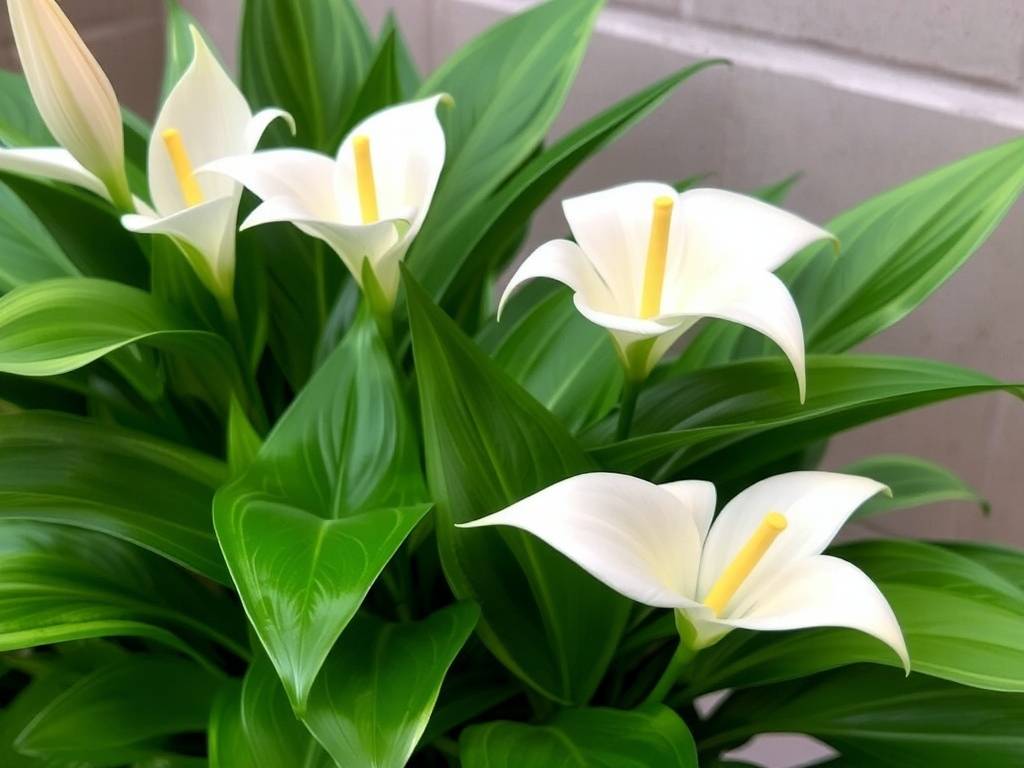
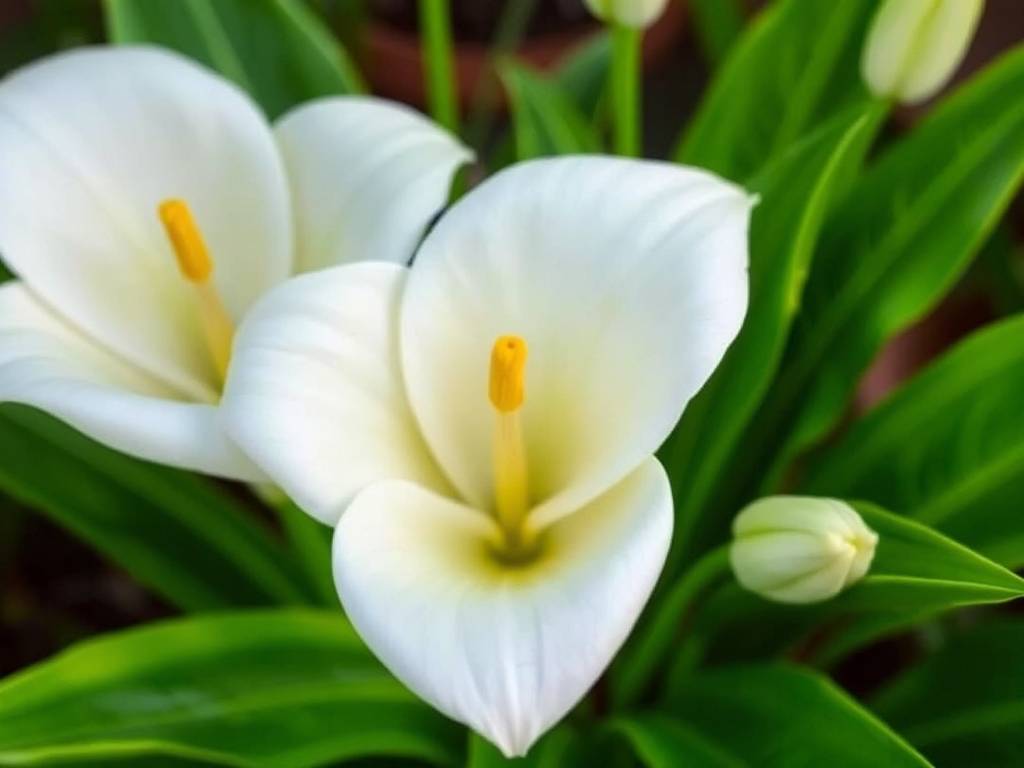
Peace lilies, with their elegant white spathes (often mistaken for flowers) and glossy, dark green leaves, are beloved houseplants for both 新手 (new plant parents) and seasoned gardeners alike. Not only do they add a touch of tropical charm to any room, but they’re also known for their air-purifying abilities, removing toxins like formaldehyde and benzene from the air. However, to keep your peace lily thriving—with 花苞 that stay bright and 叶片 that remain lush—you need to master a few essential care habits. Below, we’ll break down 7 key tips that cover everything from light and water to pruning and pest control, ensuring your peace lily stays healthy and beautiful year-round.
1. Provide the Right Amount of Light: Avoid Direct Sun to Protect Leaves and Blooms
One of the most common mistakes new peace lily owners make is placing their plant in direct sunlight—and this is a quick way to damage those lovely leaves and prevent vibrant blooms. Peace lilies are native to the understory of tropical forests, where they grow in dappled, indirect light. This means they thrive in bright, filtered light but will suffer if exposed to harsh midday sun.
If your peace lily is getting too much direct light, you’ll notice signs like brown, scorched spots on the leaves or faded, lackluster spathes. On the other hand, too little light can cause the plant to become leggy (stems stretching toward light) and stop blooming altogether.
The best spots for your peace lily are near east or north-facing windows, where the light is soft and indirect. If you only have south or west-facing windows, place the plant a few feet back from the glass, or use a sheer curtain to filter the intense sunlight. Remember: bright, indirect light is the sweet spot for keeping leaves 翠绿 (lush green) and encouraging regular blooming.
2. Water Wisely: Keep Soil Moist but Never Soggy
Peace lilies love moisture—they’re even sometimes called “water lilies” (though they’re not true lilies)—but overwatering is one of the top causes of root rot, which can kill your plant. The key is to keep the soil consistently moist, not soaking wet.
How do you know when to water? A simple trick is to check the top 1-2 inches of soil with your finger. If it feels dry to the touch, it’s time to water. If it still feels damp, hold off for a day or two. Another sign your peace lily needs water is wilting leaves—don’t worry, this plant is pretty dramatic! It will often wilt slightly when thirsty, but it will perk back up within a few hours of being watered. Just don’t let it wilt for too long, as prolonged dryness can damage the roots and prevent future blooms.
When watering, use room-temperature water (cold water can shock the roots) and pour it slowly over the soil until it drains out the bottom of the pot. Make sure to empty the saucer under the pot after watering—never let the plant sit in standing water, as this leads to root rot. If you’re worried about overwatering, consider using a pot with drainage holes (which is a must for peace lilies!) and a well-draining potting mix (we’ll talk more about that next).
3. Choose the Right Potting Mix: Drainage Is Key for Healthy Roots
A high-quality, well-draining potting mix is essential for keeping your peace lily’s roots healthy—and healthy roots mean vibrant blooms and 翠绿叶片 (lush green leaves). Peace lilies prefer a mix that retains moisture but also allows excess water to drain away quickly.
Avoid using heavy garden soil, which can become compacted and hold too much water. Instead, opt for a commercial potting mix designed for tropical plants or houseplants. You can also make your own mix by combining:
This mix will keep the soil moist without suffocating the roots. If you notice the soil is becoming compacted (water drains slowly or sits on top), it’s time to repot your peace lily into fresh mix—we’ll cover repotting in tip #6!
4. Maintain Humidity: Tropical Conditions for Lush Growth
As tropical plants, peace lilies thrive in humid environments. Dry air (common in heated or air-conditioned homes, especially during winter) can cause the edges of the leaves to turn brown and crispy, and it can also slow down blooming.
If your home is dry, there are easy ways to boost humidity for your peace lily:
Aim for a humidity level of 40-60%—this will keep the leaves looking fresh and encourage your peace lily to produce more blooms.
5. Fertilize Moderately: Feed for Blooms, But Don’t Overdo It
Peace lilies don’t need a lot of fertilizer, but regular, light feeding can help promote healthy growth and vibrant blooms. During the growing season (spring and summer), when the plant is actively producing new leaves and flowers, fertilize every 4-6 weeks with a balanced, water-soluble houseplant fertilizer (look for a 10-10-10 or 20-20-20 formula).
Always dilute the fertilizer to half the recommended strength—overfertilizing can burn the roots, cause the leaves to turn yellow, and even prevent blooming. In the fall and winter, when the plant is in a period of dormancy (growth slows down), stop fertilizing altogether.
If you notice your peace lily isn’t blooming even though it’s getting the right light and water, a light feeding might be just what it needs. Just remember: less is more when it comes to fertilizing peace lilies!
6. Repot When Necessary: Give Roots Room to Grow
Peace lilies are relatively slow-growing, but over time, their roots will fill up the pot, leading to root bound plants. A root bound peace lily will have stunted growth, fewer blooms, and may wilt even when watered properly—because the roots don’t have enough room to absorb moisture and nutrients.
How do you know when to repot? Check the bottom of the pot—if you see roots growing out of the drainage holes, or if the plant is pushing itself up and out of the pot, it’s time. Repotting is best done in the spring, at the start of the growing season.
Choose a pot that’s 1-2 inches larger in diameter than the current pot (don’t go too big—too much extra soil can hold water and cause root rot). Gently remove the plant from its old pot, loosen the roots (if they’re tightly packed), and place it in the new pot with fresh, well-draining potting mix (as we discussed in tip #3). Water thoroughly after repotting to help the plant settle in.
After repotting, your peace lily might wilt a little for a day or two—this is normal, as the roots adjust to their new home. Just keep it in a bright, indirect spot and water as usual, and it will recover quickly.
7. Prune and Clean: Keep Your Peace Lily Looking Its Best
Regular pruning and cleaning will not only keep your peace lily looking neat and tidy but also promote new growth and blooming. Here’s how to do it:
Remove dead or yellow leaves: Use clean, sharp scissors or pruning shears to cut off any leaves that are yellow, brown, or wilted. Cut the leaf at the base of the stem, near the soil—this prevents disease from spreading and frees up energy for new growth.
Clean the leaves: Dust can build up on the glossy leaves, blocking light and making it harder for the plant to photosynthesize. Wipe the leaves gently with a damp cloth every few weeks to keep them shiny and 翠绿 (lush green). You can also use a mild, soapy water solution (a drop of dish soap in a bowl of water) if the leaves are very dusty—just make sure to rinse them off with clean water afterward.
Pruning is best done in the spring or summer, during the growing season, but you can remove dead leaves or faded blooms anytime you notice them.
Final Thoughts: Enjoy Your Thriving Peace Lily
Caring for a peace lily doesn’t have to be complicated—with the right light, water, humidity, and a little bit of attention, your plant will reward you with beautiful, long-lasting blooms and lush, 翠绿叶片 (green leaves) year after year. Remember to observe your plant closely: it will tell you when it’s thirsty (wilting leaves), getting too much light (scorched leaves), or needs repotting (roots growing out of drainage holes).
By following these 7 key tips, you’ll be well on your way to keeping your peace lily healthy and vibrant. Whether you’re a new plant parent or a seasoned gardener, the peace lily is a wonderful addition to any home—so sit back, relax, and enjoy the beauty of this lovely tropical plant!
 bluename