bluename
 How to Care for Ivy in Different Seasons: Winter Cold Protection and Summer Heat Prevention Tips
Winter Ivy Care: Protecting Your Plant from Cold, Frost, and Dry Air
1. Outdoor Ivy: Shielding Against Frost and Cold Winds
Cover with frost cloths or burlap before cold snaps: When a frost or freeze is predicted, drape a lightweight frost cloth (available at garden centers) or burlap over your outdoor ivy. This creates a barrier that traps heat and prevents frost from settling on the leaves. Avoid using plastic—plastic can trap moisture, which freezes and causes more damage than the cold itself. Remove the cover during the day when temperatures rise above freezing to let the plant breathe.
Mulch around the base to protect roots: Cold soil can damage ivy’s shallow roots. Add a 2- to 3-inch layer of mulch (like straw, wood chips, or pine needles) around the base of outdoor ivy. This insulates the soil, keeps roots warm, and also helps retain moisture (since winter winds can dry out soil too). Make sure the mulch doesn’t touch the main stem—this can cause rot.
Water sparingly (but don’t let soil dry out completely): Winter ivy grows very slowly, so it needs less water than in summer. But don’t let the soil dry out completely—frozen, dry soil can kill roots. Check the top 1 to 2 inches of soil; if it’s dry, water lightly with room-temperature water (avoid cold water, which shocks roots). Water in the morning, so any moisture on the leaves dries before nightfall (this prevents frost damage).
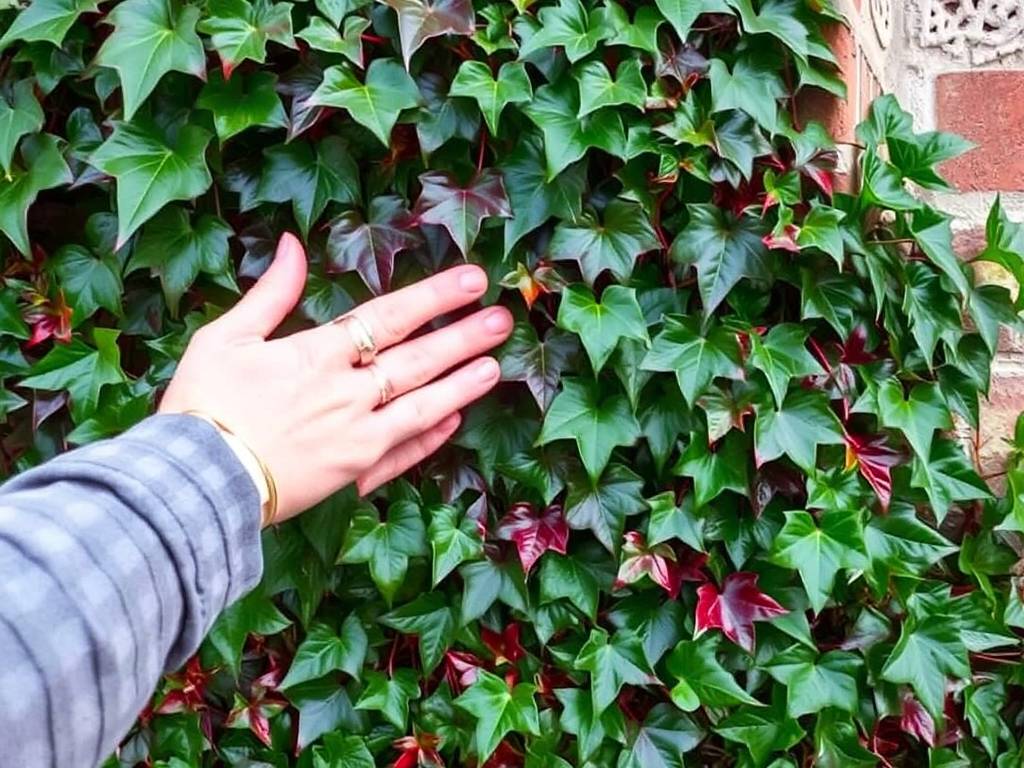
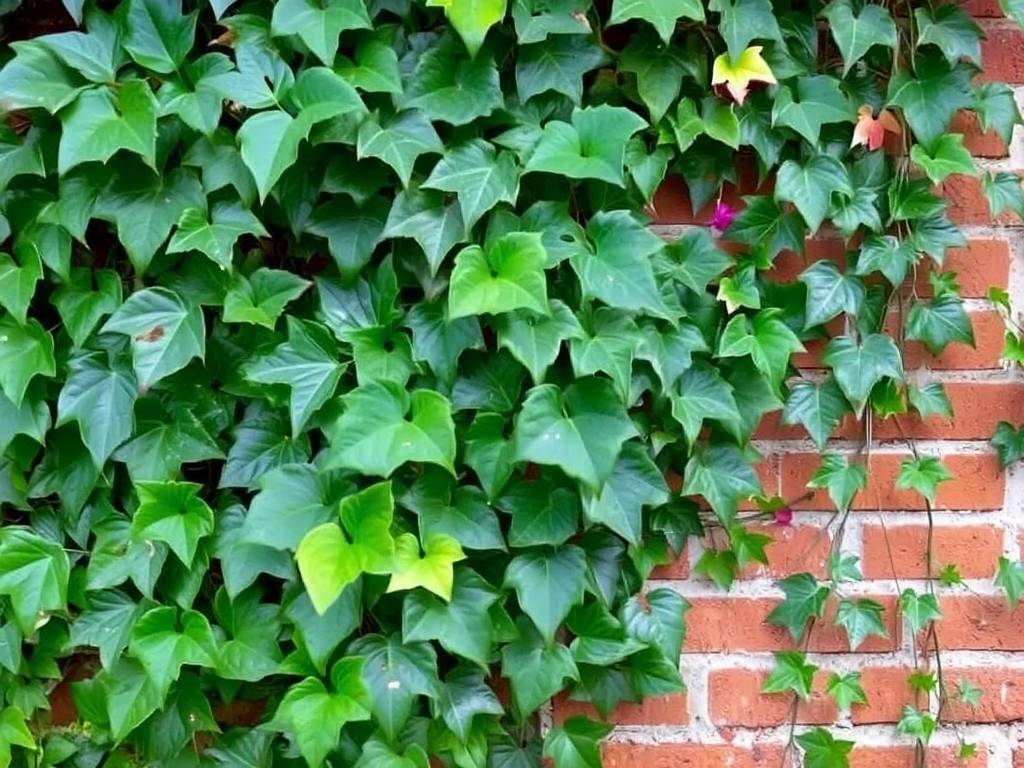
Prune damaged growth in late winter: After the worst of the cold passes (usually in late February or early March), inspect your outdoor ivy for damaged parts. Look for brown, wilted leaves or soft, mushy stems—these are signs of cold damage. Use clean, sharp pruning shears to cut back damaged growth to healthy, green stems. This helps the plant focus energy on new growth when spring arrives.
2. Indoor Ivy: Fighting Dry Air and Low Light
Boost humidity to prevent brown tips: Heaters dry out the air, which pulls moisture from ivy’s leaves, leading to crispy, brown tips. To fix this:
Mist the leaves with room-temperature water 2 to 3 times a week. Focus on the undersides of leaves, where moisture is absorbed best.
Place the pot on a tray filled with pebbles and water. Add water until it reaches just below the pebbles (don’t let the pot sit in water—this causes root rot). As the water evaporates, it increases humidity around the plant.
Use a small room humidifier near the ivy. Set it to 40% to 60% humidity, which is ideal for ivy.
Give it as much light as possible: Winter days are short, so indoor ivy may not get enough light. Move your ivy to the brightest spot in your home—usually a south-facing window (since the sun is low in the sky, south-facing windows get more direct light in winter). If you don’t have a bright window, use a grow light. Place the grow light 6 to 12 inches above the plant and set it to 12 to 14 hours a day—this mimics natural sunlight and prevents leggy growth.
Reduce watering frequency: Like outdoor ivy, indoor ivy grows slowly in winter. Water only when the top 1 inch of soil is dry—this may be every 10 to 14 days (compared to 5 to 7 days in summer). Always empty the saucer under the pot after watering to avoid standing water.
Avoid placing near heaters or drafty areas: Hot air from heaters dries out leaves, while cold drafts from windows or doors can shock the plant. Keep your indoor ivy at least 3 feet away from heaters, radiators, or air vents. If you place it near a window, make sure the window is sealed to prevent cold drafts—you can also move the pot a few inches away from the glass on very cold nights.
Summer Ivy Care: Preventing Heat Stress, Sunburn, and Dehydration
1. Outdoor Ivy: Shading from Sun and Keeping Hydrated
Provide partial shade during the hottest part of the day: Outdoor ivy needs light, but not direct midday sun (10 AM to 4 PM). If your ivy is in a spot that gets full sun, add shade:
Place a patio umbrella or shade cloth over the plant. Choose a light-colored shade cloth (like white or light green) that blocks 30% to 50% of the sun—this filters light without making the area too dark.
If the ivy is climbing a wall, plant a taller shrub or small tree nearby to cast shade during midday. Just make sure the other plant doesn’t compete with the ivy for water or nutrients.
Water deeply and regularly (but don’t overwater): Summer heat dries out soil quickly, so outdoor ivy needs more water. Water deeply once or twice a week—soak the soil until water runs out of the drainage holes (for potted ivy) or until the top 6 inches of soil are moist (for ground-planted ivy). Water in the early morning or late evening—watering during midday causes most of the water to evaporate before the roots can absorb it. Avoid overwatering: check the top 1 inch of soil—if it’s still damp, wait a day or two. Overwatering in summer can lead to root rot, just like in other seasons.
Mulch to keep soil cool and retain moisture: Add a 2-inch layer of mulch (wood chips, straw, or compost) around the base of outdoor ivy. Mulch keeps the soil cool by blocking the sun, reduces evaporation, and prevents weeds from competing for water. Refresh the mulch every 4 to 6 weeks if it breaks down.
Prune to improve air circulation: Summer heat and humidity can lead to fungal diseases (like leaf spot) if ivy is too dense. Prune back overgrown vines to let air flow through the plant. Cut back any dead or yellow leaves, and trim vines that are overlapping—this not only prevents disease but also helps the plant stay cool.
2. Indoor Ivy: Beating the Heat and Avoiding Sunburn
Move away from direct sun windows: In summer, south-facing and west-facing windows get intense, direct sun that can burn ivy leaves. Move your ivy to a north-facing or east-facing window—these get gentle morning sun or indirect light all day. If you can’t move the plant, use a sheer curtain to filter the sun. You’ll know if the ivy is getting too much sun: leaves will develop brown, crispy spots or turn pale and bleached.
Water more frequently (but check soil first): Indoor ivy dries out faster in summer, thanks to warm air and more light. Check the top 1 inch of soil every 3 to 5 days—if it’s dry, water thoroughly. Use room-temperature water (cold water shocks roots in summer too). If you have air conditioning, the air may be dry—so you may need to water a little more often, but still avoid overwatering.
Boost humidity (yes, even in summer): Air conditioners dry out the air just like heaters. If your indoor ivy has brown tips or wilted leaves (even when the soil is moist), it’s a sign of low humidity. Use the same methods as in winter: mist the leaves, use a tray of pebbles and water, or run a humidifier. Aim for 40% to 60% humidity—this keeps leaves plump and green.
Keep away from hot air sources: Don’t place indoor ivy near air conditioner vents, fans that blow hot air, or appliances that generate heat (like ovens, refrigerators, or TVs). Hot air dries out leaves and causes stress—your ivy will thrive in a cool, consistent spot (between 65°F/18°C and 75°F/24°C).
Quick Tips for Spring and Fall: Transition Seasons for Ivy
Spring Ivy Care
Resume fertilizing: Spring is ivy’s growing season, so it needs extra nutrients. Use a balanced, water-soluble fertilizer (10-10-10) diluted to half strength. Fertilize indoor ivy once a month, outdoor ivy every 6 to 8 weeks.
Repot if needed: If your indoor ivy’s roots are growing out of the drainage holes, spring is the best time to repot. Use a pot 1 to 2 inches larger in diameter and fresh, well-draining soil.
Prune for shape: Trim back any leggy growth from winter to encourage bushy, new growth.
Fall Ivy Care
Stop fertilizing: As temperatures cool, ivy’s growth slows down. Stop fertilizing in late August (for outdoor ivy) or early September (for indoor ivy)—fertilizer in fall can cause new growth that’s vulnerable to winter cold.
Reduce watering: Gradually cut back on watering as the weather cools. For outdoor ivy, water only when the top 2 inches of soil are dry. For indoor ivy, extend watering intervals to every 7 to 10 days.
Prepare outdoor ivy for winter: In late fall (before the first frost), add a layer of mulch around outdoor ivy and prune any dead or damaged growth. This gets the plant ready for cold weather.
Final Thoughts: Year-Round Ivy Care Made Simple