bluename
 How to Care for Large Zamioculcas Zamiifolia - Division Propagation for Fast Pot Filling
You’ve nurtured your ZZ plant into a magnificent, sprawling specimen. Its glossy, dark green leaves create a stunning architectural statement in your space. But now, it’s almost bursting from its pot, looking a bit too crowded for comfort. Repotting it into a massive container seems daunting and expensive. What if there was a smarter way to manage its vigorous growth while creating multiple full, lush plants quickly? The answer lies in mastering division propagation for your large Zamioculcas zamiifolia. This technique is the secret to fast pot filling, allowing you to rejuvenate your mother plant and multiply your greenery collection efficiently.
Understanding Your Mature ZZ Plant’s Needs
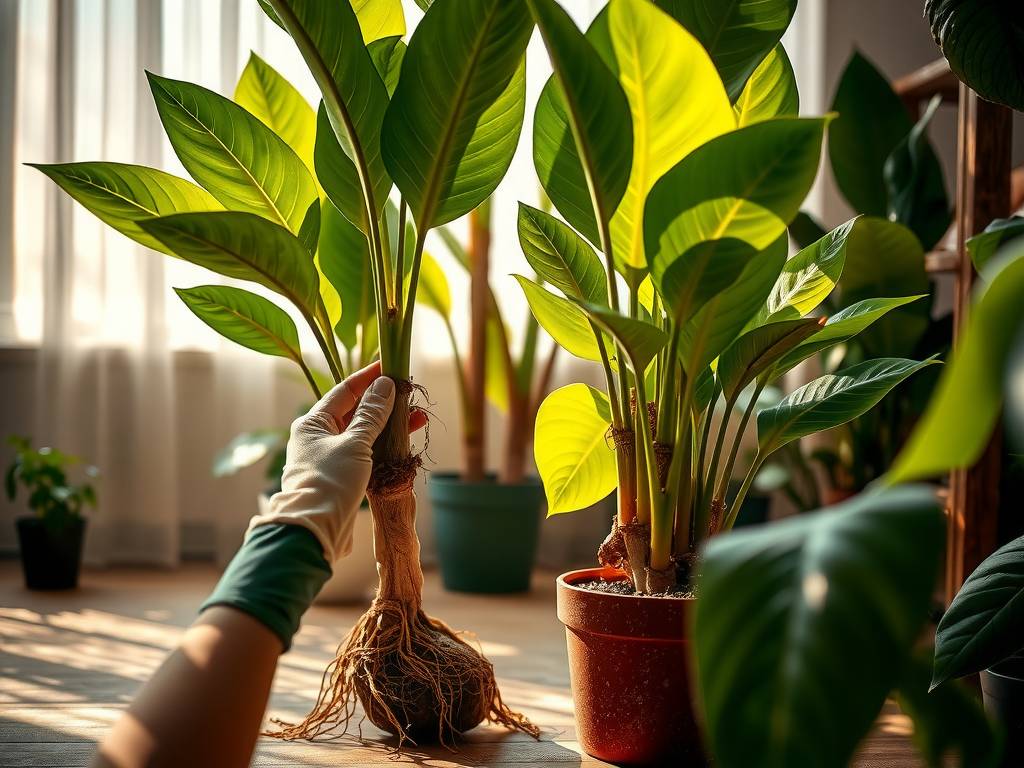
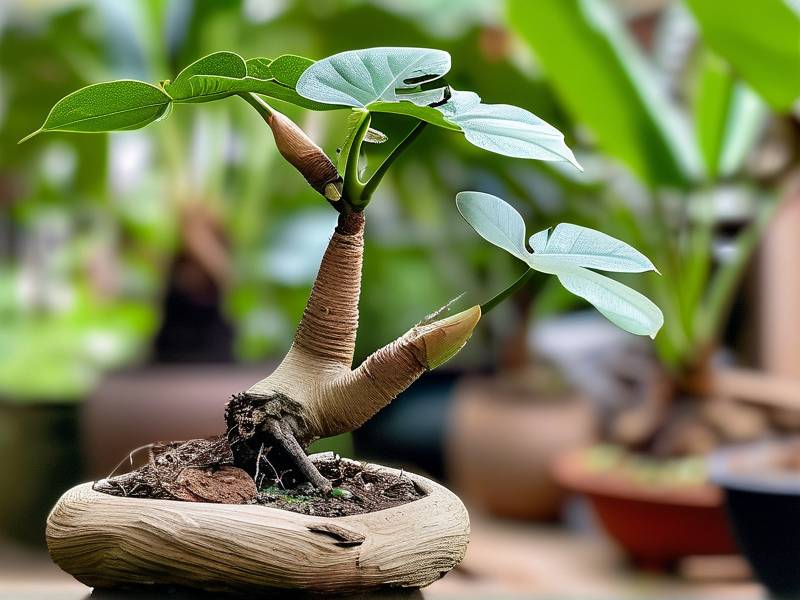
A large, mature ZZ plant differs from a small starter plant. Its extensive underground rhizome system—those potato-like water and nutrient storage organs—is the key to its resilience and growth. According to the Royal Horticultural Society (RHS), Zamioculcas zamiifolia thrives on neglect but benefits significantly from correct potting and occasional division when it becomes root-bound. A congested pot can lead to stunted growth, as rhizomes compete for space and resources. Division directly addresses this, promoting healthier growth for all resulting plants.
Why Division is the Best Method for Fast Results
While ZZ plants can be propagated from single leaflets, that process is incredibly slow, often taking months to see a small rhizome form. For a large plant, division is unparalleled for speed. You are starting with fully developed rhizomes, roots, and stems. Post-division, each new section already has the machinery for growth, allowing it to focus energy on establishing itself and producing new shoots, leading to a full pot much faster. The American Horticultural Society (AHA) notes that division is a reliable method for propagating many perennial plants with clumping growth habits, ensuring genetic consistency and immediate impact.
Pre-Division Preparation: Setting the Stage for Success
Gathering Your Tools and Materials
Success starts with preparation. You will need: clean, sharp pruning shears or a serrated knife; fresh, well-draining potting mix (a cactus/succulent blend is ideal); several new pots with drainage holes (choose sizes appropriate for your divisions); gloves; and newspaper or a tarp to contain the mess. Sterilize your cutting tool with rubbing alcohol to prevent disease transmission.
Assessing and Preparing Your Plant
About a week before you plan to divide, water your ZZ plant thoroughly. This hydrates the rhizomes and makes the root system more pliable. On the day of division, gently tip the pot on its side and coax the plant out. You may need to tap the pot’s edges or run a knife around the interior. Once removed, carefully loosen the soil to expose the root and rhizome mass.
The Step-by-Step Guide to Dividing a Large ZZ Plant
Step 1: Inspect and Plan Your Cuts
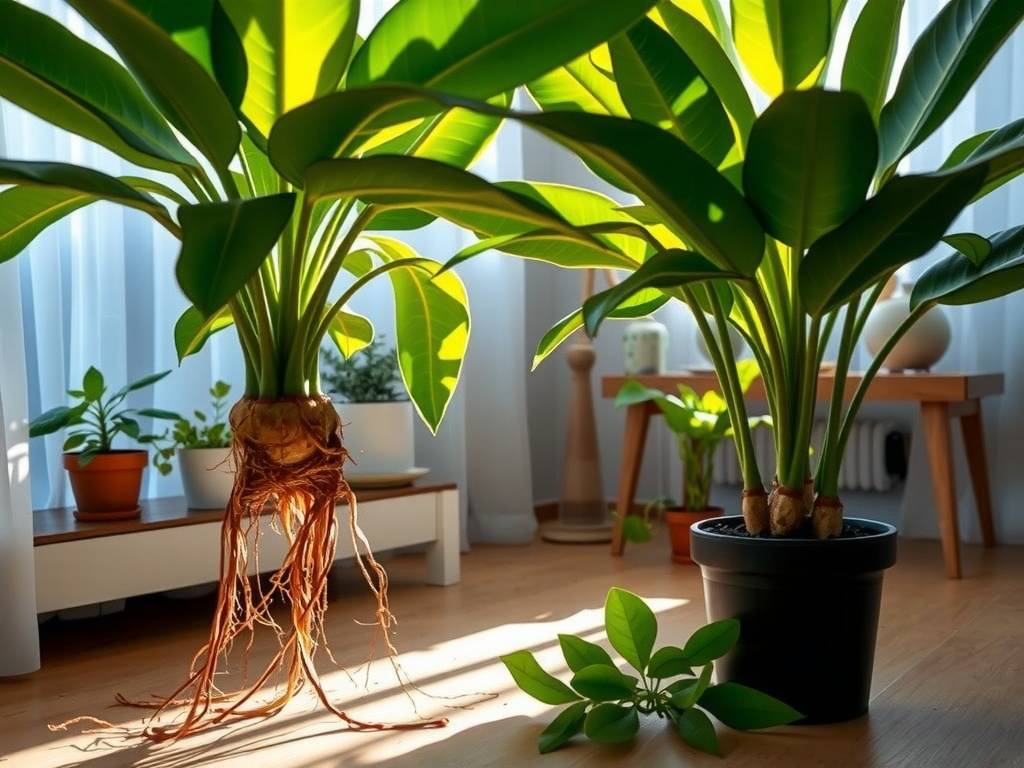
Lay the root ball on your work surface. You’ll see a network of interconnected rhizomes. Your goal is to separate the plant into logical sections, each with at least one healthy, robust rhizome with attached stems and a good portion of roots. Identify natural points of separation where rhizomes join. Planning your cuts here minimizes damage.
Step 2: Separating the Rhizomes
This might require a combination of gentle hand-wringing and careful cutting. For tough connections, use your sterilized tool to make clean cuts. Avoid crushing the rhizomes. The RHS advises ensuring each division has a viable growing point (a bud or stem base). Larger sections with 2-3 rhizomes will fill a pot fastest, but smaller, single-rhizome divisions are also viable—they will just take a bit longer to bush out.
Step 3: Potting Up Your New Divisions
Fill your new pots partway with fresh potting mix. Place a division in the center, ensuring it sits at the same depth it was growing before. Backfill with soil, gently firming it around the roots and rhizomes. Leave a small space at the top for watering. Do not water immediately. This crucial step allows any cut or damaged areas on the rhizomes to callous over, preventing rot.
Post-Division Care: The Key to Rapid Recovery and Growth
The First Critical Weeks
Place your newly potted divisions in a location with bright, indirect light. Avoid direct sun, which can stress them. Wait 7-10 days before giving them their first thorough watering. This patience is vital for preventing rhizome rot, the main threat to new divisions. After this initial period, resume a typical ZZ plant watering routine: water only when the soil is completely dry.
Encouraging Fast Pot Filling
Once established, your divisions will focus on root growth and then new shoots. To encourage this:
- Light: Provide bright, indirect light. This is the primary driver of growth.
- Fertilizer: After 2-3 months, begin feeding with a balanced, diluted liquid fertilizer every 2-3 months during the growing season (spring and summer).
- Rotation: Rotate the pots quarterly to ensure even growth on all sides, creating a uniformly bushy plant.
Troubleshooting Common Post-Division Issues
If you notice yellowing leaves, it’s often a sign of overwatering or shock. Ensure the soil is drying out between waterings. If a division seems slow to produce new growth, reassess its light levels—it may need more indirect brightness. Remember, these plants are slow growers by nature, but division gives them a significant head start.
Leveraging Division for Ongoing Plant Management
Regular division, perhaps every 2-3 years, is an excellent way to manage the size of your original ZZ plant and continually produce new, full plants. This cycle keeps all your plants healthy, vigorous, and aesthetically pleasing. It’s the core of a sustainable approach to caring for large Zamioculcas zamiifolia.
My division has no new growth after several months. What’s wrong? This is common and usually related to light or season. ZZ plants are naturally slow, and divisions prioritize root establishment first. Ensure it’s in bright, indirect light—this is non-negotiable for growth. Also, be patient; growth is most active in warmer, brighter months. As long as the stems are firm and green, the plant is likely focusing energy below the soil.
Can I divide a ZZ plant at any time of year? While possible in emergencies, the ideal time is during the active growing season, in spring or early summer. The warmer temperatures and increased light levels help the divisions recover and establish new roots much faster, aligning with the plant’s natural growth cycle for the quickest pot-filling results.
How do I know if my large ZZ plant is ready to be divided? Look for these key signs: the plant is visibly overcrowded, spilling out of its pot; rhizomes are pushing against or deforming the container; water runs straight through without absorbing due to a dense root mass; or growth has noticeably slowed despite proper care. These all indicate it’s time for division.
Mastering the care of a large Zamioculcas zamiifolia through division propagation transforms a single overgrown plant into multiple thriving centers of greenery. This method directly solves the problem of congestion by giving the root system renewed space, which in turn stimulates fresh, vigorous foliage growth above the soil. By following the steps of careful separation, patient post-care, and providing optimal bright indirect light, you enable each division to rapidly develop into a dense, pot-filling specimen. This process not only maximizes the health and aesthetic appeal of your plants but also turns one mature ZZ into a sustainable source for many, making it an exceptionally rewarding practice for any plant enthusiast.