bluename
 How to Care for Large Radermachera Sinica - Prune to Shape for Attractive Form
You’ve nurtured your Radermachera sinica, commonly known as the China Doll plant, from a small, bushy specimen into a stunning, large indoor tree. Its glossy, emerald-green foliage brings a vibrant, tropical feel to your space. But now, it’s starting to look a bit… wild. Some branches stretch out awkwardly, the lower leaves may be thinning, and its once-compact, attractive form is becoming a memory. The thought of pruning this prized plant is daunting. One wrong cut, and you fear ruining years of growth.
Fear not. Pruning is not an act of harm but one of rejuvenation and guidance. For a large Radermachera sinica, strategic pruning is the single most important practice to maintain its health, encourage denser growth, and sculpt that desirable, attractive form. This comprehensive guide will walk you through the why, when, and how, transforming apprehension into confidence.
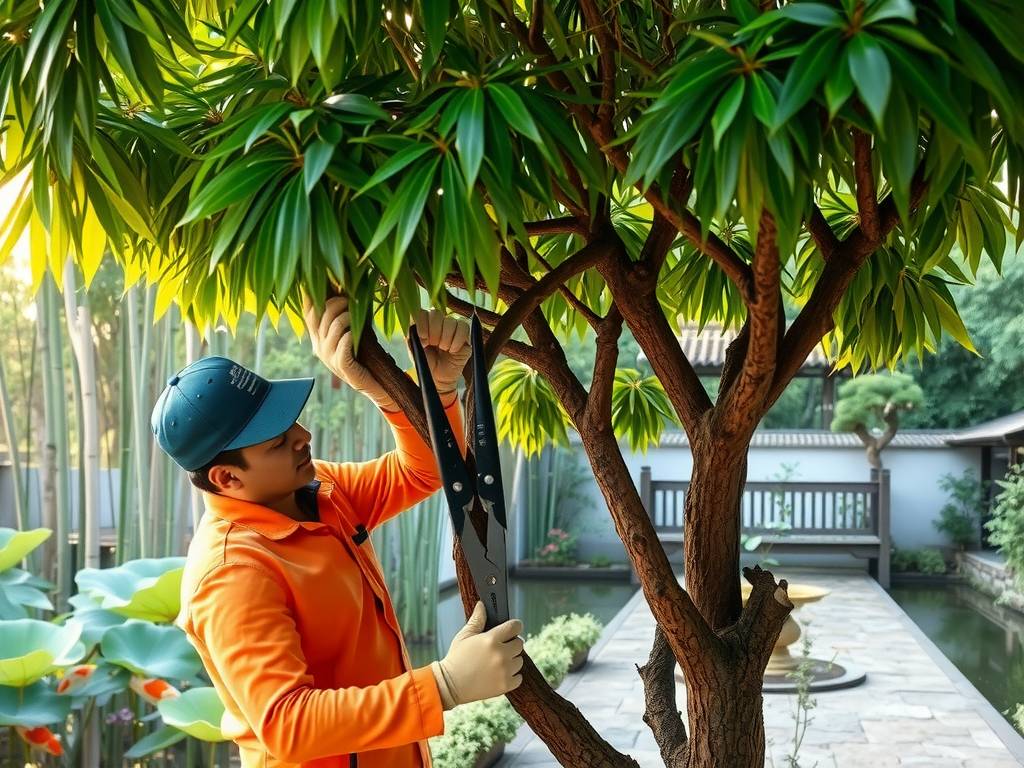
Understanding Your Large China Doll Plant
Before you make the first cut, it’s crucial to understand its growth habit. Radermachera sinica is a naturally bushy, multi-stemmed plant that can reach over 6 feet indoors. It grows quickly in optimal conditions. New growth emerges from leaf nodes (the points where leaves attach to the stem). Pruning directly influences these nodes, signaling where the plant should invest its energy next.
According to horticulturists at the Royal Horticultural Society (RHS), regular pruning of fast-growing tropical foliage plants like the Radermachera promotes air circulation, reduces the risk of pest infestation, and allows light to penetrate deeper into the canopy. This is essential for preventing the lower leaves from yellowing and dropping, a common issue with mature specimens.
Why Pruning is Essential for Form and Health
Pruning a large China Doll plant goes beyond mere aesthetics. It’s a vital component of integrated care.
- Controls Size and Shape: Directs growth to maintain a manageable size and a balanced, pleasing silhouette.
- Encourages Bushier Growth: The classic “China Doll plant pruning” technique involves tip-pruning, which removes the apical bud and encourages two or more new stems to grow from the node below, creating a fuller plant.
- Removes Unhealthy Growth: Eliminates dead, diseased, or damaged branches, which can drain the plant’s resources and harbor pathogens.
- Rejuvenates Older Plants: For a leggy Radermachera sinica, harder pruning can stimulate vigorous new growth from lower down on the stems, essentially restarting its compact form.
- Improves Light Penetration and Airflow: A dense, unpruned canopy creates a humid, dark environment ideal for fungal diseases. Thinning the canopy allows light and air to reach the interior.
The Essential Tools for the Job
Using the right tools ensures clean cuts that heal quickly, minimizing stress and disease risk.
- Sharp, Clean Bypass Pruners: For most stems on a large Radermachera. Bypass blades make a clean, scissor-like cut. Sterilize blades with rubbing alcohol before and during use, especially when moving between plants.
- Micro-tip Snips: For precise, delicate work on smaller stems and foliage.
- Disinfectant: Isopropyl alcohol or a diluted bleach solution for tool sterilization.
- Gloves: Optional, but sap can be mildly irritating to some.
The Optimal Time to Prune for Best Results
The best time for major shaping is in the early spring or early summer, just as the plant enters its most active growth period. This gives it ample energy and time to produce a flush of new growth in response to pruning. You can perform light maintenance pruning—such as removing a yellow leaf or a wayward stem—year-round. Avoid heavy pruning in late fall or winter when growth is minimal, as recovery will be slow.
A Step-by-Step Guide to Pruning for an Attractive Form
Follow this systematic approach to shape your China Doll plant confidently.
1. The Assessment and Clean-Up Pass Begin by stepping back and observing your plant’s overall structure. Identify your goal: Do you want to reduce its height, encourage width, or simply tidy it up? Start with the easy, non-negotiable cuts. Remove any dead, brown, or clearly diseased stems at their point of origin. Next, snip off any yellowing or damaged leaves. This initial pass clears the clutter and lets you see the plant’s architecture.
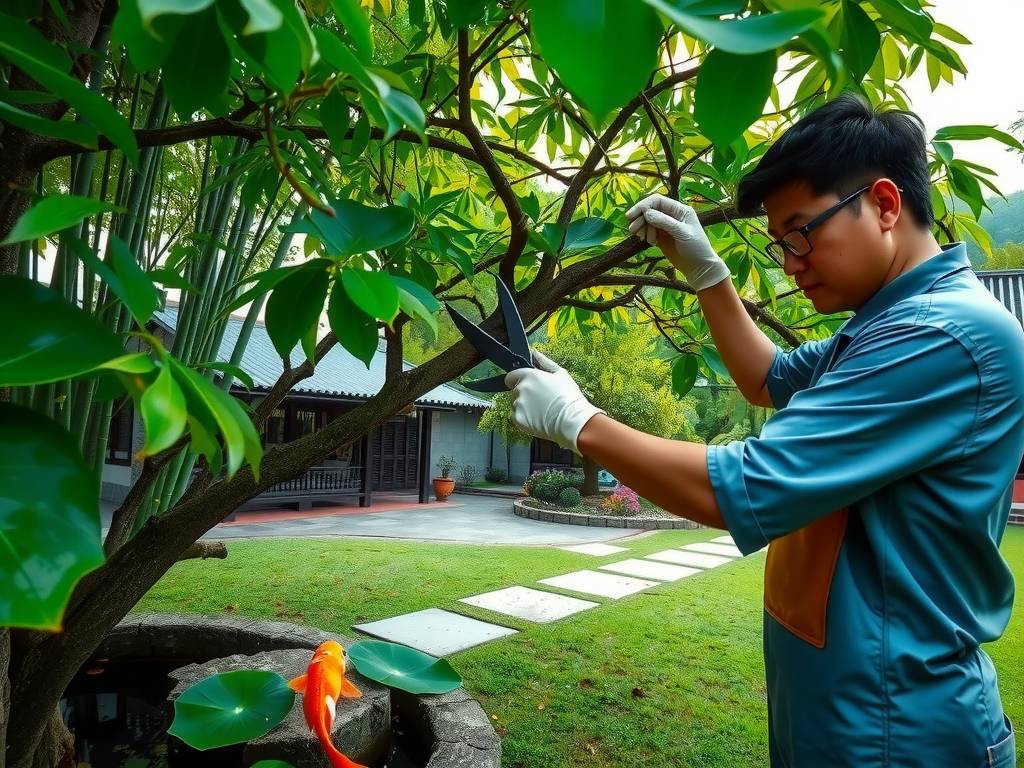
2. Structural Pruning for Shape and Balance This is where you sculpt the attractive form. Look for stems that disrupt the plant’s symmetry—those that cross over others, grow inward toward the center, or stick out awkwardly. Cut these stems back to a point just above a leaf node that faces the direction you want new growth to go, typically outward. For height control, identify the tallest stems. Trace them down to a suitable leaf node and make your cut there. Remember the golden rule: you can always cut more later, but you can’t reattach a stem. It’s better to be conservative.
3. Tip-Pruning for Ultimate Bushiness To solve legginess and encourage a denser canopy, employ tip-pruning. This is the core technique for maintaining a bushy Radermachera sinica. On all the primary stems you’ve chosen to keep, locate the end 1-2 inches. Just above a set of leaves, make a clean, angled cut. This removes the apical meristem (the primary growth point), redirecting the plant’s hormones (auxins) to the nodes below. Within weeks, you should see two new stems emerging from the node just below your cut, effectively doubling the growth points at that tip.
4. Thinning for Light and Air If your plant is very dense, selectively remove a few entire stems from the base, especially weaker or spindly ones. This “thinning” technique doesn’t encourage new growth at the cut site but opens up the interior, improving light and air circulation for the remaining, stronger stems. The American Horticultural Society (AHS) advises that thinning is often more effective than heading cuts for long-term plant health in dense shrubs, as it reduces crowding without stimulating excessive new growth.
Post-Pruning Care: Ensuring a Swift Recovery
Your plant has just received a “surgery”; now it needs supportive care.
- Watering: Water thoroughly after pruning, but ensure excellent drainage. Do not overwater, as the plant’s reduced foliage will transpire less moisture.
- Light: Place it in bright, indirect light. Avoid direct hot sun, which can stress the freshly cut plant.
- Hold the Fertilizer: Wait 4-6 weeks before resuming your normal fertilizing schedule. Let the plant focus on healing and new growth first.
- Monitor for Growth: In 3-6 weeks, you should see new buds swelling at the pruned nodes. This is your sign of success!
Integrating Pruning into Overall Radermachera Sinica Care
Pruning is most effective when combined with proper ongoing care. A healthy plant responds to pruning vigorously.
- Light: Provide bright, indirect light for strong, compact growth. Low light exacerbates legginess.
- Watering: Water when the top inch of soil feels dry. Consistent moisture is key, but soggy soil leads to root rot.
- Humidity: Moderate to high humidity supports the lush foliage. Misting or a pebble tray can help.
- Feeding: During the growing season, feed with a balanced, water-soluble fertilizer monthly to support the new growth your pruning will stimulate.
What is the hardest I can prune back a leggy China Doll plant? You can perform a hard prune, cutting stems back by one-half to two-thirds of their length if the plant is severely leggy. Ensure you make these cuts just above a leaf node. The plant may look stark initially, but if done in spring and given good care, it will rebound with dense, new growth from the remaining nodes. This is a common technique for restoring a leggy Radermachera.
Can I propagate the stems I’ve pruned off? Absolutely. Radermachera sinica propagates readily from stem cuttings. Take 4-6 inch tip cuttings, remove the lower leaves, and place them in water or a moist potting mix. With warmth and indirect light, they should root in a few weeks, giving you new plants to enjoy or share.
How often should I prune to maintain the shape? For maintenance, a light pruning session once or twice a year is usually sufficient. Your major shaping prune in spring can be followed by a lighter touch-up in mid-summer to correct any uneven growth. Regular tip-pinching of new, long shoots as they appear is the best way to continuously encourage bushiness without a major pruning event.
Mastering the art of pruning transforms your relationship with your large Radermachera sinica. It moves from being a static object you worry about to a dynamic, living sculpture you actively guide. Each thoughtful cut is a conversation with the plant, directing its energy toward creating a lush, balanced, and truly attractive form. With the right timing, tools, and techniques, you hold the key to unlocking your China Doll plant’s fullest, most beautiful potential for years to come.