bluename
 How to Care for Large Cinnamomum Kotoense - Mastering Ventilation to Prevent Leaf Drop
Watching your prized large Cinnamomum kotoense shed its beautiful, glossy leaves can be disheartening. You've provided what seems like perfect light and water, yet the leaf drop continues. Often, the culprit isn't what you're adding, but what's missing: proper air circulation. This comprehensive guide will delve into the critical role of ventilation in caring for your large Cinnamomum kotoense, providing a clear, actionable plan to stop leaf drop and promote a thriving, resilient plant.
Understanding the Link Between Stagnant Air and Leaf Drop
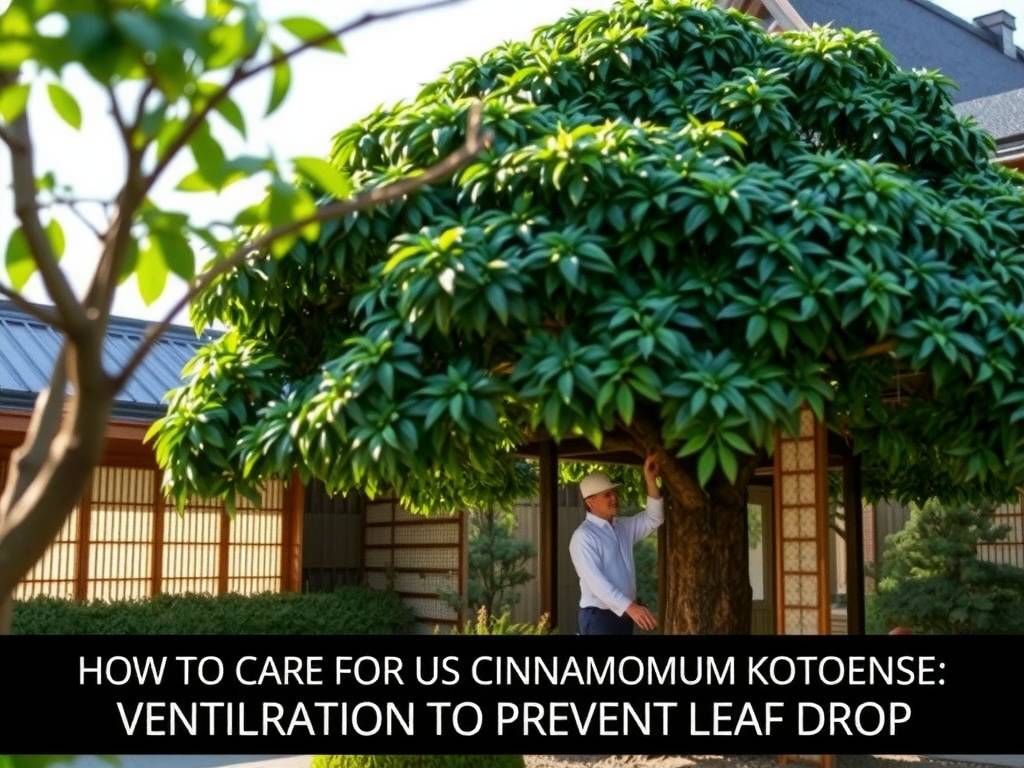
Cinnamomum kotoense, a treasured member of the laurel family, thrives in environments that mimic its native subtropical habitats. These areas are characterized not just by warmth and humidity, but by consistent, gentle air movement. When we place these stately plants indoors or in sheltered outdoor spots, we often create a microclimate of stagnant air.
Stagnant air becomes a breeding ground for several issues that directly lead to leaf drop. First, it allows moisture to linger excessively on leaf surfaces and in the soil. This prolonged dampness invites fungal pathogens, such as various leaf spot diseases, which weaken leaf tissues and cause them to yellow and fall. Second, without air movement, the plant's natural transpiration process slows down. This can disrupt the uptake of water and nutrients, stressing the plant systemically. Finally, pests like spider mites and scale insects favor still, dry air; an infestation can quickly cause foliage deterioration and loss.
Experts from the Royal Horticultural Society (RHS) consistently emphasize that good ventilation is a cornerstone of preventive plant healthcare, not merely an afterthought. It strengthens plant defenses by moderating humidity, discouraging pathogens, and encouraging robust growth.
Crafting the Perfect Ventilation Strategy for Your Large Cinnamomum Kotoense
Effective ventilation for a large plant isn't about creating strong drafts. It's about ensuring consistent, gentle air exchange. Here’s how to achieve it in different settings.
Optimizing Indoor Air Circulation
For indoor specimens, strategic placement is key. Position your plant where it can benefit from natural air pathways in your home, but never directly in the line of forceful air conditioning or heating vents. The sudden blasts of hot or cold, dry air are highly stressful and a common cause of leaf drop.
To actively improve air flow around indoor plants, consider these tools:
- Oscillating Fans: Set a fan on low speed, pointing it indirectly so it moves the air around and above the plant, not forcefully at it. Running it for a few hours a day can make a significant difference.
- Open Windows: When weather permits, opening windows in adjacent rooms creates cross-ventilation, gently refreshing the air without subjecting the plant to a direct chill.
- Room Layout: Avoid crowding plants tightly together. Allow ample space between your Cinnamomum kotoense and other greenery to let air circulate freely around its foliage.
Managing Outdoor Airflow and Microclimates
An outdoor location doesn't automatically guarantee good ventilation. A corner tightly wedged between walls or under a dense overhang can be as stagnant as a room.
When siting your plant outdoors, choose a location with natural, dappled airflow. Prune surrounding shrubs or lower tree branches if they are creating an unnaturally thick, still barrier. Be mindful of creating balanced conditions; while windbreaks are necessary in very exposed, windy sites, they should not completely eliminate all air movement. The goal is to filter strong winds, not eliminate breeze entirely.
The Critical Balance: Ventilation, Humidity, and Watering
Ventilation works hand-in-hand with humidity and watering practices. A common mistake is to increase misting to raise humidity without improving air flow, which simply coats leaves in standing water—a perfect scenario for disease.
Instead, focus on these integrated practices:
- Water Deeply but Infrequently: Allow the top inch or two of soil to dry out between waterings. Good air flow at the soil surface helps this process, preventing the root zone from becoming waterlogged.
- Use a Humidity Tray: Place the pot on a tray filled with pebbles and water. As the water evaporates, it increases local humidity, and the air movement from your ventilation strategy helps distribute this moisture evenly.
- Group Plants Wisely: Grouping plants can raise humidity, but only if paired with adequate air circulation. Ensure the grouping is not too dense.
According to principles aligned with the American Horticultural Society (AHS), this holistic approach—where watering, humidity, and ventilation are in sync—reduces plant stress and builds inherent resilience, minimizing the need for interventions.
Advanced Tips for Ongoing Health and Pest Prevention
Regular monitoring is your best defense. Make inspecting your plant part of your routine. Look under leaves and along stems during watering. Early detection of pests or the first signs of fungal spots allows for swift, non-invasive treatment, such as wiping leaves with a mild soap solution or removing affected foliage.
Seasonal changes demand adjustments. Indoor heating in winter creates exceptionally dry, stagnant air. You may need to increase fan usage slightly or move the plant to a brighter, naturally ventilated room. In summer, ensure outdoor plants aren't stifled by explosive growth of nearby vegetation.
Why is my Cinnamomum kotoense still dropping leaves after I improved ventilation? Leaf drop can have multiple causes. While improved ventilation addresses a major factor, allow several weeks for the plant to stabilize. Simultaneously, re-evaluate your watering schedule—overwatering is another prime culprit. Ensure the plant is not root-bound and is receiving appropriate, indirect light. Sometimes, leaf drop is a delayed reaction to past stress, and the plant will recover with consistent, improved care.
Can I use a humidifier instead of focusing on ventilation? A humidifier can be a helpful tool, especially in arid climates or during winter. However, it should complement ventilation, not replace it. Using a humidifier in a completely sealed room can create a overly damp, stagnant environment. For best results, use a humidifier in conjunction with gentle air circulation to create a uniformly humid yet fresh atmosphere.
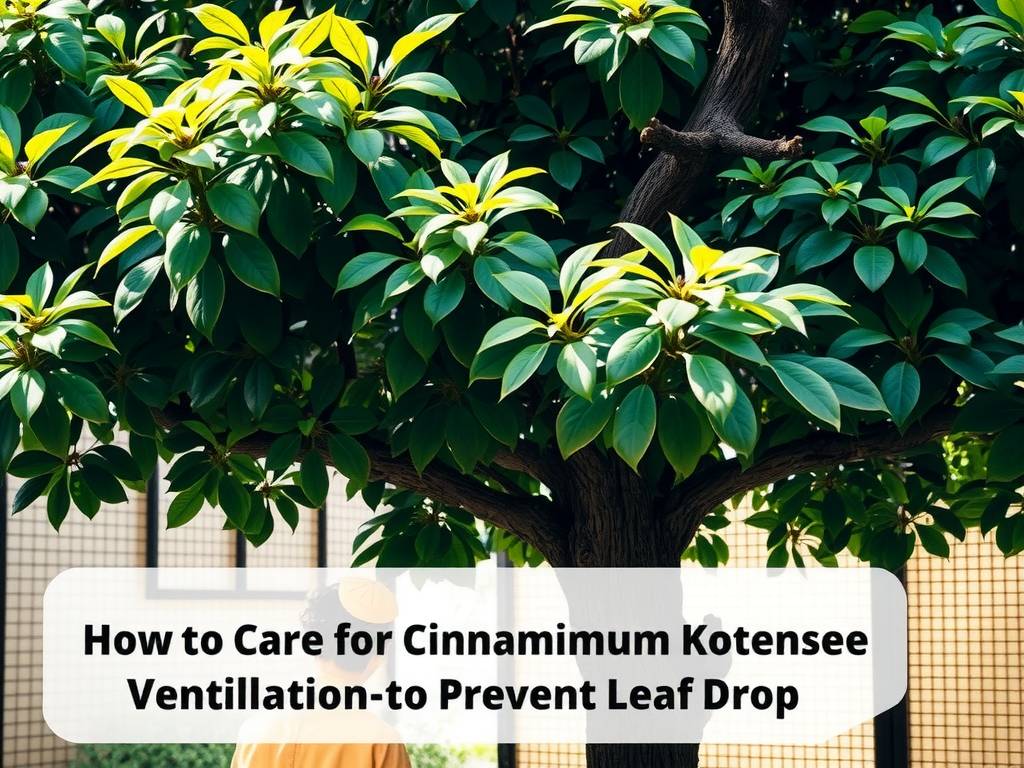
How do I know if the air flow is too strong for my plant? Signs of excessive draft or wind include leaves curling inward, brown crispy edges on leaves facing the air source, or leaves that seem persistently dehydrated despite regular watering. The leaves should flutter gently, not whip or twist violently. If you observe these signs, redirect fans, move the plant, or provide a slight buffer, such as another plant or a porous screen, to diffuse the direct airflow.
Mastering the care of a large Cinnamomum kotoense hinges on understanding its need for a dynamic environment. Ventilation is the silent, often overlooked factor that ties together moisture management, disease prevention, and overall plant vigor. By moving from a static care routine to one that incorporates mindful air circulation, you create the conditions for your plant to not just survive, but to flourish with a full canopy of healthy, persistent leaves. The journey to a resilient plant begins with a simple breeze.