bluename
 How to Care for Double-Petal Kalanchoe - Pinch to Promote Branches & Double Blooms
Have you ever brought home a stunning double-petal kalanchoe, only to watch it grow tall, leggy, and produce fewer of those gorgeous, rose-like blooms with each passing season? You water it, give it sunlight, yet it refuses to bush out or rebloom with the same vigor. This common frustration stems from a simple, often overlooked technique: strategic pinching. Mastering how to care for double-petal kalanchoe isn't just about basic needs; it's about understanding its growth cycle and actively shaping it for maximum floral display. This guide will transform your approach, turning a sparse plant into a lush, blooming masterpiece.
Understanding Your Double-Petal Kalanchoe
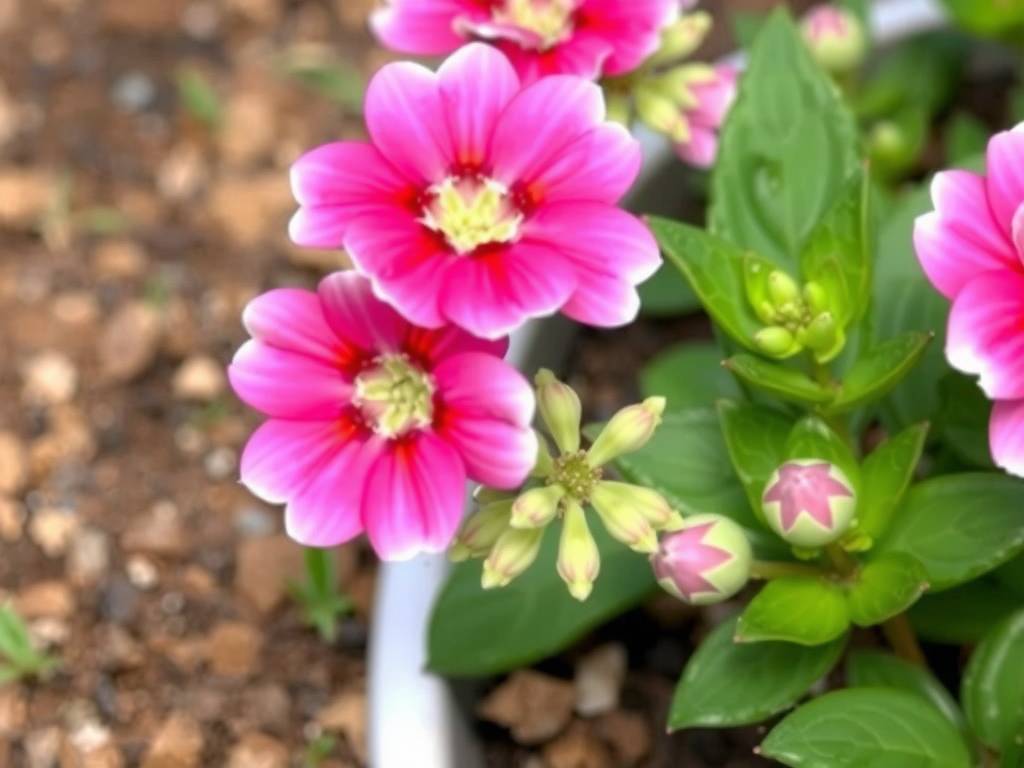
Before we dive into the "how," let's understand the "why." The double-petal kalanchoe (Kalanchoe blossfeldiana cultivars) is a succulent prized for its clusters of multi-layered flowers. Unlike single-petal varieties, these blooms are fuller, resembling miniature roses or carnations. However, their growth habit is inherently apical-dominant, meaning the plant directs energy to the main, central growing tip. This results in vertical growth at the expense of side branches, leading to a sparse, top-heavy appearance and ultimately fewer bloom sites.
The secret to a fuller plant lies in interrupting this apical dominance. By pinching or pruning the tips, you signal the plant to redirect energy to dormant buds lower down on the stem, encouraging them to grow into new branches. More branches mean more terminals where flower clusters can form, exponentially increasing your bloom potential.
The Essential Practice: Pinching for Bushier Growth
Pinching is a gentle form of pruning done with your fingertips. It's the single most effective practice for shaping your double-petal kalanchoe and is crucial for encouraging side shoots.
The best time to pinch is during the active growing season, typically from spring through early summer. Avoid heavy pinching in late fall or winter when the plant is preparing for or is in bloom. The goal is to give new branches time to establish and set buds for the next flowering cycle.
Here is the step-by-step process:
- Identify the right spot: Look for a healthy stem that has developed at least 2-3 sets of mature leaves (nodes).
- Locate the growth tip: Find the very top, small set of new leaves (the apical meristem).
- Pinch: Using your thumb and forefinger, cleanly pinch off the top 1/2 to 1 inch of the stem, just above a set of leaves. You can also use sterilized, sharp scissors or micro-tip pruners for precision.
- Repeat: Apply this technique to all primary stems to create a balanced, uniform shape.
Within a few weeks, you should see one or two new tiny shoots emerging from the leaf nodes just below your pinch point. Each of these will grow into a new flowering stem. According to horticultural best practices from the Royal Horticultural Society (RHS), regular pinching of soft growth is recommended for many pot plants, including kalanchoes, to produce stocky, well-branched specimens. This simple act fundamentally changes the plant's architecture.
Strategic Pruning for Renewal and Shape
While pinching manages soft new growth, occasional light pruning handles older, woodier stems. This is vital for long-term care of a double-petal kalanchoe, especially for plants that have become overly elongated or after a blooming cycle has finished.
Post-Bloom Pruning: Once the spectacular flower clusters begin to fade and wither, it's time for action. This is a critical window. Using sterilized pruning shears, cut back the entire flower stalk to just above the first or second set of large leaves below it. This removes the spent energy sink and encourages the plant to focus on vegetative growth rather than seed production.
Rejuvenation Pruning: For an older, leggy plant, don't be afraid to make more assertive cuts. You can cut back up to one-third of the plant's overall height, always making cuts just above a leaf node. This may seem drastic, but it stimulates vigorous new growth from the base and lower stems, effectively restarting the plant's form. The American Horticultural Society's Pruning & Training guide affirms that such renewal pruning on succulents and soft-stemmed plants promotes denser, healthier foliage.
Optimizing Conditions for Branching and Prolific Blooms
Pinching and pruning provide the framework, but environmental conditions fuel the growth. To get those side shoots to thrive and set abundant double blooms, you must perfect the plant's core care.
Light: The Non-Negotiable Factor Double-petal kalanchoes need bright, indirect light for at least 6-8 hours daily to grow compact and strong. An east or west-facing window is ideal. Insufficient light is a primary cause of etiolation—stretchy, weak growth that defeats the purpose of pinching. If natural light is limited, consider supplementing with a grow light. However, to trigger the actual flowering process, they require a period of long nights (short-day cycles). For about 6 weeks, provide 14-16 hours of uninterrupted darkness daily to initiate bud formation.
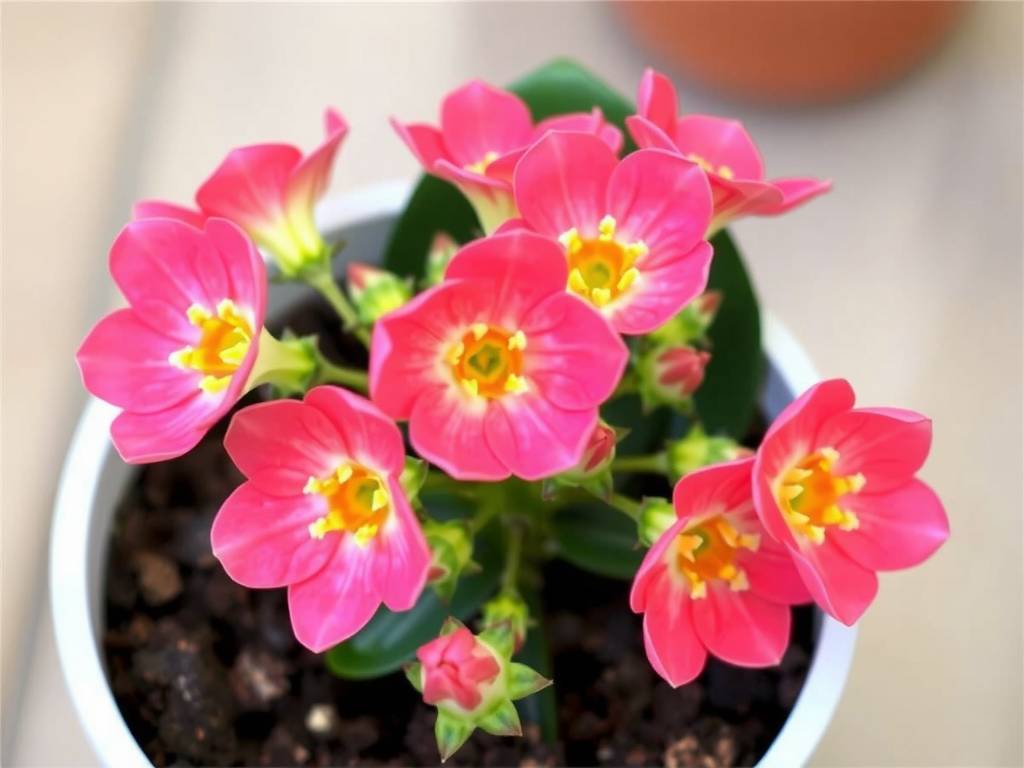
Watering and Soil: The Foundation of Health As succulents, these plants are drought-tolerant and highly susceptible to overwatering. Use a well-draining cactus or succulent mix. Water only when the top 1-2 inches of soil are completely dry, then water thoroughly until it drains from the pot's bottom. Always empty the saucer. Wet, soggy soil leads to root rot, which no amount of pinching can fix.
Nutrition: Fuel for Growth and Flowers Feed your kalanchoe during its active growth and budding periods. After pinching, apply a balanced, water-soluble fertilizer (e.g., 10-10-10 or 20-20-20) diluted to half-strength every 4-6 weeks. Once you see flower buds forming, you can switch to a fertilizer with a slightly higher phosphorus content (the middle number) to support bloom development. Cease fertilization during the winter rest period and during the forced dark period for bud set.
Common Pitfalls to Avoid in Your Care Routine
Even with the best intentions, mistakes can hinder your success. Avoid these common errors:
- Pinching at the Wrong Time: Pinching too late in the season (e.g., early fall) can remove developing flower buds, preventing winter blooms.
- Overwatering After Pruning: A pruned plant uses slightly less water initially. Maintain your "soak and dry" cycle; don't keep the soil moist out of sympathy.
- Neglecting Light After Shaping: The new branches you worked hard to promote will also become leggy if light is insufficient. Ensure consistent, bright light year-round.
- Using Dull or Dirty Tools: This can crush stems or introduce disease. Always use clean, sharp instruments.
Frequently Asked Questions
My kalanchoe hasn't bloomed again since I bought it. What am I doing wrong? The most likely culprit is a lack of the required long-night cycle. These plants need 6+ weeks of short days (long nights) to set buds. Ensure it gets 14-16 hours of complete darkness each night, away from any artificial indoor lighting. Also, remember to prune spent flowers and provide adequate light and fertilizer during the growing season to build the plant's energy for the next bloom.
How often should I pinch my plant to make it fuller? During the primary growing season (spring and summer), you can pinch new growth every few weeks. Once you pinch a stem and two new shoots form, you can optionally pinch those secondary shoots once they have developed 2-3 nodes of their own. This creates a very dense, bushy form. Stop all pinching by mid-summer to allow the plant to develop terminals that will become flower buds in the fall.
Is it better to pinch with fingers or use scissors? For soft, new growth, pinching with clean fingers is perfectly fine and quick. For slightly tougher stems or more precise cuts (like post-bloom pruning), sterilized, sharp micro-tip pruners or scissors are better. They make a clean cut that heals quickly, minimizing stress and the risk of disease. The key is cleanliness to prevent transmitting pathogens.
Caring for a double-petal kalanchoe is a rewarding journey of partnership with your plant. By actively pinching to promote branches, you directly influence its shape and floral potential. Combine this hands-on technique with optimized light, careful watering, and seasonal feeding, and you'll unlock its true capacity. The result is not just survival, but a thriving, compact succulent that rewards your effort with a spectacular, double-bloomed display season after season. Start observing your plant's growth patterns, and don't hesitate to make that first, strategic pinch—it's the beginning of a more beautiful plant.