bluename
 How to Care for Double-Petal Cyclamen - Watering to Avoid Crown & Bulb Rot
There's a special kind of heartbreak that comes with watching a beautiful double-petal cyclamen begin to fail. You brought it home, a cascade of ruffled blooms in vibrant pinks, reds, or whites, only to see its leaves yellow, stems collapse, and the entire plant succumb to a mushy, silent demise. Often, the culprit isn't neglect, but a well-intentioned mistake: improper watering.
The lush, layered flowers of the double-petal cyclamen make it a coveted houseplant, but its unique structure also makes it exceptionally vulnerable to rot at its crown and bulb (more accurately, a tuber). Mastering the art of watering is not just a tip; it's the single most critical skill for ensuring your plant thrives for seasons to come. This guide will provide a clear, step-by-step framework for how to care for double-petal cyclamen with a laser focus on watering to avoid crown and bulb rot.
Understanding the Cyclamen's Unique Anatomy
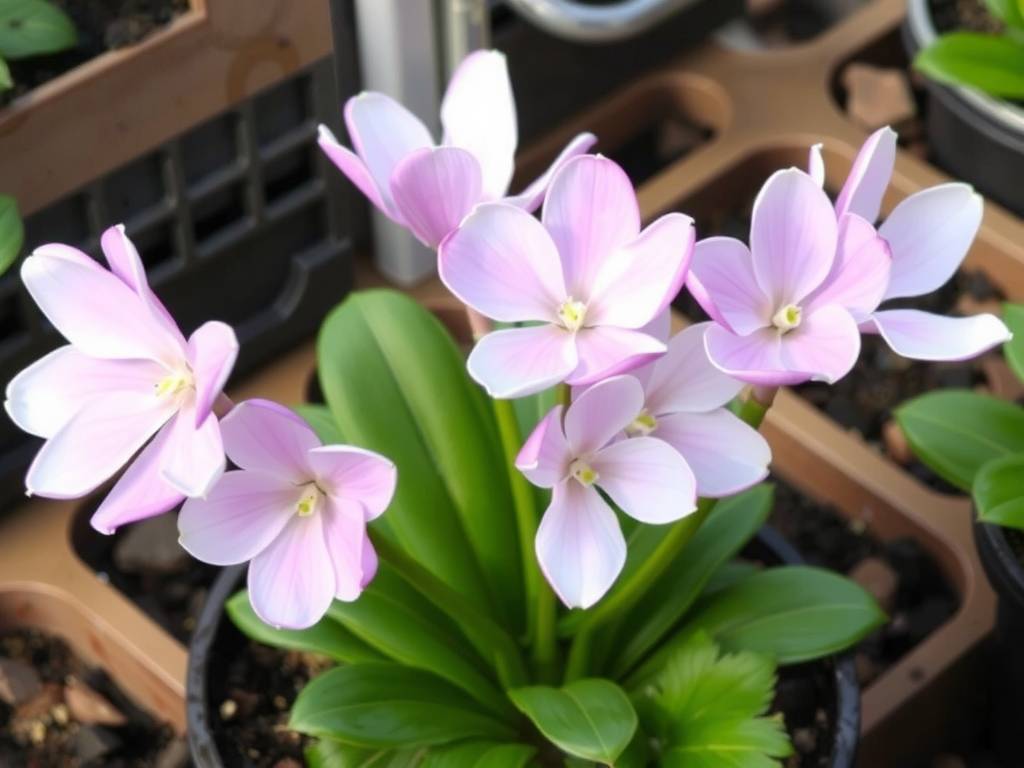
To water correctly, you must first understand what you're protecting. The cyclamen's growth point, the crown, sits at the very top of its rounded, flattened tuber, often right at the soil line. Leaves and flower stems emerge directly from this central crown. When water pools and sits in this area, it creates a perfect environment for fungal and bacterial pathogens, leading to crown rot. Similarly, if the tuber itself sits in constantly soggy soil, bulb (tuber) rot sets in, attacking the plant's energy storage system from below. The Royal Horticultural Society (RHS) explicitly warns that "overwatering is the most common cause of cyclamen failure," highlighting the importance of this specific care aspect.
The Golden Rule: Water from the Bottom
This is the non-negotiable cornerstone of preventing rot. Top-watering, where you pour water onto the soil surface, almost inevitably leads to water collecting in the crown and leaf bases.
Here is your fail-safe method:
- Fill a saucer, bowl, or sink with about an inch of tepid water. Avoid cold water, which can shock the tuber.
- Place your cyclamen's pot (with drainage holes!) into the water. Let it sit for 15-30 minutes.
- You will see the soil's surface become moist. Once it feels damp to the touch, remove the pot from the water.
- Crucially, allow the pot to drain completely in an empty sink or over a rack before returning it to its decorative cover or saucer. Never let the pot stand in drained water.
This technique allows the tuber and roots to draw up the moisture they need from below, while the crown and top of the tuber remain perfectly dry.
Reading Your Plant's Thirst Cues: The "Finger Test" and Weight Method
Cyclamen prefer a "feast or famine" approach, mimicking their native Mediterranean habitat. The goal is to let the soil approach dryness between waterings, but not to the point where the plant wilts severely.
- The Finger Test: Insert your finger about an inch into the soil. If it feels dry, it's time to water from the bottom as described. If it still feels cool and slightly moist, wait another day or two.
- The Pot Weight Method: Lift the pot. A pot that needs water will feel surprisingly light. After watering, note how heavy it feels. This comparison becomes an excellent, quick guide over time.
Remember, watering frequency is not a schedule (e.g., "every Tuesday"). It depends on factors like room temperature, humidity, light levels, and pot size. Plants in cooler, brighter rooms may need water less frequently than those in warmer spots.
Seasonal Watering Adjustments for Longevity
Your double-petal cyclamen's life cycle dramatically impacts its water needs.
- Active Growth & Bloom (Fall to Spring): This is when the plant is putting energy into its stunning flowers. Maintain consistent moisture using the bottom-watering method, never letting the plant sit in water.
- Dormancy (Summer): After flowering, leaves will yellow as the plant enters a rest period. This is natural. Gradually reduce watering as the foliage dies back. The American Horticultural Society (AHA) advises keeping the tuber "just barely moist" during dormancy to prevent it from shriveling completely. Place the pot in a cool, dark place for 8-10 weeks. A slight, occasional misting of the soil surface may be all that's needed.
Supporting Practices: The Right Environment for Dry Crowns
Proper watering works best when paired with the right conditions.
- Potting Mix is Paramount: Use a light, fast-draining, and airy potting mix. A blend formulated for African violets or a mix of regular potting soil with added perlite or coarse sand is ideal. This prevents water from clinging to the tuber.
- Drainage Holes are Mandatory: This cannot be overstated. Your pot must have one or more large drainage holes.
- Pot Size Matters: Cyclamen prefer to be slightly pot-bound. A pot that is too large holds excess soil that stays wet for too long, encircling the tuber in dampness. Repot only when absolutely necessary, and only to a pot one size larger.
- Air Circulation: Good airflow around the plant helps evaporate any accidental moisture on leaves and crown. Avoid cramming it into a crowded plant shelf.
Troubleshooting: Signs You're on the Wrong Path
- Yellowing Leaves Starting from the Crown: This is a classic early sign of overwatering or crown rot.
- Mushy, Collapsing Stems or Crown: An advanced sign of rot. You may need to remove affected tissue carefully, but prevention is the only reliable cure.
- Wilting Despite Wet Soil: This paradox often indicates root and tuber rot—the roots have died and can't take up water, even though the soil is wet. The plant then appears thirsty.
- Persistently Sopping Wet Soil: Your mix is too heavy, your pot lacks drainage, or you are not allowing it to drain after watering.
What should I do if I accidentally pour water into the crown? Immediately tip the plant to its side to pour out any standing water. Use a paper towel or cotton swab to gently blot any moisture from between the leaves and the crown. Increase air circulation around the plant for the next few days to help it dry.
Can I use ice cubes to water my cyclamen to avoid overwatering? No. This is a common but harmful myth for cyclamen. The ice-cold temperature can damage the sensitive tuber and roots, causing shock and stress. It also leads to uneven watering. Stick to the bottom-watering method with tepid water for consistent, safe hydration.
My cyclamen's leaves are yellowing. Does this always mean overwatering? Not always. While overwatering is the most common cause, yellowing leaves can also signal the natural onset of dormancy after flowering, especially if it's late spring or summer. Assess your watering habits and the season. If you've been watering correctly and it's the growing season, consider if the plant is getting too much direct sun (which can scorch leaves) or if it needs a light feeding with a diluted, balanced fertilizer.
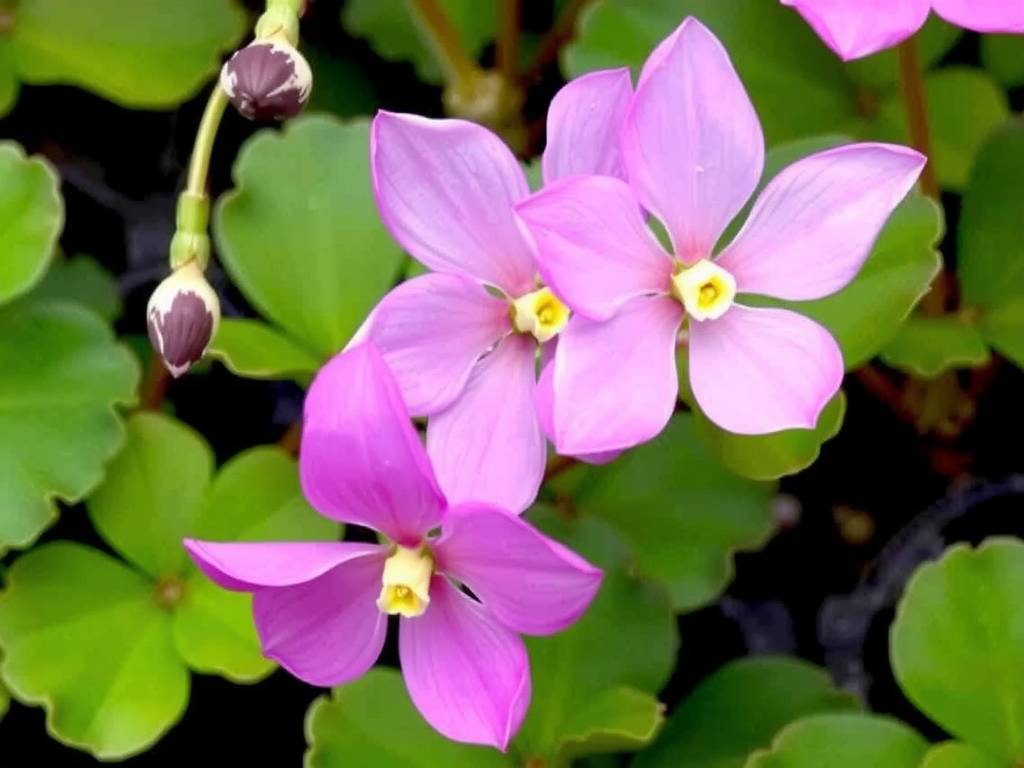
Success with the double-petal cyclamen is deeply rewarding. Its elegant, fluttering blooms are a testament to the care you provide. By embracing bottom-watering as your primary technique, learning to accurately gauge moisture, and providing a well-draining home, you create an environment where crown and bulb rot simply cannot take hold. Your plant will respond with vigorous growth and a spectacular display of flowers that defies the delicate appearance of its ruffled petals. The key is patience, observation, and respecting the plant's natural need for a careful balance between moisture and air.