bluename
 How to Care for Large-Leaf Gardenia: Using Acidic Fertilizer to Prevent Yellow Leaves
There’s nothing more disheartening for a gardener than watching the lush, dark green leaves of a prized large-leaf gardenia slowly fade to a sickly yellow. This common issue often strikes at the heart of the plant’s health and beauty, leaving many wondering what they’ve done wrong. If you're struggling with yellowing leaves on your gardenia, you're not alone. The solution frequently lies beneath the surface, in the soil's chemistry and the specific nutrients you provide. Mastering the use of acidic fertilizer to prevent yellow leaves is not just a tip—it’s a fundamental requirement for unlocking the vibrant health and spectacular blooms of your large-leaf gardenia. This guide will walk you through the precise steps, backed by expert horticultural science, to transform your plant’s care routine.
Understanding the Large-Leaf Gardenia’s Unique Needs
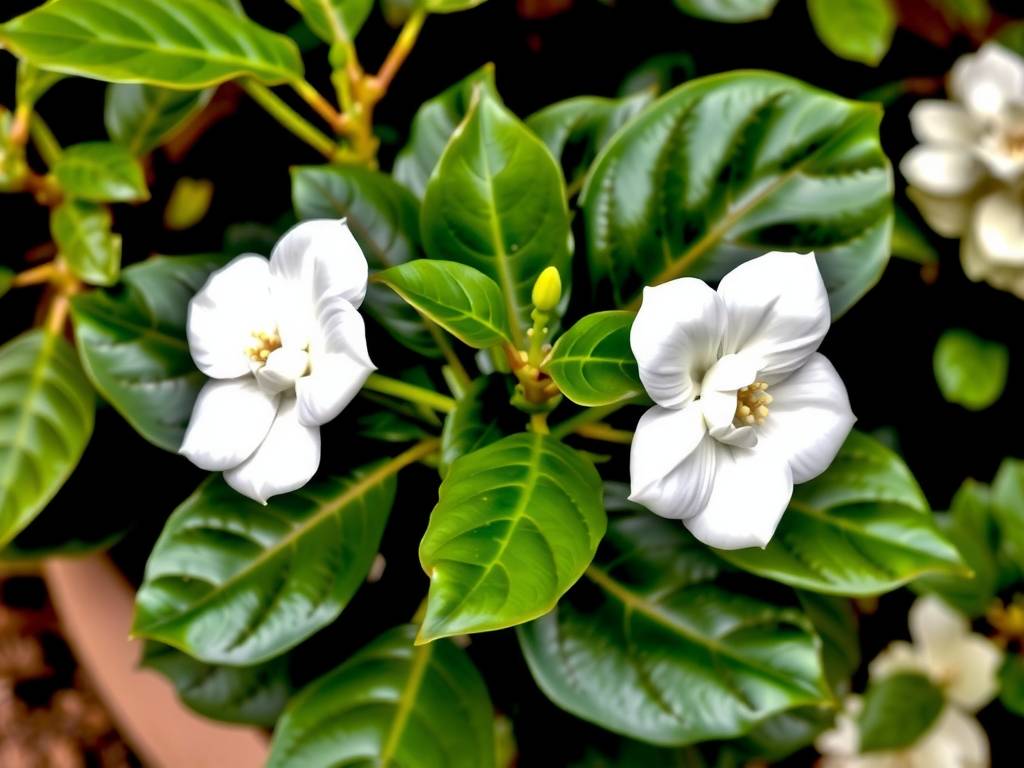
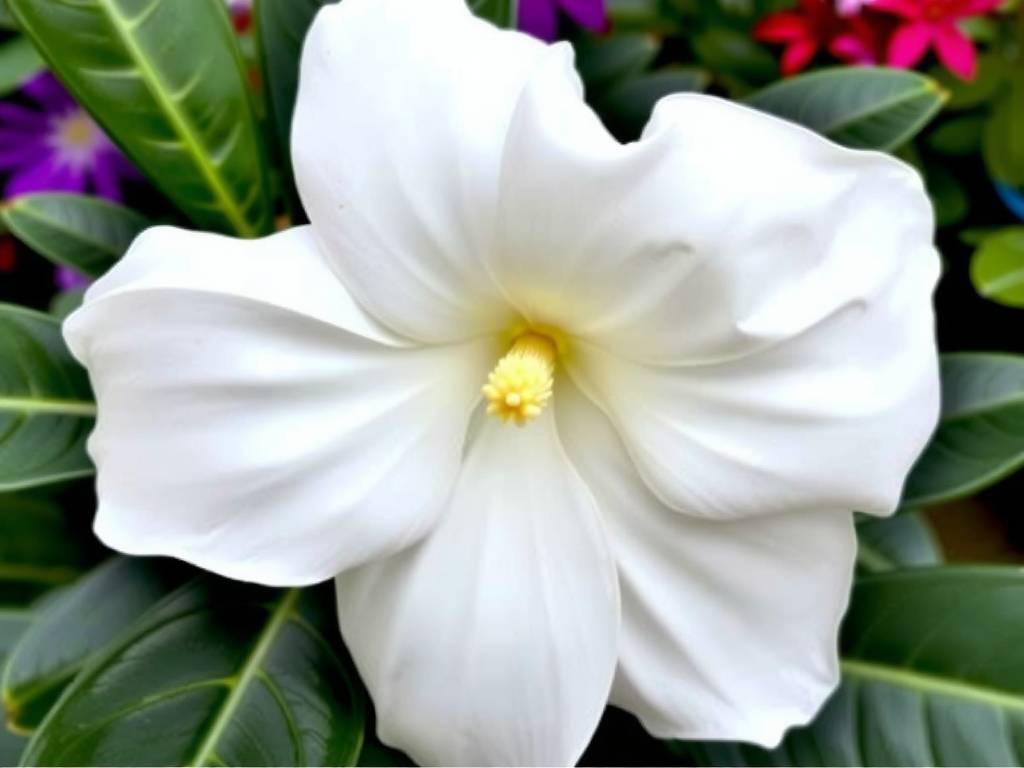
Large-leaf gardenias (Gardenia jasminoides 'August Beauty' or 'Mystery' are popular varieties) are celebrated for their glossy, substantial foliage and intensely fragrant, creamy-white flowers. However, their elegance comes with specific demands. These plants are acid-loving, meaning they thrive in soil with a pH between 5.0 and 6.0. When the soil pH creeps above this range, it triggers a chain reaction of nutrient deficiencies, with iron being the most critical. Iron is essential for chlorophyll production—the green pigment that powers photosynthesis. In alkaline or neutral soil, iron becomes "locked up" and unavailable to the plant's roots, leading directly to chlorosis, the technical term for yellowing leaves where the veins often remain green.
Why Acidic Fertilizer is Non-Negotiable
A standard, all-purpose fertilizer simply won’t suffice for gardenias. In fact, it can worsen the problem. Acidic fertilizer serves a dual purpose: it provides the right balance of nutrients and helps maintain the low soil pH that gardenias crave. According to the American Horticultural Society (AHS), using fertilizers formulated for acid-loving plants like azaleas, camellias, and rhododendrons is the most effective way to supply nutrients in a form gardenias can readily absorb. These specialized blends are typically higher in nitrogen and contain essential micronutrients like iron and manganese in chelated forms, which remain available even in less-than-ideal pH conditions. This targeted nutrition is your primary defense against the dreaded yellow leaf.
Choosing the Right Acidic Fertilizer for Your Gardenia
Not all acidic fertilizers are created equal. Your choice depends on your plant's medium and your preferred care style.
- Water-Soluble Fertilizers: These powders or liquids, such as those labeled for acid-loving plants, provide a quick nutrient boost. They are ideal for container-grown large-leaf gardenias, as they can be applied with regular watering every 2-4 weeks during the growing season (spring through summer). They allow for precise control and rapid correction of minor deficiencies.
- Slow-Release Granular Fertilizers: These pellets are coated to release nutrients gradually over 3-4 months. They are excellent for in-ground gardenias or as a season-long foundation for potted plants. They offer convenience and reduce the risk of over-fertilization, a common cause of root burn.
- Organic Options: For the organic gardener, amendments like cottonseed meal, fish emulsion, or specially formulated organic blends for acid lovers are superb choices. They feed the plant and improve soil structure over time. The Royal Horticultural Society (RHS) notes that organic matter like peat moss or leaf mold incorporated into the planting area can also help lower pH naturally.
Look for a fertilizer with an N-P-K ratio where the first number (Nitrogen) is higher, such as 4-3-3 or 3-1-2, and ensure it lists added iron or other micronutrients.
A Step-by-Step Guide to Fertilizing and Preventing Yellow Leaves
Proper technique is as important as the product itself. Follow this regimen to keep your large-leaf gardenia deeply green.
-
Test Your Soil First: Before applying anything, conduct a soil pH test. Home test kits are readily available. This tells you your starting point. If your soil pH is above 6.5, you may need to apply a soil acidifier (like elemental sulfur or aluminum sulfate) in addition to an acidic fertilizer to correct the underlying condition.
-
Timing is Everything: Begin fertilizing in early spring as new growth emerges. This supports the development of new leaves and flower buds. Continue through the summer, but stop fertilizing by late summer or early fall. Fertilizing too late in the season encourages tender new growth that can be damaged by winter cold.
-
The Application Process: For granular fertilizers, scatter the recommended amount evenly around the plant's drip line (the area under the outer branches), avoiding direct contact with the main stem. Water deeply immediately after application to start releasing nutrients into the root zone. For liquid fertilizers, dilute as directed and apply to moist soil to prevent root shock.
-
Watering Practices: Consistent, deep watering with rainwater or distilled water is ideal. Tap water, especially in hard water areas, can gradually raise soil pH over time. Water when the top inch of soil feels dry, ensuring the root ball is thoroughly moistened but never soggy. Proper hydration ensures nutrients are transported throughout the plant.
-
Monitor and Adjust: Observe your plant's response. Deep green, glossy new growth is a sign of success. If yellowing persists, particularly on new leaves, it strongly indicates an ongoing iron deficiency. A supplemental application of a chelated iron product, used according to label instructions, can provide a rapid green-up.
Beyond Fertilizer: Holistic Care for Leaf Health
While acidic fertilizer to stop yellowing is crucial, it works best within a complete care framework.
- Light: Provide bright, indirect light. Too much direct, hot sun can scorch leaves, causing brown or yellow patches, while too little light weakens the plant.
- Humidity: Gardenias love humidity. Indoor plants benefit from a pebble tray filled with water or a nearby humidifier. Dry air can cause leaf tips to brown and drop.
- Pruning: Prune lightly after the main bloom period to maintain shape and encourage bushier growth. Always use clean, sharp tools.
Troubleshooting Other Causes of Yellow Leaves
If you're using an acidic fertilizer correctly but yellowing continues, consider these other culprits:
- Overwatering: Constantly wet soil suffocates roots, preventing them from absorbing nutrients, leading to generalized yellowing and leaf drop.
- Poor Drainage: Heavy, compacted soil has the same effect. Ensure your gardenia is planted in well-draining, aerated soil mix.
- Pests: Sap-sucking insects like spider mites, aphids, or whiteflies can stress the plant and cause yellow stippling. Inspect the undersides of leaves regularly.
What is the fastest way to green up a yellowing gardenia? For a rapid response to iron-deficiency chlorosis, apply a liquid chelated iron supplement as a soil drench or foliar spray. You should see improvement in new growth within a few weeks. However, this is a corrective measure; maintaining the correct soil pH with regular acidic fertilizer applications is the long-term solution.
Can I use coffee grounds as an acidic fertilizer for my gardenia? Used coffee grounds are slightly acidic and can be a mild amendment. They are better viewed as a soil conditioner that adds organic matter rather than a complete fertilizer. Sprinkle thin layers around the plant and mix into the topsoil, but do not rely on them solely for nutrient needs. Over-application can create a dense barrier and impede water penetration.
How often should I fertilize my potted large-leaf gardenia? During the active growing season (spring and summer), fertilize a potted gardenia with a water-soluble acidic fertilizer every 3-4 weeks. Reduce frequency in fall and withhold fertilizer entirely during the winter dormancy period. Always ensure the soil is moist before applying liquid fertilizer to protect the roots.
Caring for a large-leaf gardenia is a rewarding practice that centers on understanding its fundamental need for acidic soil. By selecting a targeted acidic fertilizer and applying it as part of a consistent, thoughtful care routine, you directly address the primary cause of yellow leaves. This approach, combined with appropriate light, water, and humidity, allows your gardenia to express its full potential—displaying a canopy of deep, glossy green leaves that perfectly frame its exquisite, fragrant blossoms. The key is to work with the plant's nature, providing the specific conditions it has evolved to love.