bluename
 How to Care for Double-Petal Jasmine - Sufficient Light for Stronger Fragrance
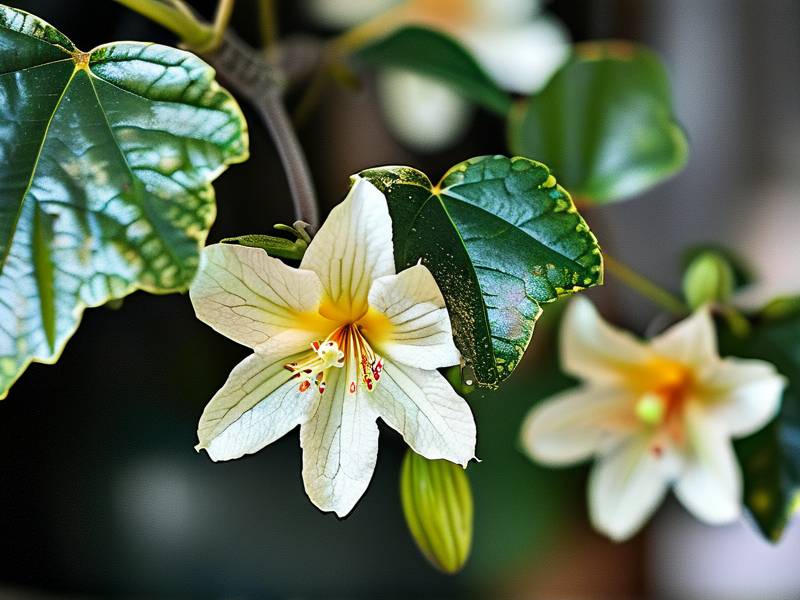
You’ve lovingly brought home a double-petal jasmine, enchanted by the promise of its lush, multi-layered blooms and intoxicating scent. Yet, weeks later, you might find it leggy, with sparse flowers and a fragrance that’s barely a whisper. The heart of the issue often isn’t water or fertilizer—it’s light. Achieving that legendary, stronger fragrance in your double-petal jasmine is directly tied to one critical factor: providing sufficient light.
This comprehensive guide will walk you through exactly how light transforms your plant’s health and scent potency. We’ll move beyond basic care tips into the science of photosynthesis and essential oil production, ensuring your jasmine doesn’t just survive, but thrives spectacularly.
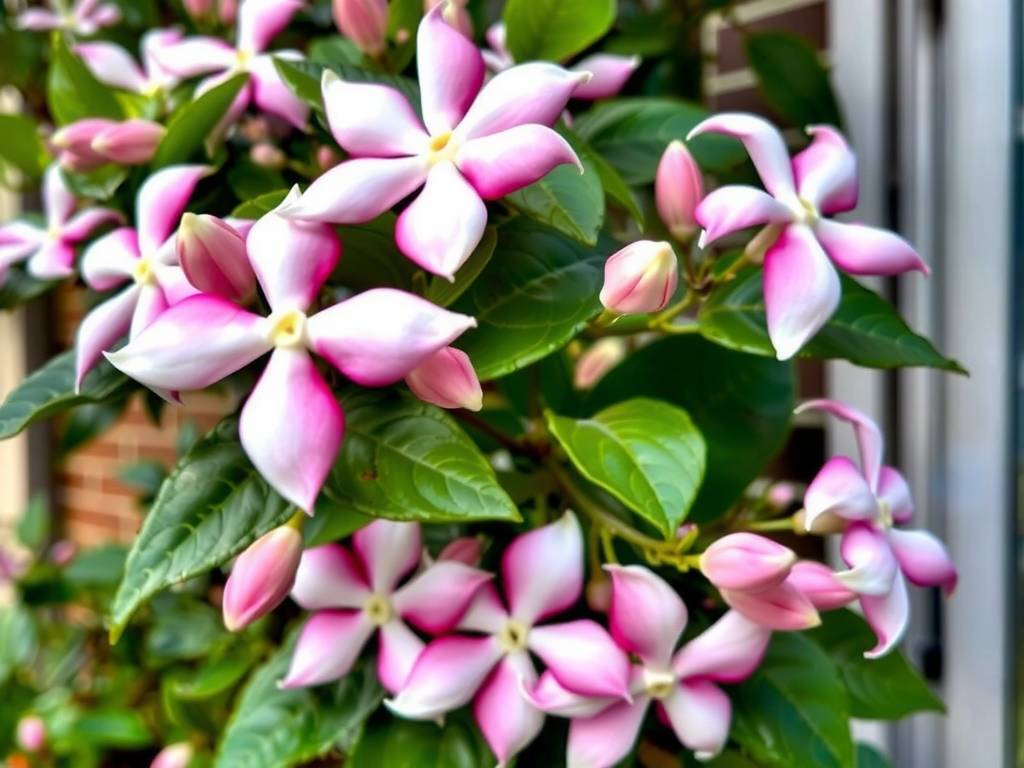
Understanding Your Double-Petal Jasmine’s Light Appetite
Double-petal jasmine (often Jasminum sambac ‘Grand Duke of Tuscany’ or similar cultivars) is a sun worshipper at its core. In its native tropical and subtropical habitats, it basks in bright, direct sunlight for a significant portion of the day. The plant’s very biology is engineered to convert abundant light into the energy required for its demanding double-flower production.
When we speak about sufficient light for stronger fragrance, we’re discussing the plant’s non-negotiable fuel source. The fragrant compounds, primarily benzyl acetate, linalool, and benzyl benzoate, are secondary metabolites. Their production is energy-intensive. Ample light powers robust photosynthesis, creating the surplus carbohydrates needed to synthesize these volatile aromatic oils in greater quantities. Simply put, more quality light equals a more potent perfume.
Decoding “Sufficient Light”: Intensity, Duration, and Quality
What does “sufficient” truly mean for your indoor or patio plant? It’s a combination of factors.
Light Intensity: Bright Direct to Partial Sun For optimal flowering and fragrance, your double-petal jasmine requires bright direct sunlight for at least 4-6 hours daily. An east-facing location providing morning sun is ideal, as it offers strong light without the potentially scorching intensity of late afternoon western exposure. A south-facing window is excellent in the Northern Hemisphere. Observe the shadow test: a sharp, well-defined shadow cast by your hand indicates high light intensity, which is perfect.
Photoperiod: The Importance of Day Length Jasmine is responsive to day length. Longer summer days naturally promote vigorous growth and bud formation. During shorter winter days, even with bright light, growth may slow. This is normal. The Royal Horticultural Society (RHS) notes that Jasminum sambac benefits from maximum light exposure year-round to support its evergreen foliage and encourage blooming cycles.
Signs Your Jasmine is Craving More Light Your plant communicates its needs. Be alert for these symptoms of insufficient light:
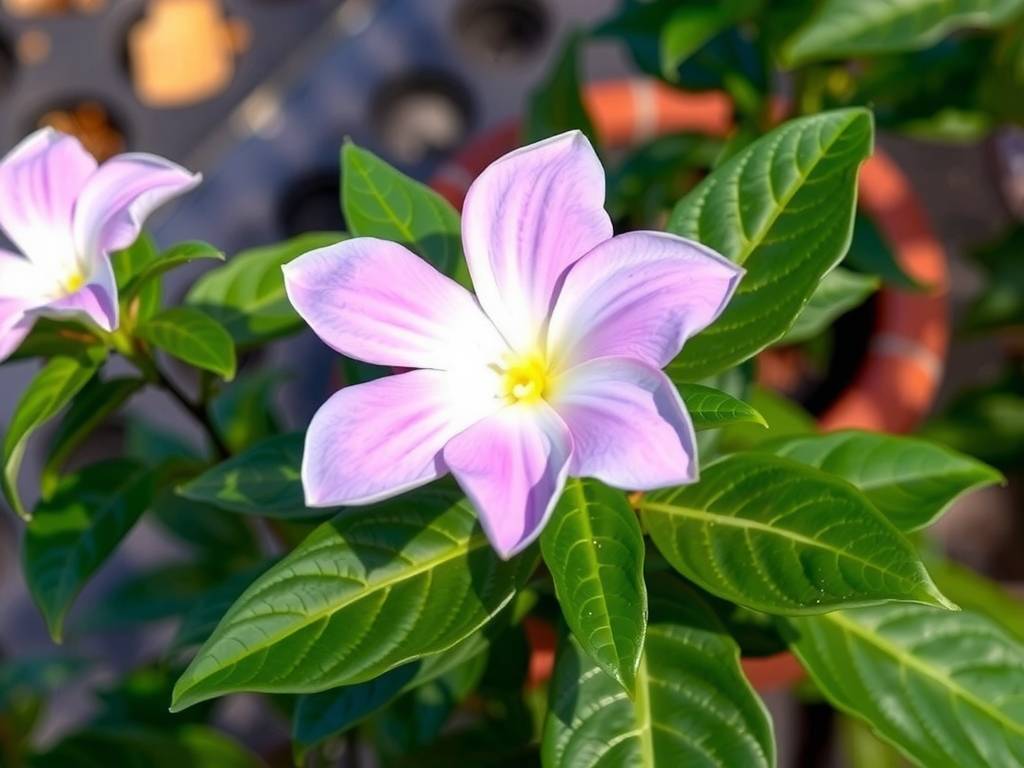
- Leggy Growth: Extended spaces between leaves (internodes) as the plant stretches toward any light source.
- Sparse or No Flowering: Bud formation is inhibited without adequate light energy.
- Weak Fragrance: Existing flowers may smell faint.
- Pale or Yellowing Leaves: Reduced chlorophyll production leads to faded foliage.
- Leaf Drop: Older leaves may yellow and fall off as the plant conserves resources.
Optimizing Light Conditions for Maximum Scent
Perfect Placement: Indoors and Outdoors For indoor plants, proximity to a window is key. Place it within 1-2 feet of a south or east-facing window. Regularly rotate the pot a quarter turn to ensure even growth. During warm summer months, consider moving your plant outdoors to a patio or balcony with partial sun to give it a natural light boost. Acclimate it gradually over a week to prevent sunburn on leaves accustomed to indoor conditions.
Supplementing with Grow Lights: A Game-Changer for Indoor Cultivation If your home lacks natural bright light, especially in winter, full-spectrum LED grow lights are an excellent solution for providing adequate light for healthy jasmine. They mimic the sun’s spectrum, supporting both growth and flowering. Position the light 6-12 inches above the plant and maintain a photoperiod of 12-14 hours using a timer. The American Horticultural Society (AHS) highlights that modern LEDs allow indoor gardeners to successfully cultivate light-demanding flowering plants by providing the necessary light intensity and quality.
Seasonal Light Management and Adjustments Summer care involves ensuring the plant is hydrated to handle the increased transpiration from full sun. In winter, maximize every bit of available natural light. Clean your windows to remove film and dust that can block up to 10% of light. Move the plant to the sunniest possible spot. A grow light can compensate for the shorter, often grayer, winter days, maintaining the plant’s health and setting the stage for spring blooming.
The Synergy of Light with Other Care Essentials
Light doesn’t work in isolation. Its effectiveness is multiplied when paired with correct watering, feeding, and pruning.
Watering in Harmony with Light A plant in strong direct sunlight will use water much faster than one in shade. The goal is consistently moist, well-draining soil. Water deeply when the top inch of soil feels dry, ensuring excess water drains away. Under bright light, this may mean watering more frequently in summer. Overwatering in low-light conditions is a common killer, as roots cannot absorb moisture efficiently without photosynthetic activity.
Feeding for Flowers and Fragrance Fertilizer provides the building blocks that light energy assembles. During the active growing season (spring to fall), feed your jasmine with a balanced, water-soluble fertilizer (like a 10-10-10 or 7-9-5 formula) every 2-4 weeks. A fertilizer with slightly higher phosphorus (the middle number) can promote better blooming. Remember, fertilizing a plant in low light is ineffective and can lead to salt buildup in the soil.
Pruning to Encourage Light Penetration and Blooming Strategic pruning maintains a bushy shape and allows light to reach the plant’s interior. After a flush of blooms, prune back leggy stems and remove any dead or crowded branches. This directs the plant’s energy, fueled by light, into producing new growth and flower buds. Pruning is best done in late winter or early spring before the main growth period.
Troubleshooting Common Light-Related Problems
Even with good intentions, problems arise. Here’s how to fix them.
Dealing with Sunburn If leaves develop brown, crispy patches after moving to brighter light, it’s sunburn. The plant was moved too quickly. Solution: Move it to a spot with bright, indirect light for a week or two, then gradually reintroduce it to direct sun in increments of 1-2 hours per day.
Reviving a Light-Starved Plant For a leggy, pale jasmine, practice patience. Gradually move it to a brighter location over 2-3 weeks to avoid shock. Give it a gentle pruning to remove the weakest growth. Resume a consistent watering and feeding schedule. New growth should appear darker green and more compact.
Ensuring Strong Blooms Through Proper Light Exposure If your plant is healthy but not flowering, reassess its light. It likely needs more direct sun. Ensure you are not over-fertilizing with a high-nitrogen formula, which promotes leaves at the expense of flowers. A period of slightly cooler nighttime temperatures coupled with strong daytime light can often trigger bud formation.
Frequently Asked Questions
Can double-petal jasmine grow in full shade? No, it cannot thrive in full shade. While it might survive for a time, growth will be weak, flowering will be non-existent, and the plant will become increasingly susceptible to pests and disease. For any hope of blooms and fragrance, bright light is mandatory.
My jasmine gets afternoon sun and the leaves look faded. Is that too much light? Intense afternoon sun, especially in hot climates, can sometimes bleach or scorch leaves. If the foliage looks washed-out or has brown tips, it might be getting excessive heat and light. Consider providing light shade during the hottest part of the day (e.g., using a sheer curtain) or relocating it to a spot with morning sun and afternoon partial shade.
I use a grow light. Why is my plant still not fragrant? First, verify the light’s intensity and distance. It may not be strong enough or close enough. Second, consider other factors: fragrance peaks at night, so are you smelling it at the right time? Also, review other care aspects—consistent watering, appropriate humidity, and correct feeding all contribute to the plant’s overall vitality and its ability to produce scent.
Caring for your double-petal jasmine is a rewarding journey of understanding its language. By prioritizing sufficient, high-quality light, you directly fuel the engine behind its stunning double blooms and that unforgettable, stronger fragrance. Pair this luminous foundation with attentive watering, seasonal feeding, and thoughtful pruning, and you’ll transform your care routine from guesswork into a guaranteed success. Watch as your plant responds with vigorous growth, abundant flowers, and a scent that truly fills your space.