bluename
 How to Care for Double-Petal Schlumbergera - Post-Grafting Care for Vigorous Growth
You've successfully grafted your stunning double-petal Schlumbergera, a masterpiece combining the robust rootstock of a dragon fruit cactus with the breathtaking, multi-layered blooms of a holiday cactus. The initial excitement, however, can quickly turn to anxiety. Why are the new scion segments looking pale? Is that slight softening at the graft joint normal? You're not alone in this post-grafting nervousness. The first few months are critical, and improper care can undo all your careful work. This guide is designed to walk you through every essential step, transforming that fragile union into a vigorously growing, prolifically blooming specimen. Mastering post-grafting care for your double-petal Schlumbergera is the key to unlocking its full, spectacular potential.
Understanding Your Grafted Plant's Unique Needs
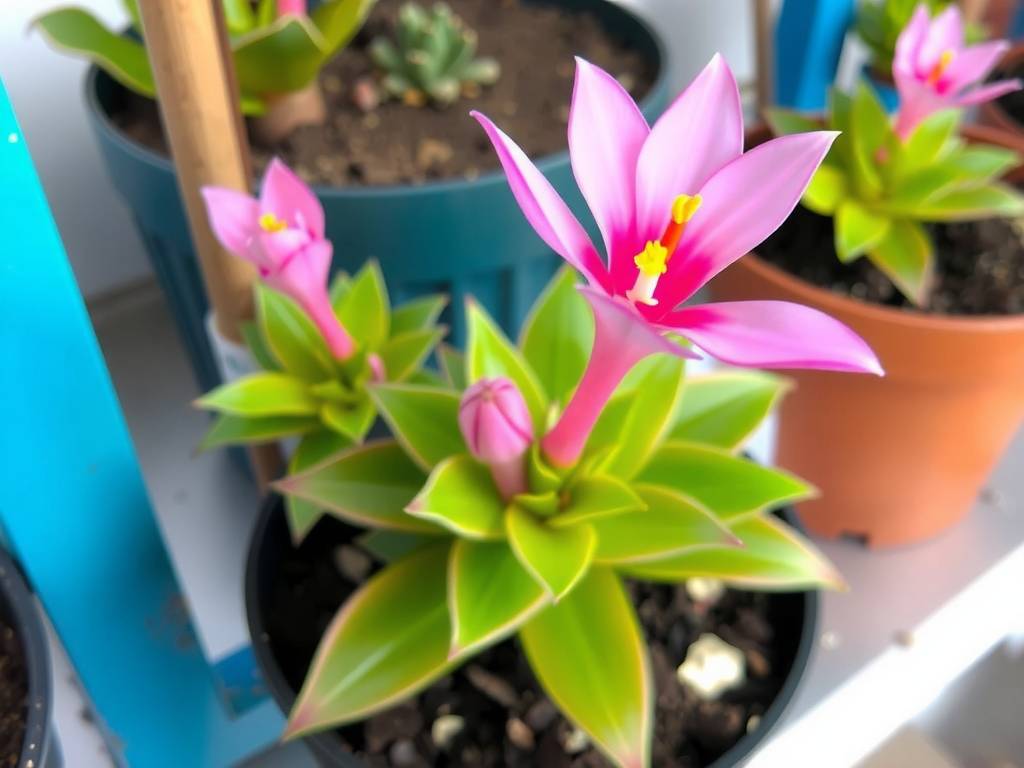
A grafted plant is a partnership. The rootstock (typically Hylocereus undatus, or dragon fruit) provides a powerful, fast-growing root system. The scion (your double-petal Schlumbergera) focuses its energy on producing its unique foliage and spectacular flowers. This partnership changes the care rules. You're no longer caring for a standard Schlumbergera; you're managing a symbiotic relationship that demands specific conditions to thrive.
The immediate goal is to ensure the graft union heals completely and the vascular tissues connect seamlessly. Long-term, your care will leverage the rootstock's vigor to support more abundant growth and flowering than the scion could achieve on its own roots.
The Critical First 4-6 Weeks: Securing the Graft Union
This period is all about stabilization and monitoring. Think of it as the plant's intensive recovery phase.
Providing the Right Environment for Healing
Immediately after grafting, your plant needs high humidity and stable, indirect light. Place it in a bright location but away from direct sunlight, which can scorch the tender scion and dehydrate the plant before the graft has taken. A humidity dome or a clear plastic bag loosely placed over the plant can help maintain 70-80% humidity around the graft site, reducing stress on the scion. Ensure there is some air circulation to prevent mold; propping the bag open slightly is often sufficient.
According to the American Horticultural Society's (AHS) guidelines on plant propagation, maintaining turgor pressure in the scion is critical for graft success. The high humidity environment minimizes transpiration (water loss) from the scion's segments, giving the callus tissue time to form at the union.
Watering with Extreme Caution
Overwatering is the fastest way to fail at this stage. The rootstock's roots are active, but the scion is not yet fully receiving that water. Water only when the top 1-2 inches of the growing medium are completely dry. When you do water, apply it to the soil base, avoiding the graft joint entirely. A moisture meter can be an invaluable tool here to prevent guesswork.
Monitoring for Success or Failure
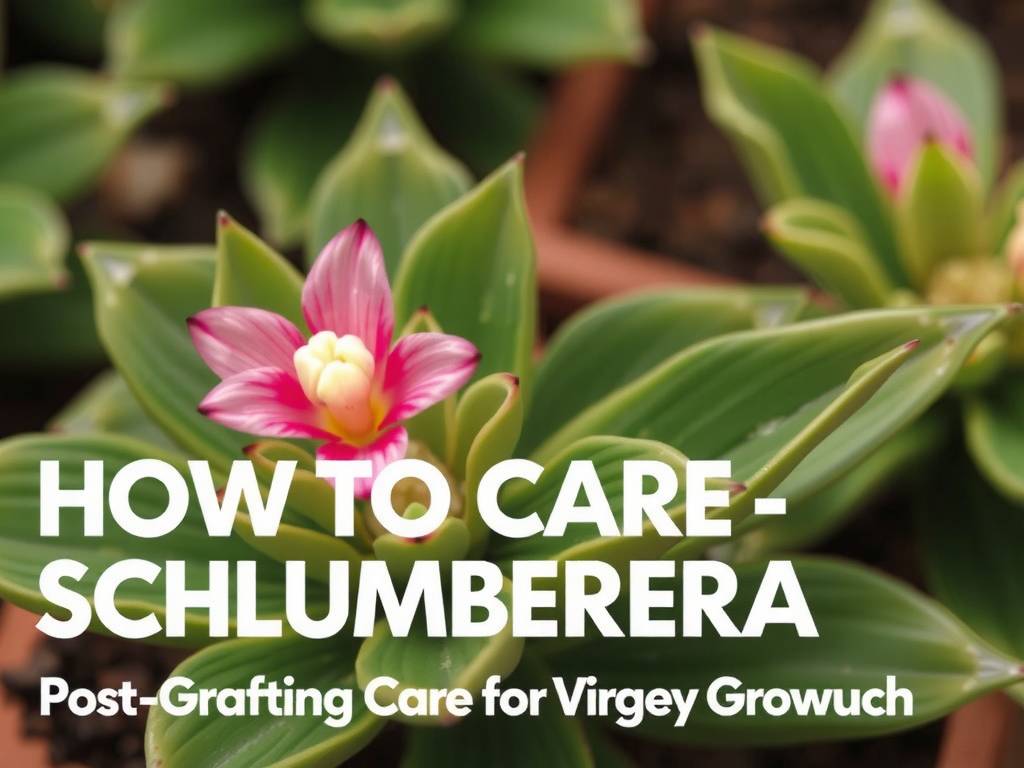
Check the graft joint daily. A successful union will show the scion remaining plump and firm. You may eventually see new, tiny segment growth at the tip of the scion—this is the ultimate sign of success. Signs of trouble include the scion becoming severely wrinkled, mushy, or discolored (black or brown). A slight softening right at the joint can be normal callus formation, but progressive mushiness indicates rot and graft failure.
Long-Term Care for Sustained Vigorous Growth
Once your grafted double-petal Schlumbergera shows consistent new growth, you've passed the first major hurdle. Now, care shifts to optimizing conditions for strength and future blooms.
Perfecting the Light and Temperature Balance
These plants crave bright, indirect light for 4-6 hours daily. An east-facing window is ideal. Too much direct sun, especially afternoon sun, will cause the segments to turn a reddish-purple (a sign of stress) and can lead to sunburn. Too little light results in weak, elongated growth and inhibits flowering.
Temperature plays a dual role. For general growth, maintain temperatures between 65-75°F (18-24°C). To trigger the prolific blooming that double-petal varieties are famous for, they require a period of cooler temperatures and longer nights. Starting in early fall, expose the plant to nights between 50-55°F (10-13°C) and ensure it receives 12-14 hours of uninterrupted darkness for 6-8 weeks. This cool treatment is the single most important factor for a spectacular bloom display.
Mastering the Watering and Feeding Schedule
The dragon fruit rootstock is drought-tolerant but appreciates consistent moisture during active growth (spring and summer). The "soak and dry" method is perfect: water thoroughly until it runs from the drainage holes, then allow the top third of the potting mix to dry out before watering again. Reduce watering significantly in late fall and winter during the bloom and dormancy period.
Feeding is where you can really boost vigorous growth. During spring and summer, feed every 4 weeks with a balanced, water-soluble fertilizer diluted to half strength. The Royal Horticultural Society (RHS) recommends a high-potassium fertilizer (like a tomato feed) in late summer to early fall to support robust bud formation. Avoid high-nitrogen fertilizers, which promote segment growth at the expense of flowers.
Choosing Soil and Managing Repotting
A fast-draining, slightly acidic mix is non-negotiable. Use a commercial cactus/succulent mix and amend it with extra perlite or pumice (up to 50%) for exceptional drainage. The graft union must always remain above the soil line to prevent rot.
Repotting is rarely needed more than every 2-3 years due to the rootstock's vigor. When you do repot, choose a pot only one size larger and handle the plant gently, especially around the graft joint. The best time to repot is in the spring, just as new growth begins.
Troubleshooting Common Post-Grafting Issues
Even with perfect care, challenges can arise. Here’s how to address them.
Addressing Rootstock Dominance and Suckering
The energetic dragon fruit rootstock may sometimes produce its own stems, called "suckers." These will drain energy from your Schlumbergera scion. Remove them promptly by snapping or cutting them off as close to the rootstock as possible. This directs all the plant's vigor into the desired double-petal growth.
Preventing and Treating Rot and Disease
Rot at the graft union is usually a result of water sitting on the joint or chronically wet soil. Prevention is key: ensure excellent air circulation, water the soil only, and use a well-draining mix. If you notice soft, brown rot at the union, it may be too late to save the graft. However, if the rootstock is still healthy, you can re-graft a new scion.
Encouraging Reluctant Bloomers
If your plant is healthy but won't bloom, revisit the light and temperature triggers. Ensure it is getting its critical period of cool, long nights. Also, check your fertilizer; too much nitrogen or feeding too late in the season can inhibit flowering. A period of slight, controlled water stress after the cool treatment can also help push the plant into bud set.
Why are the segments on my grafted double-petal Schlumbergera much smaller than the ones on my regular plant? This is often related to light and feeding. The grafted plant may be putting initial energy into root and vascular system development. Ensure it receives sufficient bright, indirect light and a consistent half-strength feeding schedule during the growing season. As the plant matures and the graft bond strengthens, segment size should normalize and often become more robust due to the vigorous rootstock.
Can I propagate the segments from my grafted plant? Yes, but with a caveat. Segments taken from the Schlumbergera scion can be propagated as stem cuttings, and they will root on their own. However, they will grow as a standard, slower-growing Schlumbergera on its own roots, losing the vigorous growth characteristic imparted by the dragon fruit rootstock. For that specific trait, you would need to perform a new grafting procedure.
My grafted plant is growing well but seems wobbly at the joint. Is this normal? Some flexibility is normal, but significant wobble indicates a weak union or physical damage. Stabilize the plant by staking it gently with a soft tie. Avoid disturbing the joint. Over time, the union should thicken and strengthen. If the wobble is severe and the scion can be easily rotated, the graft may have failed structurally, even if the scion is still alive, and may require re-grafting for long-term stability.
Success with a grafted double-petal Schlumbergera is a rewarding journey that blends science with attentive gardening. By meticulously managing the initial healing phase and then transitioning to a care regimen that leverages the strength of the rootstock while respecting the needs of the scion, you create the conditions for exceptional performance. The result is a resilient plant capable of producing an unforgettable cascade of intricate, multi-petaled flowers season after season. Your patience and precise care during the post-grafting period are the direct investments that yield this spectacular botanical return.