bluename
 How to Care for Large-Flower Anthurium: Master Water Control to Extend Bloom Time
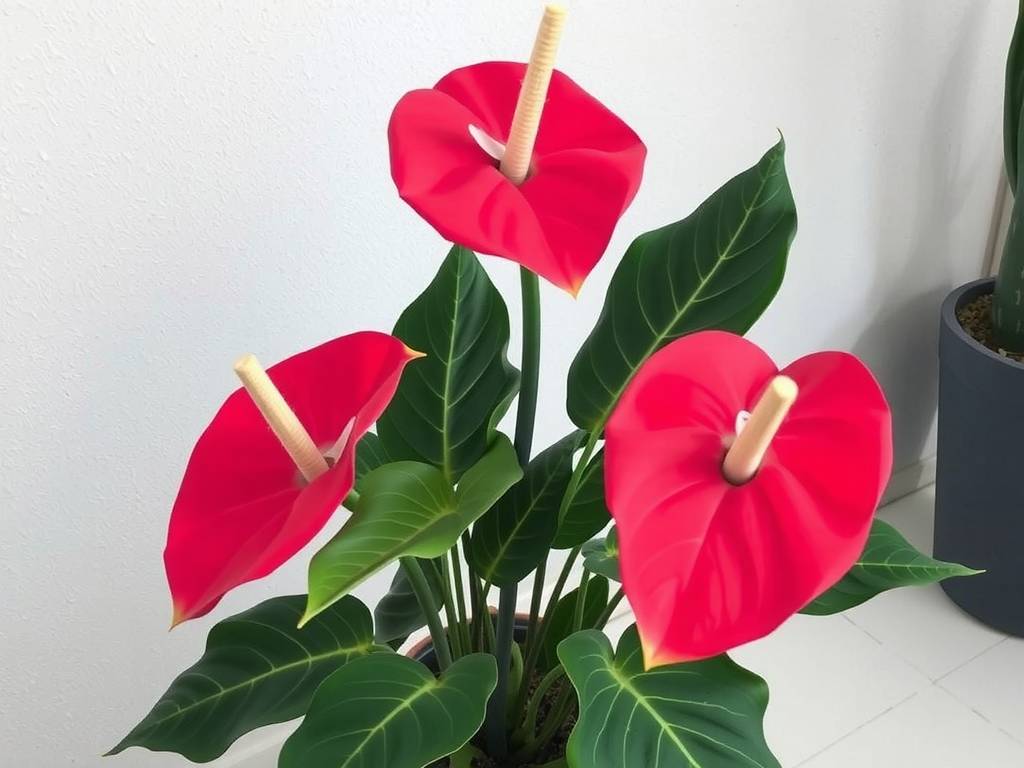
You’ve brought home a stunning large-flower anthurium, captivated by its glossy, heart-shaped blooms that seem to last forever. But weeks later, you notice the vibrant spathe starting to fade, or worse, the leaves turning yellow at the edges. The frustration is real. You’re watering diligently, yet the plant isn’t thriving as promised. The secret culprit is often not how much you water, but how you water. Proper water control is the single most critical factor in not only keeping your anthurium alive but significantly extending its bloom time. This guide will transform you from a worried plant owner into a confident anthurium caretaker, unlocking the secrets to months of continuous, spectacular flowers.
Understanding Your Large-Flower Anthurium’s Natural Rhythm
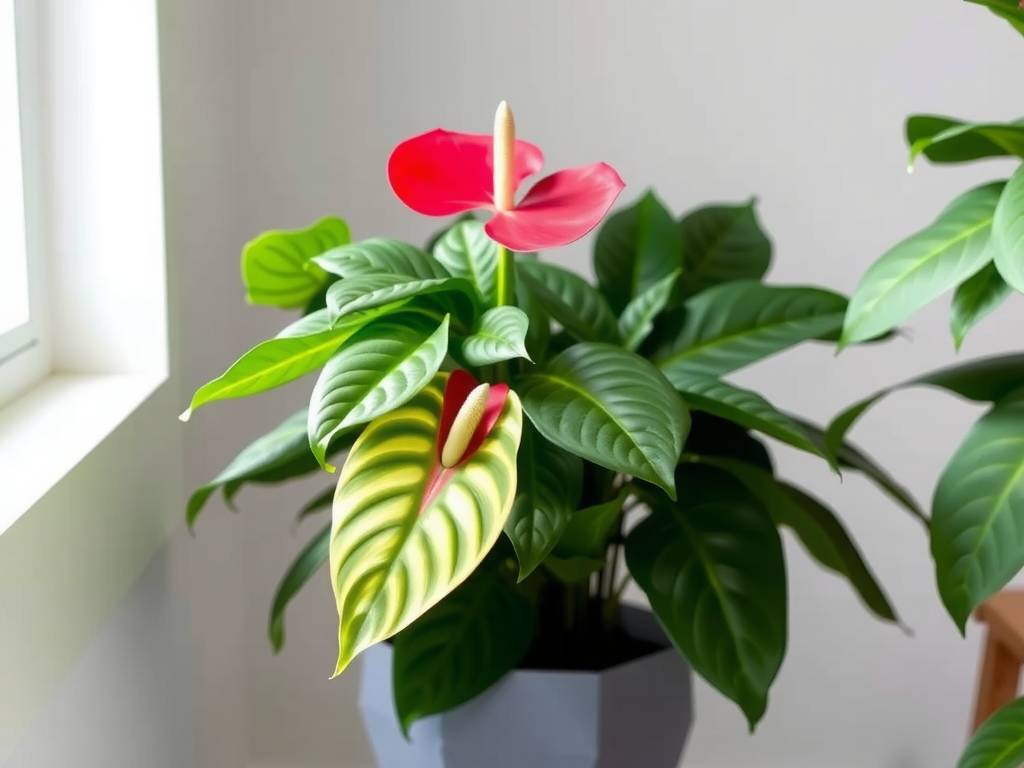
Before we dive into watering techniques, it’s essential to understand what makes these plants tick. Large-flower anthuriums, often hybrids of Anthurium andraeanum, are epiphytic in nature. In their tropical rainforest habitats, they grow on trees, not in soil. Their roots are adapted to absorb moisture from humid air and frequent rain showers that drain quickly. They are not swamp dwellers. This means their root systems demand excellent aeration and are highly susceptible to rot if left sitting in water. The goal of watering is to mimic a tropical downpour followed by a period of drying—not a constant state of dampness.
The Golden Rule: When to Water, Not How Often
Forget the calendar. The most common mistake in large-flower anthurium care is watering on a weekly schedule. Your plant’s thirst depends on light, temperature, humidity, and pot size. The only reliable method is the finger test.
Check the Soil Moisture Insert your finger about 2 inches into the potting mix. If the top 1-2 inches feel completely dry, it’s time to water. If you feel any moisture or coolness, wait. For a more high-tech approach, a simple moisture meter can remove the guesswork. The plant should approach dryness but not become bone-dry or desiccated. As noted by the American Horticultural Society (AHS), for epiphytic aroids, “allowing the growing medium to dry slightly between waterings promotes healthy root function and prevents pathogens.”
Observe the Plant’s Signals Your anthurium communicates. Slightly drooping leaves can indicate thirst. However, yellowing leaves, especially from the bottom up, and a general soggy, wilted appearance often scream overwatering. A healthy anthurium in need of water will have firm but slightly less rigid leaves.
Mastering the Watering Technique for Optimal Bloom Health
How you deliver water is as important as when. The goal is thorough hydration without waterlogging.
The Thorough Soak and Drain Method
- Take your plant to the sink or use a watering can with a long, narrow spout.
- Water slowly and evenly over the entire surface of the potting mix until you see water flowing freely out of the drainage holes. This ensures the entire root ball is moistened.
- This step is non-negotiable: Let the pot drain completely. Do not let the pot sit in a saucer full of water. Empty the cachepot or saucer after 15-20 minutes. Standing water is a death sentence for anthurium roots, cutting off oxygen and inviting rot.
Water Quality Matters Large-flower anthuriums are sensitive to mineral buildup. If your tap water is very hard, consider using filtered, rainwater, or distilled water. Accumulated salts can burn root tips, hindering the plant’s ability to uptake water and nutrients, directly impacting bloom longevity. Flush the soil every few months by running a large volume of water through the pot to leach out excess salts.
The Supporting Cast: Potting Mix and Container
Water control is impossible without the right foundation. Your potting mix must be airy and chunky.
The Ideal DIY Mix A reliable blend is equal parts:
- High-quality orchid bark (for aeration and structure)
- Peat-free coconut coir or peat moss (for moisture retention)
- Perlite or horticultural charcoal (for drainage and freshness) This creates a well-draining, moisture-retenive yet airy environment that mimics the plant’s natural anchor.
Choosing the Right Pot Always use a pot with multiple drainage holes. Terracotta pots are excellent for anthuriums because they are porous, allowing the soil to dry more evenly and reducing the risk of overwatering. If using a decorative pot without holes, use it as a cachepot and place the plastic nursery pot inside, removing it to water and drain.
Linking Water to Fertilization for Maximum Flower Power
Water and nutrients work in tandem. During active growth and blooming (typically spring and summer), your anthurium needs fuel. However, fertilizing a dry plant can burn roots.
The Safe Feeding Protocol
- First, water your plant lightly with plain water to moisten the roots.
- Then, apply a balanced, water-soluble fertilizer (like a 20-20-20 formula) diluted to half or quarter strength. The Royal Horticultural Society (RHS) advises for flowering houseplants, “a weak, regular feed during the growing season is preferable to infrequent strong doses.”
- Fertilize every 4-6 weeks during the growing season. In fall and winter, reduce or stop altogether, as the plant’s growth and water needs slow.
Humidity: The Invisible Partner to Watering
While not strictly watering, ambient humidity drastically affects how often you need to water and the overall health of the flower spathe. Low humidity causes moisture to evaporate from leaves faster, potentially stressing the plant and leading to brown, crispy spathe edges.
Boosting Humidity Effectively
- Group plants together to create a microclimate.
- Place the pot on a pebble tray filled with water (ensure the pot sits above the water line).
- Use a room humidifier, especially during dry winter months. Aim for 60-80% humidity for optimal performance.
Troubleshooting Water-Related Issues
- Yellow Leaves: Most often a sign of overwatering and root rot. Check roots—healthy ones are firm and white/tan. Mushy, brown roots must be trimmed, and the plant repotted in fresh, dry mix.
- Brown Leaf Tips: Can indicate underwatering, low humidity, or fluoride/chlorine in water. Adjust your routine and consider water quality.
- No New Blooms: Insufficient light is a primary cause, but inconsistent watering (cycles of drought and flood) stresses the plant, diverting energy from flower production.
Why are the flowers on my anthurium turning green? This is a natural part of the bloom cycle as the spathe ages. However, it can be accelerated by lower light levels. Ensure your plant receives bright, indirect light to maintain the vibrant color for as long as possible. Sometimes, a green spathe is simply a new leaf emerging.
Can I mist my large-flower anthurium to increase humidity? Misting provides only a temporary spike in humidity and is not a substitute for other methods like a humidifier. It can also lead to water sitting on the flowers and leaves, which, under poor air circulation, may encourage fungal diseases. Focusing on soil moisture and ambient humidity is more effective.
How long can I expect each anthurium flower to last with proper care? With optimal care, including precise water control to extend bloom time, each individual flower spathe can remain vibrant and glossy for 6-8 weeks. Furthermore, a healthy plant will continuously produce new flower spikes throughout the growing season, giving you a near-constant display. The key is consistency—avoiding both drought stress and root rot.
Mastering the art of watering your large-flower anthurium is a journey of observation and slight adjustment. It moves you from a rigid schedule to a responsive dialogue with your plant. By prioritizing deep, infrequent watering in a chunky, well-draining mix, ensuring complete drainage, and supporting the plant with appropriate light and humidity, you create the foundation for not just survival, but spectacular performance. Your reward will be a resilient plant that dedicates its energy to producing those breathtaking, long-lasting blooms, turning a fleeting moment of beauty into a enduring centerpiece in your home.