bluename
 How to Care for Large-Leaf Pothos - Trellis for Climbing & Aesthetic Appeal
You've nurtured your large-leaf pothos, and it's thriving with lush, beautiful foliage. But now, those long, elegant vines are starting to trail across your floor or pile up on the shelf. You want to showcase its natural climbing habit and achieve that full, dramatic look you've seen in magazines, but you're unsure how to properly support it. Simply letting it hang can lead to tangled stems, smaller leaves, and a plant that doesn't reach its full potential. The secret to unlocking a truly stunning, healthy specimen lies in understanding how to care for large-leaf pothos with the right trellis for climbing and aesthetic appeal. This guide will walk you through everything from choosing the perfect support structure to the training techniques that promote larger, more vibrant leaves.
Understanding the Climbing Nature of Pothos
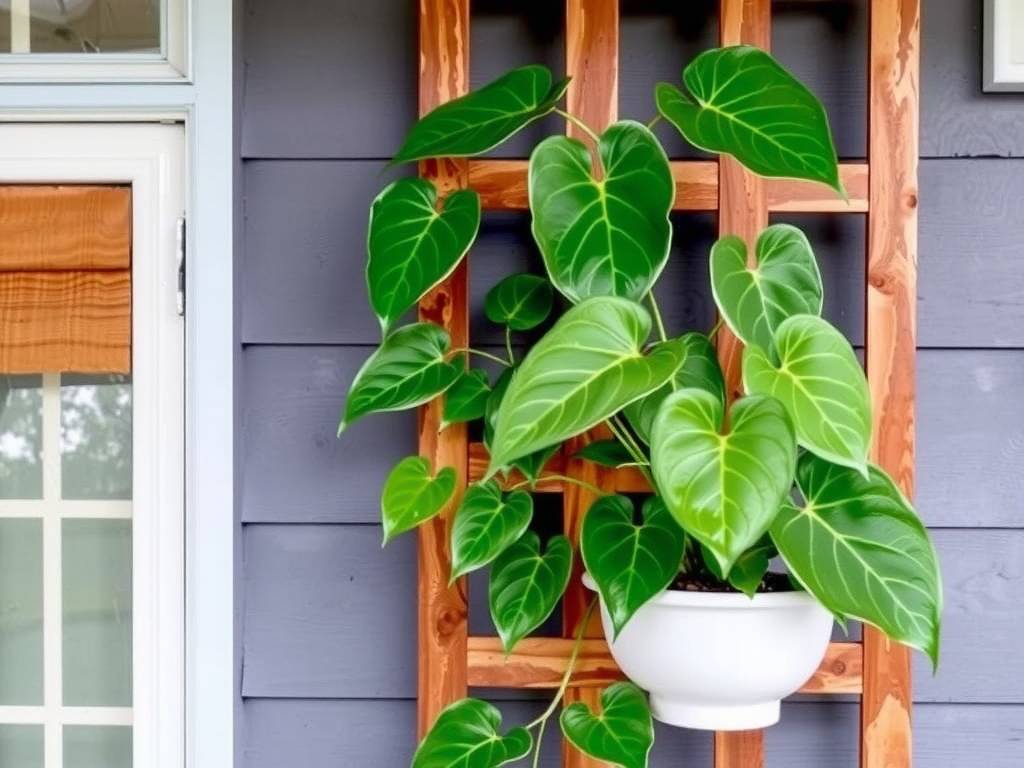
In their natural tropical habitat, pothos plants are climbing aroids. They use their aerial roots to attach themselves to tree trunks and other structures, climbing upwards towards the filtered sunlight of the forest canopy. This vertical growth isn't just for show; it's a key to their health and leaf development. When a pothos climbs, it can produce larger leaves with more pronounced fenestrations (splits) in some varieties, as it mimics its natural growth pattern. Providing a trellis satisfies this innate instinct, leading to a happier, more robust plant.
Choosing the Right Trellis for Your Large-Leaf Pothos
Selecting a support structure is the first critical step. The right trellis complements your plant's growth and your interior design.
Moss Poles and Cocohusk Poles: The Gold Standard For the most natural support and the best results in encouraging larger leaves, a moss or cocohusk pole is highly recommended by horticultural experts. These poles stay moist, providing a perfect medium for the plant's aerial roots to attach and penetrate. This direct connection allows the plant to draw additional moisture and nutrients, significantly boosting its growth. The Royal Horticultural Society (RHS) notes that providing a moist, textured support for aroid climbers like pothos can lead to more mature growth forms. A sphagnum moss pole is often considered the premier choice for serious indoor gardeners aiming for dramatic, jungle-like foliage.
Other Trellis Options for Style and Function Not every situation calls for a moss pole. Several other trellis types offer both function and aesthetic appeal.
- Metal or Wooden Trellises: These come in various shapes—fan, obelisk, grid, or ladder. They offer excellent structural support and can be a striking design element. Ensure the material is sturdy and safe for indoor use.
- Bamboo Tripods: A simple, rustic option that is easy to install and works well for younger or smaller plants.
- Wall-Mounted Supports: For a modern, space-saving look, consider small hooks, clear adhesive clips, or wire systems that guide vines along a wall or window frame.
The key is to choose a trellis that is proportionate to your plant's size and strong enough to handle its weight as it grows.
Step-by-Step Guide to Installing and Training Your Pothos
Now, let's get your plant onto its new support. Proper installation and training are crucial for success.
Preparing Your Plant and Pot Start with a healthy plant and a pot with good drainage. The pot should be heavy and stable enough to counterbalance the weight of the trellis and the growing plant. If repotting, choose a pot that is only 1-2 inches larger in diameter than the root ball.
Securing the Trellis Place the trellis firmly into the potting mix, pushing it down near the center and towards the back of the pot. Avoid damaging the main root ball. For a moss pole, you can insert it during repotting for maximum stability. For heavier trellises, you may need to use plant ties or wire to secure the base of the trellis to the pot for added safety.
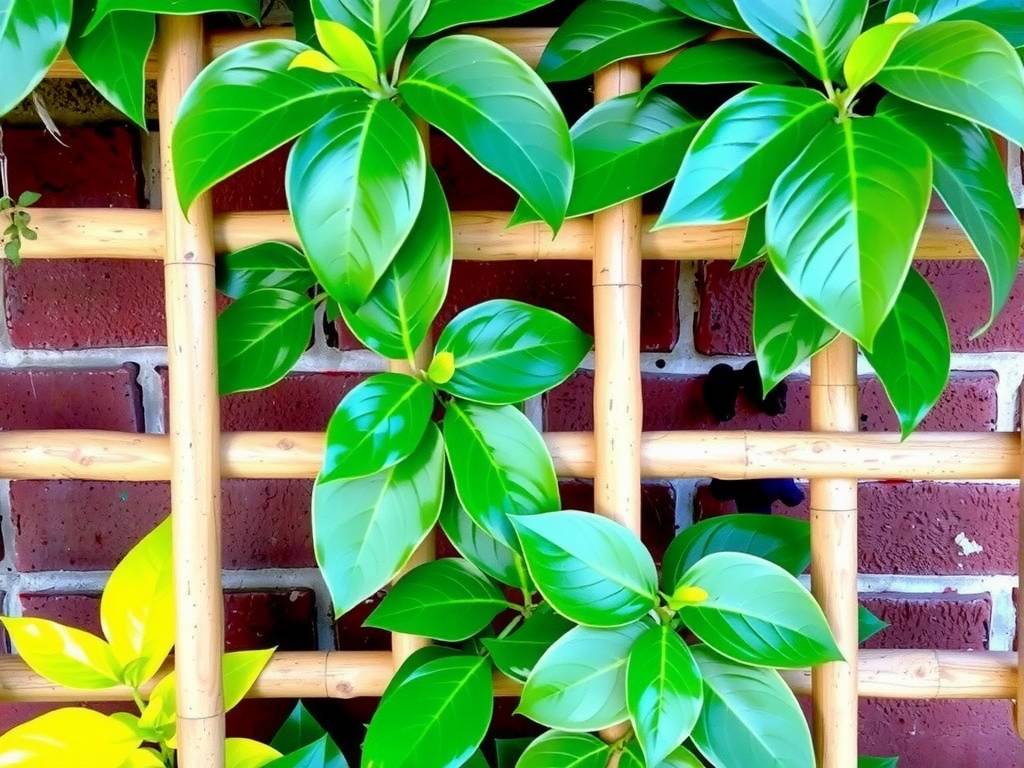
The Art of Training Vines Gently gather the longest, healthiest vines and begin attaching them to the trellis. Do not force them. Use soft plant ties, velcro strips, or even loose twine to make loose loops around the stem and the trellis. The American Horticultural Society (AHS) advises checking ties regularly to ensure they are not cutting into the stems as the plant thickens. Guide the vines upward, spacing them out evenly. You can also gently weave them through the openings of a grid trellis. New growth will naturally begin to reach for the support.
Ongoing Care and Maintenance for a Thriving Climber
Caring for a trellised pothos involves slight adjustments to your routine to support its vertical growth.
Watering and Humidity Plants on moss poles benefit from keeping the pole consistently moist. Spray the pole regularly or water from the top, allowing water to trickle down it. This encourages aerial root attachment. Overall, maintain your typical pothos watering schedule—allowing the top inch of soil to dry out—but be mindful that a climbing plant in brighter light may use water more quickly. Increased humidity around the plant will also support those aerial roots and promote larger leaf growth.
Light and Fertilization To achieve the best aesthetic appeal with large, vibrant leaves, provide bright, indirect light. A east or west-facing window is ideal. With more energy from light, your pothos will grow more vigorously up its trellis. During the growing season (spring and summer), feed your plant with a balanced liquid fertilizer diluted to half-strength every 4-6 weeks. This provides the nutrients needed for sustained vertical growth.
Pruning for Bushiness and Control Strategic pruning is your tool for shaping. To encourage a fuller look at the base, prune back some of the longer vines. Make your cut just above a leaf node (the small bump on the stem where leaves and roots emerge). This will signal the plant to produce new growth points, resulting in a bushier plant. Regularly remove any yellow or damaged leaves to keep the plant healthy and visually appealing.
Troubleshooting Common Issues
Even with the best care, you might encounter a few challenges.
- Vines Not Attaching: If aerial roots aren't gripping a moss pole, the pole is likely too dry. Increase misting frequency. For smooth trellises, continue using soft ties; the plant will use them for support as it grows.
- Leaves Getting Smaller: This often indicates insufficient light. Move the plant to a brighter location (avoid direct hot sun) to support the energy demands of climbing and large leaf production.
- Trellis Becoming Unstable: As the plant matures, it may become top-heavy. Consider repotting into a larger, heavier ceramic or clay pot, and ensure the trellis is deeply anchored.
Creative Display Ideas for Maximum Aesthetic Appeal
Your trellised pothos is a living sculpture. Here are ideas to enhance its beauty:
- Create a living room room divider by training multiple plants up a large, room-height grid trellis.
- Use a fan trellis in a corner to create a lush, green accent piece.
- Train a pothos up a moss pole and let the top vines cascade back down for a waterfall effect.
- For a minimalist look, use a single, straight moss pole and train the plant into a tight, upward spiral.
My pothos vines keep falling off the trellis. What am I doing wrong? This is very common. The plant's aerial roots need time and the right conditions to attach. For a moss pole, consistent moisture is non-negotiable. For other trellises, you will need to be patient and continue using soft ties for support. Check ties monthly and loosen them if they become too tight on the growing stem. The attachment process can take several months.
Can I use a trellis for any type of pothos? Absolutely. While large-leaf varieties like 'Golden', 'Marble Queen', and 'Jade' pothos show a dramatic visual benefit, all vining pothos cultivars can be trained on a trellis. It provides structure for smaller-leaf types like 'Pearls and Jade' or 'Neon', creating a neat and intentional display rather than a tangled trail.
How often should I repot a pothos on a trellis? Repot when you see roots circling the bottom of the pot or growing out of the drainage holes, typically every 1-2 years. Spring is the best time. When repotting, it's an ideal opportunity to upgrade to a larger, more stable pot and refresh or extend your moss pole if the plant has outgrown it.
Embracing the vertical growth of your large-leaf pothos transforms it from a simple houseplant into a dynamic element of your home decor. By selecting an appropriate trellis, patiently training the vines, and adjusting care to support climbing, you directly cater to the plant's natural instincts. The reward is a breathtaking display of health and beauty—a testament to the perfect partnership between nature and thoughtful design. Start with a sturdy support, guide the growth with gentle hands, and watch as your pothos reaches new heights, both literally and aesthetically.