bluename
 How to Care for Double-Petal Geranium - Sufficient Light for Year-Round Blooms
You’ve fallen in love with the lush, rose-like blooms of your double-petal geranium. Yet, despite your care, the flowering is sporadic, the stems grow leggy, and that promised cascade of color seems like a distant dream. The most common culprit, often overlooked, is light. Achieving sufficient light for year-round blooms isn't just about placing your plant near a window; it's about understanding the precise quality, duration, and seasonal adjustments this spectacular plant demands. This guide will transform your approach, turning light from a mystery into your most powerful tool for non-stop floral displays.
Why Light is the Non-Negotiable Key to Double-Petal Geranium Success
Double-petal geraniums (Pelargonium hybrids) are energy factories. Each ruffled, multi-layered flower requires a tremendous amount of photosynthetic power to form and sustain. Unlike their single-petal cousins, doubles invest more resources into petal development. According to horticultural studies referenced by the American Horticultural Society (AHS), flowering plants with complex bloom structures have significantly higher light saturation points. Insufficient light leads to a survival mode: the plant stretches towards any light source (etiolation), produces few to no flower buds, and becomes susceptible to disease. Simply put, without optimal light conditions for double geraniums, you are admiring a foliage plant, not the blooming spectacle you desire.
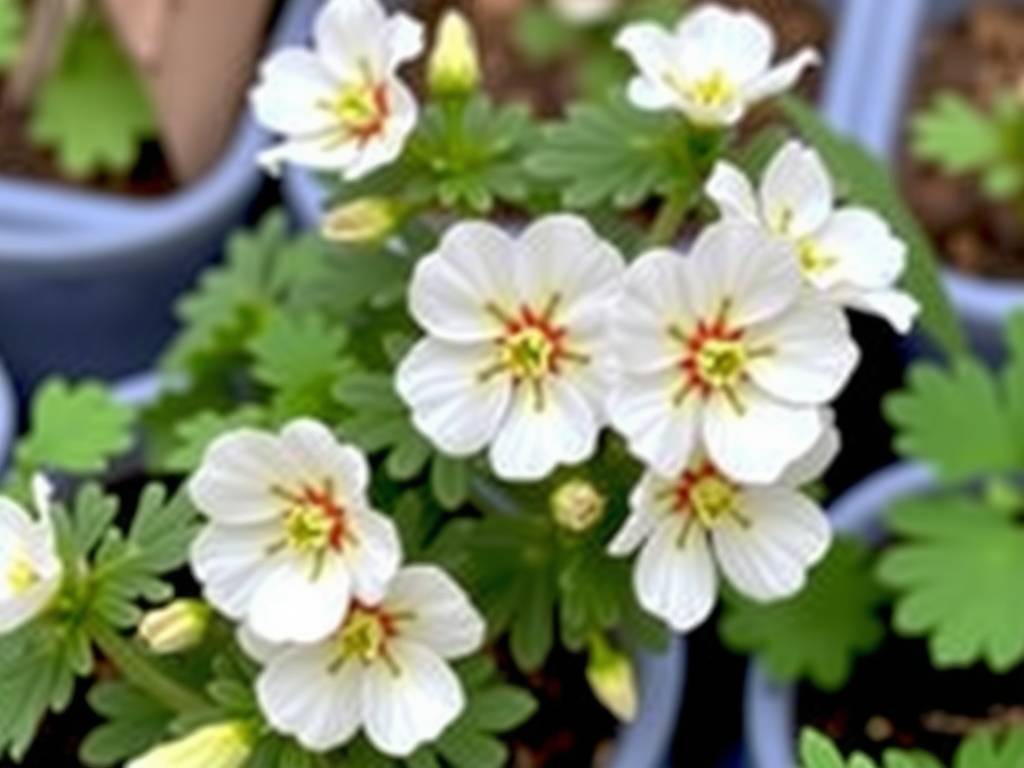
Decoding "Sufficient Light": Intensity, Duration, and Quality
"Bright light" is too vague. Let's define what sufficient light truly means for your plant.
Light Intensity: The Brightness Factor Double-petal geraniums thrive in direct sunlight for a significant portion of the day. The ideal is 6-8 hours of direct, unfiltered sunlight. A south-facing window is typically the best indoor location. East or west-facing windows can work but may require monitoring for consistent intensity. A useful tip from the Royal Horticultural Society (RHS) is the "shadow test": on a sunny day, place your hand between the light source and the plant's leaves. A crisp, well-defined shadow indicates high light intensity, suitable for geraniums. A fuzzy, faint shadow signals insufficient light.
Light Duration: The Photoperiod While not strictly photoperiodic like some plants, geraniums bloom most prolifically with long daylight hours. Consistently long days (14+ hours) promote continuous bud formation. This is why they explode with color in summer. To encourage year-round blooming of double geraniums, you must supplement light duration during shorter fall and winter days.
Light Quality: The Spectrum Sunlight provides a full spectrum. For indoor plants, especially when supplementing, the light spectrum matters. Blue spectrum light promotes strong, compact vegetative growth, while red spectrum light encourages flowering. Full-spectrum LED grow lights are excellent for providing a balanced, energy-efficient solution that mimics natural sunlight.
Your Seasonal Light Management Blueprint
Managing light is a dynamic, year-round process. Here is your seasonal guide.
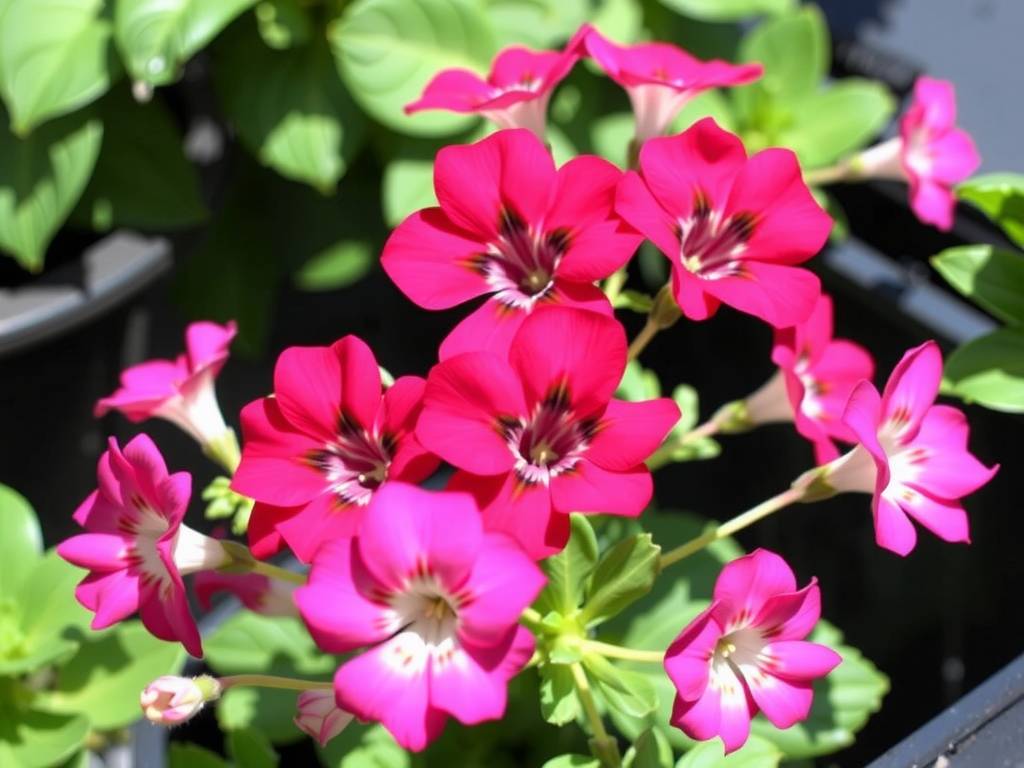
Spring and Summer: Maximizing the Growing Season This is the prime time to build a robust plant. Place your double-petal geranium outdoors if possible, acclimating it gradually over 7-10 days to prevent sunscald. A patio, balcony, or garden spot with morning sun and some afternoon protection in very hot climates is ideal. The goal is to soak up the long, intense days to build energy reserves. Rotate the pot a quarter turn weekly to ensure even growth and prevent the plant from leaning heavily toward the light.
Fall and Winter: The Critical Transition for Indoor Blooms This is where most growers falter. As daylight wanes, you must intervene.
- Choose the Sunniest Indoor Spot: A south-facing window is non-negotiable. Clean the window glass to maximize transmission.
- Implement Grow Lights: To provide sufficient light for year-round blooms, supplement natural light with grow lights. Position LEDs 6-12 inches above the plant foliage for 12-14 hours per day. A simple timer ensures consistency, which is crucial for the plant's rhythm.
- Monitor for Legginess: If stems begin to elongate with wide spaces between leaves, your light intensity is still too low. Move the plant closer to the light source or add a second fixture.
Signs Your Double-Petal Geranium is Light-Starved (and How to Fix It)
Learn to read your plant's signals.
- Leggy, Stretched Growth: Long stems with large gaps between leaf nodes. Fix: Increase light intensity immediately. Prune back leggy stems to encourage bushier growth from the base under the new, better light.
- Few or No Flowers: The plant appears healthy and green but produces no buds. Fix: This is a classic sign of insufficient light duration or intensity. Review your light metrics and implement supplementation.
- Small, Pale Leaves: New leaves are smaller than usual and may lack deep green color. Fix: The plant cannot produce sufficient chlorophyll. Ensure it receives direct light and consider a balanced, half-strength fertilizer once light conditions are corrected.
- Leaf Drop: Lower, older leaves may yellow and drop as the plant conserves energy. Fix: While some leaf drop is normal, excessive loss coupled with the above signs points to a severe light deficit.
Complementary Care: What to Do When the Light is Perfect
With optimal light conditions for double geraniums established, other care factors fall into place more easily.
- Watering: Bright light increases water uptake. Water thoroughly when the top inch of soil is dry, but never let the plant sit in soggy soil. Perfect light reduces the risk of rot by promoting vigorous growth and faster soil drying.
- Feeding: Feed every 2-4 weeks during the active growing and blooming season with a balanced, water-soluble fertilizer (e.g., 10-10-10) or one slightly higher in potassium (e.g., 5-10-10) to support flowering. Reduce or stop feeding in low-light winter conditions unless using strong grow lights.
- Pruning and Deadheading: Pinch back stem tips regularly to encourage branching, which leads to more flowering sites. Religiously deadhead spent flower clusters by snapping the stalk back to the main stem. This directs energy back into producing new blooms rather than seed production.
Can I use a regular lamp instead of a grow light for my double-petal geranium? Standard incandescent or LED household bulbs lack the necessary light spectrum (particularly red and blue wavelengths) and intensity to effectively support photosynthesis and flowering. They produce more heat and less usable light. A dedicated full-spectrum LED grow light is a worthwhile investment for year-round blooming of double geraniums.
My geranium gets afternoon sun and its leaves are scorching. What's wrong? While they love sun, intense, hot afternoon sun in peak summer, especially through a glass window, can cause sunscald (bleached, crispy patches). Double-petal varieties can be slightly more tender. If you notice scorching, provide filtered light during the hottest part of the day (e.g., with a sheer curtain) or move the plant to a location with morning sun and afternoon shade.
How do I know if my grow light is strong enough or too strong? Observe the plant and use the hand test. If growth remains compact and flowering occurs, the light is sufficient. If legginess persists, move the light closer or get a stronger fixture. Signs of too-strong light (rare with LEDs placed at proper distances) include bleached leaves or edges curling inward. If using powerful lights, start with a greater distance and slowly move the plant closer over a week.
Mastering the light needs of your double-petal geranium is the fundamental step from casual growing to spectacular, sustained success. It requires moving beyond assumption to measurement—gauging hours, assessing intensity, and not hesitating to supplement when nature falls short. By providing consistent, sufficient light for year-round blooms, you empower every other aspect of care. Your reward will be a resilient, generously proportioned plant that repays your attention with an endless performance of its exquisite, layered flowers, transforming your space into a permanent exhibition of botanical artistry.