bluename
 How to Care for Double-Petal Bougainvillea: Mastering Water Control for a Longer Blooming Period
You’ve chosen the stunning double-petal bougainvillea for its vibrant, papery bracts that create a spectacular floral display. Yet, despite your care, the blooms may fade too quickly, or worse, the plant might drop its leaves. Often, the culprit isn’t a lack of effort but a misunderstanding of one critical element: water. Achieving a longer blooming period for your double-petal bougainvillea hinges on precise water control. This guide will transform your approach, turning sporadic flowering into a sustained cascade of color.
Understanding Your Double-Petal Bougainvillea’s Unique Needs
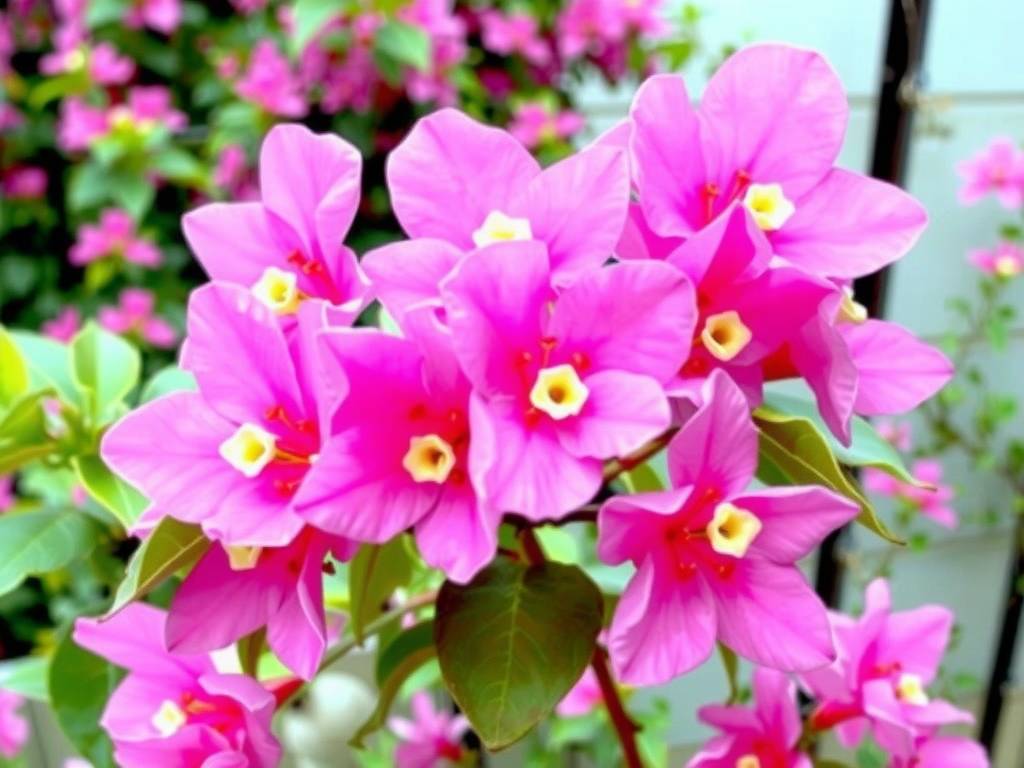
Unlike many flowering plants, bougainvillea thrives on a bit of tough love. Native to arid coastal areas of Brazil, it has evolved to prefer conditions that would stress other plants. The double-petal varieties, with their denser, multi-layered bracts, are particularly sensitive to overwatering. Their spectacular show is a response to environmental cues, and water is the primary conductor.
The Golden Rule: It’s Better to Underwater Than Overwater
This is the cornerstone of bougainvillea care. Overwatering is the fastest way to kill a bougainvillea. It leads to root rot, a fungal condition that decays the roots, preventing them from absorbing nutrients and water. The first signs are often yellowing leaves and a lack of new blooms, followed by leaf drop. As the Royal Horticultural Society (RHS) notes, bougainvilleas require excellent drainage and should be allowed to dry out between waterings to mimic their natural habitat and encourage prolific flowering.
A Step-by-Step Guide to Perfect Watering
Mastering the watering schedule is not about marking a calendar; it’s about learning to read your plant and its environment.
The Finger Test: Your Most Reliable Tool
Forget schedules. The only way to know if your bougainvillea needs water is to check the soil. Insert your finger about 2 inches into the potting mix. If the soil feels dry at that depth, it’s time to water thoroughly. If it feels even slightly damp, wait. In cooler months or during periods of low light, this dry period could last a week or more.
Technique: Deep, Infrequent Soaking
When you do water, do it properly. Apply water slowly at the base of the plant until you see it running freely from the drainage holes. This ensures the entire root ball is moistened and encourages deep root growth. Avoid shallow, frequent sprinklings, which promote weak roots concentrated at the soil surface. Allow all excess water to drain away completely. Never let the pot sit in a saucer of standing water.
Seasonal Adjustments Are Non-Negotiable
Your watering frequency must change with the seasons.
- Spring & Summer (Active Growth & Bloom): This is the peak thirst period. You may need to water every 3-5 days during hot, sunny weather, always guided by the finger test. Consistent moisture supports the energy-intensive process of producing those double bracts.
- Fall & Winter (Dormancy): As growth slows, dramatically reduce watering. The goal is to keep the plant from shriveling, not to support growth. Watering once every 2-3 weeks, or even less, may be sufficient. The American Horticultural Society (AHS) emphasizes that reducing water in winter is crucial for initiating a strong bloom cycle when temperatures rise again.
The Critical Role of Soil and Drainage
Water control starts before you even water. The right soil mix is your first line of defense.
Choosing the Right Potting Mix
Use a fast-draining, slightly acidic to neutral potting mix. A high-quality cactus or succulent mix is an excellent choice. You can create your own blend by mixing two parts standard potting soil with one part perlite and one part coarse sand or pine bark. This creates an airy structure that prevents waterlogging.
The Imperative of Drainage Holes
This cannot be overstated. Your pot must have multiple, unobstructed drainage holes. Terracotta pots are ideal because they are porous, allowing the soil to dry from the sides as well as the top. If you use a decorative pot without holes, always use it as a cachepot—place the bougainvillea in a plain plastic nursery pot with holes inside the decorative one, and remove it for watering.
Advanced Tips for Maximizing Bloom Time
Beyond basic watering, these practices synergize with your efforts to extend the floral show.
The Power of Strategic Stress
Mild, controlled stress triggers blooming. Allow the plant to become quite dry between waterings during the growing season. When you see the very first signs of wilting (a slight droop in the leaves), then water deeply. This cycle of “dry-down” followed by a deep drink mimics natural rainfall patterns and signals the plant to reproduce, i.e., bloom.
Fertilizing: The Balanced Support Act
Feeding supports the energy demands of double blooms. During the growing season, use a balanced, water-soluble fertilizer (such as a 10-10-10 or 20-20-20 formula) every 4-6 weeks. Alternatively, a fertilizer higher in potassium (the third number, like in a 5-10-10 formula) can promote better blooming. Crucially, always apply fertilizer to moist soil. Fertilizing a dry root system can cause fertilizer burn and damage the very roots you’re trying to protect with careful watering.
Sunlight: The Non-Negotiable Partner
Water control works in tandem with light. Bougainvillea requires a minimum of 6 hours of direct, unfiltered sunlight daily to bloom. More is better. Without adequate sun, even perfect watering will result in lush green growth with few to no flowers. Ensure your plant is in the sunniest spot possible.
Why is my double-petal bougainvillea dropping its leaves? Leaf drop is a common stress response. In winter, it’s often due to overwatering combined with lower light and temperatures. In summer, it can be caused by a sudden change in location, extreme underwatering, or a cold draft. Assess your watering first and ensure the plant is in a stable, sunny environment.
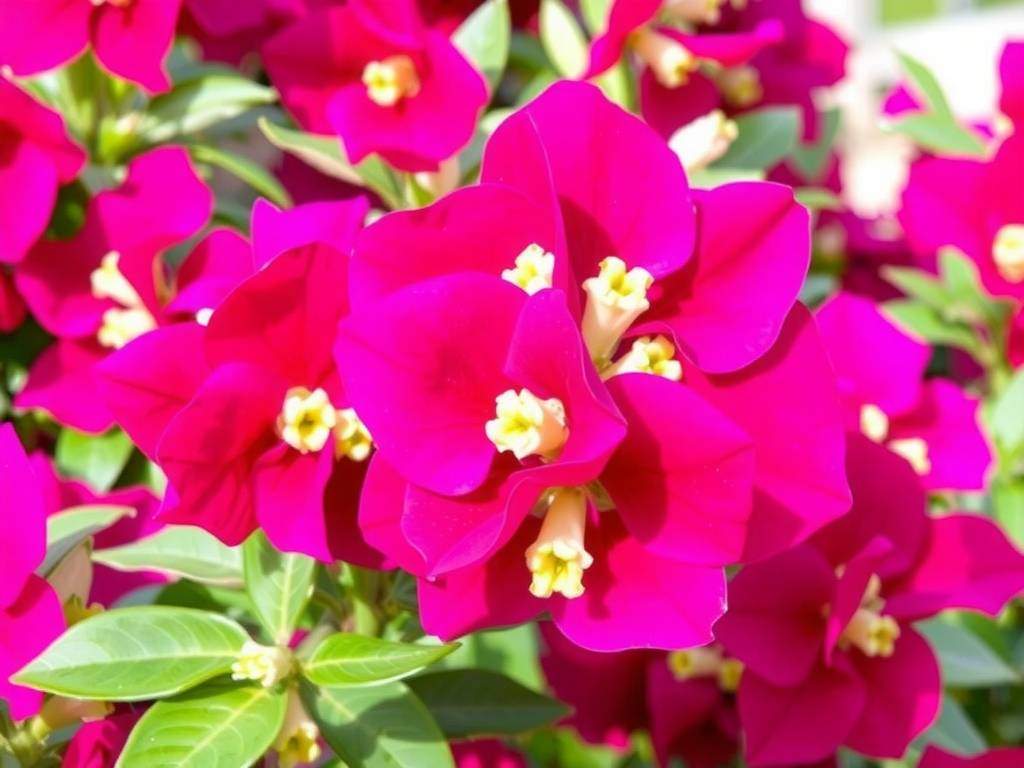
How often should I water my bougainvillea to get more flowers? Focus on the cycle, not the frequency. To encourage more flowers, practice the “dry-down” method: water deeply only when the top few inches of soil are completely dry. This mild stress, combined with full sun, is the most effective signal to produce a longer blooming period. Consistency is key—avoid letting the plant become bone-dry for weeks, then flooding it.
Can I use a self-watering pot for my bougainvillea? It is generally not recommended. Self-watering pots keep the soil consistently moist, which is the opposite of what bougainvillea prefers. This environment greatly increases the risk of root rot and will discourage flowering. The plant’s need for a pronounced dry period makes traditional pots with excellent drainage a far superior choice.
Cultivating a breathtaking, long-lasting display from your double-petal bougainvillea is an exercise in disciplined care. By embracing its need for bright light, excellent drainage, and—most importantly—judicious watering that allows the soil to dry, you work with its natural instincts. Remember, this plant rewards patience and a slightly hands-off approach. When you see it thriving, with waves of colorful bracts lasting for weeks, you’ll know the balance has been struck. The vibrant reward is well worth mastering the art of water control.