bluename
 How to Care for Double-Petal Hyacinth: Soil Cultivation for Better Next Year Blooms
Do you find yourself enchanted by the lush, ruffled blooms of your double-petal hyacinth one spring, only to be disappointed by sparse or lackluster flowers the next? You’re not alone. Many gardeners face the challenge of getting these stunning, multi-layered bulbs to rebloom with the same vigor year after year. The secret to consistent, spectacular displays lies not just in the initial planting, but in the ongoing care and, most critically, the soil cultivation practices you employ after flowering. Proper post-bloom soil management is the cornerstone of better next year blooms. This guide will walk you through the essential steps, transforming your gardening approach from a single-season wonder to a cycle of perennial beauty.
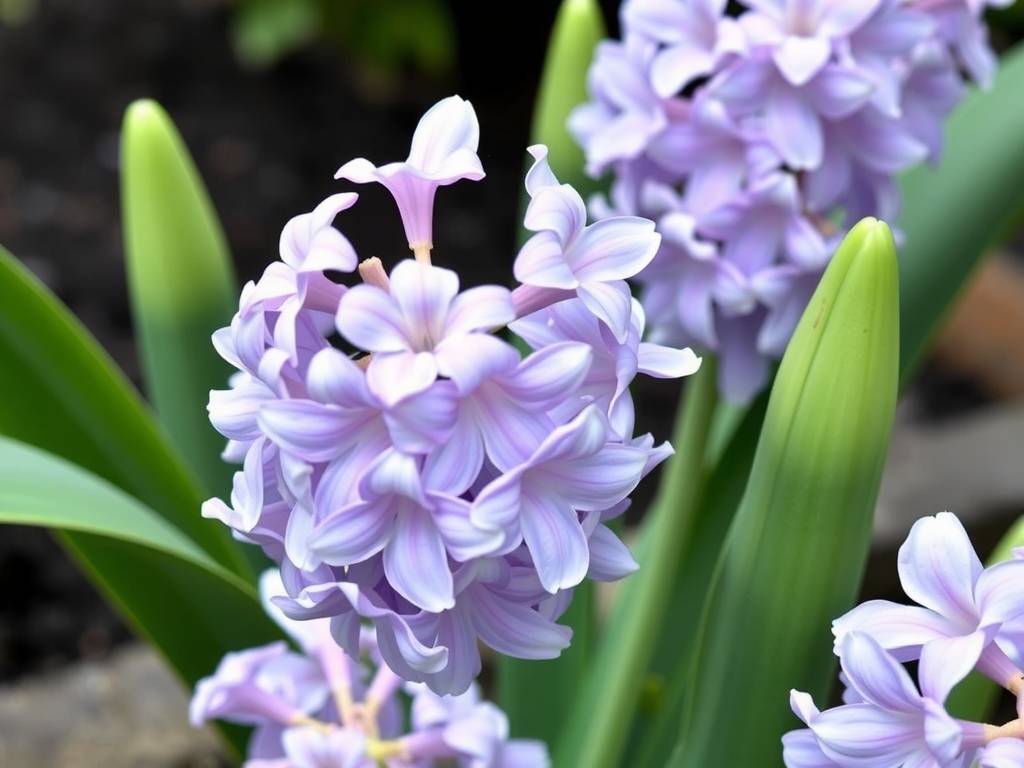
Understanding the unique needs of the double-petal hyacinth (Hyacinthus orientalis, double-flowered cultivars) is the first step. Unlike their single-petal cousins, these flowers expend tremendous energy to produce their dense, intricate flower spikes. This process depletes the bulb’s resources. If we simply enjoy the flowers and neglect what happens next, the bulb lacks the strength to regenerate for a future season. Our goal is to shift focus from the bloom itself to the lifecycle that supports it, with soil health as the central pillar.
The Critical Role of Soil in Bulb Regeneration
A hyacinth bulb is a self-contained storage unit. After blooming, the leaves continue photosynthesis, creating food that is sent back down to replenish the bulb. The quality of this process is directly influenced by the environment surrounding the bulb—the soil. Think of the soil not as dirt, but as a living pantry and support system. It must provide nutrients, proper moisture, good drainage, and the right texture for root regrowth.
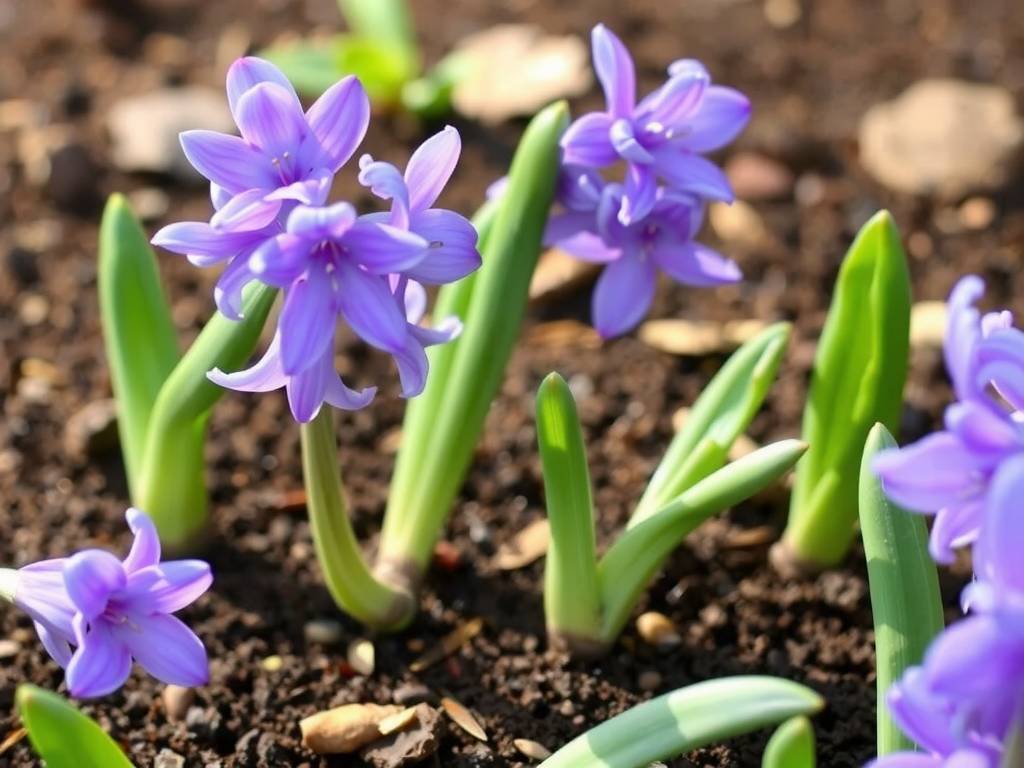
According to horticultural principles endorsed by the American Horticultural Society (AHA), successful perennialization of bulbs like hyacinth depends on a post-bloom period where the plant can “recharge” in optimal conditions. Poor, compacted, or nutrient-deficient soil short-circuits this recharge, leading to weaker bulbs that may fail to bloom or even rot.
Step 1: Post-Bloom Care: Fueling the Future Bulb
The journey to better next year blooms begins the moment the current flowers fade.
Deadheading with Precision: Once the magnificent double-petal florets wither and brown, use clean, sharp scissors to snip off the entire flower stalk. Make your cut at the base of the stalk, near the top of the foliage. This prevents the plant from wasting energy on seed production and redirects all its resources toward the bulb.
The Essential Leaf Phase: This is the most crucial and often misunderstood period. Do not cut back the green, strappy leaves. They are the solar panels of the plant. For the next 6-8 weeks, your job is to care for these leaves. Continue watering the plant as you would during growth, especially if spring rains are insufficient. You can apply a liquid balanced fertilizer (like a 10-10-10 formula) once or twice during this period to give the photosynthesis process a boost. The leaves will gradually yellow and die back naturally; only remove them when they are completely brown and pull away easily.
Step 2: The Art of Soil Cultivation for Hyacinths
This is where we dive deep into the core practice of soil cultivation. Cultivation here means actively managing and improving the soil structure and fertility around your dormant bulbs.
Assessing and Amending Soil Structure: Hyacinth bulbs demand exceptionally well-draining soil to prevent rot during dormancy, especially over wet winters. After the foliage has died back, gently loosen the top few inches of soil around the planting area, being careful not to pierce the dormant bulbs below. If your soil is heavy clay, this is the time to amend it. Mix in generous amounts of coarse sand or fine gravel and organic compost. The Royal Horticultural Society (RHS) emphasizes that for bulbs, “sharp drainage is key,” and incorporating grit or horticultural sand is a recommended practice to achieve this.
Nutrient Replenishment Strategy: The bulb has used up stored nutrients to produce its showy bloom. Before the plant goes fully dormant, enrich the soil to rebuild those stores. Work a slow-release, bulb-specific fertilizer or a top-dressing of well-rotted compost and bone meal into the loosened topsoil. Bone meal is high in phosphorus, which promotes strong root development and future flower formation. This step ensures the bulb has access to nutrients when it begins root growth again in the fall.
Moisture and Mulching for Protection: After amending, water the area lightly to settle the soil. Then, apply a 1-2 inch layer of a light, airy mulch like shredded leaves, pine straw, or composted wood chips. Mulch serves multiple purposes: it regulates soil temperature, prevents winter weeds, and retains moderate moisture without causing sogginess. Avoid heavy mulches like whole leaves or bark chunks that can compact and create a wet, anaerobic environment.
Step 3: To Lift or Not to Lift? Bulb Storage Considerations
In many climates, double-petal hyacinths can be left in the ground year-round if the soil is well-drained. However, in areas with very wet summers or severe winters (below -20°F), lifting the bulbs may be wise for improving hyacinth reblooming.
Lifting and Curing Bulbs: If you choose to lift them, do so after the foliage has completely died back. Gently dig up the bulbs, brush off excess soil, and let them cure in a single layer in a warm, dry, airy place out of direct sun for about a week. The AHA notes that proper curing helps the bulb form a protective tunic and reduces fungal disease risk.
Optimal Storage Conditions: Once cured, store the bulbs in a mesh bag, paper bag, or cardboard box filled with slightly moist peat moss or vermiculite. Place them in a cool, dark, and well-ventilated location with temperatures between 60-70°F. Check periodically for signs of mold or desiccation. Replant them in the fall when soil temperatures have cooled.
Step 4: The Replanting Ritual for Maximum Impact
Whether you’re planting stored bulbs or tending to existing ones, fall is the time for action.
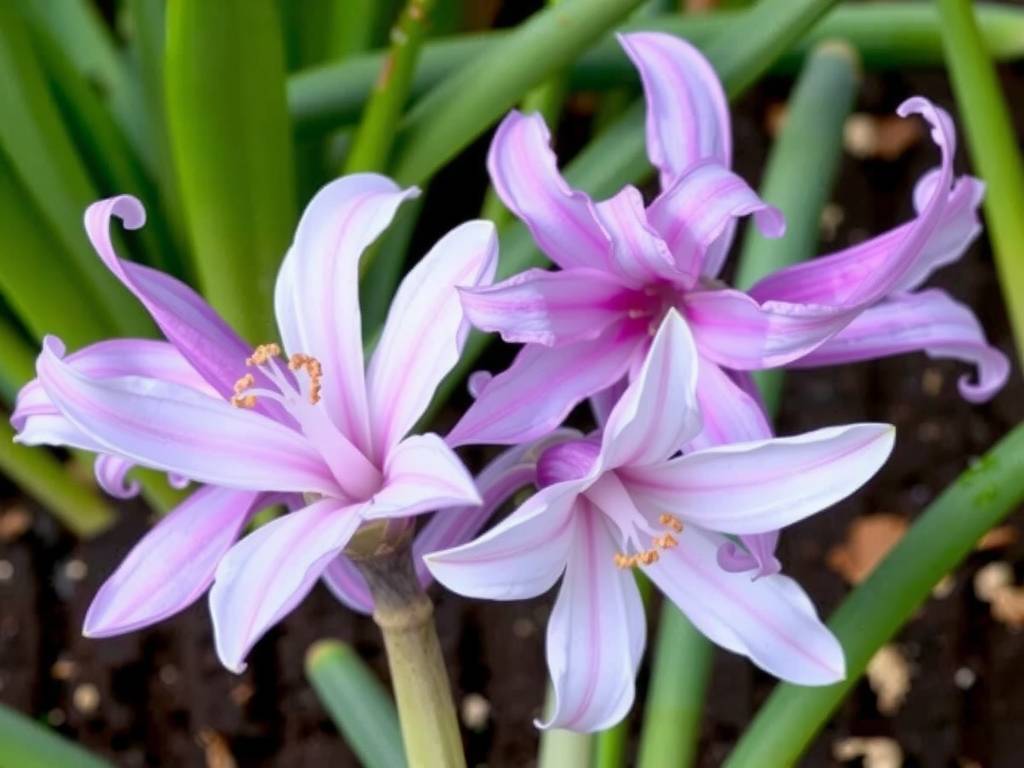
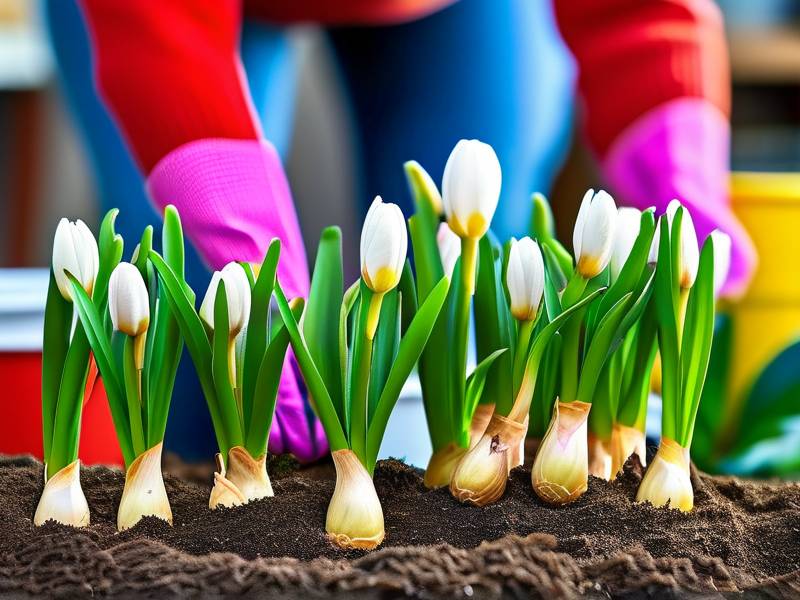
Timing and Depth: Plant hyacinth bulbs in mid-to-late autumn, about 6-8 weeks before a hard ground freeze is expected. The standard rule is to plant bulbs at a depth three times their height. For most hyacinths, this means 6-8 inches deep. Ensure the pointed end faces up. Deeper planting encourages stability and better insulation.
Soil Preparation at Planting: Don’t just drop the bulb into a hole. Prepare the entire planting bed or individual holes. Mix the excavated soil with compost and a handful of bone meal or bulb fertilizer. Place the bulb on this improved base and backfill. This creates a nutrient-rich microenvironment that encourages strong root establishment before winter, directly contributing to vibrant double hyacinth flowers the following spring.
Can I leave my double-petal hyacinths in the ground over winter? Yes, in most USDA zones (4-8), you can leave them in the ground if the soil is well-drained. The key is the soil cultivation work you did in the spring and summer—adding grit for drainage and mulch for insulation. In zones with very cold winters, a thicker mulch layer is advisable after the ground freezes.
Why did my hyacinth produce leaves but no flowers this year? This is a classic sign of a depleted bulb, often caused by insufficient post-bloom care in the previous season. If the leaves were removed too early, or if the soil was nutrient-poor and soggy, the bulb couldn’t store enough energy to form a flower bud. Focus on the full leaf phase and soil enrichment this year to encourage blooming next spring.
How often should I fertilize my hyacinths for the best reblooming? Fertilize twice: first, with a liquid feed during the post-bloom leaf phase to fuel photosynthesis, and second, by working a slow-release bulb fertilizer or bone meal into the soil as the plant goes dormant. Avoid high-nitrogen fertilizers, which promote leafy growth at the expense of the bulb and flower.
Cultivating a breathtaking repeat performance from your double-petal hyacinths is a rewarding testament to thoughtful gardening. It moves beyond passive enjoyment to active partnership with the plant’s natural cycle. By dedicating effort to the crucial phases after the bloom—meticulous deadheading, nurturing the leaves, and most importantly, the ongoing soil cultivation through amending, feeding, and protecting—you build the foundation for resilience and beauty. Remember, the work you do in the quiet of the summer and fall garden is what writes the promise of spring. With these practices, you can confidently look forward to seasons filled with the opulent fragrance and stunning, layered blooms of your double-petal hyacinths, year after year.