bluename
 How to Care for Echeveria 'Peach Egg' - Temperature & Water Control for Round Leaves
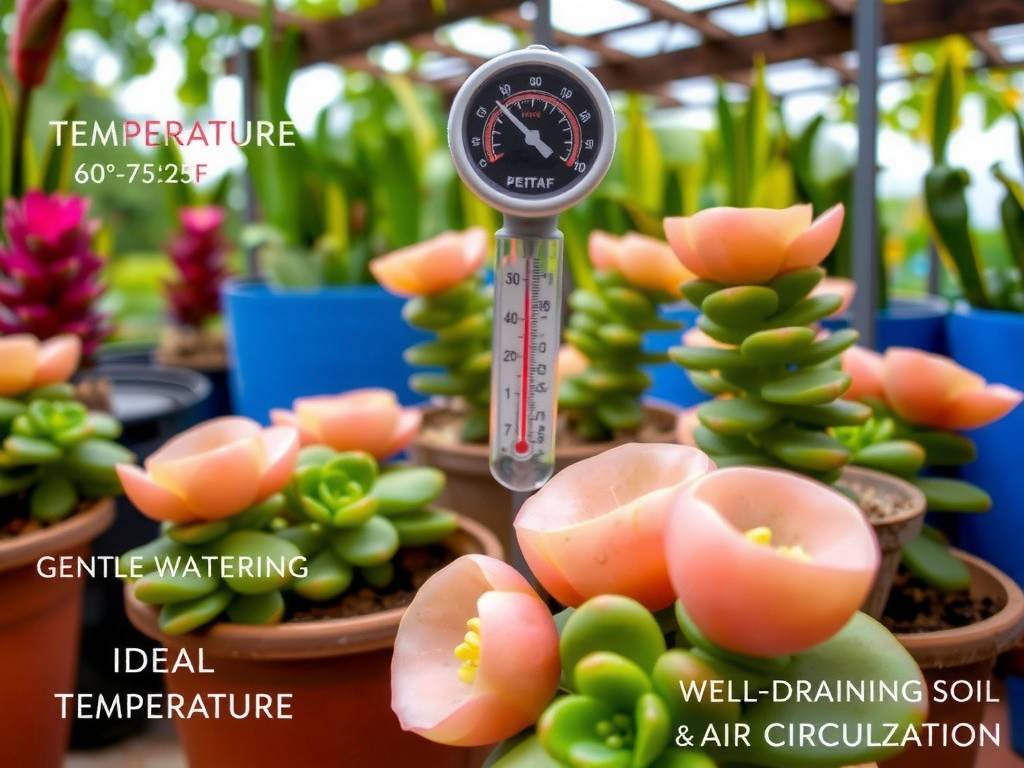
You've finally brought home that stunning Echeveria 'Peach Egg' with its promise of perfectly round, peachy leaves. But now, the anxiety sets in. Why are the bottom leaves turning yellow and mushy? Why is the tight rosette starting to stretch and look leggy? The dream of a plump, symmetrical succulent is fading, and you're worried you're killing it with kindness.
The secret to a thriving 'Peach Egg' lies not in constant attention, but in mastering two fundamental elements: temperature and water. Get this balance wrong, and the plant suffers silently until it's too late. Get it right, and you'll be rewarded with that iconic, compact form and a stunning display of color. This guide will walk you through the precise, seasonal strategies for temperature and water control to ensure your succulent develops and maintains those coveted round leaves.
Understanding the Echeveria 'Peach Egg'
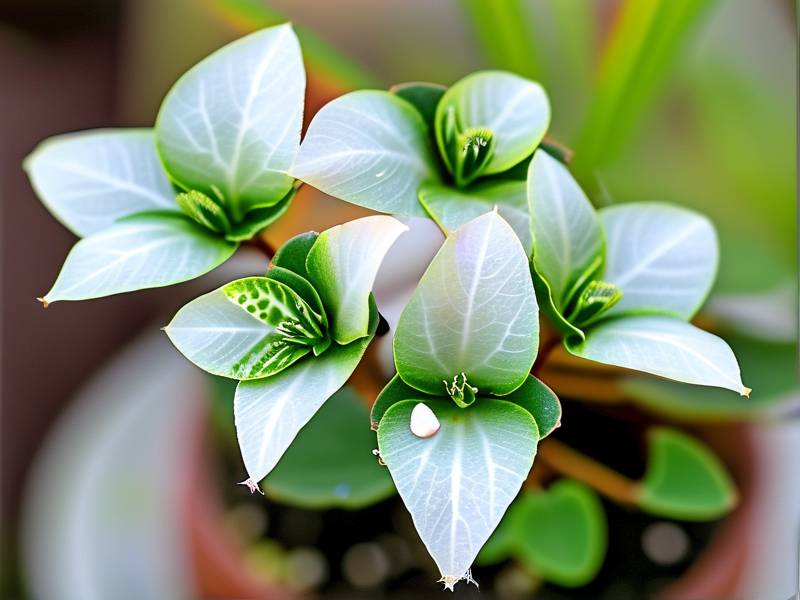
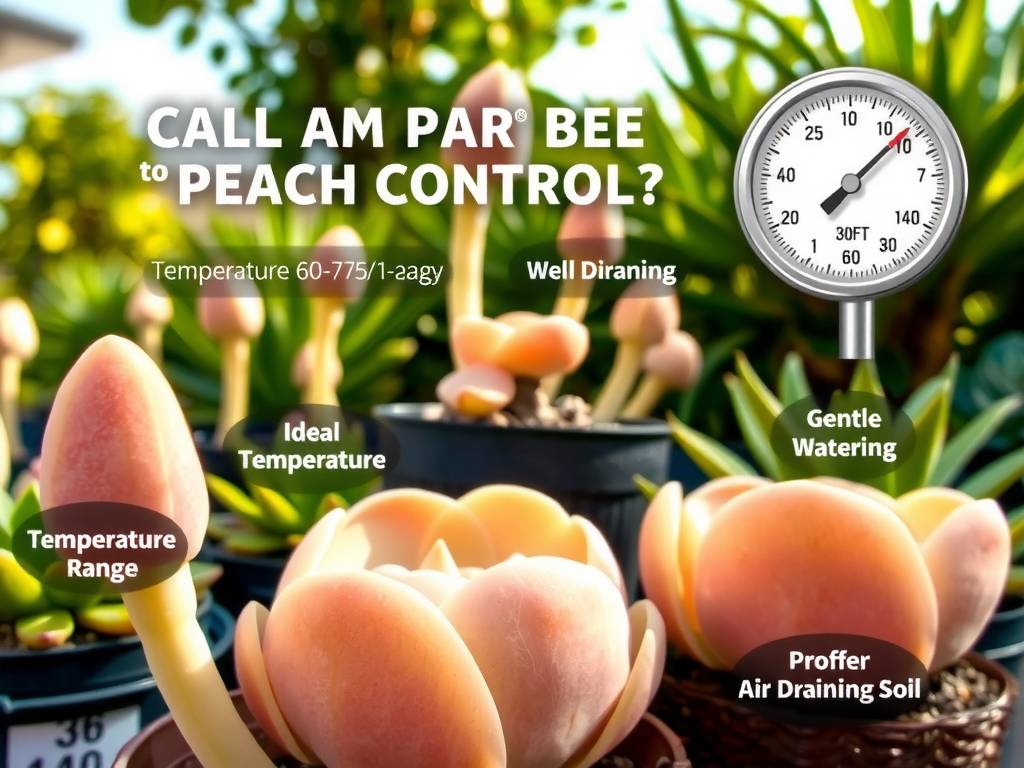
Before diving into care, it's helpful to know what makes this plant special. The 'Peach Egg' is a hybrid Echeveria prized for its almost spherical leaf shape and soft, peachy-pink hues, which intensify with proper light and temperature stress. Its growth pattern is a tight, concentric rosette. When its core needs are met, each new leaf emerges plump and round, contributing to that desirable "egg" shape. However, environmental stress—particularly incorrect temperature and watering—forces the plant to adapt in unsightly ways, such as elongated stems or flattened, wrinkled leaves.
The Golden Rule: How Temperature Dictates Watering
The single most important concept in Echeveria 'Peach Egg' care is that temperature and watering are inextricably linked. You cannot set a fixed weekly watering schedule. Instead, your watering frequency must be a direct, responsive function of the temperature and season. The Royal Horticultural Society (RHS) emphasizes that succulents like Echeveria are adapted to periods of drought followed by rain, and replicating this cycle is key to health.
Warm/Growing Season Care (Spring & Fall)
This is the active growth period for your 'Peach Egg'. With ideal temperatures, it will be producing new round leaves and may even send up a flower stalk.
Optimal Temperature Range: Aim for daytime temperatures between 65°F and 75°F (18°C - 24°C). Nighttime dips to around 55°F-60°F (13°C-16°C) are beneficial. This mild diurnal shift mimics its natural habitat and encourages compact growth and color development.
Watering Strategy for Growth: This is the time for the "soak and dry" method. Water only when the soil is completely dry from top to bottom. To check, insert a wooden skewer into the pot's drainage hole; if it comes out clean and dry, it's time. Water thoroughly until excess flows freely from the drainage holes. This ensures the entire root ball is moistened. Allow the pot to drain completely. Never let the plant sit in a saucer of water. Resume waiting for the soil to fully dry out. This cycle promotes strong root growth as the roots seek out moisture.
Summer Heat Management
High heat poses significant risks. Temperatures consistently above 85°F (29°C) can trigger dormancy, where the plant slows or stops growth to conserve energy.
Managing High Temperatures: Provide bright, but indirect light during peak afternoon heat to prevent sunburn, which shows as bleached or brown scars on the leaves. Ensure excellent airflow around the plant to discourage pests and fungal issues. Watering becomes more cautious. The plant may be using water slower if dormant. Always check soil dryness deeply and water only in the cooler evenings to prevent the water from heating up and "cooking" the roots.
Winter Dormancy Protocol
Winter is a crucial rest period. Cooler temperatures and shorter days signal the plant to enter dormancy.
Ideal Dormancy Temperature: A cool, bright spot with temperatures between 45°F and 55°F (7°C - 13°C) is perfect. According to experts from the American Horticultural Society (AHS), this cool, dry rest is essential for many succulents to re-bloom and maintain a tight form in the following season. Protect from frost at all costs. A single freezing night can cause irreversible cellular damage, turning the plant to mush.
Watering in Cold Weather: Drastically reduce watering. Your goal is to prevent the roots from completely desiccating, not to support growth. In a cool winter setup, watering once every 4-6 weeks may be sufficient. The soil should stay mostly dry. If kept in a warmer home, humidity is lower, so monitor soil dryness more closely, but still water very sparingly.
Signs of Trouble: Diagnosing Temperature and Water Issues
Your 'Peach Egg' communicates its distress through its leaves. Learn to read the signs.
Overwatering & Cold Damage: Symptoms: Soft, translucent, yellowing or blackening leaves, starting at the bottom. The stem may feel mushy. Cause: This is often a combination of too-frequent watering and low temperatures, which slows evaporation and root function, leading to rot. Fix: Stop watering immediately. If the stem is firm, remove the plant from wet soil, let roots dry for a day, and repot in fresh, dry, gritty mix. If the stem is soft, behead the plant above the rot, let it callous, and re-root.
Underwatering & Heat Stress: Symptoms: Wrinkled, limp, or thinning leaves. The lower leaves may dry to a crisp. The rosette may close up tightly. Cause: Prolonged drought, often exacerbated by high temperatures which increase evaporation. Fix: Give the plant a thorough, deep soak. It may plump up within 24-48 hours. If the soil has become hydrophobic, submerge the pot in water for 30 minutes.
Etiolation (Stretching): Symptoms: The stem elongates, leaves become spaced out and may point downward, losing the tight "egg" shape. Cause: Primarily insufficient light, but exacerbated by overly warm temperatures in low-light conditions (like a warm, dark room in winter). Fix: Increase light exposure gradually. The stretched growth won't revert, but you can behead the compact top and re-root it in sunnier conditions.
Expert Tips for Perfect Round Leaves
Use a Terracotta Pot: The porous clay allows soil to dry faster and provides a buffer against overwatering, giving you more margin for error. Create a Gritty Soil Mix: A commercial cactus/succulent mix amended 50/50 with perlite or pumice ensures rapid drainage and prevents waterlogging. Water Based on Plant Signals, Not the Calendar: Leaf firmness is a great indicator. Plump, firm leaves mean wait. Slightly softer, thinner leaves mean check the soil. Acclimate to Changes: When moving your plant between seasons (e.g., indoors to outdoors), do so gradually over 1-2 weeks to prevent shock.
Frequently Asked Questions
My 'Peach Egg' has lost its bottom leaves, is this normal? Yes, to an extent. It is natural for the oldest, outermost leaves to gradually dry up and fall off as the plant grows new ones from the center. However, if multiple leaves are turning yellow and mushy simultaneously, it is a classic sign of overwatering and requires immediate attention.
Can I use ice cubes to water my succulent to control the amount? No, this is a harmful practice. The ice-cold temperature can shock the tender roots, damaging them and making the plant susceptible to disease. Always use room-temperature water and apply it directly to the soil until it drains freely.
Why are the tips of my 'Peach Egg' leaves turning brown? Brown, crispy leaf tips are typically a sign of low humidity or salt/mineral buildup from tap water or fertilizer. Try using filtered or rainwater for watering, and ensure you are flushing the soil thoroughly (letting water run through the pot) every few waterings to leach out excess salts.
Mastering the care of your Echeveria 'Peach Egg' is a rewarding journey of observation and adjustment. By syncing your watering habits with the rhythmic dance of seasonal temperatures—providing ample moisture during cool growth periods and exercising restraint during summer heat and winter chill—you create the stable environment this succulent craves. This disciplined approach is the true key to unlocking its full potential: a resilient, stunningly geometric rosette of perfectly round, peachy leaves that will be the centerpiece of your collection for years to come.