bluename
 How to Care for Large Cinnamomum Kotoense - Warm & Humid Environment for Greener Leaves
You've brought home a stunning large Cinnamomum kotoense, drawn by its glossy, aromatic leaves and elegant stature. But now, those once-vibrant leaves are looking a bit dull, perhaps developing dry tips or even dropping. The frustration is real. You're providing water and light, so what's missing? The secret often lies in replicating its native habitat. Achieving lush, greener leaves on your large Cinnamomum kotoense isn't about complex rituals; it's fundamentally about mastering a warm and humid environment. This comprehensive guide will walk you through the exact steps to create that ideal microclimate, turning your plant from surviving to thriving.
Understanding Your Plant's Origins
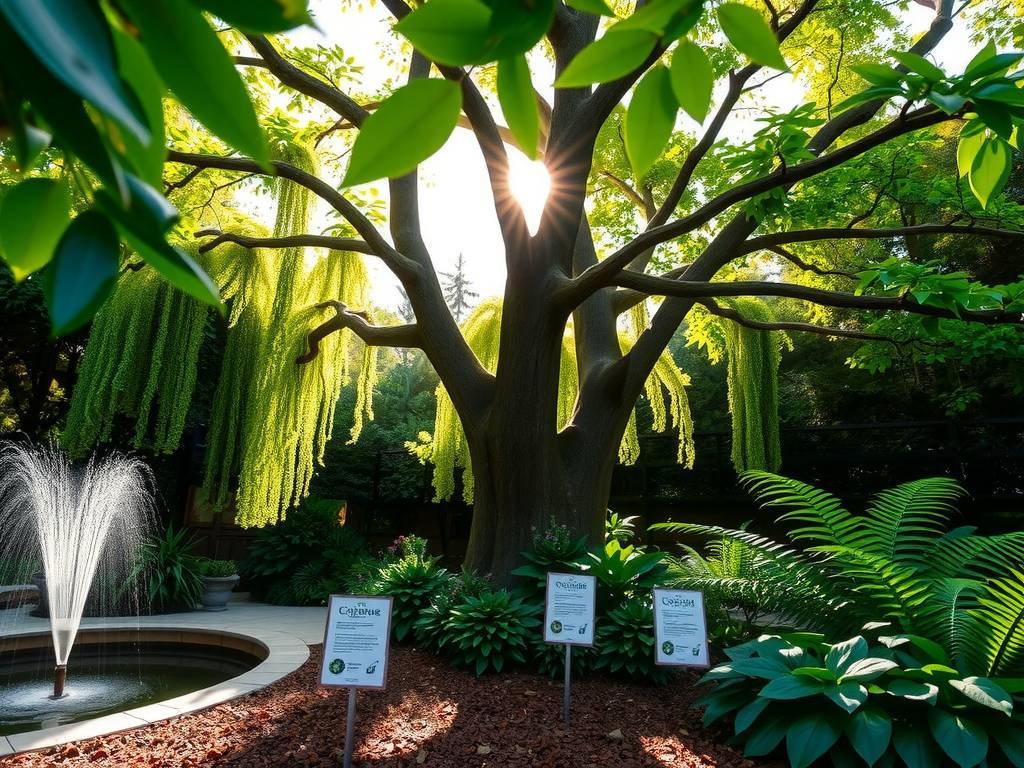
The Cinnamomum kotoense, sometimes called the Makino tree, hails from the warm, subtropical forests of Taiwan and the Ryukyu Islands. In its natural setting, it enjoys dappled sunlight under a forest canopy, consistent warmth, and most importantly, high atmospheric moisture. When we place it in a typical home environment—with dry air from heating or cooling systems—we create a significant stressor. The plant loses moisture through its leaves faster than its roots can absorb it, leading to the common problems you might be seeing. Recognizing this is the first step toward effective care.
Creating the Perfect Warm Environment
Temperature is the stable foundation upon which humidity acts. Getting this right is non-negotiable.
Ideal Temperature Ranges Your large Cinnamomum kotoense prefers a steady temperature between 65°F (18°C) and 80°F (27°C). It can tolerate brief dips to around 60°F (15°C), but prolonged exposure to cooler temperatures will stunt growth and can cause leaf damage. Crucially, avoid cold drafts from windows, doors, or air conditioning vents, as well as direct blasts from heating units, which scorch leaves and dry the air.
Seasonal Adjustments During summer, ensure good air circulation to prevent overheating if rooms get above 85°F (29°C). In winter, moving the plant away from cold glass windows is a priority. According to principles often emphasized by horticultural authorities like the Royal Horticultural Society (RHS), avoiding sudden temperature fluctuations is as important as maintaining the absolute range. A stable environment prevents shock, allowing the plant to focus its energy on growth.
Mastering Humidity for Lush Foliage
This is where the magic happens for greener leaves. While temperature is about comfort, humidity is about vitality.
Why Humidity is Non-Negotiable Humidity is the measure of water vapor in the air. In dry conditions, the plant's stomata (tiny leaf pores) close to conserve water, which also limits the intake of carbon dioxide needed for photosynthesis. The result? Slower growth and lackluster leaves. Adequate humidity keeps these pores functioning optimally, supporting robust photosynthesis for that deep, rich green color you desire.
Practical Humidity-Boosting Strategies Aim for 50-60% relative humidity or higher. Here’s how to achieve it:
- Pebble Trays: Place your pot on a wide tray filled with pebbles and water. As the water evaporates, it creates a localized humid zone. Ensure the pot sits above the water line to prevent root rot.
- Grouping Plants: Cluster your Cinnamomum with other humidity-loving plants. Their collective transpiration creates a beneficial microclimate, a method supported by the American Horticultural Society's (AHS) emphasis on understanding plant communities.
- Humidifiers: For a large plant, a room humidifier is the most effective and consistent solution. It allows you to control the exact moisture level in the air, especially during dry winter months.
- Regular Misting: While a temporary boost, misting the foliage in the morning can help. However, it is not a substitute for sustained ambient humidity and should be done with good air circulation to prevent fungal issues.
The Supporting Pillars of Care
While warmth and humidity are the stars, they cannot perform without a strong supporting cast.
Watering Wisely in a Humid Setup Your watering routine must sync with your humidity efforts. High humidity means the soil will dry out more slowly. Always check the top 1-2 inches of soil; water thoroughly only when it feels dry to the touch. Overwatering in already-moist air is a fast track to root rot. Use lukewarm water to avoid shocking the roots.
Light: The Energy Source Provide bright, indirect light. An east or north-facing window is ideal, or a spot a few feet back from a south or west window. Direct afternoon sun can scorch the leaves, while too little light will lead to leggy growth and pale leaves. The goal is to mimic the dappled light of its forest home.
Soil and Nutrition: The Foundation Use a well-draining, peat-based potting mix amended with perlite or orchid bark for aeration. This ensures roots get oxygen even in a moist environment. Feed during the active growing season (spring and summer) with a balanced, water-soluble fertilizer diluted to half-strength every 4-6 weeks. Reduce feeding in fall and winter.
Pruning and Cleaning for Health Regularly wipe the large leaves with a damp cloth. This removes dust that blocks sunlight and improves the plant's ability to breathe and transpire. Prune any yellowed or damaged leaves at the stem to direct energy to new growth. This also maintains an attractive shape.
Troubleshooting Common Issues
- Brown Leaf Tips: This is a classic sign of low humidity or inconsistent watering. Re-evaluate your humidity strategy and ensure you're watering based on soil check, not a schedule.
- Yellowing Lower Leaves: If occasional, this is natural aging. If widespread, it can signal overwatering, especially in cool temperatures. Check soil moisture and drainage.
- Leaf Drop: Sudden leaf drop is often a reaction to a drastic change—a temperature draft, severe under-watering, or relocation shock. Stabilize the environment and be patient.
My large Cinnamomum kotoense's leaves are still not very green. What am I missing? Beyond humidity, review your light and nutrition. Deep green foliage is a product of efficient photosynthesis, which requires adequate indirect light. Also, a slight magnesium deficiency can cause pale leaves. Consider an epsom salt supplement (1 teaspoon per gallon of water) once or twice a year, or use a fertilizer that includes micronutrients.
Can I place my plant in a bathroom for natural humidity? Yes, a bathroom with a window providing bright, indirect light can be an excellent spot due to the steam from showers. Ensure it's not in a dark corner and that the temperature stays within the comfortable range.
How often should I increase humidity around my Cinnamomum kotoense? Humidity support should be constant, not occasional. The goal is to create a stable environment. Using a pebble tray or humidifier provides a continuous source. Misting is a temporary supplement but does not significantly raise ambient humidity levels long-term.
Caring for a large Cinnamomum kotoense is a rewarding journey of recreating a slice of a subtropical forest in your living space. By prioritizing a consistently warm and humid environment, you address the core need that unlocks its true potential: the development of lush, resilient, and profoundly greener leaves. Pay equal attention to the supporting factors of light, water, and soil, and you’ll be rewarded with a magnificent, healthy tree that purifies the air and brings a serene, vibrant energy to your home for years to come.