 bluename
 How to Care for Haworthia Cooperi - Closed Terrarium Care for Transparent Leaves
You've fallen in love with the mesmerizing, jelly-like windows of Haworthia cooperi. Its plump, transparent leaves seem to glow from within, promising a unique and beautiful succulent display. Yet, despite your best efforts, you might find your plant struggling—leaves turning mushy, losing their signature clarity, or stretching out awkwardly. The common culprit? Applying standard succulent care to a plant that thrives under surprisingly specific conditions. This guide is dedicated to unlocking the secrets of Haworthia cooperi closed terrarium care, focusing on how to maintain those stunning transparent leaves through expert, tailored practices.
Understanding the unique needs of this succulent is the first step toward success. Unlike many of its desert-dwelling cousins, Haworthia cooperi is native to South Africa's Eastern Cape, often found partially shaded among rocks and grasses. This evolutionary background is key: it prefers bright, indirect light and careful watering, making it a prime candidate for the controlled environment of a terrarium. However, the "closed" aspect requires precise execution to prevent disaster.
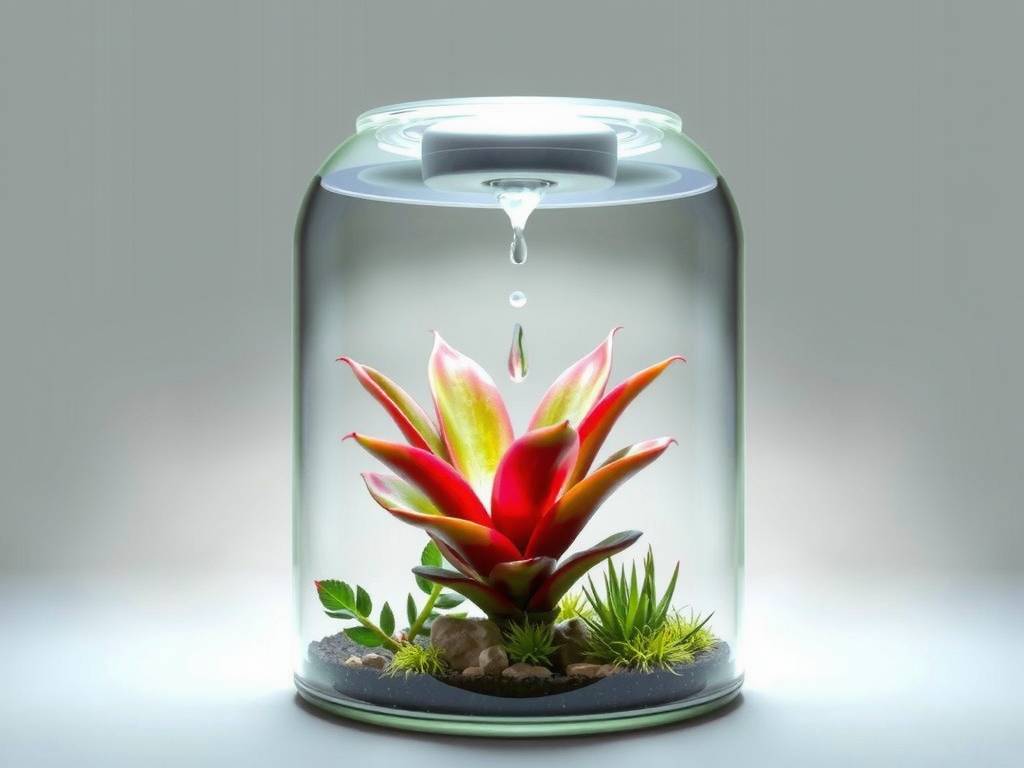
The Essential Foundation: Choosing the Right Closed Terrarium Setup
A closed terrarium creates a self-sustaining microclimate with high humidity through the water cycle. For most plants, this spells doom from rot, but for Haworthia cooperi, when done correctly, it can mimic the gentle humidity and protected environment it subtly enjoys. The goal is not a swamp, but a balanced, miniature ecosystem.
Selecting the Perfect Vessel Your container is more than just decor; it's the cornerstone of your environment. Opt for a glass container with a wide opening or a removable lid. This allows for crucial air exchange and prevents excessive heat buildup. A classic glass apothecary jar, a large brandy snifter, or a specially designed terrarium with a vented top are excellent choices. The container must be spotlessly clean to prevent mold or algae introduction.
Creating the Ideal Drainage and Soil Stratum This is non-negotiable. The Royal Horticultural Society (RHS) emphasizes the critical importance of drainage for all succulents, even in closed systems. Your terrarium needs distinct layers:
- A Base Layer of Horticultural Gravel or Pebbles: A 1-2 inch layer at the bottom acts as a reservoir for excess water, keeping it away from the roots.
- A Separation Layer: A thin mesh or a sheet of sphagnum moss placed over the gravel prevents the soil from sifting down and clogging the drainage zone.
- The Soil Mix: Standard potting soil is a death sentence. You require a sharply draining, gritty mix. Combine a cactus/succulent potting soil with equal parts perlite and coarse sand or pumice. For added authority and plant health, the American Horticultural Society (AHS) recommends such gritty amendments to ensure rapid drainage and prevent soil compaction, which is vital for root aeration.
Mastering the Care Routine for Vibrant Transparent Leaves
With your terrarium built, the focus shifts to the ongoing care that will make your Haworthia cooperi thrive and its leaf windows sparkle.
The Art of Watering in a Closed System This is where most fail. In a closed terrarium, watering is an infrequent event. The system recycles moisture. After initial planting with lightly damp soil, seal the container and observe. Condensation should form on the glass in the morning and evaporate by afternoon. If the glass is perpetually foggy, there's too much moisture—leave the lid off for a day or two. If no condensation ever appears and the soil is bone dry to the touch, add a tablespoon or two of water around the base of the plant, avoiding the leaves. The key is to maintain the visual cycle of condensation, not wet soil.
Lighting: The Secret to Leaf Transparency and Color Those coveted transparent succulent leaves are not just for show; they are an evolutionary adaptation called "leaf windows." They allow light to penetrate deep into the leaf's interior where photosynthesis occurs, while the plant remains mostly buried in its natural habitat to reduce water loss. To support this:
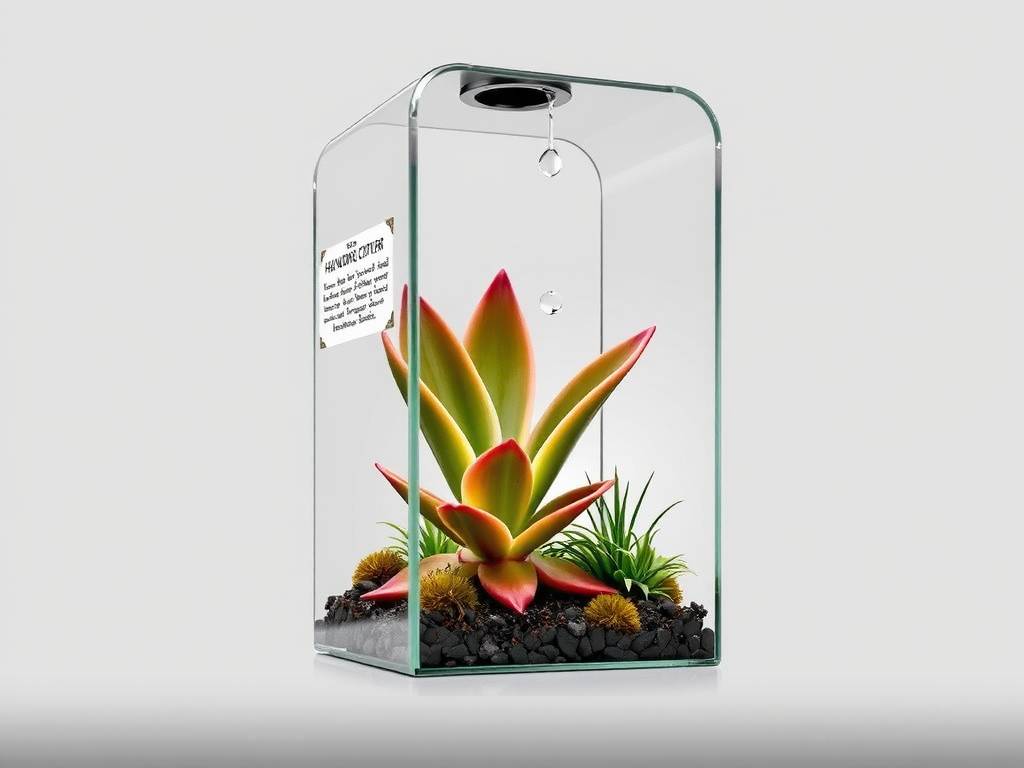
- Provide bright, indirect light. A north or east-facing windowsill is ideal. A spot a few feet back from a south or west window works too.
- Avoid direct, hot sun. Through the magnifying effect of glass, direct sunlight can scorch the leaves, causing brown, crispy patches and fading the beautiful green color.
- If natural light is insufficient, use a grow light placed 6-12 inches above the terrarium for 6-8 hours a day. This ensures compact growth and maintains the leaf's jelly-like appearance.
Maintenance and Long-Term Health A closed terrarium is low-maintenance but not no-maintenance. Periodically remove any dead or yellowed leaves at the base using sterilized tweezers to prevent decay. Gently wipe the interior glass with a microfiber cloth to maximize light penetration. If you notice excessive algae growth on the soil surface, it often indicates too much light or moisture—reduce both slightly. Your plant will naturally produce offsets ("pups") over time. You can leave them to form a cluster or carefully remove and replant them to start a new terrarium.
Troubleshooting Common Problems
Even with perfect care, issues can arise. Here’s how to diagnose and fix them.
- Mushy, Translucent Leaves: The classic sign of overwatering. Immediately remove the plant from the terrarium. Check the roots for rot (black and slimy). Cut away any affected parts, let the plant callous over for a day or two, and replant in fresh, dry mix. Leave the terrarium lid off until the system dries out significantly.
- Leaves Losing Transparency or Turning Brown: This is often sunburn. Relocate the terrarium to a location with gentler, filtered light. The damaged leaves will not recover, but new growth will be healthy.
- Leggy, Stretched Growth (Etiolation): The plant is reaching for more light. Gradually move it to a brighter location or introduce a supplemental grow light to encourage tighter, more attractive rosette formation.
- Pests: While less common in closed systems, mealybugs can appear. Look for white, cottony masses. Isolate the terrarium and treat by dabbing pests with a cotton swab dipped in isopropyl alcohol.
Can I use a regular jar without a lid for Haworthia cooperi? Absolutely. An open terrarium or simply planting in a dish garden is often an easier and lower-risk option. It eliminates humidity concerns and allows you to follow a more typical succulent watering schedule (soak and dry method). The plant will still thrive, though it may appreciate occasional misting in very dry indoor air.
How often should I fertilize my terrarium Haworthia? Very sparingly, if at all. The confined ecosystem has limited resources. If you wish to encourage growth, use a diluted, balanced liquid fertilizer at 1/4 strength, applied only once at the beginning of the growing season (spring). Over-fertilizing will lead to weak, soft growth and can pollute the closed environment.
Why are the tips of my Haworthia cooperi leaves drying out? Slight drying or reddish tinge at the leaf tips can be normal, especially with brighter light. However, if extensive, it could signal underwatering (check the condensation cycle) or, paradoxically, root rot from past overwatering which prevents water uptake. Assess your watering history and root health.
Success with Haworthia cooperi in a closed terrarium hinges on understanding its unique paradox: a succulent that appreciates careful humidity. By prioritizing a gritty, well-draining foundation, mastering the subtle signs of the terrarium's water cycle, and providing the right quality of light, you create an environment where this fascinating plant can truly shine. Its plump, transparent leaves will become a glowing testament to your tailored care, offering a captivating and low-maintenance piece of living art for years to come.





