bluename
 How to Care for Aeonium - Mastering Summer Dormancy Care with Water Control
You’ve nurtured your Aeonium through the cooler months, watching it flourish with vibrant rosettes. Then summer arrives, and suddenly your thriving succulent looks stressed. Its lower leaves are drying up, growth has seemingly halted, and you’re worried you’re doing something wrong. The instinct is to water more, but that might be the very thing harming your plant. This guide is dedicated to solving that exact problem. We will delve deep into the crucial practice of Aeonium summer dormancy care with water control, transforming your approach and ensuring your plant not only survives the heat but enters the next growing season in prime condition.
Understanding the Aeonium's Natural Rhythm
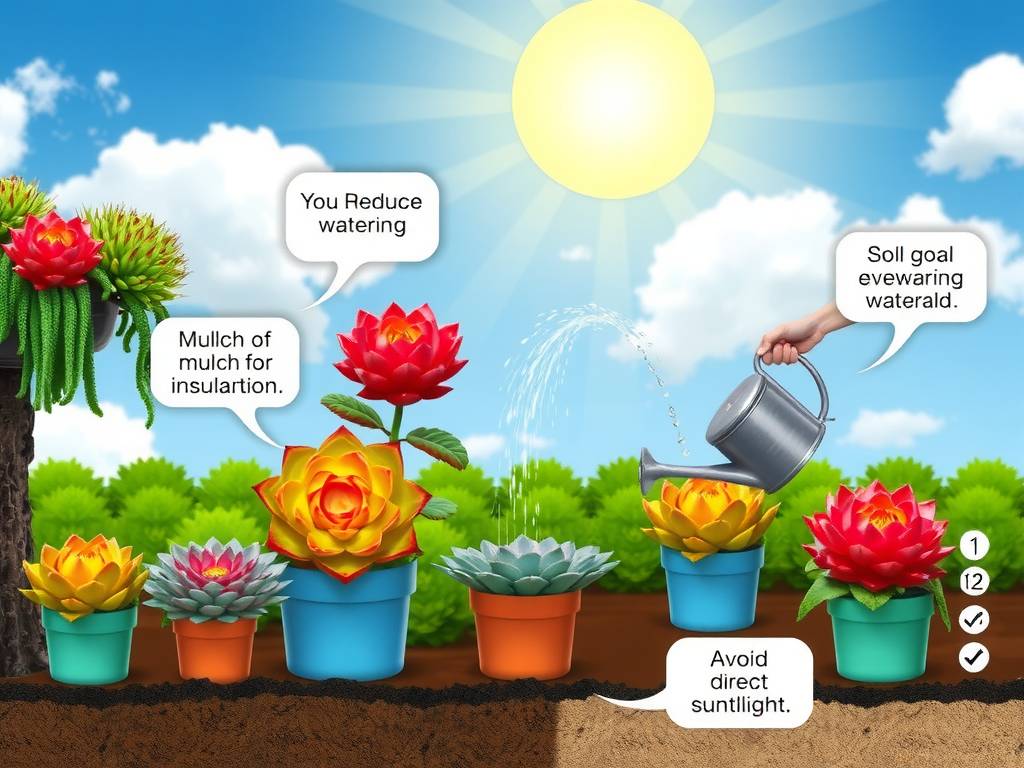
Aeoniums are native to the Canary Islands and other Mediterranean climates. Their growth cycle is perfectly adapted to mild, wet winters and hot, dry summers. During the summer heat, they enter a state of dormancy—a period of rest, not death. This is a survival strategy. By slowing down metabolic processes, the plant conserves energy and water to withstand harsh, arid conditions.
Recognizing the signs of dormancy is your first step in providing proper Aeonium summer care. You may notice:
- The central growth point tightens up; new leaf production stops.
- The outer, lower leaves may dry out and fall off, leaving a bare stem—this is normal.
- The rosette may close up slightly or the leaves may curl.
- The plant’s color might deepen or change slightly.
Misinterpreting these signs as distress and increasing watering is the most common cause of root rot and plant loss. Your care routine must shift from promoting growth to supporting rest.
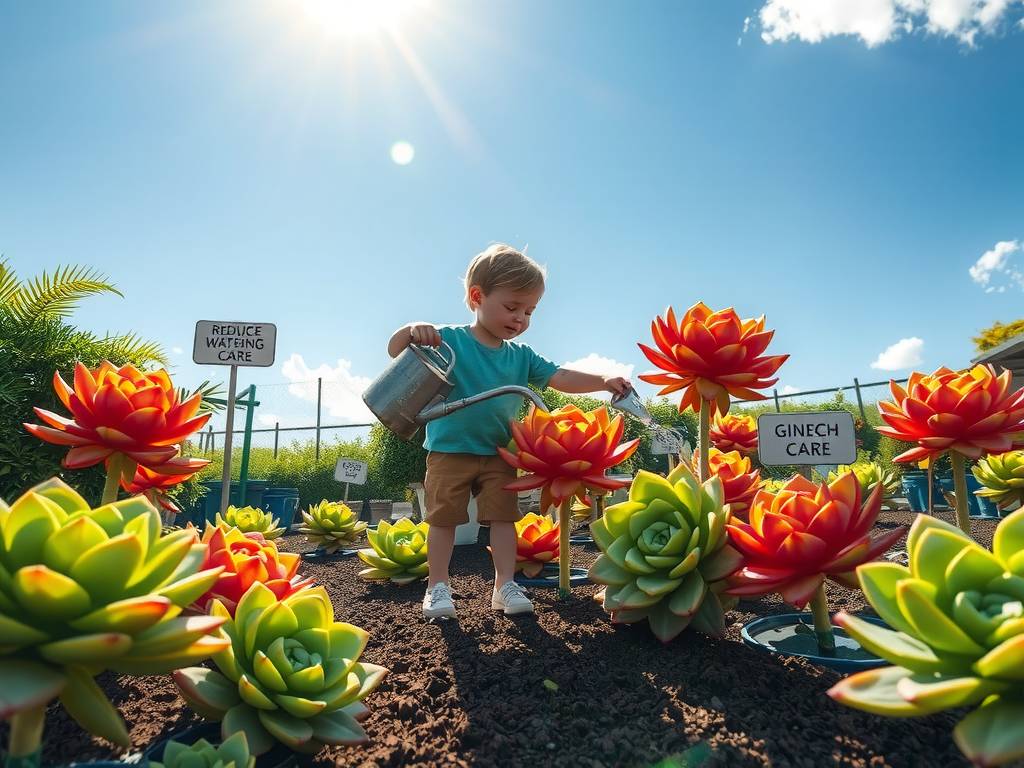
The Golden Rule: Mastering Water Control During Dormancy
This is the cornerstone of how to care for Aeonium in summer. The principle is simple: drastically reduce watering. But the execution requires observation and precision.
1. The "Soak and Dry" Method is on Pause During active growth, you likely water thoroughly when the soil is completely dry. In dormancy, the "dry" period becomes exceptionally long.
- Frequency: Instead of a weekly or bi-weekly schedule, you may only need to water once every 4-6 weeks, or even less. In very humid climates, you might not water at all.
- The Test: Before even considering water, perform a thorough soil check. The top few inches of soil should be dry, but also assess the plant itself. If the stems are firm and the remaining leaves are not showing extreme, widespread shriveling, it does not need water.
- The Technique: If watering is necessary, do so lightly. Provide just enough water to moisten the soil slightly around the roots, not a deep soak. The goal is to prevent the roots from completely desiccating and dying off, not to quench a thirsty, growing plant. Early morning is the best time, allowing any excess moisture on the plant to evaporate quickly in the day's heat.
2. The Critical Role of Soil and Drainage Water control isn't just about how much you pour; it's about how quickly the environment sheds excess moisture. A well-draining soil mix is non-negotiable. As noted by the Royal Horticultural Society (RHS), succulents require "open, free-draining compost to prevent waterlogging." A standard cactus or succulent mix, further amended with perlite or pumice (up to a 50/50 ratio), is ideal. Equally important is the pot. Always use a container with multiple drainage holes. Terracotta pots are excellent for Aeonium water management as they are porous, allowing the soil to dry from the sides as well as the top.
3. The Sun and Heat Factor While Aeoniums love bright light, intense, direct afternoon sun during a heatwave can scorch dormant plants. Provide bright, indirect light or morning sun with afternoon shade. This reduces heat stress and, consequently, the plant's water loss through transpiration. If your plant is in the ground, ensure the soil around it has excellent drainage; raised beds can be beneficial.
Supporting Your Aeonium Through the Summer Rest
Beyond water, a few adjustments create an optimal dormancy environment.
- Hold the Fertilizer: Do not fertilize your Aeonium during the summer months. Feeding a dormant plant can force weak, etiolated growth and disrupt its natural cycle. Resume feeding in early fall when you see signs of new growth.
- Prioritize Airflow: Good air circulation helps keep the plant and soil surface dry, discouraging fungal diseases and pests. Avoid crowding your Aeonium with other plants.
- Pest Vigilance: Stressed or dormant plants can be more susceptible to pests like mealybugs and scale. Inspect the nooks of the rosettes and stems regularly. A quick spray with 70% isopropyl alcohol on a cotton swab can address minor infestations.
The American Horticultural Society's Plant Heat-Zone Map is a useful resource that emphasizes understanding your local summer intensity. This aligns perfectly with caring for Aeoniums—your local climate dictates the severity of their dormancy and the extremity of your water reduction.
Transitioning Out of Dormancy
As daylight hours shorten and temperatures cool in early fall, your Aeonium will signal the end of its rest. You’ll see fresh green growth emerging from the center of the rosette. This is your cue to gradually resume regular care.
- Slowly increase watering frequency, returning to the thorough "soak and dry" method.
- Apply a balanced, diluted succulent fertilizer.
- You can also consider repotting if needed, as the plant prepares for a new growth season.
My Aeonium lost all its lower leaves and looks like a palm tree. Is it dying? No, this is a very common and natural part of aging and dormancy. Aeoniums are naturally woody shrubs. Leaf loss from the bottom, leaving a bare stem crowned with a rosette, is typical. It gives the plant its distinctive, architectural form. Ensure the remaining leaves and stem are firm, not mushy.
Can I propagate Aeoniums during summer dormancy? It's generally not the ideal time. Cuttings taken from a dormant plant may be slower to root and more prone to rot. For the highest success rate, take stem or rosette cuttings in the spring or early fall when the plant is actively growing.
My summer climate is cool and foggy. Will my Aeonium still go dormant? Possibly not, or its dormancy will be much less pronounced. Aeonium dormancy is primarily triggered by a combination of high heat, intense sun, and dry conditions. In cooler coastal summers, your plant may continue to grow slowly. Let the plant's behavior be your guide—adjust watering based on soil dryness and growth signs, not just the calendar.
Success with Aeoniums hinges on respecting their natural cycle. Mastering Aeonium summer dormancy care with water control means embracing their quiet period. By shifting from a nurturing to a protective mindset—prioritizing exceptional drainage, infrequent sips of water over deep drinks, and providing shelter from extreme heat—you work with nature, not against it. This patience is rewarded each fall when your rested, healthy plant bursts back into vigorous growth, showcasing its stunning form for another season.