bluename
 How to Care for Pachyphytum Oviferum - Sufficient Light for Pink & Plump Leaves
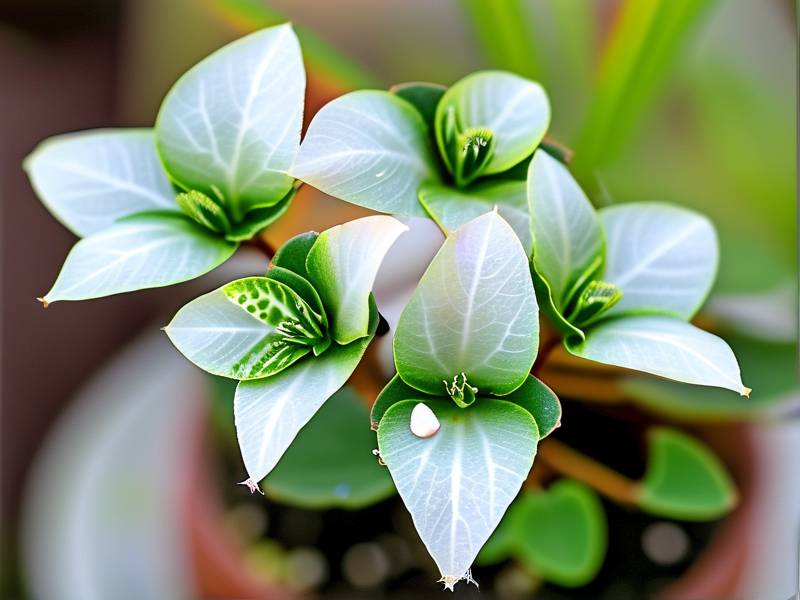
You've fallen in love with the charming, egg-shaped leaves of your Pachyphytum oviferum, often called the Moonstone succulent. You brought it home, dreaming of those iconic pink and plump leaves. But instead of thriving, your plant is stretching out, its colors fading to a dull green, and its once-chubby leaves are becoming thin and elongated. This frustrating scenario is the most common pain point for succulent enthusiasts. The culprit is almost always one critical factor: insufficient light. Achieving that perfect, compact rosette with a pink blush is not about luck; it's about mastering the art and science of providing sufficient light. This comprehensive guide will walk you through exactly how to care for your Pachyphytum oviferum, transforming it into the vibrant, healthy specimen you desire by focusing on its fundamental need for light.
Understanding Your Pachyphytum Oviferum's Light Language
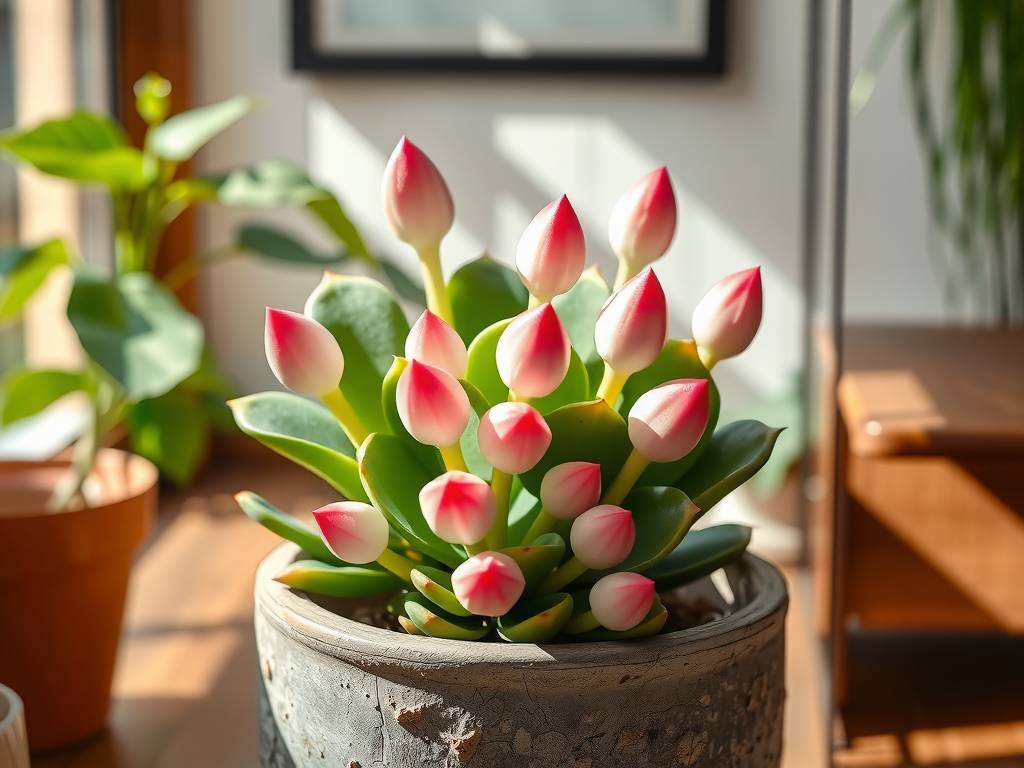
Before we dive into solutions, you must learn to read your plant's signals. Pachyphytum oviferum communicates its health through its form and color. Etiolation is the technical term for the stretching you see. It's the plant's desperate attempt to reach more sunlight. Signs include increased space between leaves, a leggy stem, and leaves pointing downward. Conversely, the ideal state—a tight, compact rosette with rounded, opaque leaves—is a direct result of perfect light conditions. The pink, purple, or orange hues are stress colors, known as "sun blushing," a beautiful and harmless sign that your plant is receiving ample, high-quality light. According to the Royal Horticultural Society (RHS), most succulents require high light levels to maintain their compact shape and distinctive coloration, preventing weak, etiolated growth.
The Science of Sunlight: What "Sufficient Light" Really Means
Sufficient light for Pachyphytum oviferum isn't just about brightness; it's about duration, intensity, and quality. These plants thrive in full sun to partial shade outdoors. Indoors, this translates to the brightest spot you can provide. The goal is 4-6 hours of direct sunlight daily, supplemented by several more hours of very bright, indirect light. A south-facing window is typically ideal in the Northern Hemisphere. East or west-facing windows can work but may require monitoring for signs of insufficient light. Light intensity diminishes dramatically just a few feet from a window. The American Horticultural Society (AHS) emphasizes that light is the primary driver of photosynthesis, the process that builds those plump, water-storing leaves. Without enough light, the plant cannot produce sufficient energy, leading to weak growth and poor form.
Optimizing Indoor Light Conditions
For most growers, cultivating Pachyphytum oviferum is an indoor endeavor. Here’s how to maximize light in your home. First, clean your windows regularly. Dust and grime can block a significant percentage of light. Rotate your pot a quarter turn every week to ensure all sides of the rosette receive equal light, promoting symmetrical growth. If your best window still isn't enough, especially during darker winter months, consider supplemental lighting. Grow lights are a game-changer. Look for full-spectrum LED panels or bulbs. Place the light 6 to 12 inches above the plant and run it for 12-14 hours a day using a timer. This artificial "sun" can prevent etiolation and even enhance pink coloration.
The Critical Balance: Light, Water, and Seasonality
Caring for Pachyphytum oviferum successfully means understanding how light interacts with other care elements, primarily watering. The rule is simple: more light equals a faster drying potting mix, which allows for more frequent watering. Less light means the soil stays moist longer, drastically increasing the risk of root rot. In its peak growing season (spring and fall) with ideal light, you might water every 10-14 days, ensuring the soil is completely dry between soakings. In summer, during intense heat, or in winter with low light, watering should be reduced to once a month or even less. Always water based on the soil's dryness, not a calendar. This balance is non-negotiable for maintaining plump leaves.
Outdoor Cultivation for Maximum Color
If you have the option, acclimating your Pachyphytum oviferum to outdoor conditions can yield spectacular results. The unfiltered sunlight often brings out the most intense pink and plum hues. The process must be gradual to prevent sunburn. Start by placing the plant in dappled shade or morning-only sun for a week. Slowly increase its exposure to direct sun over 2-3 weeks. Be mindful of midday summer sun in very hot climates, which can sometimes scorch the leaves. A location with morning sun and afternoon shade is often perfect. Always bring the plant indoors before the first frost, as Pachyphytum oviferum is not frost-tolerant.
Troubleshooting Common Light-Related Issues
Even with effort, problems can arise. Sunburn appears as crispy, brown, or white scorched patches on the leaves. It is permanent but not fatal. If this happens, simply move the plant to a location with slightly less intense direct sun. If your plant is already etiolated, you cannot reverse the stretching. The solution is to "behead" the plant. Using a sterile knife, cut the top compact rosette, leaving a short stem. Let it callous for a few days, then replant it in fresh soil. The original stem may also produce new offshoots. This resets your plant under proper light. For a pale, green plant, gradually increase its light exposure. You will see the pink blush develop on the leaf edges and tips first.
Creating the Ideal Foundation: Potting Mix and Container
While light is paramount, the right foundation supports its effectiveness. Use a very well-draining succulent or cactus mix. Many experts recommend amending a commercial mix with 50% perlite or pumice to ensure rapid drainage. This prevents waterlogged roots, a condition exacerbated by low light. Choose a pot with a drainage hole. Terracotta pots are excellent because they are porous, allowing the soil to dry more evenly and quickly, complementing your high-light strategy.
Why is my Pachyphytum oviferum losing its bottom leaves? This is a normal part of growth as the plant matures and focuses energy on new growth at the crown. However, if leaves are turning yellow, translucent, and mushy before falling, it is a sign of overwatering, often linked to insufficient light slowing down the plant's water usage.
Can I use a regular desk lamp as a grow light? A standard incandescent or LED bulb does not provide the full light spectrum needed for optimal photosynthesis and compact growth. It may prevent severe etiolation but will rarely produce vibrant colors. Investing in a dedicated full-spectrum grow light designed for plants is necessary for true success indoors.
How do I know if my plant is getting too much light? Signs of too much light (sunburn) are distinct from signs of healthy stress coloring. Sunburn causes permanent, crispy, discolored scars, usually on the top surfaces of the leaves most exposed to the sun. The desirable pink blush is a smooth, even color change, often starting at the leaf margins. When acclimating to outdoor sun, always proceed slowly.
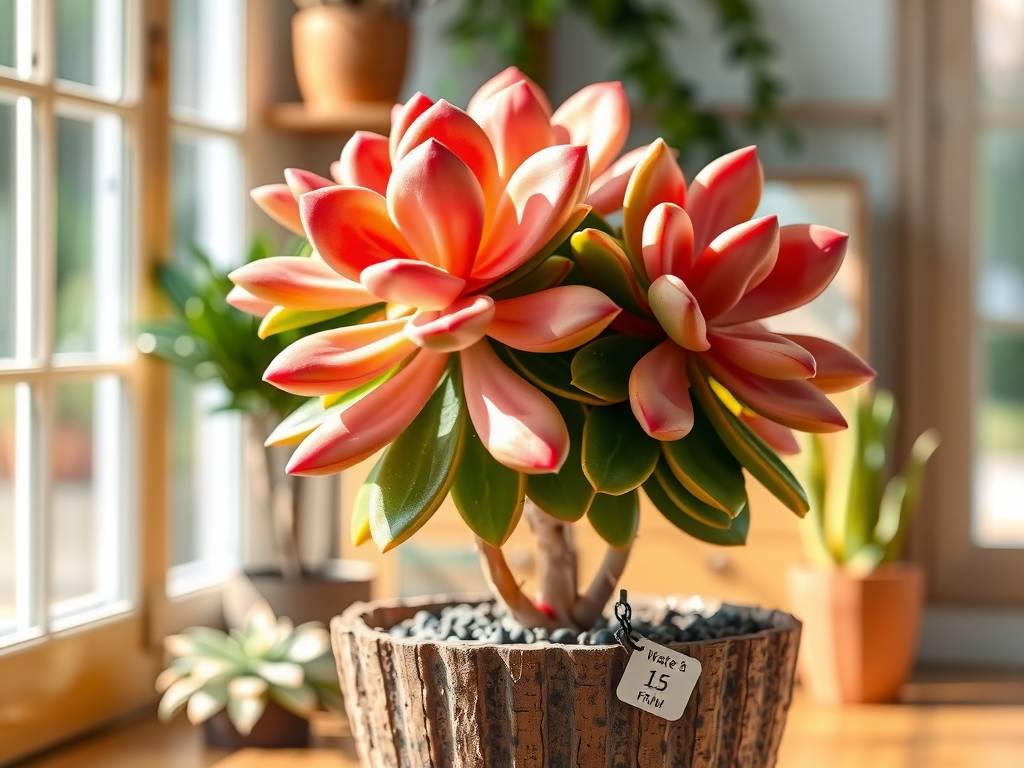
Providing sufficient light is the single most important skill in learning how to care for Pachyphytum oviferum. It dictates the plant's shape, color, and overall vitality. By observing your plant, understanding its signals, and applying the principles of duration, intensity, and balance with watering, you can consistently cultivate Moonstone succulents that are both pink and plump. Remember, patience is key, especially when correcting previous light deficits or acclimating to new conditions. With a dedicated approach to light management, your Pachyphytum oviferum will reward you with its otherworldly beauty for years to come.