bluename
 How to Care for Cotyledon Tomentosa: Master Water Control to Prevent Leaf Drop & Red Tips
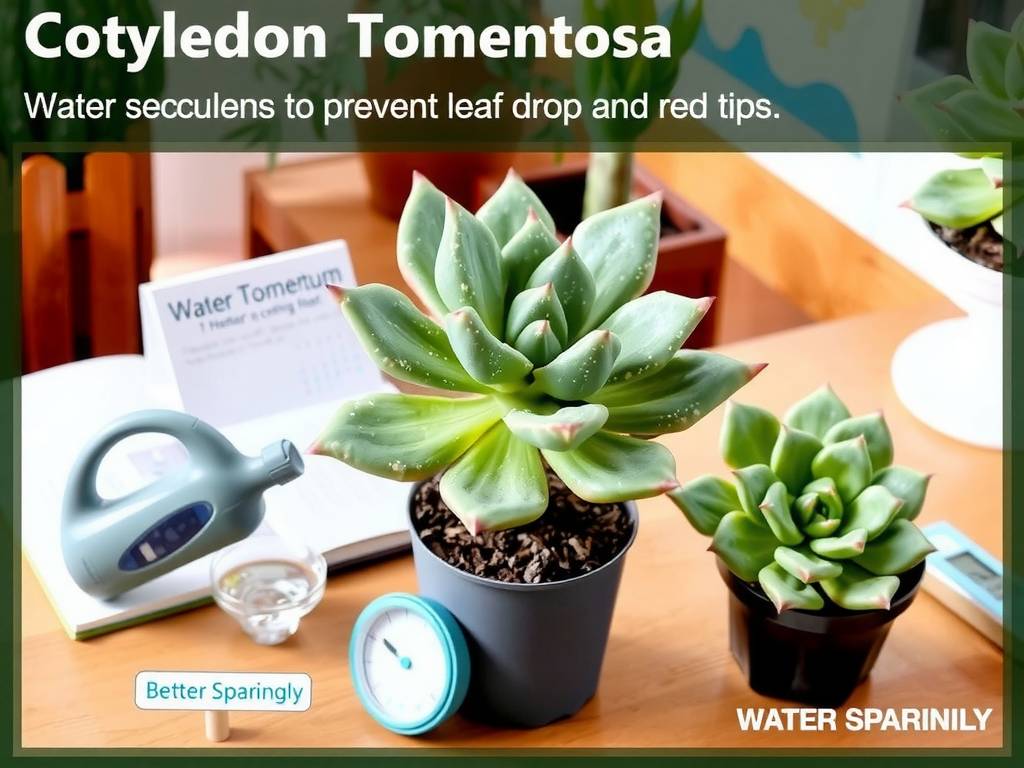
There's a special kind of heartbreak that comes with seeing your beloved Bear’s Paw succulent, the Cotyledon tomentosa, in distress. Those plump, fuzzy paws you fell in love with start dropping leaves unexpectedly, or perhaps the charming red tips you were promised never appear, leaving you with a plain green plant. More often than not, the root cause of these common frustrations is improper watering. Mastering how to care for Cotyledon tomentosa, particularly its water needs, is the single most critical skill for preventing leaf drop and encouraging those vibrant red tips. This guide will walk you through the precise techniques to achieve a thriving, picture-perfect plant.
Understanding Your Cotyledon Tomentosa's Needs
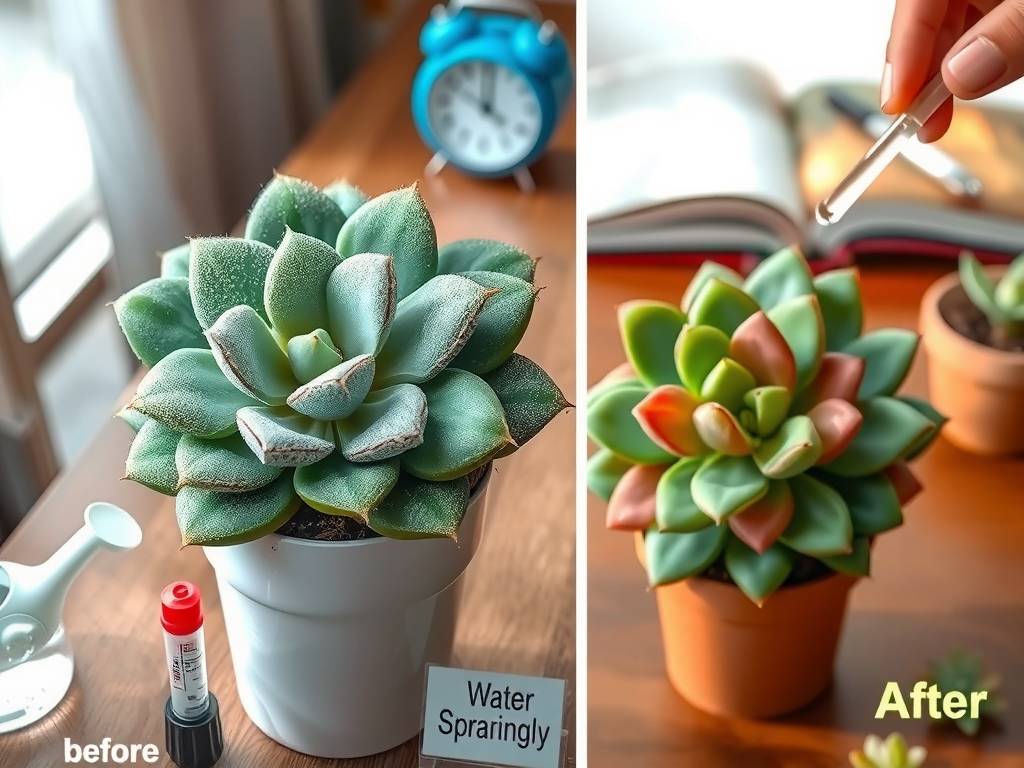
Before we dive into the watering can, it's essential to understand what makes this succulent tick. Native to arid regions of South Africa, Cotyledon tomentosa is evolutionarily designed to store water in its thick, chunky leaves. Those adorable "paws" are its reservoirs. Its fuzzy coating, a feature called pubescence, helps reduce water loss by creating a humid microclimate around the leaf surface and providing some sun protection.
This biology dictates a simple but non-negotiable rule: its roots are not adapted to sit in moisture. Overwatering is the fastest path to root rot, which manifests above the soil as sudden, mushy leaf drop. Conversely, underwatering for extended periods forces the plant to consume all the water stored in its lower leaves, causing them to shrivel and drop off dry and crispy. The goal is to mimic the natural cycle of a heavy rain followed by a complete drought.
The Golden Rule: The "Soak and Dry" Method
Forget watering on a schedule. Your plant doesn't care if it's Tuesday. The only schedule that matters is the soil's moisture level. The "Soak and Dry" method is the industry-standard, expert-recommended approach for all succulents, including Bear's Paw.
Here is your step-by-step guide:
- Check the Soil: Insert your finger or a wooden chopstick into the soil, at least halfway down the pot. For smaller pots, wait until the soil is completely dry all the way to the bottom.
- The Soak: When the soil is bone-dry, it's time to water. Take your plant to the sink or use a watering can with a narrow spout. Water thoroughly and slowly, allowing the water to seep through the entire root ball. Continue until water flows freely out of the drainage hole. This ensures the roots at the bottom get their share.
- The Dry: This is the crucial phase. After soaking, you must let the soil dry out completely again. Empty the saucer or cache pot of any excess water immediately. Do not let the pot sit in a puddle. Then, walk away. Do not water again until you've repeated step one and confirmed total dryness.
This cycle encourages strong, deep root growth as the roots seek out the remaining moisture in the soil. Shallow, frequent watering leads to weak roots and a plant susceptible to rot.
Seasonal Watering Adjustments
Your Bear’s Paw’s thirst changes with the seasons and its growth cycle. Adhering to these seasonal nuances is key to preventing stress-related leaf drop.
- Spring & Summer (Active Growth Season): This is when your plant is actively growing and may use water more quickly. You will likely follow the "soak and dry" method more frequently, perhaps every 7-14 days, depending on your climate and pot size. Always let the soil dry between waterings.
- Fall & Winter (Dormant Period): As growth slows, so does water consumption. During these cooler, lower-light months, you must significantly reduce watering. The soil may take 3-4 weeks or even longer to dry out. Water only sparingly to prevent the roots from completely desiccating. Overwatering in winter is the most common cause of catastrophic leaf drop.
The Critical Role of Pot and Soil
Watering correctly is only half the battle. If your plant is in the wrong container or soil mix, even perfect technique can fail.
Pot Selection: Always use a pot with a drainage hole. This is non-negotiable. Terracotta pots are excellent for Cotyledon tomentosa care as they are porous, allowing the soil to dry from the sides as well as the top. This helps prevent overwatering issues. Ensure the pot is not excessively large; a little snug is better than a pot swimming in wet soil.
Soil Mix: Standard potting soil retains too much moisture. You need a fast-draining succulent or cactus mix. For even better results, many experts, including those from the Royal Horticultural Society (RHS), recommend amending a commercial cactus mix with additional perlite or pumice (a 50/50 mix is a great starting point). This creates an airy, gritty environment that replicates the plant's native, well-draining habitat and is fundamental for preventing root rot.
Achieving the Coveted Red Tips: The Water-Light Balance
Those beautiful red tips, known as "stress colors" or sun-kissing, are a sign of a happy, healthy plant receiving ideal conditions. They are not caused by underwatering alone, but by a perfect synergy.
- Light: Cotyledon tomentosa needs plenty of bright, indirect light. Some direct morning sun is beneficial. The red pigmentation (anthocyanin) acts as a natural sunscreen and is produced in response to strong light.
- The Water Connection: When the plant is on the correct "soak and dry" cycle and experiences slight water stress (the "dry" phase), it enhances this color response under good light. A chronically overwatered plant will remain lush green, while a severely underwatered one will be too stressed to produce vibrant colors. The key is the controlled, cyclical stress of the dry period combined with ample light.
Troubleshooting Leaf Drop: Is it Watering?
If leaves are falling, diagnose the cause by examining the leaf itself.
- Leaves are Mushy, Translucent, or Black at Base: This is overwatering. Stop watering immediately. Check the stems and roots for rot (soft, black, or brown). You may need to behead and repot the healthy top part in fresh, dry soil.
- Leaves are Wrinkled, Crispy, and Dry: This is underwatering. The plant has used up all its reserves. Give it a thorough soak. It may plump back up, but severely desiccated leaves will not recover.
- Leaves Drop from the Bottom, Plant Looks Leggy: This is often a combined issue of insufficient light and perhaps inconsistent watering. The plant stretches for light and sheds lower leaves. Increase light exposure gradually and maintain a consistent "soak and dry" routine.
Frequently Asked Questions
My Bear's Paw lost a lot of leaves after I bought it. What happened? This is very common and is usually due to environmental shock. The plant moved from perfect nursery conditions to your home, which has different light, humidity, and air flow. It may shed some leaves as it adjusts. Focus on providing stable, bright light and begin the proper "soak and dry" watering method. Avoid repotting immediately unless the soil is poor.
Can I mist my Cotyledon tomentosa to increase humidity? No. Misting is not recommended. The fuzzy leaves can trap moisture, leading to rot or fungal issues. It also does not provide meaningful humidity for the roots. The proper way to hydrate this plant is through the soil using the thorough soak method.
How do I know if my plant is getting enough light? A happy Cotyledon tomentosa will have compact, tightly spaced leaf pairs and show some red tipping on the "claws." If the stem is becoming elongated with large gaps between leaves (etiolation), it is stretching for more light and needs a brighter location. Introduce more light gradually to avoid sunburn.
Caring for a Cotyledon tomentosa is a rewarding practice in mindful plant parenting. By embracing the "soak and dry" method as your cornerstone, pairing it with a gritty soil mix and a pot with drainage, and providing ample bright light, you create the foundation for a resilient plant. Mastering this balance between water and light is the direct path to preventing the worry of leaf drop and unlocking the stunning display of red tips that make the Bear's Paw succulent so uniquely captivating. Observe your plant, trust the feel of the soil, and enjoy the journey of watching it thrive under your expert care.