bluename
 How to Care for Sedum Rubrotinctum for Sufficient Light and Red, Translucent Leaves
You’ve brought home a charming Sedum rubrotinctum, often called the Jelly Bean plant, enchanted by pictures of its plump, red-tipped leaves that seem to glow in the sunlight. Yet, weeks later, your plant looks stretched, its leaves are a dull green, and it lacks that signature vibrant, translucent glow. This is the most common frustration for succulent lovers. The secret to unlocking those fiery red and jewel-like translucent leaves isn't a mystery—it's all about mastering light. This guide will provide a clear, step-by-step roadmap to give your Sedum rubrotinctum the perfect amount of light it craves, transforming it into the stunning centerpiece you envisioned.
Understanding Your Sedum Rubrotinctum’s Light Language
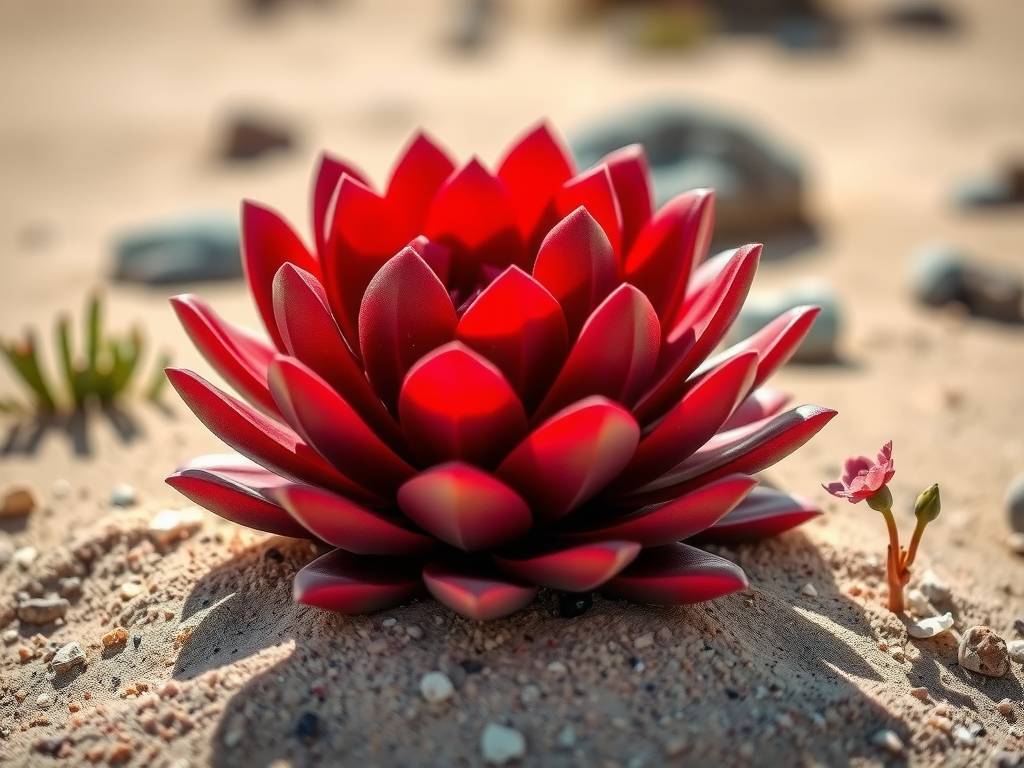
Before we adjust its spot on the shelf, it's crucial to understand what your plant is telling you. Sedum rubrotinctum is a sun worshipper. Its iconic coloration is a direct response to sunlight, specifically a protective pigment called anthocyanin. This pigment acts like a natural sunscreen, and its production is triggered by strong light. When we talk about achieving "sufficient light for red and translucent leaves," we are essentially encouraging this natural, beautiful stress response.
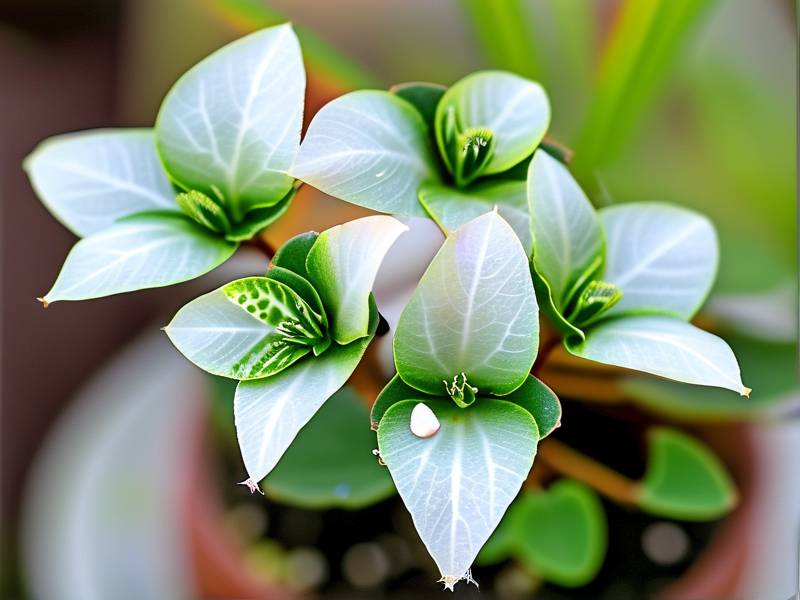
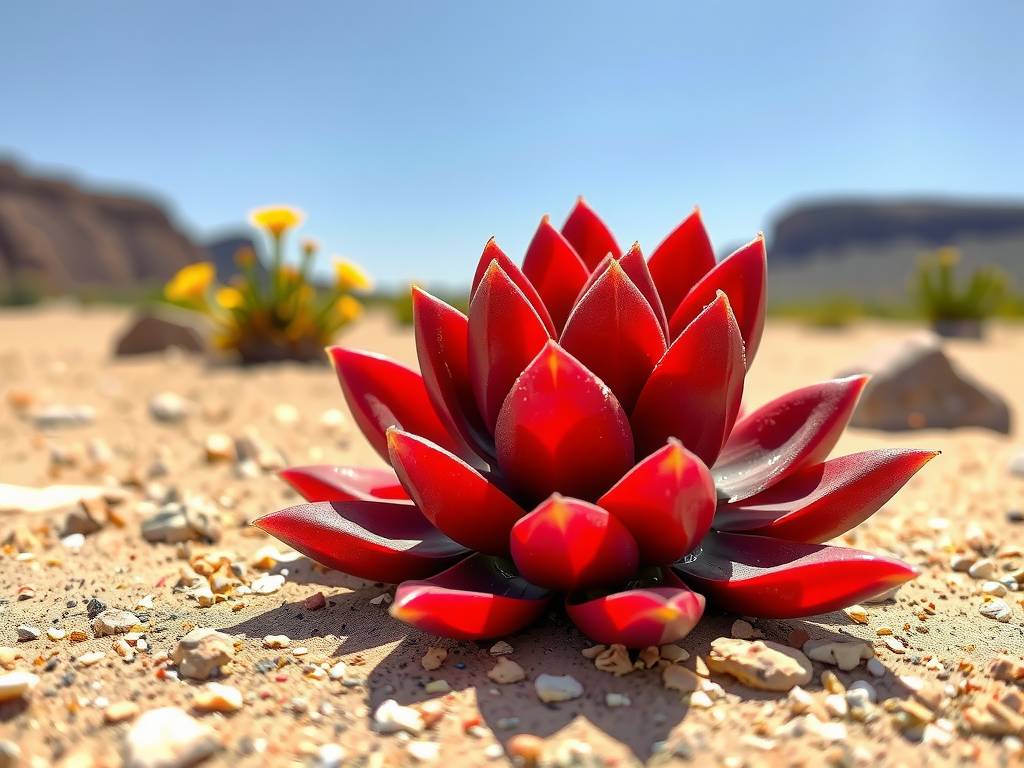
A plant receiving inadequate light will exhibit clear signs of etiolation. This means it stretches out, with elongated stems and wider gaps between the leaves as it desperately reaches for a light source. The leaves will remain primarily green, losing their red tips, and the plant becomes structurally weak. On the other hand, the goal is "sun stress" coloration—a compact, bushy plant with tightly packed, chubby leaves that blush a deep red, often starting at the tips, while the base retains a greenish hue, allowing light to pass through the leaf tissue for that sought-after translucency.
The Ideal Light Recipe: Intensity, Duration, and Type
Providing sufficient light isn't just about placing it in a bright room. We need to consider three factors: intensity, duration, and quality.
Optimal Light Intensity and Direct Sun Exposure For that classic red and translucent look, Sedum rubrotinctum needs several hours of direct sunlight daily. The Royal Horticultural Society (RHS) notes that most sedums thrive in full sun, which they define as more than six hours of direct summer sun. A south-facing window is typically the best indoor location. An east or west-facing window can work but may produce less intense coloration. It’s important to acclimate your plant gradually to prevent sunburn. Start with morning sun (which is less intense) and slowly increase its exposure over 1-2 weeks. You’ll know the intensity is right when the plant maintains a compact form and the red pigmentation develops evenly.
How Many Hours of Light Per Day Are Needed? Duration goes hand-in-hand with intensity. Aim for a minimum of 4-6 hours of direct sunlight. When grown outdoors in ideal climates, they can happily tolerate 6+ hours. This prolonged exposure is what steadily stimulates anthocyanin production. If you notice the red fading or the stems beginning to stretch, it's a clear signal to increase light duration.
Supplementing with Grow Lights for Indoor Success For many indoor gardeners, a perfect south-facing window isn't available. This is where grow lights become essential. They are the most reliable method to provide sufficient light for red leaves on your Jelly Bean plant indoors. Full-spectrum LED grow lights are excellent for promoting compact growth and vibrant color. Position the light 6 to 12 inches above the plant and run it for 12-14 hours a day to mimic a long summer day. According to the American Horticultural Society’s (AHA) emphasis on proper plant lighting, supplemental lighting can make the difference between a plant merely surviving and truly thriving with optimal color.
Seasonal Light Adjustments and Acclimation
Your plant’s light needs change with the seasons, and managing this transition is key to avoiding shock.
Maximizing Light in Winter and Avoiding Etiolation Winter sun is weaker and days are shorter, posing the highest risk of etiolation. Maximize available light by cleaning your windows and placing the plant directly on the sill. Rotate the pot a quarter turn weekly to ensure even growth. This is also the time when a grow light is most valuable to supplement the shortened, less intense daylight hours and maintain that desirable red hue.
Safely Acclimating to Outdoor Sun in Spring/Summer When moving your plant outside for the summer, a sudden shift will cause severe sunburn. The process of hardening off is non-negotiable. Start by placing it in full shade for a few days, then move to dappled morning sun for a week, followed by a few hours of direct morning sun, and finally to its intended sunny spot. This gradual introduction over 2-3 weeks allows the plant to build up its protective pigments safely.
Recognizing and Fixing Sunburn Damage Even sun-loving plants can burn. Sunburn appears as bleached, white, or crispy brown patches on the leaves, often on the side facing the sun. These scars are permanent. If you see this, immediately move the plant to a location with bright, indirect light. The burned leaves will not recover, but the plant will produce new, healthy growth. Focus on prevention through proper acclimation.
Advanced Tips for Peak Coloration and Health
Light is the primary driver, but other care factors work in synergy to support and enhance the effects of optimal lighting.
The Synergy Between Light, Water, and Temperature Sufficient light allows for a more robust watering routine. Under strong light, the plant uses water more efficiently. The golden rule is to water deeply only when the soil is completely dry, and then ensure excellent drainage. This cycle of thorough drying, combined with bright light, encourages the leaves to plump up beautifully. Cooler nighttime temperatures (around 50-55°F / 10-13°C) in conjunction with bright days can further intensify the red pigmentation, as the plant produces more anthocyanin in response to the mild temperature stress.
Potting Mix and Container Considerations for Light Roots A well-draining potting mix is critical. A standard cactus/succulent mix amended with extra perlite or pumice (up to 50%) ensures the roots are healthy and never waterlogged, which is essential for a plant processing high levels of light. Terracotta pots are ideal as they are porous, allowing the soil to dry evenly and preventing root rot. Ensure your pot has a drainage hole.
Pruning and Propagation for a Fuller, Colorful Plant If your plant has become leggy from past low light, don’t despair. You can prune the elongated stems. Simply cut the stem back to a point where the growth is more compact. The remaining base will often produce new offshoots. Don’t throw the cuttings away! Let the cut end callous for a few days, then place it on well-draining soil to propagate. These new baby plants, started under sufficient light, will grow into compact, colorful specimens from the beginning.
Why are the leaves on my Sedum rubrotinctum falling off when I touch them? This is a normal trait for this species, often called "Jelly Bean" plant because the leaves detach so easily. It's a survival mechanism for propagation. However, excessive leaf drop can signal overwatering or extreme stress. Ensure you have a well-draining soil mix and are following the "soak and dry" watering method, especially when the plant is receiving strong light.
Can I keep my Sedum rubrotinctum in low light if I don't care about red color? While it may survive in lower light for a short period, it will not thrive. It will become etiolated—stretched, pale, and weak—making it susceptible to pests and rot. For a healthy, structurally sound plant, bright light is a requirement, not just for color but for its overall well-being.
My plant is getting lots of sun but is still mostly green. What am I doing wrong? First, assess the type of light. Is it truly direct sun, or just bright indirect light? Filtered through a sheer curtain or a tree, it may not be intense enough. Second, consider duration. Four hours of direct afternoon sun may not be enough; try to increase it to six. Finally, review other factors. Overwatering or a nutrient-rich soil can promote rapid green growth at the expense of color. Let the soil dry completely between waterings and avoid high-nitrogen fertilizers.
Achieving the perfect red and translucent glow on your Sedum rubrotinctum is a rewarding journey of observation and adjustment. It begins with committing to providing several hours of direct, unfiltered sunlight daily, whether from a prime window or a quality grow light. Remember to acclimate your plant to any major light changes to prevent shock or sunburn. Pair this strong light with infrequent, deep watering in extremely well-draining soil. By listening to your plant’s cues—celebrating compact, red-tipped growth and correcting elongated, green stems—you’ll cultivate not just a survivor, but a spectacular, glowing example of a healthy, sun-kissed succulent. The vibrant transformation is well worth the attention to detail.