bluename
 How to Care for Sedum Pachyphyllum: Master Water Control to Prevent Leggy Growth
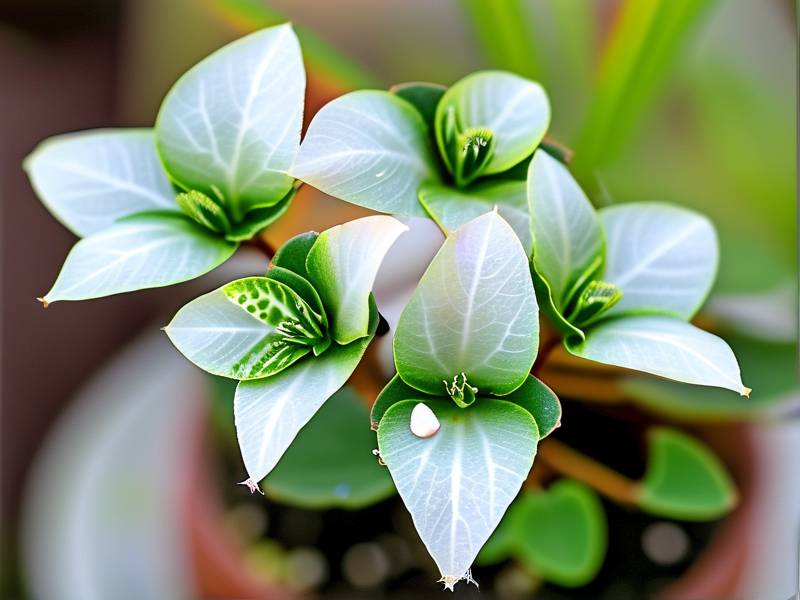
You’ve lovingly brought home a charming Sedum pachyphyllum, with its plump, jelly-bean-like leaves and compact, rosette form. But now, you’re watching in dismay as those once-tight stems stretch awkwardly, the leaves spacing out, and your succulent losing its iconic, chubby appearance. This frustrating phenomenon, known as etiolation or "leggy growth," is the most common cry for help from Sedum pachyphyllum owners. The good news? It’s almost always preventable, and the primary key lies not in complex routines, but in mastering one fundamental skill: strategic water control. This guide will transform your approach, teaching you how to water Sedum pachyphyllum not just to keep it alive, but to cultivate a dense, vibrant, and picture-perfect specimen.
Understanding the "Why": The Leggy Growth Dilemma
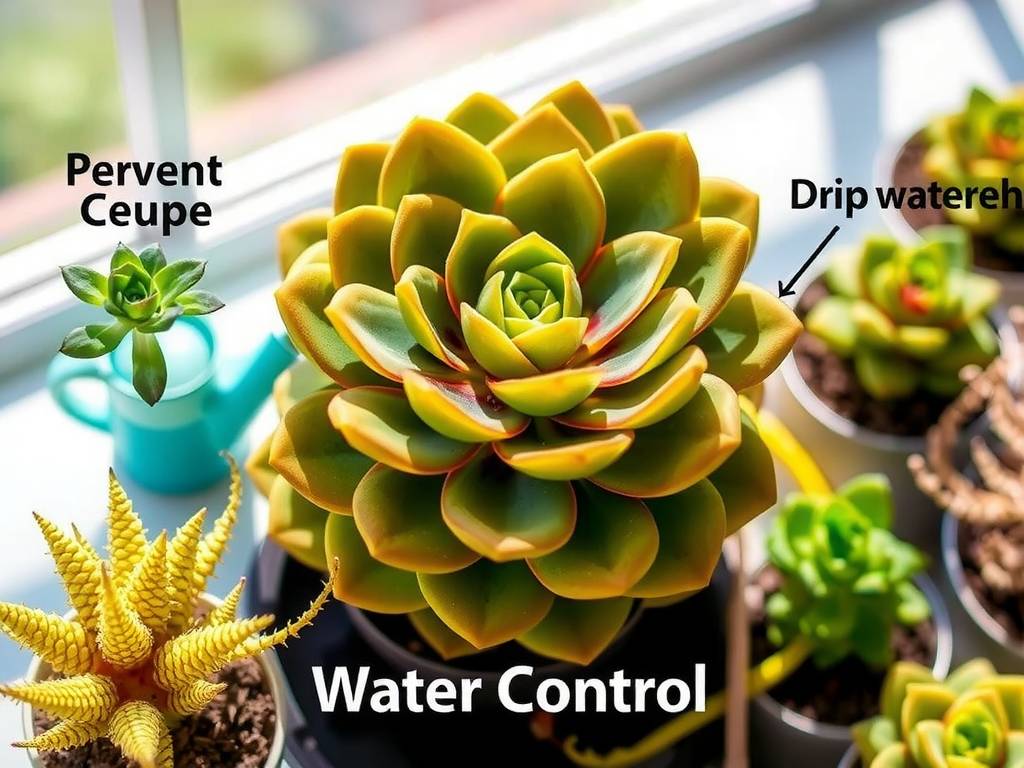
Before we dive into solutions, let's diagnose the problem. Sedum pachyphyllum is a drought-adapted succulent native to arid environments. Its fleshy leaves are water reservoirs. In its natural habitat, it thrives in bright, direct sunlight with infrequent, deep waterings. Leggy growth occurs when the plant isn’t receiving its ideal conditions, and it’s a survival mechanism.
There are two primary, interconnected drivers:
- Insufficient Light: This is the most common partner to overwatering. The plant stretches its stems, searching for more sunlight, causing elongated internodes (the spaces between leaves).
- Improper Watering (Usually Overwatering): This is the critical, often misunderstood factor. Consistent, frequent watering—especially in low light—signals to the plant that resources are abundant. It grows rapidly and weakly, prioritizing stem elongation over compact, sturdy leaf development. The stems become soft and prone to breakage, exacerbating the leggy look.
True prevention of leggy Sedum pachyphyllum requires addressing both, with water control being the leverage point you manage most actively.
The Golden Rule: Watering for Strength, Not Stretch
The goal is to mimic the natural feast-or-famine cycle of its homeland. We want to encourage the plant to develop a robust root system and store water in its leaves, not in constantly elongating stems.
The "Soak and Dry" Method is Non-Negotiable. This is the cornerstone of Sedum pachyphyllum care. Here’s your step-by-step protocol:
- Check the Soil: Never water on a schedule. Always check the soil moisture first. Insert your finger or a wooden skewer at least 2 inches into the potting mix. For mature Sedum pachyphyllum, you must wait until the soil is completely dry all the way to the bottom of the pot.
- The Soak: When it’s time, water thoroughly. Take your plant to the sink and pour water evenly over the soil until it flows freely out of the drainage holes. This ensures the entire root ball gets hydrated and encourages roots to grow deep and strong.
- The Dry: This is the crucial phase. Empty the saucer or cache pot immediately. Never let the plant sit in standing water. Then, allow the soil to dry out completely again. This period of "drought stress" is beneficial—it tells the plant to use its stored water and strengthens its cellular structure.
Seasonal Watering Adjustments:
- Spring & Summer (Growing Season): Water more frequently, but still only when the soil is fully dry. This might be every 10-14 days, depending on your climate and light.
- Fall & Winter (Dormant Season): Drastically reduce watering. Your plant is resting. Water only once a month or even less, just enough to prevent the leaves from severely shriveling. Overwatering in winter is a prime cause of etiolation and root rot.
Providing the Light to Complement Your Watering
Water control works in concert with light. Even with perfect watering, low light will cause stretching. For compact growth, Sedum pachyphyllum needs bright, direct sunlight for at least 4-6 hours daily. A south-facing window is ideal. East or west-facing windows can work but may require monitoring for stretching.
If natural light is insufficient, especially in winter, consider a grow light. Place it 6-12 inches above the plant for 12-14 hours a day. This provides the consistent, high-intensity light needed to keep growth compact.
The Right Foundation: Pot and Soil
Your watering success depends heavily on the environment you provide for the roots.
- Pot Selection: Always use a pot with a drainage hole. Terracotta pots are excellent for beginners as they are porous and help wick away excess moisture, reducing the risk of overwatering.
- Soil Mix: Standard potting soil retains too much water. You need a fast-draining succulent or cactus mix. For even better results, create your own blend by amending a commercial succulent mix with 50% additional perlite or pumice. This creates the gritty, airy structure that allows roots to breathe and dries out quickly, supporting the "soak and dry" cycle.
Expert Insight: What the Authorities Say
The Royal Horticultural Society (RHS) emphasizes the "drench then drought" approach for succulents, noting that "allowing the compost to dry out between waterings encourages a healthy root system." They directly link soft, weak growth to overwatering in low-light conditions.
The American Horticultural Society (AHS) supports this, highlighting that succulents like Sedum pachyphyllum have adapted to store water, and their care should replicate "periods of ample water followed by a dry interval." This cycle is fundamental to maintaining the plant's natural, compact architecture.
Correcting a Leggy Plant: Pruning and Propagation
If your plant is already leggy, don’t despair. Sedum pachyphyllum is incredibly forgiving and easy to propagate.
- "Behead" the Plant: Using clean, sharp scissors or pruning shears, cut the stem just below where the compact growth begins (or where you want new growth to start). Leave about an inch of stem on the original root base.
- Callus and Replant: Let the cut end of the top cutting dry and form a callus for 2-3 days. Then, plant it in fresh, dry succulent mix. Do not water for at least a week to prevent rot.
- Care for the Stump: The original plant base will often produce multiple new, compact rosettes from the leaf nodes left behind.
- Use the Leaves: You can also gently twist off the healthy, plump leaves from the cut stem. Let them callus and place them on top of soil. They will sprout new baby plants.
This process not only fixes your leggy plant but multiplies your collection.
My Sedum pachyphyllum leaves are wrinkling and soft. Am I underwatering? Wrinkled, thin, and slightly flexible leaves typically signal thirst. However, if the leaves are mushy, translucent, and falling off easily, that is a classic sign of overwatering and potential root rot. Always check the soil moisture to be sure. A thirsty plant in dry soil needs water; a mushy plant in wet soil needs to dry out immediately.
Can I save an overwatered, leggy Sedum that has root rot? Act quickly. Unpot the plant, remove all dark, mushy roots and stems with a sterile tool. Let the healthy remaining part callus for several days. Replant in completely fresh, dry succulent mix. Wait at least 10 days before a very light watering, and provide bright light. The plant will focus energy on regenerating roots.
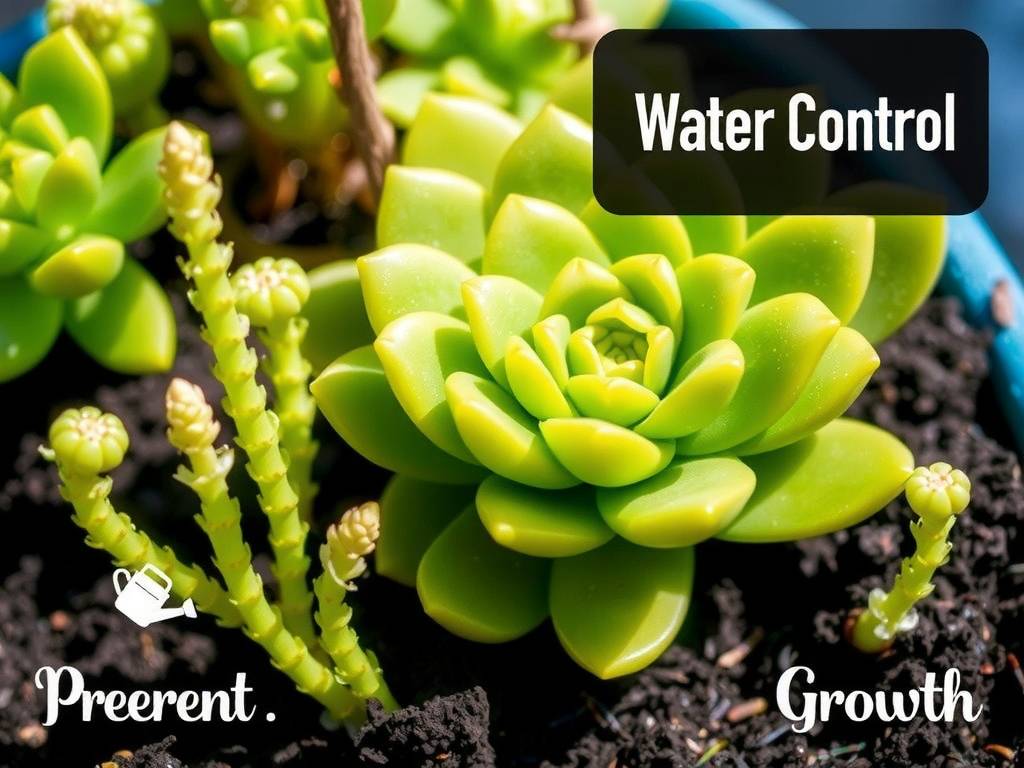
How often should I fertilize to promote compact growth? Less is more. Fertilize only during the active growing season (spring/summer) with a balanced, water-soluble fertilizer diluted to half-strength. Do it only once, maybe twice, during the entire season. Over-fertilizing, especially with high-nitrogen formulas, can promote the weak, rapid growth you’re trying to avoid. The priority is always light and water control.
Cultivating a stunning, non-leggy Sedum pachyphyllum is a rewarding exercise in understanding its native rhythms. By prioritizing deep, infrequent waterings only when the soil is bone-dry, and pairing that discipline with abundant light, you directly guide the plant toward growing dense and strong rather than tall and weak. Remember, this succulent thrives on a bit of benign neglect. Embrace the "soak and dry" method, provide a gritty home for its roots, and watch as your Jelly Bean plant rewards you with the resilient, chubby beauty it was always meant to be.