bluename
 How to Care for Echeveria 'Blue Prince' - Sufficient Light for Blue & Plump Leaves
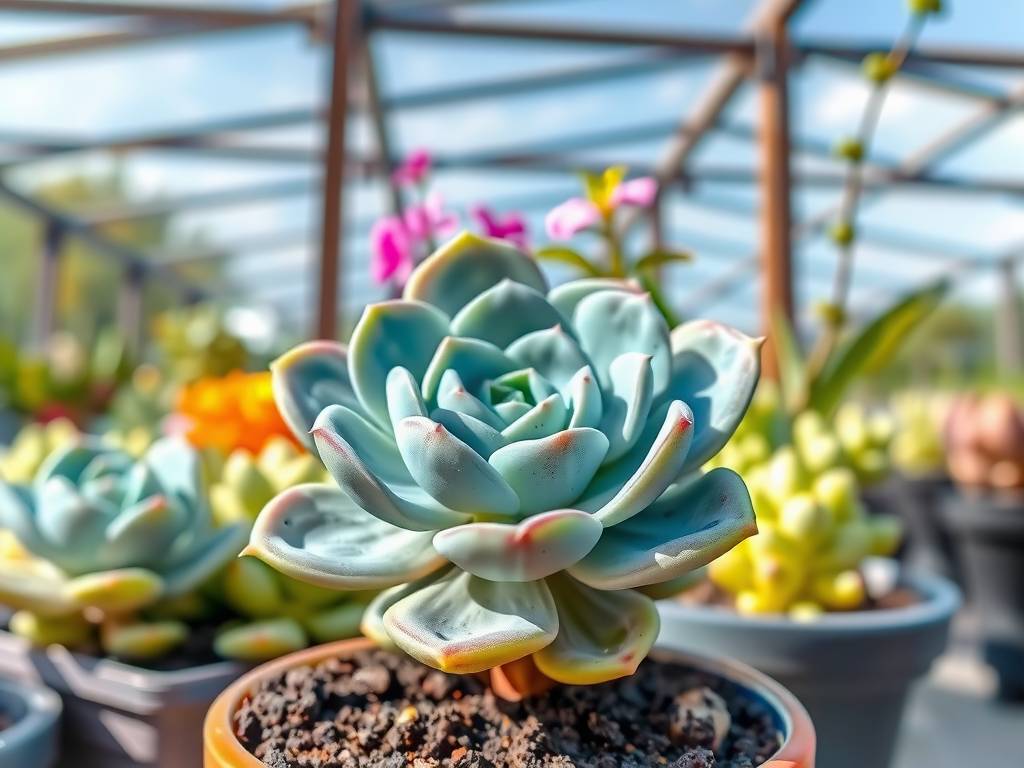
You’ve brought home the stunning Echeveria ‘Blue Prince’, captivated by its promise of powdery blue leaves and a sculptural rosette form. Yet, weeks later, you might find your plant stretching awkwardly, its iconic blue hue fading to a dull green, and its leaves becoming thin and limp. This frustrating transformation points to one of the most common, yet critical, aspects of succulent care: providing sufficient light. Achieving those coveted blue and plump leaves isn't just about luck; it's a direct result of mastering your ‘Blue Prince’s’ light requirements.
This guide will walk you through exactly how to care for Echeveria 'Blue Prince' to ensure it receives sufficient light for vibrant blue and plump leaves. We’ll move beyond generic advice and delve into the specifics of light intensity, duration, and quality, helping you transform your plant from surviving to truly thriving.
Why Light is Non-Negotiable for Your ‘Blue Prince’
Light is the primary engine of your Echeveria's health and aesthetics. Through photosynthesis, light energy is converted into the sugars that fuel all growth. For Echeveria ‘Blue Prince’, adequate light serves three essential functions:
First, it maintains the compact, tight rosette shape. Insufficient light triggers a survival mechanism called etiolation, where the stem elongates rapidly as the plant "reaches" for a light source. This results in a leggy, stretched appearance with wide gaps between leaves.
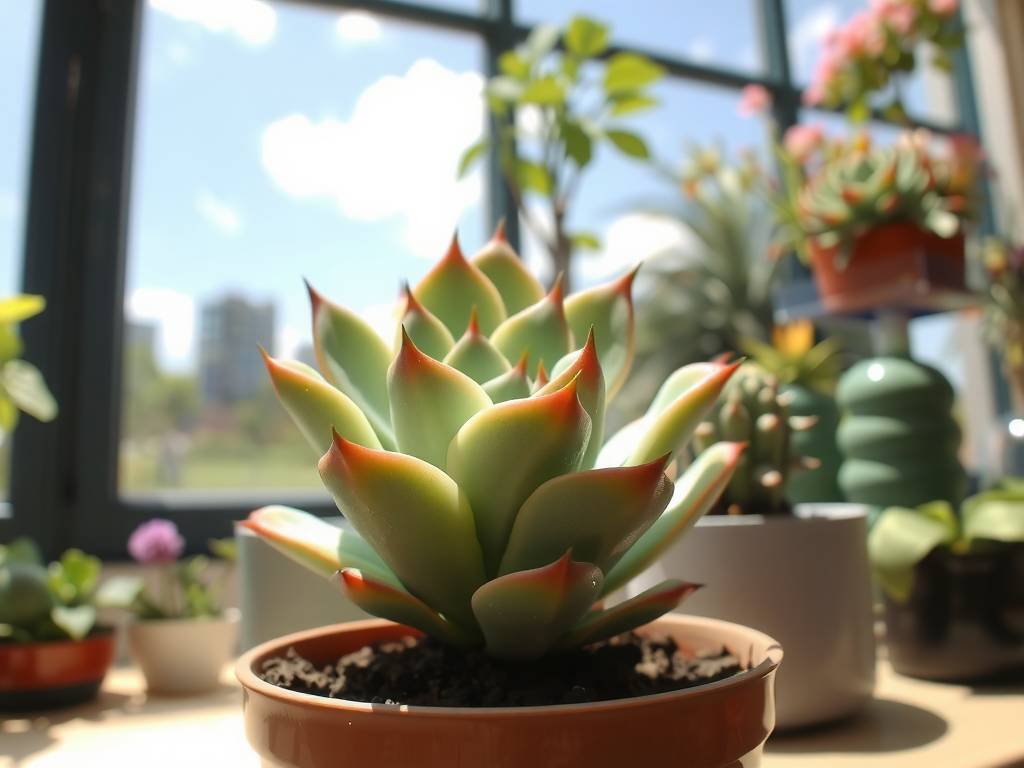
Second, light intensity directly influences leaf color. The beautiful blue tone is a combination of the plant's natural pigments and a protective layer of epicuticular wax, often called "farina." Strong light encourages the production of this wax, which enhances the blue, silver, or lavender hues and provides a matte finish. In low light, the plant produces more chlorophyll (green pigment) to capture scarce light, causing the blue to fade.
Third, sufficient light ensures leaves are thick and firm. The ‘Blue Prince’ stores water in its leaves. Good light levels drive efficient photosynthesis, allowing the plant to produce robust, turgid leaves that efficiently store water. Weak light leads to slower growth and thinner, softer leaves that are more prone to damage.
Decoding "Sufficient Light": Intensity, Duration, and Quality
The term "bright light" is too vague. Let's break down what sufficient light truly means for your succulent.
Light Intensity: The Key to Color and Form This refers to the brightness or strength of the light. Echeveria ‘Blue Prince’ needs high light intensity. As noted by the Royal Horticultural Society (RHS), most Echeverias require full sun to maintain their form and coloration. In practice, this means a minimum of 6 hours of direct sunlight daily. A south-facing window is typically ideal in the Northern Hemisphere. East or west-facing windows can work but may require monitoring for stretching.
Photoperiod: How Many Hours of Light? Duration, or photoperiod, is about consistency. Aim for 6 to 8 hours of direct light. While they can tolerate longer durations in cooler weather, the intensity during the core hours is more crucial than simply counting hours of weak, filtered light.
Light Quality: Understanding the Spectrum Sunlight provides a full spectrum of wavelengths. Blue light promotes compact, leafy growth, while red light influences flowering and stretching. Modern grow lights are designed to deliver this spectrum. If relying on artificial light, full-spectrum LED grow lights are your best choice for mimicking the sun's benefits.
Your Practical Guide to Providing the Perfect Light
1. Optimizing Natural Sunlight Indoors Window direction is your starting point. A south-facing window is the prime location. Observe the light path throughout the day to ensure your plant isn't shaded by eaves or trees. Regularly rotate your pot a quarter turn each week to prevent the rosette from leaning phototropically toward the light source, ensuring symmetrical growth.
2. Transitioning to Outdoor Sun If moving your plant outside for summer, acclimatization is mandatory to prevent severe sunburn. The American Horticultural Society (AHS) emphasizes a gradual transition. Start by placing it in full shade for 3-4 days, then move to dappled morning sun for a week, followed by a few hours of direct morning sun, and finally to its intended full-sun location over 2-3 weeks. This slow process allows the plant to build up its protective wax coating.
3. Mastering Grow Lights for Indoor Success When natural light is insufficient, grow lights are a lifesaver. Choose full-spectrum LEDs. Position the light 6 to 12 inches above the plant. Use a timer to provide a consistent 12-14 hour "day." This controlled environment often yields stunning, stress-colored ‘Blue Prince’ specimens, as you can perfectly manage the light intensity and duration.
Recognizing and Correcting Light-Related Problems
Signs of Insufficient Light
- Etiolation (Stretching): The most obvious sign. The stem grows tall, and the leaves become spaced out.
- Color Loss (Fading to Green): The blue, purple, or red tones fade, leaving a predominantly green plant.
- Leaf Flattening: The rosette may open up, and leaves become less upright and more horizontal.
- Soft, Thin Growth: New leaves are smaller, thinner, and lack the characteristic plumpness.
Signs of Too Much Light (Sunburn)
- Brown, Crispy Patches: These are permanent scars, usually on the upper surfaces most exposed to the sun.
- Bleached or White Spots: Extreme light can damage the farina and underlying tissue.
- Shriveling with Wet Soil: This can be a combination of sun stress and root damage from overheating.
If your plant is stretched, you cannot reverse the etiolation. The solution is to "behead" the plant. Cut the compact top off, let it callous, and replant it. Provide the corrected, stronger light to the new plant and the original stem, which may produce offsets.
Balancing Light with Other Care Factors
Light doesn't work in isolation. It interacts deeply with watering and seasonal changes.
The Light-Watering Connection A ‘Blue Prince’ in strong, direct light will use water more efficiently and will require more frequent watering than one in low light. However, the golden rule remains: always water based on soil dryness, not a schedule. The "soak and dry" method is critical. Water thoroughly only when the soil is completely dry, and ensure excess water drains freely. In high light, this cycle may be faster. In lower light, soil stays moist longer, greatly increasing the risk of root rot.
Seasonal Light Adjustments Light intensity changes with the seasons. Your plant may need its position adjusted throughout the year. The weaker, shorter days of winter may require moving it to the brightest possible window or supplementing with a grow light. Conversely, the intense, prolonged sun of midsummer may necessitate light afternoon shade in extremely hot climates to prevent scorching. Reduce watering frequency significantly in winter when growth slows and light levels are lower.
How can I tell if my south-facing window is bright enough? Observe the shadow test. On a sunny day, place your hand between the window and your plant. A crisp, well-defined shadow indicates high light intensity. A fuzzy, faint shadow suggests the light is too diffused. Also, watch for the signs of stretching or color loss over 2-3 weeks.
My ‘Blue Prince’ is outdoors and getting brown spots. Is it sunburn or something else? If the brown spots are dry, crispy, and localized on the side facing the sun (especially on the upper leaf surfaces), it is likely sunburn, often from a sudden increase in light without acclimatization. If the spots are soft, mushy, and spreading from the stem or lower leaves, it is more likely a fungal issue or rot related to overwatering.
Can I use a regular desk lamp instead of a grow light? A standard incandescent or fluorescent desk lamp lacks the appropriate light spectrum and intensity for succulent needs. It will not prevent etiolation or enhance color. While it might keep the plant alive in the short term, it will not promote the healthy, compact, and colorful growth that defines a well-cared-for Echeveria ‘Blue Prince’. Investing in a dedicated full-spectrum LED grow light is necessary for indoor success without natural sun.
Providing sufficient light is the cornerstone of Echeveria ‘Blue Prince’ care, directly unlocking its potential for blue and plump leaves. By understanding the specifics of intensity, duration, and quality—and learning to read your plant’s signals—you can create an environment where it doesn’t just grow, but excels. Whether harnessing the power of a sunny windowsill or the consistent output of a grow light, the reward is a stunning, resilient succulent that showcases the perfect form and color it was bred to express. Remember, every adjustment should be gradual, and always balance your lighting strategy with mindful watering practices tailored to the conditions you’ve created.