bluename
 How to Care for Sempervivum Tectorum: Master Water Control to Prevent Leggy Growth & Boost More Offsets
You’ve brought home a stunning Sempervivum tectorum, the classic houseleek, enchanted by its perfect rosette and promise of easy care. Yet, instead of thriving, your plant is stretching out awkwardly, becoming pale and leggy, while stubbornly refusing to produce the charming clusters of offsets you expected. This frustrating scenario is a common cry for help from a succulent being loved a little too much, usually in the form of overwatering. Achieving that coveted, compact form and abundant “chicks” around the “hen” hinges on one critical skill: mastering water control. This comprehensive guide will demystify the precise care for Sempervivum tectorum, turning your struggles into success by focusing on the pivotal balance of moisture to prevent etiolation and stimulate prolific offset production.
Understanding the Sempervivum Tectorum’s Natural Blueprint
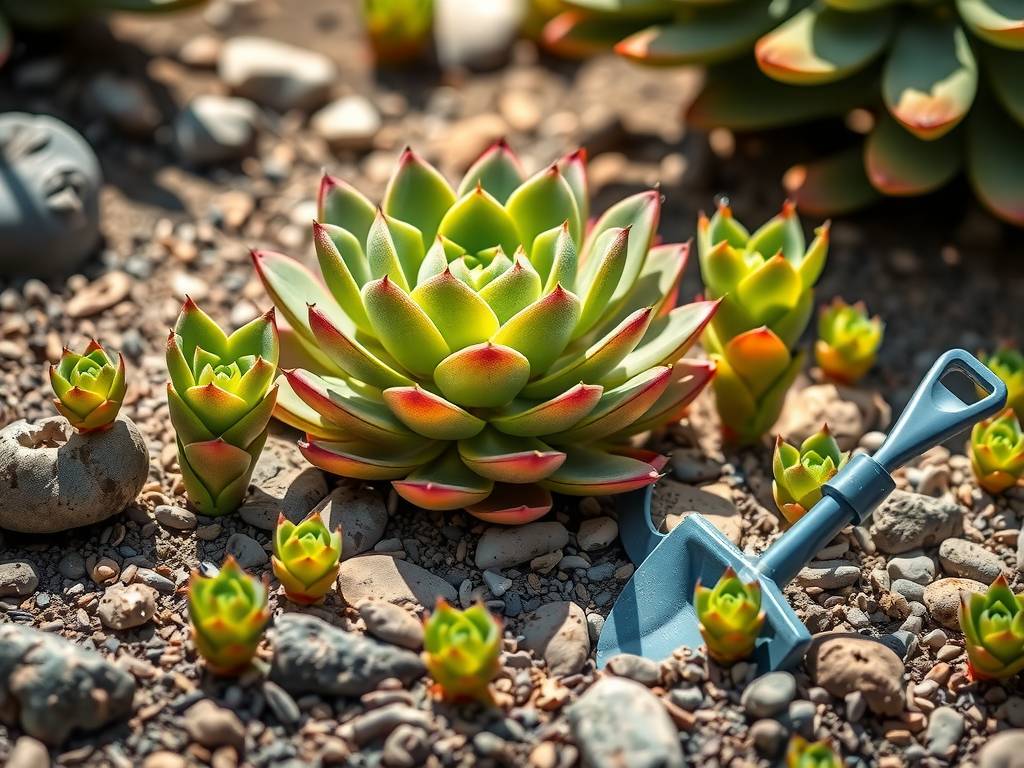
To care for any plant effectively, you must first understand its origins. Sempervivum tectorum, commonly known as hens and chicks, thrives in the mountainous, rocky regions of Europe. It clings to alpine slopes and rocky outcrops where soil is thin, drainage is instantaneous, and water is a fleeting resource. These conditions have hardwired the plant for survival in drought and full sun. Its succulent leaves store water, allowing it to endure long dry periods. When we replicate these sparse conditions, we signal to the plant that it is in its ideal habitat, encouraging compact growth and triggering its natural reproductive instinct: creating offsets to ensure survival.
The number one cause of failure with these succulents is treating them like typical houseplants. They do not want constant moisture. Their roots are designed to drink quickly and then breathe in dry, aerated soil. Keeping them in standard potting mix or watering on a weekly schedule is a direct path to root rot, mushy leaves, and the very leggy growth you’re trying to avoid.
The Critical Link Between Watering and Leggy Growth
Leggy growth, or etiolation, in Sempervivum tectorum is not just an aesthetic issue; it’s a symptom of stress. While insufficient light is a primary driver, improper watering is a powerful accomplice.
Overwatering weakens the plant’s structure and accelerates etiolation. A consistently moist environment promotes rapid but weak cellular growth. The plant stretches out in a desperate, structurally unsound attempt to find drier, sunnier conditions. The stems elongate, the rosette opens up, and the tight, geometric form dissolves into a sparse, pale imitation of its potential. Furthermore, as the Royal Horticultural Society (RHS) notes, soft growth induced by excess water and poor light makes succulents far more susceptible to fungal diseases and pest infestations.
Conversely, strategic underwatering, paired with ample light, encourages the plant to grow compactly and defensively. It focuses its energy on strengthening existing leaves and preparing for reproduction rather than on unsustainable vertical expansion.
Your Step-by-Step Guide to Perfect Water Control
Mastering water for Sempervivum is about technique and timing, not a calendar.
The “Soak and Dry” Method: The Golden Rule This is the non-negotiable standard for watering Sempervivum tectorum. Here’s how to execute it flawlessly:
- Soak Thoroughly: When it’s time to water, drench the soil completely. Water should flow freely out of the drainage holes. This ensures the entire root ball gets moisture, encouraging deep, strong root growth.
- Dry Completely: This is the crucial phase. Allow the soil to become completely dry all the way to the bottom of the pot before you even consider watering again. Do not water based on the surface dryness alone.
How to Accurately Check for Dryness Forget guesswork. Use a wooden chopstick or skewer. Insert it deep into the soil near the root zone, leave it for a minute, and pull it out. If it comes out clean, with no soil particles or moisture stains, the soil is bone-dry and ready for a soak. For potted plants, lifting the pot is another excellent indicator; a completely dry pot will feel surprisingly light.
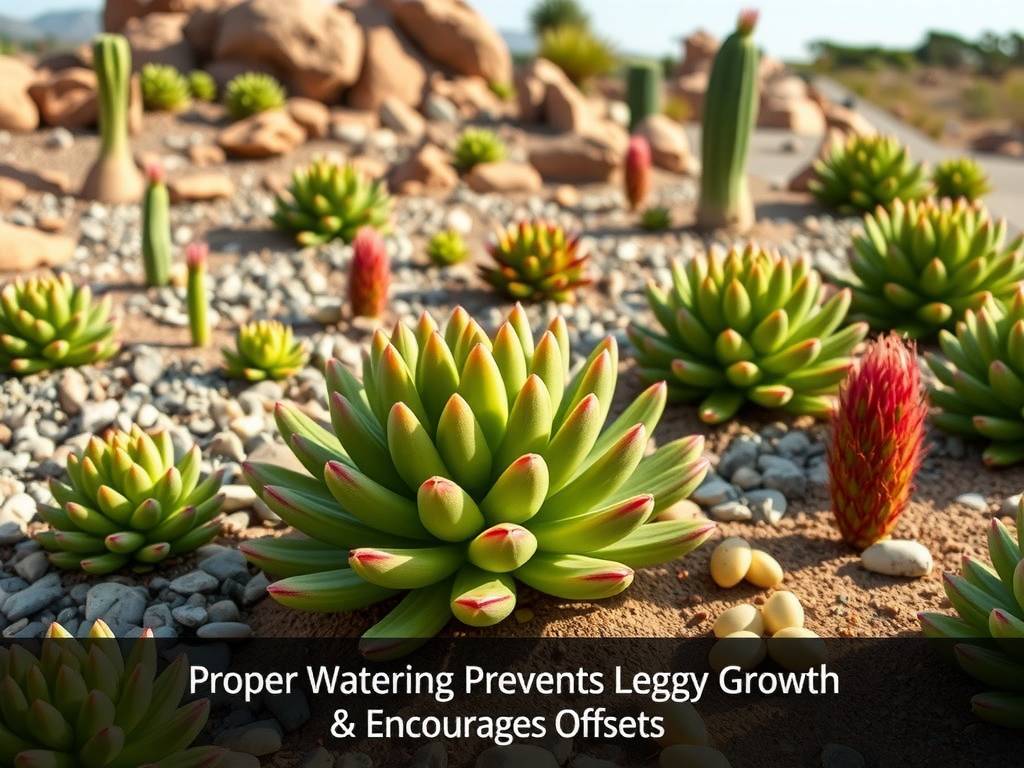
Seasonal Watering Adjustments Your plant’s thirst changes with the seasons.
- Spring & Summer (Active Growth): This is when your Sempervivum is most actively growing and producing offsets. Watering frequency will be at its highest, but still only when the soil is dry. This might mean every 7-14 days, depending on your climate and pot size.
- Fall & Winter (Dormancy): As temperatures drop and light decreases, Sempervivum tectorum enters a dormant state. Its growth nearly stops. Dramatically reduce watering. In many climates, rainfall or occasional winter watering every 4-6 weeks is sufficient. The goal is to prevent the roots from desiccating completely, not to support growth. The American Horticultural Society emphasizes that for many alpine succulents, a dry, cold dormancy is essential for maintaining health and promoting flowering in subsequent seasons.
Optimizing Soil and Container for Drainage
Water control starts before you even water. The right soil and pot are your first line of defense.
The Ideal Soil Mix Standard garden soil or moisture-retentive potting mix is a death sentence. You need a gritty, sharply draining mix. A perfect blend is:
- 50% mineral grit (perlite, pumice, coarse sand)
- 50% potting soil (a cactus/succulent mix is ideal) This creates an environment where water passes through rapidly, leaving air pockets for the roots to breathe, mimicking its native rocky terrain.
Choosing the Right Container Always, without exception, use a pot with a drainage hole. Terracotta pots are superior for beginners because they are porous, allowing the soil to dry from the sides as well as the top and bottom. Ensure the pot is not excessively large; a little root crowding is beneficial and helps the soil dry more efficiently.
Promoting More Offsets Through Cultural Stress
Once you have watering under control, you can actively encourage your “hen” to produce more “chicks.” Offsets are the plant’s way of ensuring genetic survival. We can gently stress the plant to trigger this instinct.
The Role of Light Provide at least 6 hours of direct sunlight daily. A south-facing location is ideal. Insufficient light leads to etiolation and a lazy plant that sees no need to reproduce. Abundant, direct light signals to the plant that conditions are optimal for new generations to succeed.
The Power of a Tight Fit Sempervivums often produce more offsets when slightly root-bound. A pot that is just large enough to accommodate the plant and a few babies provides a subtle stress cue. It tells the plant, “Space is getting limited; it’s time to spread out via offsets.” Repot only when the cluster has completely outgrown its container.
Fertilizer: Less is Infinitely More These are not heavy feeders. In fact, rich soil or frequent fertilizing leads to the same soft, weak growth as overwatering. At most, apply a diluted, balanced liquid fertilizer (half-strength) once at the very beginning of the growing season (early spring). This provides a minimal nutrient boost to support offset production without causing harm. More is not better.
Troubleshooting Common Issues
- Leggy, Pale Rosettes: This is a combined symptom of too little light and likely too much water. Immediately move the plant to a sunnier location and reassess your watering schedule using the “soak and dry” method. Unfortunately, the stretched part will not revert. You can behead the compact top, let it callous, and replant it.
- Mushy, Translucent Leaves (Rot): Classic overwatering. Stop watering immediately. Remove the plant from its pot, cut away any black or mushy roots and leaves with a sterile tool, and let it dry on a paper towel for a day or two. Repot in fresh, dry gritty mix and do not water for at least a week.
- Brown, Crispy Leaf Tips: Usually a sign of underwatering, but more often, it’s a result of the roots being damaged by prior overwatering and now being unable to absorb water. Assess the root health. It can also be caused by sunburn if a plant is moved into intense light too quickly.
Can I save a Sempervivum that has become severely leggy? Yes, you can propagate it. Using a sterile knife, cut the top compact rosette, leaving a short stem. Let the cut end callous over for 2-3 days to form a hard seal. Then, place it on top of dry gritty soil. Do not water until you feel resistance when giving the plant a gentle tug, indicating new roots have formed (usually in 3-4 weeks). The original base may also produce new offsets.
How often should I really water my outdoor Sempervivum in the ground? In-ground plants generally require even less intervention than potted ones. Once established, they are incredibly drought-tolerant. In most temperate climates, natural rainfall is sufficient. Only water during extended periods of drought (over 3-4 weeks with no rain and extreme heat). The excellent drainage of a rock garden or slope is crucial.
My plant produced a tall flower stalk and then the main rosette died. Is this normal? Yes, this is a natural part of the Sempervivum lifecycle. They are monocarpic, meaning the individual rosette (the “hen”) flowers once, sets seed, and then dies. It directs all its energy into this magnificent final act. Do not be alarmed; by this time, it should have produced numerous offsets (the “chicks”) around it, which will continue to grow and eventually fill the space.
Caring for Sempervivum tectorum is a lesson in restraint and observation. By embracing its need for austerity—sharp drainage, abundant light, and most importantly, disciplined watering—you transform from an overbearing caretaker into a skilled facilitator. The reward is a resilient, sculptural plant that multiplies joyfully, showcasing the perfect, compact form and bustling community of offsets that make hens and chicks a timeless treasure in the succulent world. Success lies not in constant attention, but in providing the right conditions and then stepping back to let nature take its course.