bluename
 How to Care for Cotyledon Tomentosa Variegata - Water & Light Control for Red Tips
You've fallen in love with the charming, fuzzy leaves of your Cotyledon tomentosa Variegata, also known as the Variegated Bear's Paw. Its plump, paw-shaped leaves with creamy yellow margins are adorable. But now, you're staring at it, worried. The tips aren't turning that vibrant red you were promised. The leaves might feel a bit soft, or perhaps they're stretching out awkwardly. You're asking yourself: "Am I watering it too much? Is it getting enough sun?" Getting those signature red tips to appear while keeping the plant healthy is the ultimate challenge for succulent enthusiasts. This guide will demystify the precise balance of water and light needed to solve this exact problem and help your variegated bear's paw thrive, not just survive.
Understanding Your Plant's Needs
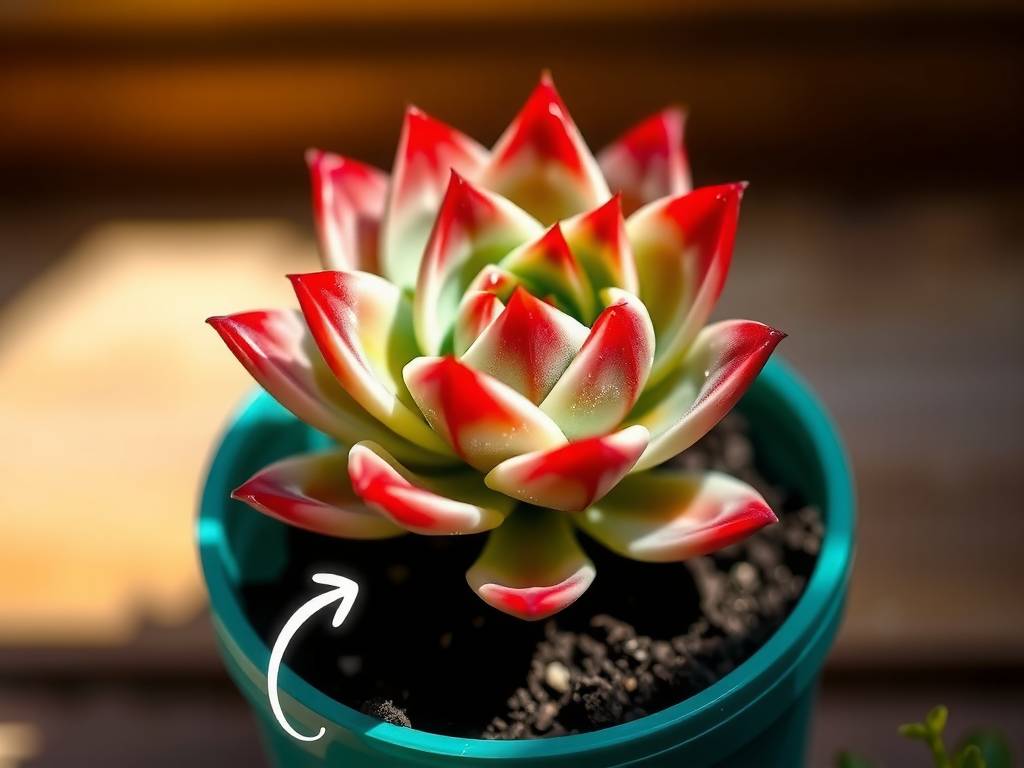
Before diving into care routines, it's crucial to understand what makes the Cotyledon tomentosa Variegata unique. This plant is a variegated form of the standard Bear's Paw. Variegation means parts of the leaf lack the green pigment chlorophyll, showcasing beautiful cream or yellow colors. However, this also makes the plant slightly more sensitive than its fully green counterpart. The non-variegated parts perform most of the photosynthesis, and the entire plant has specific needs to develop stress colors—the coveted red tips.
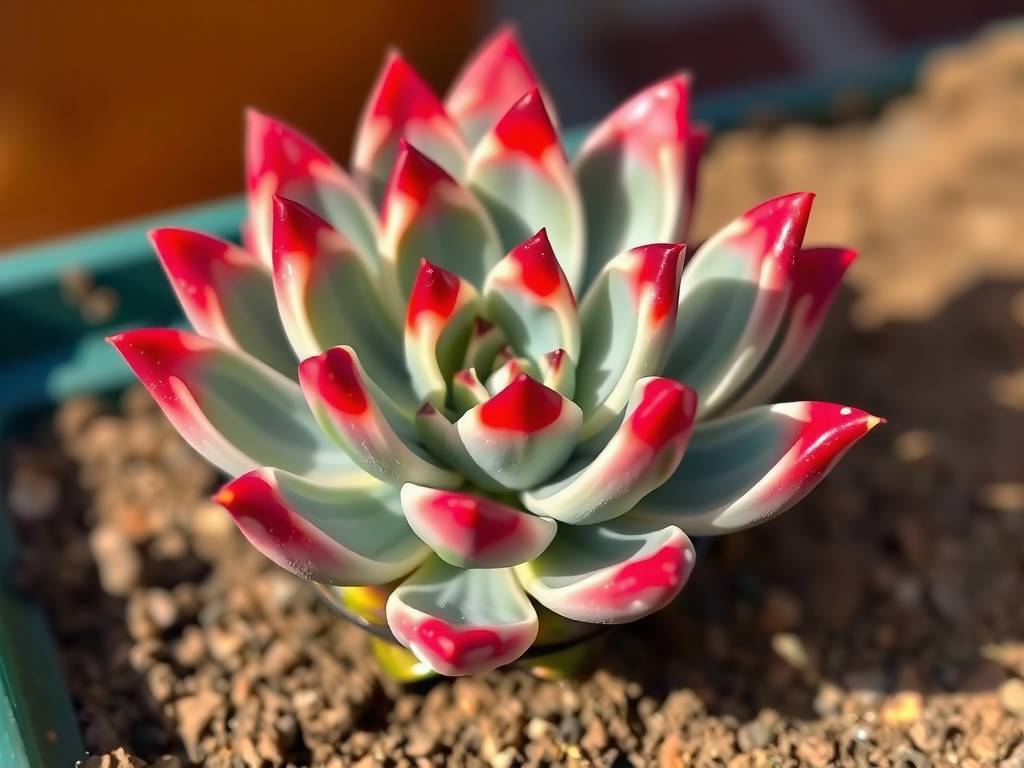
The red pigmentation, often anthocyanins, is a natural sunscreen and stress response. It's a sign your plant is receiving ideal, strong light conditions. Achieving this without scorching the delicate variegated sections or causing dehydration is the art of its care.
Mastering the Watering Schedule for Healthy Roots and Red Tips
Watering is the most common point of failure. This succulent is exceptionally drought-tolerant and prone to root rot from overwatering. A proper watering strategy is foundational to overall health, which in turn allows the plant to respond well to light and develop red tips.
The "Soak and Dry" Method is Non-Negotiable
Never water on a fixed schedule. Instead, always check the soil. The golden rule is to water deeply only when the soil is completely dry. Here’s how to do it right:
- Check the Soil: Insert your finger or a wooden skewer into the potting mix up to the second knuckle. If it comes out clean and dry, it's time to water. For a more high-tech approach, a soil moisture meter can provide precise readings.
- Water Thoroughly: Take the pot to a sink and water slowly until you see a significant amount of water drain freely from the bottom holes. This ensures the entire root ball gets moisture.
- Let it Drain Completely: Never let the plant sit in a saucer of water. Empty the saucer after 15-20 minutes to prevent the roots from rotting in soggy conditions.
Signs You're Watering Incorrectly
- Overwatering: Leaves become mushy, translucent, and fall off easily. The stem may turn black or brown. This is a serious condition that requires immediate action—stop watering and check the roots for rot.
- Underwatering: Leaves become wrinkled, shriveled, and overly soft (but not mushy). The plant may look deflated. Growth will be stunted.
Seasonal Watering Adjustments
Your plant's water needs change with the seasons and its growth cycle.
- Spring & Summer (Growing Season): Water more frequently, following the soak-and-dry method. This might be every 10-14 days, depending on your climate and pot size.
- Fall & Winter (Dormant Season): The plant's growth slows significantly. Water much more sparingly—sometimes only once a month or less. Always let the soil stay dry for longer periods during colder months.
Providing the Perfect Light for Vibrant Red Tips
Light is the primary driver for the development of red tips on your Cotyledon tomentosa Variegata. However, due to its variegation, it requires a careful, graduated approach.
Ideal Light Conditions: Bright, Indirect to Direct Light
This plant thrives in very bright light. The goal is to provide several hours of direct sunlight, preferably the gentler morning sun, followed by bright indirect light for the rest of the day. An east-facing window is often perfect. A south or west-facing window can also work, but you may need to diffuse the harsh afternoon sun with a sheer curtain to prevent burning the variegated portions.
How to Acclimate Your Plant to Sunlight
If your plant has been in low light, suddenly moving it to direct sun will cause sunburn. Acclimate it gradually over 2-3 weeks:
- Start with 1 hour of morning sun.
- Increase exposure by 30-60 minutes every few days.
- Watch for color changes. Pink or red tinges on the green parts are good. Brown or white scorch marks on the variegated edges mean it's getting too much, too fast.
Signs of Incorrect Light Exposure
- Not Enough Light (Etiolation): The stems become elongated and stretched out. The space between leaves increases. The plant leans heavily toward the light source. Red tips will not develop, and the variegation may fade.
- Too Much Light (Sunburn): The leaves, especially the pale variegated edges, develop crispy, brown or white patches. These scars are permanent. The whole plant may take on a stressed, reddish-purple hue rather than just tipped red.
Using Grow Lights Successfully
For indoor gardeners without sufficient natural light, full-spectrum LED grow lights are an excellent solution. Position the light 6-12 inches above the plant and provide 12-14 hours of light per day. This controlled environment can often produce stunning, consistent red tips without the risk of weather-related sunburn.
The Synergy of Water and Light
It's vital to understand that water and light needs are interconnected. A plant receiving intense light will use water from its soil and leaves more quickly. Conversely, a plant in lower light will take much longer to dry out. Always adjust your watering frequency based on the light conditions your plant is experiencing. A common mistake is giving a high-light plant too little water, which stresses it and inhibits red tip development, or giving a low-light plant too much water, leading to rot.
Supporting Factors for Optimal Health
While water and light are the stars, other factors support your plant's ability to showcase its beauty.
Well-Draining Soil is Critical
Use a specialized succulent or cactus potting mix. These are formulated to drain rapidly. For even better results, amend a standard succulent mix with additional perlite or pumice (a 50/50 mix is a good start). This ensures the roots are never waterlogged, which is absolutely essential for Cotyledon health.
Choosing the Right Pot
Always use a pot with drainage holes. Terracotta pots are ideal because they are porous, allowing the soil to dry out faster and reducing overwatering risks. Ensure the pot is only slightly larger than the root ball; too much soil holds excess moisture.
Minimal but Strategic Fertilizing
Feed your variegated bear's paw sparingly. During the active growing season (spring and early summer), you can use a balanced, water-soluble fertilizer diluted to half strength, or a fertilizer specifically formulated for succulents. Apply it once at the beginning of the season. Avoid fertilizing in fall and winter. Over-fertilizing can cause weak, leggy growth and may dilute the intensity of the red tips. The Royal Horticultural Society (RHS) advises that most succulents require very little feeding, and excess nutrients can be detrimental.
Expert Insight on Stress Colors
The development of red tips is a controlled stress response. Horticulturists from organizations like the Australian Horticultural Society of Australia (AHSA) note that while these colors are desirable, they should be achieved through optimal light exposure, not through extreme dehydration or nutrient deprivation. Pushing a plant into severe stress weakens its overall immune system and makes it susceptible to pests and disease. The goal is vibrant color on a robust, healthy plant.
Troubleshooting Common Issues
- Leaves Falling Off: This is almost always due to overwatering. Check your soil and roots immediately.
- Soft, Wrinkled Leaves: Usually a sign of underwatering. Give it a thorough soak.
- Stretched Growth: Insufficient light. Gradually move it to a brighter location or introduce a grow light.
- Brown Scabs on Leaves: This could be physical damage or, more seriously, a sign of edema (burst cells from irregular watering). Try to water more consistently when the soil is dry.
Why are the red tips on my Cotyledon tomentosa Variegata not appearing? The most likely reason is insufficient light. Your plant needs several hours of direct or very strong indirect light daily to trigger the production of red pigments. Gradually increase its light exposure, ensuring you acclimate it to prevent sunburn. Also, review your watering; a chronically overwatered or underwatered plant under stress may not have the energy to produce vibrant colors.
Can I use tap water to water my variegated bear's paw? It's best to use rainwater, distilled water, or filtered water if possible. Tap water often contains salts, chlorine, and minerals like fluoride that can build up in the soil over time, potentially causing tip burn or hindering nutrient uptake. If you must use tap water, let it sit out overnight to allow some chlorine to evaporate.
My plant's leaves have brown, crispy patches on the pale edges. What happened? This is sunburn. The variegated (cream-colored) parts of the leaves have little to no chlorophyll and are extremely sensitive to intense, direct sunlight, especially the hot afternoon sun. The damage is permanent, but the plant will recover if moved to a location with gentler morning sun or bright indirect light. New growth will be healthy if conditions are corrected.
Achieving the perfect balance for your Cotyledon tomentosa Variegata is a rewarding journey. By mastering the soak-and-dry watering method and providing bright, acclimated light, you create the foundation for a spectacularly healthy plant. The vibrant red tips will follow as a natural reward for your careful stewardship. Remember to pair these core practices with a well-draining soil mix and a pot that breathes. Observe your plant closely—its leaves will tell you everything you need to know. With patience and attention to these details, you'll not only prevent common pitfalls but also cultivate a stunning specimen that showcases the full, colorful potential of this unique succulent.