bluename
 How to Care for Sedum Adolphii for Sufficient Light and Yellow & Plump Leaves
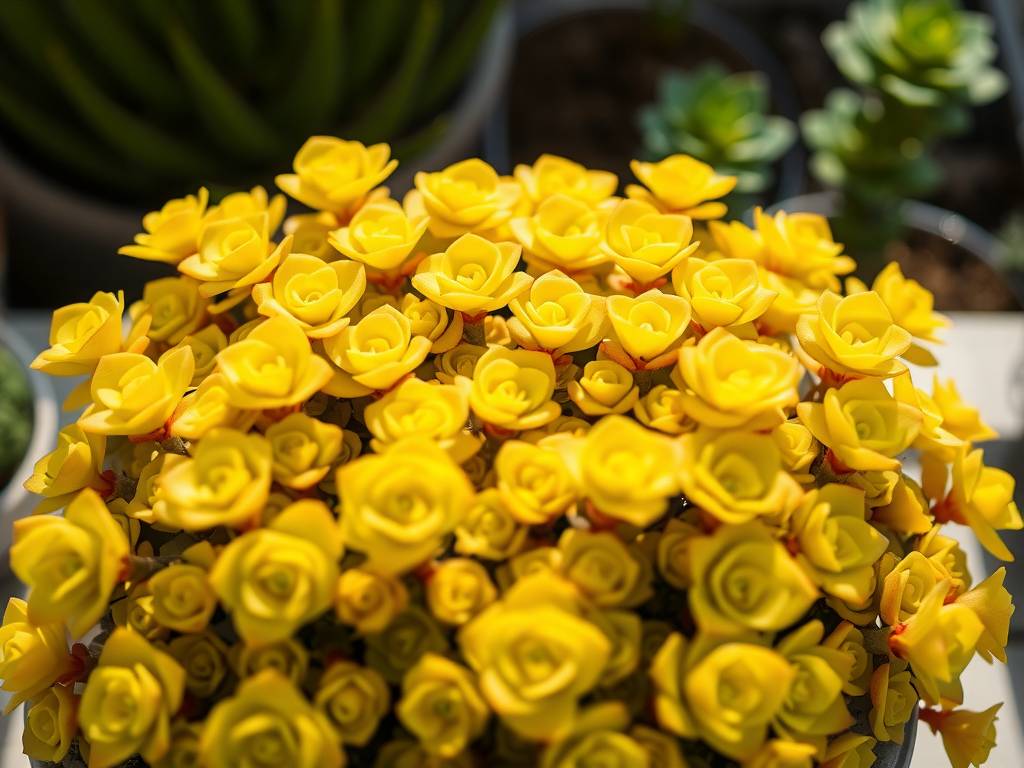
You’ve brought home a stunning Sedum adolphii, captivated by its promise of fiery golden-yellow leaves. Yet, instead of plumping up with vibrant color, your plant is stretching out, turning pale green, or its leaves feel soft and thin. This frustrating scenario is almost always a cry for more light. Achieving that iconic, sun-kissed yellow hue and firm, chubby leaf structure hinges on one critical factor: mastering its light requirements. This guide will provide a clear roadmap to transform your Sedum adolphii into the radiant, robust specimen you desire, focusing squarely on delivering sufficient light for yellow and plump leaves.
Understanding the Sedum Adolphii's Light Language
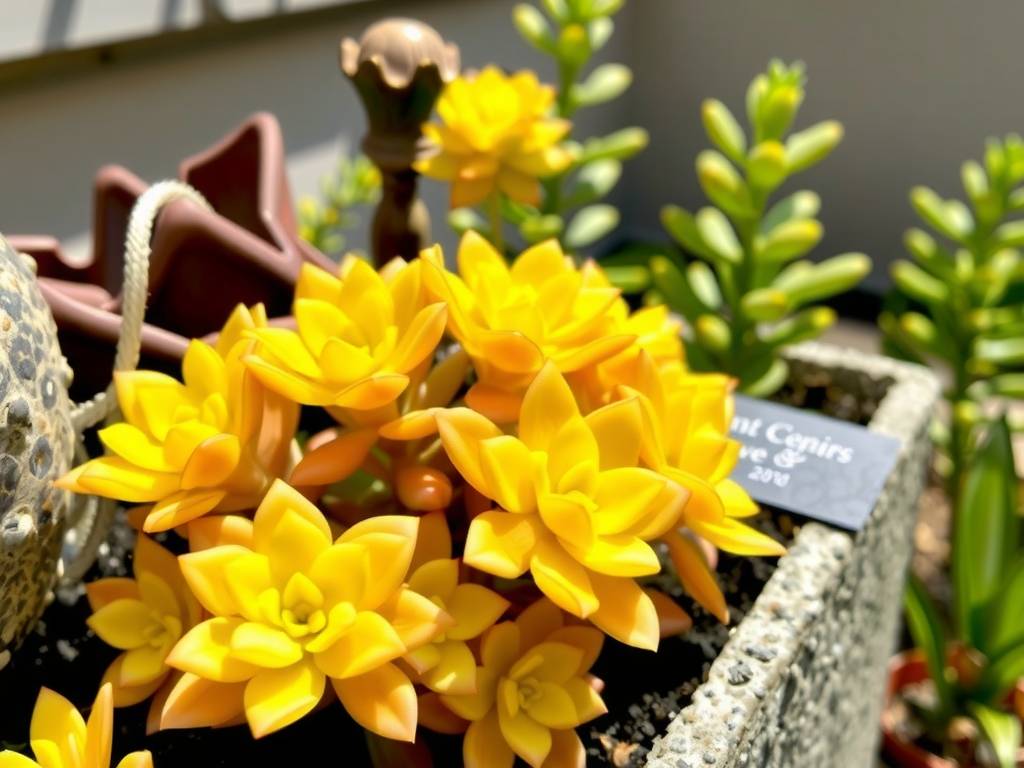
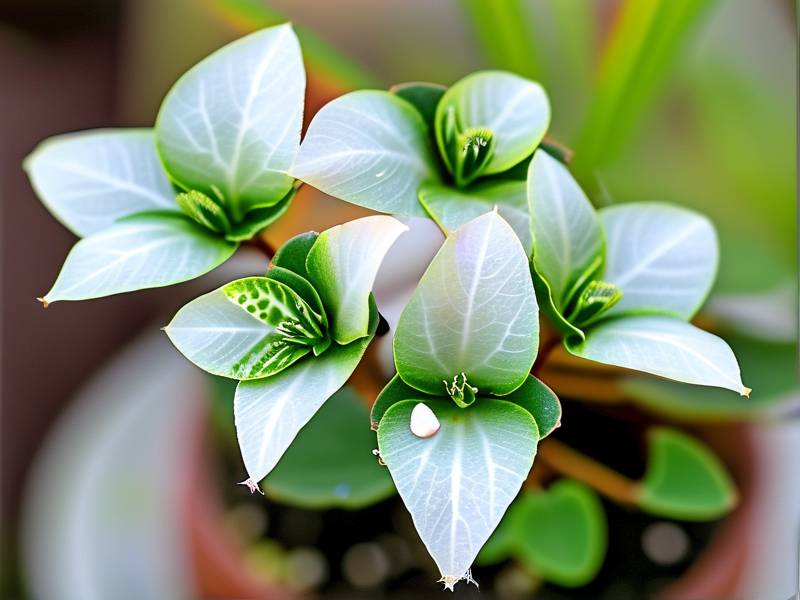
Sedum adolphii, commonly known as Golden Sedum or Golden Glow, is a sun worshipper by nature. In its native habitats, it thrives under bright, direct sunlight. The light it receives directly fuels two of its most prized aesthetic features: leaf color and leaf succulence.
The vibrant yellow, orange, and red pigments are anthocyanins and carotenoids. These are developed as a protective response to strong sunlight, much like a human tan. Without adequate light intensity and duration, the plant reverts to producing more chlorophyll (green pigment) to maximize what little light it can capture, resulting in a loss of that golden glow.
Similarly, plump leaves are reservoirs of water stored through a specialized process called CAM (Crassulacean Acid Metabolism) photosynthesis. This efficient system allows the plant to open its stomata at night to minimize water loss. However, this process is energy-dependent. Sufficient sunlight for Sedum adolphii provides the energy to fuel this metabolic pathway, enabling the plant to efficiently convert resources into the stored water that gives leaves their firm, rounded appearance. In low light, the process becomes inefficient, leading to thinner, flatter, and often elongated leaves—a condition known as etiolation.
How to Provide the Perfect Light Regimen
Providing optimal light isn't just about placing your plant in a window. It involves understanding intensity, duration, quality, and seasonal adjustments.
Ideal Light Intensity and Duration
For indoor cultivation, a south-facing window is the prime real estate for your Sedum adolphii. Here, it will receive the most intense direct sunlight for the longest period. An east or west-facing window can also work, but you may see slightly less intense coloration, especially on the west side which offers strong afternoon sun.
Aim for a minimum of 6 hours of direct sunlight daily. For that truly intense yellow and compact growth, 8 or more hours is ideal. Observe your plant's response over 2-3 weeks. Signs of perfect light include:
- Steady, compact growth with minimal space between leaves.
- Development of golden-yellow hues on the upper leaves, often with reddish-orange tips.
- Firm, hard leaves that feel full to the touch.
As noted by the Royal Horticultural Society (RHS), most succulent Sedums require "full sun" to develop their best form and color, which they define as a site with unrestricted direct light for over 6 hours per day. This authoritative guideline directly supports the need for intense light exposure.
Seasonal Light Adjustments and Acclimation
Light changes with the seasons. The weak, low-angle light of winter may not be sufficient, even in a south window. This is when growth slows, and maintaining color can be challenging. Don't be afraid to let the plant go slightly greener in deep winter; its priority is survival.
The greater risk often comes in spring. After a dim winter, a sudden move to intense, direct spring or summer sun can cause severe sunburn—bleached, crispy, or scorched patches on the leaves. The key is acclimation. When increasing light exposure, do so gradually over 1-2 weeks. Start with an extra hour of morning sun, then slowly increase its time in the direct beam.
Supplementing with Grow Lights
For homes without adequate natural light, full-spectrum LED grow lights are a game-changer. They are essential for providing enough light for plump Sedum leaves indoors. Look for lights with a color temperature around 6500K (daylight spectrum) and high PPFD (Photosynthetic Photon Flux Density) values.
Position the light 6 to 12 inches above the plant and set a timer for 12-14 hours to compensate for the lower intensity compared to the sun. This controlled environment can actually yield spectacular, consistent color year-round.
Signs Your Plant is Getting Too Much or Too Little Light
It's crucial to diagnose your plant's signals accurately.
Symptoms of Insufficient Light:
- Etiolation: The most obvious sign. Stems become abnormally long, leggy, and weak, stretching desperately toward the light source.
- Fading Color: Leaves turn a uniform pale green or lime green, losing all yellow and red tones.
- Leaf Thinning: New leaves grow in smaller, thinner, and more spaced out. The plant loses its characteristic "plump" appearance.
- Downward Leaf Curl: Leaves may curl downward in an attempt to increase surface area for light capture.
- Poor Growth: Growth slows or stops entirely, and the plant becomes more susceptible to overwatering issues because it isn't using water efficiently.
Symptoms of Excessive Light (Sunburn):
- Bleaching or Scorching: Patches or entire areas of leaves turn white, pale yellow, or crispy brown. This damage is permanent.
- Over-Intensification: While some red edging is desirable, leaves turning a uniform, stressed brownish-red can indicate light stress.
- Shriveling with Wet Soil: If leaves are shriveling but the soil is damp, it may be a sign of root damage from overheating combined with intense light, preventing water uptake.
Synergistic Care: Water, Soil, and Light
Light doesn't work in isolation. It forms a critical partnership with watering and soil. The American Horticultural Society (AHA) emphasizes that successful succulent care relies on the balance of these elements.
Watering in Relation to Light: The golden rule is: more light = more frequent watering; less light = much less frequent watering. A Sedum adolphii in blazing summer sun will use its stored water rapidly to fuel growth and metabolism. Water thoroughly only when the soil is completely dry, and then soak it. In low light, the plant's water consumption plummets. Watering on a set schedule in low-light conditions is a direct path to root rot.
Soil and Drainage: Fast-draining soil is non-negotiable. Use a specialized cactus/succulent mix or amend regular potting soil with 50-70% inorganic materials like perlite, pumice, or coarse sand. This ensures that when you do water based on light conditions, the roots aren't left sitting in moisture, which they cannot process efficiently without sufficient light energy.
Fertilization for Enhanced Color: A light feeding during the active growing season (spring and summer) can support the plant's energy needs. Use a balanced, diluted fertilizer (e.g., half-strength 10-10-10) once at the start of the season. Avoid over-fertilizing, as excess nitrogen can promote soft, green growth at the expense of color and firmness.
My Sedum adolphii is very leggy. Can I fix it? Yes, but you cannot "un-stretch" the existing growth. The best solution is to provide correct, strong light immediately to ensure new growth is compact. You can then propagate the plant by beheading it. Cut off the elongated stem, allow the cut end to callous for a few days, and replant it in bright light. The original stem may also produce new, compact offsets.
Can a sunburned Sedum adolphii recover? The sunburned patches on the leaves will not heal or turn green again. However, the plant itself can recover if moved to gentler light. New, healthy growth will eventually cover the damaged leaves, which you can then remove if desired. Focus on providing proper acclimated light to prevent future damage.
Is morning sun or afternoon sun better? Morning sun is generally ideal. It is intense but less harsh than the hot afternoon sun, reducing the risk of sunburn while still providing the energy needed for color and growth. An east-facing location offering 4-6 hours of direct morning sun, followed by bright indirect light, is excellent. A south-facing location with all-day sun is also perfect, provided the plant is acclimated.
Transforming your Sedum adolphii into a showcase of golden, plump vitality is a direct result of understanding and providing its light needs. It requires observing its specific signals, pairing bright light with appropriate watering, and being patient through seasonal changes. By committing to a regimen of sufficient, direct sunlight—or its high-quality artificial equivalent—you empower your plant to perform at its peak. The reward is a resilient, radiant succulent whose very form and color are a testament to the expert care you provide.