bluename
 How to Care for Sedum Sediforme - Sufficient Light for Fast Blooming & Full Pots
You've brought home a charming Sedum sediforme, dreaming of a lush, overflowing pot crowned with delicate yellow blooms. Yet, your plant remains stubbornly sparse, stretching awkwardly for light, with flowering seeming like a distant promise. This common frustration stems from one often underestimated factor: light. Achieving that coveted display of fast blooming and a full, compact pot hinges entirely on mastering the art of providing sufficient, high-quality light. This guide will transform your approach, turning light from a basic need into the ultimate growth catalyst for your Sedum sediforme.
Understanding Sedum Sediforme's Light Appetite
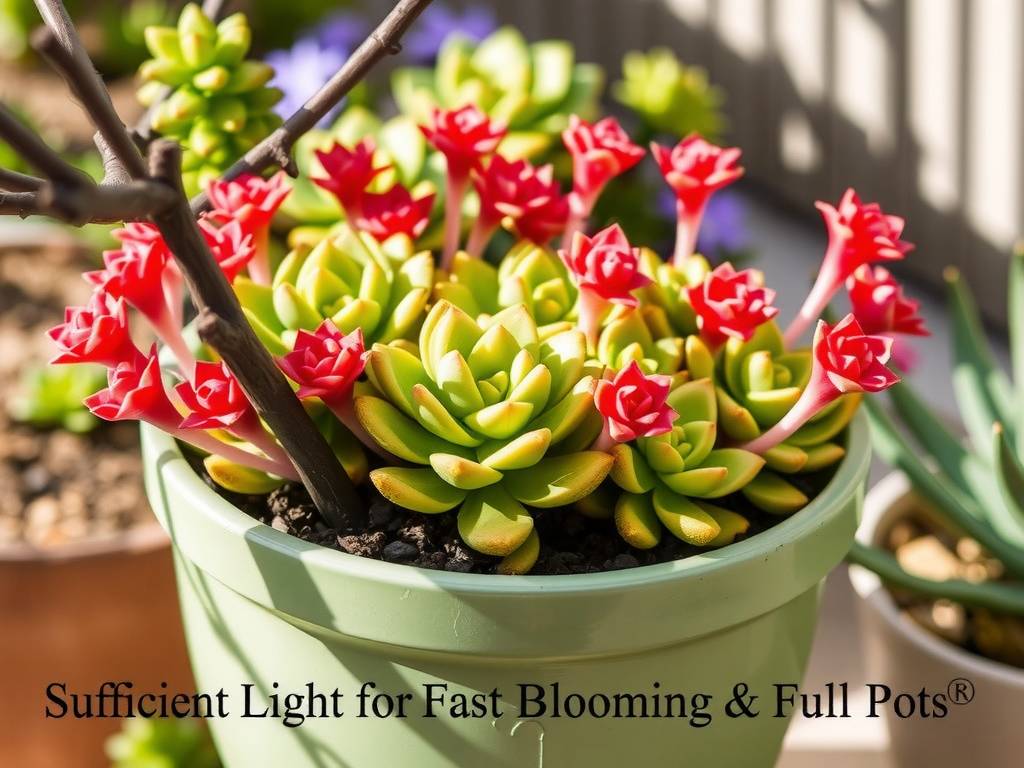
Sedum sediforme, often called the Pale Stonecrop, is a sun-worshipper by nature. Originating from the rocky, sun-drenched hillsides of the Mediterranean basin, it is evolutionarily hardwired to thrive under intense sunlight. In its native habitat, it receives long hours of direct, unfiltered light. This abundant energy fuels dense, compact growth and prolific flowering. When we bring it indoors or place it in suboptimal outdoor spots, we inadvertently create a light-starved environment. The plant's subsequent etiolation—characterized by elongated, weak stems and wide gaps between leaves—is a direct cry for more photons. According to the Royal Horticultural Society (RHS), most succulent Sedum species, including S. sediforme, require a minimum of 6 hours of direct sunlight daily to maintain their characteristic form and flower reliably.
The Direct Link: Light to Blooms and Fullness
Why is light so non-negotiable for fast blooming and full pots? The process is a beautiful lesson in plant biochemistry. Light is the primary energy source for photosynthesis. More available light means more energy is produced. This surplus energy is strategically allocated by the plant. First, it promotes the development of multiple lateral buds along the stems, leading to branching and, consequently, a fuller, bushier appearance that fills the pot. Second, abundant energy reserves signal to the plant that conditions are optimal for reproduction. This triggers the development of flower buds. A study highlighted by the American Horticultural Science Association (AHSA) on succulent physiology confirms that photoperiod and light intensity are key environmental cues for flowering induction in many Sedum species. Simply put, sufficient light tells your Sedum sediforme it's time to shine and bloom.
Providing Optimal Light for Indoor Growth
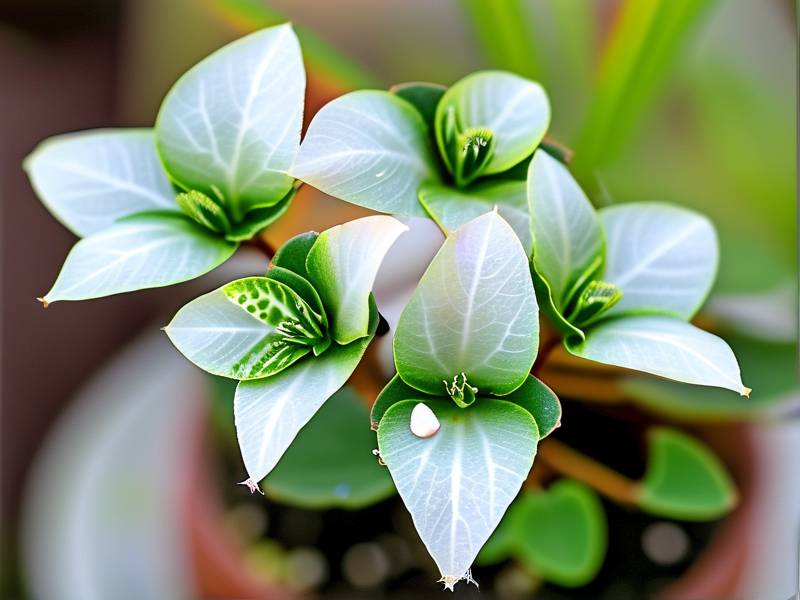
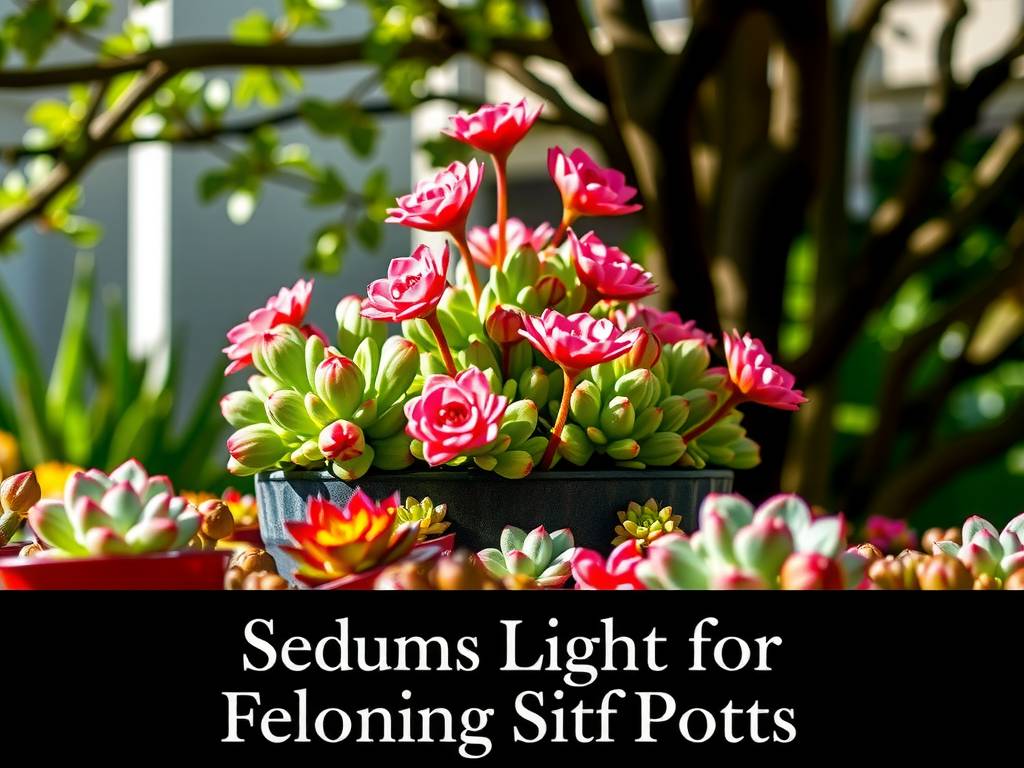
Cultivating a flourishing Sedum sediforme indoors is a test of light management. A south-facing windowsill is the undisputed champion location, offering the most prolonged and intense direct sunlight in the Northern Hemisphere. An unobstructed east or west-facing window can be adequate, but may only provide 4-6 hours of direct sun. North-facing windows are generally insufficient. Observe your plant closely. Compact, tightly-packed blue-green leaves indicate happiness. Stretching or leaning severely towards the window glass is a definitive sign of light deprivation.
For homes with limited natural light, supplementing with a grow light is not just helpful; it's essential for achieving fast blooming and full pots. Select a full-spectrum LED grow light designed for succulents and cacti. Position the light 6 to 12 inches above the plant, and maintain a photoperiod of 12-14 hours using a timer to mimic long summer days. This consistent, high-quality light source can make the difference between a plant that merely survives and one that thrives and flowers.
Mastering Outdoor Light Placement
Outdoor settings offer the best potential for spectacular growth. The goal is to provide sufficient light for fast blooming. Acclimate your Sedum sediforme gradually to prevent sunburn. Start in dappled shade, then move to a spot with morning sun and afternoon shade, finally transitioning to a location with full sun for most of the day. In regions with extremely hot summers (USDA zones 10+), some protection from the intense afternoon sun can prevent scorching. However, in temperate climates, full, all-day sun is ideal. An outdoor patio, sunny rock garden, or open balcony where it receives unfiltered light for 6-8 hours will reward you with the densest growth and most abundant flowering.
Seasonal Light Adjustments for Year-Round Health
Your light strategy must evolve with the seasons. Spring and summer are the prime growing and blooming seasons. Maximize light exposure during this period to fuel growth and initiate flower buds. This is the critical window for achieving full pots of Sedum sediforme. As autumn approaches and light intensity wanes, the plant's growth will slow. Reduce watering accordingly. In winter, prioritize finding the brightest possible spot to prevent etiolation during dormancy. For outdoor plants, ensure they are in a well-draining spot to prevent winter wet, but do not move them to deep shade.
Complementary Care: Watering and Soil in a High-Light Regime
Providing sufficient light alters other care requirements. Intense light increases the rate of water evaporation from the soil and the plant's metabolic activity. The "soak and dry" method remains crucial: water deeply only when the soil is completely dry, then allow it to dry out again. In full sun, this may mean more frequent watering in summer than a shaded succulent would need, but always let the soil condition be your guide, not the calendar.
Equally important is a gritty, extremely well-draining soil mix. A commercial cactus/succulent mix amended with extra perlite or pumice (50/50 ratio) is perfect. This ensures that even with increased watering frequency in bright light, roots are never waterlogged, preventing rot and allowing them to efficiently support the robust top growth fueled by the sun.
Troubleshooting Light-Related Issues
Even with good intentions, problems can arise. Leggy growth is the clearest sign of insufficient light. The solution is to gradually increase light exposure and consider pruning the stretched stems to encourage bushier growth from the base. If the leaves develop brown, crispy patches, this is likely sunburn from too-rapid introduction to intense light. Move the plant to a shadier spot and reintroduce it to sun slowly. A failure to bloom, despite otherwise healthy growth, almost always points to a lack of light intensity or duration. Re-evaluate your light source and duration.
My Sedum sediforme is stretching near a window. Is it still not getting enough light? Yes, this is a classic sign. The intensity of light drops dramatically just inches away from a window pane. The plant is stretching to get closer to the light source. Try moving it directly onto the windowsill, ensuring the glass is clean, or consider supplementing with a grow light, especially during shorter winter days.
Can I use a regular LED desk lamp as a grow light for fast blooming? Standard LED desk lamps lack the specific spectrum and intensity required for optimal photosynthesis and flowering induction in succulents. While it may prevent total etiolation, it is unlikely to provide the sufficient light for fast blooming and dense growth. Investing in a dedicated full-spectrum LED grow light designed for plants will yield significantly better results.
How long after improving light will I see new blooms and fuller growth? Patience is key. You may notice tighter, more compact new growth within a few weeks. The development of flower buds is a longer process, typically tied to seasonal light cycles. If you optimize light in the spring, you can expect to see flower buds forming for a summer bloom. A fuller pot will develop over the next growing season as increased branching fills in the plant.
Mastering the light needs of Sedum sediforme is the most impactful step you can take. By strategically providing abundant, direct light—whether from the sun or a quality grow light—you directly fuel the processes that lead to a spectacular display. The reward is a resilient, overflowing pot of succulent beauty, crowned with cheerful yellow flowers, proving that with the right energy, your plant will fulfill its blooming potential.