 bluename
 How to Care for Sedum Dasyphyllum 'Blue Tears' - Strong Light & Water Control for Purple Leaves
You've brought home the enchanting Sedum Dasyphyllum 'Blue Tears', captivated by its promise of plump, blue-green leaves that blush a stunning purple. Yet, weeks later, your plant looks stretched, faded, and stubbornly green. The lush, compact purple carpet you envisioned remains elusive. This common frustration stems from two often misunderstood elements: the precise need for strong light and the critical art of water control. Mastering this duo is the secret to unlocking the intense purple pigmentation and robust health of your 'Blue Tears'.
This guide cuts through the guesswork. We'll provide a clear, actionable roadmap for Sedum Dasyphyllum 'Blue Tears' care, focusing squarely on the light and watering strategies that directly influence leaf color and plant structure. By understanding and implementing these principles, you can transform your succulent into the vibrant, colorful specimen it's meant to be.
Understanding Sedum Dasyphyllum 'Blue Tears'
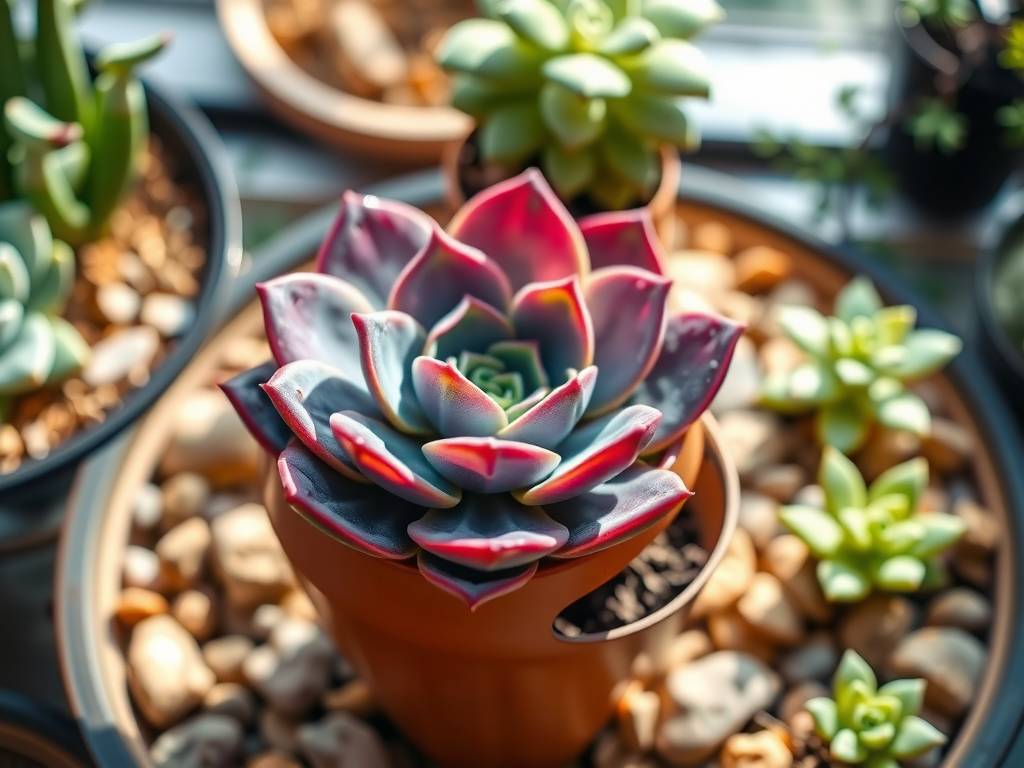
Sedum Dasyphyllum 'Blue Tears' is a low-growing, mat-forming succulent prized for its tiny, bead-like leaves. In its ideal state, it presents a dense cascade of blue-green foliage that dramatically turns lavender to deep purple under stress, primarily from sunlight and drought. This color change is a natural sunscreen, anthocyanin pigments produced by the plant to protect its tissues from intense light. It's a sign of perfect cultivation, not poor health. According to the Royal Horticultural Society (RHS), many sedums, including these ground-cover types, require "full sun" to develop their best form and color, emphasizing that insufficient light leads to etiolation—the stretching and weakening of stems.
The Critical Role of Strong Light for Purple Coloration
Light is the primary trigger for the purple hues in 'Blue Tears'. Without it, even perfect watering is futile for achieving that signature color.
What Constitutes "Strong Light"
For this sedum, strong light means at least 4-6 hours of direct, unfiltered sunlight daily. A south-facing windowsill is the classic indoor location. East or west-facing windows may suffice but often require longer exposure to achieve the same intensity. Observe your plant's response: compact growth and color development indicate sufficient light; stretching and persistent green signal a need for more.
Optimizing Light Exposure Indoors and Outdoors
Indoor gardeners should place their 'Blue Tears' in the brightest spot available. Rotate the pot quarterly to ensure even exposure. If natural light is limited, especially in winter, consider supplementing with a grow light. Full-spectrum LED panels placed 6-12 inches above the plant for 12-14 hours a day can effectively substitute for sunlight and promote coloring.
Outdoors, 'Blue Tears' thrives in full sun to partial shade. Acclimate it gradually over 7-10 days to prevent sunburn, starting with morning sun only. Once acclimated, it can tolerate and flourish in all-day sun in many climates, which will maximize purple pigmentation.
Signs of Inadequate and Excessive Light
Learn to read your plant's signals. Leggy growth, wide gaps between leaves, and a pale, green appearance are cries for more light. Conversely, leaves that turn crispy, brown, or white, especially at the tips, are suffering from sunburn. This is often a result of too-rapid exposure to intense sun without acclimation. If sunburn occurs, move the plant to a location with bright, indirect light and allow it to recover. The damaged leaves will not revert but will eventually be replaced by new growth.
Mastering Water Control for Health and Color
Watering is the balancing act that complements your light strategy. The goal is to create a cycle of controlled drought stress that encourages the plant to produce protective anthocyanins (purple pigment) without causing dehydration damage.
The "Soak and Dry" Method Explained
This is the gold standard for succulent watering. It mimics the natural desert rainfall pattern. Here's how to do it:
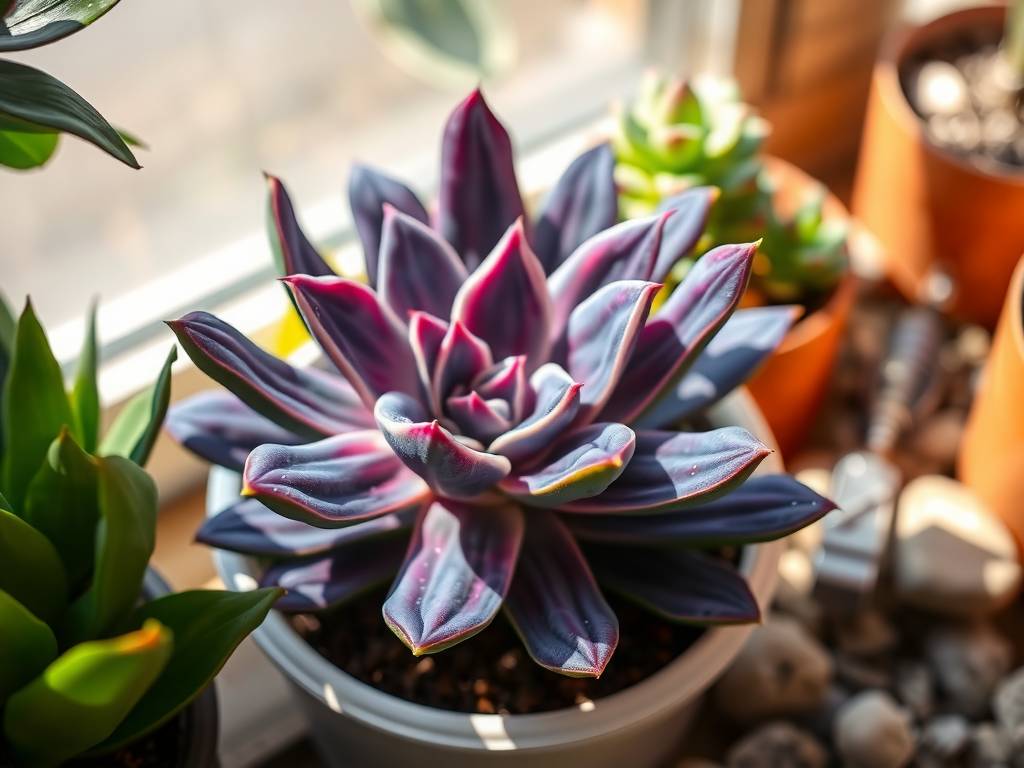
- Soak Thoroughly: When the soil is completely dry, water the plant deeply until excess water flows freely from the drainage hole. This ensures the entire root ball is moistened.
- Dry Completely: Allow the potting mix to dry out fully before even considering the next watering. For 'Blue Tears', this often means waiting until the plumpness of the leaves slightly diminishes—a sign the plant is using its internal water reserves.
The American Horticultural Society (AHS) notes that for most succulents, "overwatering is the most common cause of failure." The 'Soak and Dry' method prevents roots from sitting in moisture, which is a direct invitation for root rot.
How Watering Frequency Affects Leaf Color
Consistently moist soil keeps the plant in a state of growth and greenness. To encourage the shift to purple, you need to extend the "dry" phase of the cycle slightly. Once the soil is dry, wait a few extra days. You'll notice the leaves begin to take on a lavender hue. This mild, controlled stress signals the plant to activate its color defenses. The key is observation: the leaves should still feel firm, not shriveled. Shriveling indicates the drought stress has gone too far.
Seasonal Watering Adjustments
Your watering schedule is not static. 'Blue Tears' has distinct seasonal rhythms:
- Spring & Summer (Growth Season): Water more frequently, following the 'Soak and Dry' method whenever the soil dries. This is when the plant is actively growing and can use water efficiently.
- Fall & Winter (Dormancy): The plant's growth slows dramatically. Reduce watering frequency significantly. You may only need to water once a month or even less, depending on your indoor humidity and temperature. The goal is to prevent the roots from desiccating completely, not to support growth.
The Perfect Partnership: Soil and Pot Selection
Light and water strategies are supported—or sabotaged—by your choice of soil and container.
Well-Draining Soil Mix Formula
Standard potting soil retains too much moisture. Create a fast-draining environment by using a specialized cactus/succulent mix or making your own. A simple, effective blend is:
- 2 parts potting soil
- 1 part coarse perlite
- 1 part poultry grit or coarse sand This ensures rapid drainage and excellent aeration around the roots, making precise water control much easier.
Choosing the Right Container
Always use a pot with a drainage hole. Terracotta pots are ideal for beginners because they are porous, allowing the soil to dry from the sides as well as the top. This provides an extra buffer against overwatering. Ensure the pot is only slightly larger than the root ball; too much soil holds excess water for too long.
Practical Care Routine and Troubleshooting
A Step-by-Step Weekly Check
- Light Check: Is the plant receiving several hours of direct sun? Is it stretching or coloring?
- Soil Moisture Test: Stick your finger or a wooden chopstick an inch into the soil. Is it completely dry?
- Leaf Inspection: Are the leaves plump and colorful, or are they wrinkled, mushy, or discolored?
- Water (if needed): Only if steps 2 and 3 indicate bone-dry soil and slight leaf softness, water thoroughly.
Common Problems and Solutions
- Stretched, Green Growth (Etiolation): Immediate solution is to provide more light. You can also "behead" the plant: cut off the compact top, let it callous for a few days, and replant it in bright light.
- Mushy, Translucent Leaves (Overwatering/Rot): Stop watering immediately. Remove the plant from its pot, cut away any black/brown mushy roots and leaves, let it dry for several days, and repot in fresh, dry, well-draining mix.
- Brown, Crispy Leaves (Sunburn): Move to a location with bright, indirect light. Acclimate it to direct sun more slowly in the future.
- Pests (Mealybugs, Aphids): Isolate the plant. Wipe pests away with a cotton swab dipped in rubbing alcohol. For larger infestations, use an insecticidal soap.
Propagation for More Purple Carpets
'Blue Tears' is delightfully easy to propagate. Take stem cuttings or even individual leaves, let them dry and form a callous for 2-3 days, then place them on top of dry succulent soil. Mist lightly every few days once tiny roots appear. Provide bright, indirect light. Soon, you'll have new plants to cultivate into perfect purple mounds.
Why are the leaves on my Sedum 'Blue Tears' falling off easily? This is a natural characteristic of Sedum Dasyphyllum, earning it the common name "Touch-me-not." The tiny, spherical leaves detach with minimal pressure to aid in propagation. Handle the plant gently to avoid excessive leaf drop.
Can I grow 'Blue Tears' in full shade? No. While it may survive in shade, it will not thrive. The growth will be leggy, sparse, and permanently green. It will lose its compact, colorful form and become susceptible to overwatering issues due to reduced metabolism.
How cold hardy is this succulent? Sedum Dasyphyllum 'Blue Tears' is cold-tolerant to around -5°C to 0°C (23-32°F) for short periods if the soil is completely dry. However, it is best protected from frost. For consistent purple coloring and safe growth, it's recommended to keep it in conditions above freezing.
Achieving the perfect purple blush on your Sedum Dasyphyllum 'Blue Tears' is a rewarding exercise in understanding its native habitat. It asks for abundant light and respectful, infrequent watering. By partnering strong, direct sunlight with a disciplined 'soak and dry' routine in a well-draining home, you provide the precise conditions it needs to showcase its stunning color. Observe its leaves—they are the best guide. When you see that lavender hue deepening, you'll know you've successfully replicated a slice of its sun-drenched, rocky homeland. The transformation from green to purple is your direct feedback, a sign of a perfectly balanced and healthy succulent.





