bluename
 How to Care for Portulaca Gilliesii - Strong Light for Fast Blooming & Bright Flowers
You've brought home a stunning Portulaca gilliesii, dreaming of a vibrant carpet of dazzling flowers. But instead of a floral spectacle, you're met with sparse blooms, leggy stems, and a plant that seems to be merely surviving. The frustration is real. The secret you're missing isn't a complex fertilizer schedule or constant watering; it's understanding this plant's non-negotiable love affair with intense sunlight. Achieving that iconic fast blooming and intensely bright flowers hinges entirely on mastering the art of providing strong light.
This guide cuts through the confusion. We'll provide clear, actionable steps rooted in horticultural expertise to transform your Portulaca gilliesii care routine. By focusing on its core needs, you'll unlock a season-long display of color that thrives on sunshine and simplicity.
Understanding Portulaca Gilliesii: A Sun-Worshipper's Biology
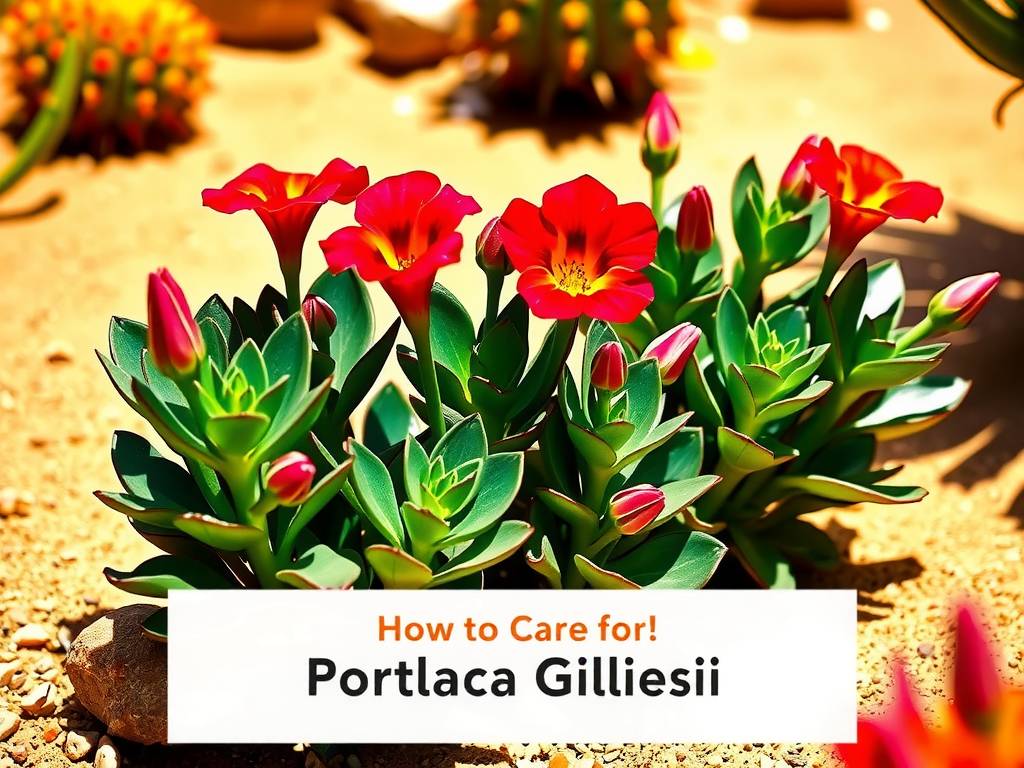
Often called moss rose or sun plant, Portulaca gilliesii is a succulent annual built for harsh, bright environments. Its fleshy, cylindrical leaves are designed to store water, and its growth habit—low and spreading—is an adaptation to open, sunny grounds. The plant's entire physiology is geared towards converting abundant sunlight into explosive flowering.
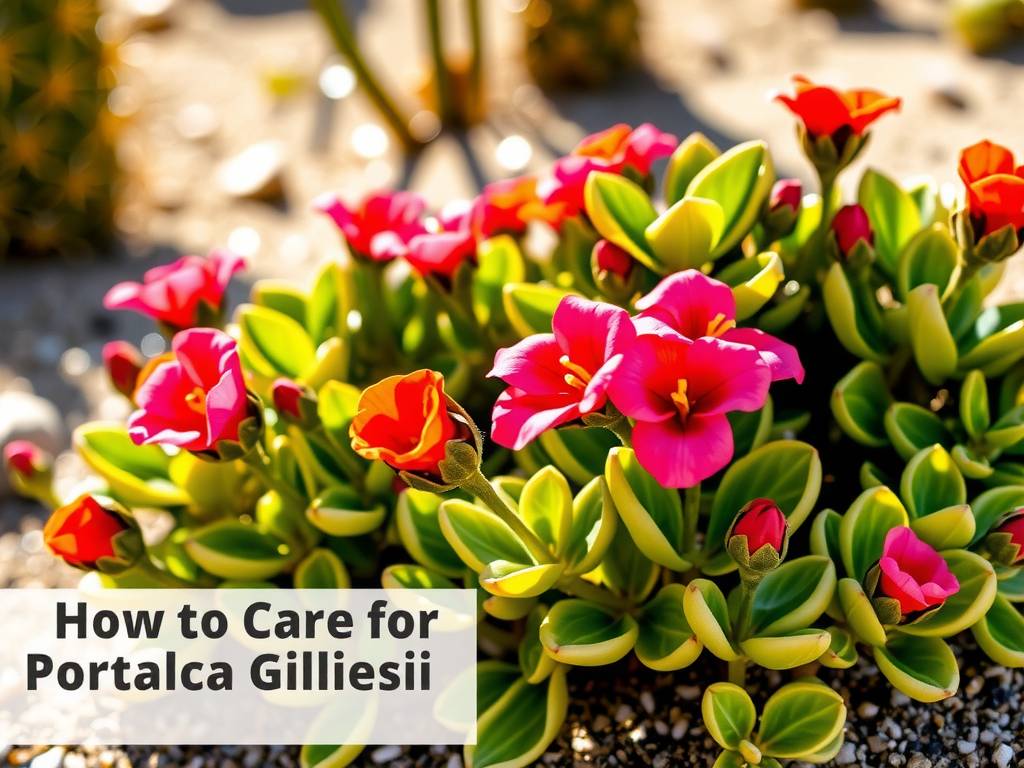
According to principles outlined by the Royal Horticultural Society (RHS), plants classified as needing "full sun" require a minimum of six hours of direct, unfiltered sunlight daily. Portulaca gilliesii doesn't just meet this threshold; it excels far beyond it. Insufficient light is the primary culprit behind failure. The stem stretches awkwardly towards any light source (etiolation), flower buds abort before opening, and the plant loses its compact, vibrant form.
The Non-Negotiable: Providing Maximum Sunlight for Optimal Blooms
This is the cornerstone of successful care. For Portulaca gilliesii, strong light isn't just beneficial; it's the engine driving fast blooming and bright flowers.
Ideal Placement and Light Duration Seek the sunniest spot in your garden or on your patio. A south-facing location is perfect in the Northern Hemisphere, receiving light from mid-morning through late afternoon. East or west-facing exposures can work but may result in slightly fewer blooms. Observe your space throughout the day; the plant should be in direct sun, not dappled shade from trees or structures.
Aim for a minimum of 8 to 10 hours of direct sunlight. The more, the better. This prolonged exposure provides the energy needed for the plant to produce a continuous cascade of flowers. The American Horticultural Society (AHA) emphasizes that for many flowering succulents, light intensity directly correlates with flower pigment production, meaning stronger light leads to more vivid flower colors.
Signs Your Plant Isn't Getting Enough Light Learn to read the signs. Leggy, elongated stems with large gaps between leaves are a cry for more sun. A lack of flowers or buds, despite healthy green foliage, is another clear indicator. The plant may also appear to lean dramatically towards a window or light source. If you see these signs, gradually acclimate it to a brighter location to prevent sunburn on tender, shade-adapted growth.
Mastering the Watering Balance for a Succulent
Watering is where many gardeners go wrong. Portulaca gilliesii's succulent nature means it is highly drought-tolerant and susceptible to overwatering, especially when paired with insufficient light.
The "Soak and Dry" Method This technique is championed by succulent experts. Water the soil thoroughly until excess water drains freely from the pot's bottom. Then, allow the soil to dry out completely before watering again. Stick your finger an inch into the soil; if it feels dry, it's time to water. In the peak heat of summer in a full-sun location, this might be every 4-5 days. In cooler or cloudier weather, it could be a week or more.
Critical Drainage Requirements Waterlogged soil is a death sentence. Whether in a container or the ground, ensure exceptional drainage. Use a cactus or succulent potting mix, or amend regular potting soil with 50% perlite or coarse sand. Pots must have large drainage holes. This setup prevents root rot, allowing you to water generously when needed without fear of suffocating the roots.
Soil and Fertilization: Less is More
Portulaca gilliesii thrives in poor to average soil. Its nutritional needs are minimal, and over-fertilizing can actually harm flowering.
The Perfect Soil Mix As mentioned, a lean, fast-draining mix is key. A commercial cactus mix is ideal. For garden planting, if you have heavy clay soil, amend it generously with sand and compost to improve drainage. The goal is to mimic its native, gritty, and nutrient-scarce environment.
Feeding for Flowers, Not Foliage Fertilizer should be used sparingly to encourage bright flowers, not excessive leafy growth. A balanced, water-soluble fertilizer (like a 10-10-10) diluted to half-strength, applied once every 4-6 weeks during the active growing season (late spring to early fall), is sufficient. Alternatively, a fertilizer higher in phosphorus (the middle number) can promote blooming. Avoid high-nitrogen fertilizers, which push leaf growth at the expense of blooms.
Practical Tips for Continuous Blooming and Plant Health
Deadheading for Fast Re-Blooming While Portulaca gilliesii is often self-cleaning (flowers drop on their own), gentle deadheading can encourage even faster re-blooming. Simply pinch off the spent flower heads along with the tiny seed pod that forms behind them. This signals the plant to produce more buds rather than expend energy on seed production.
Managing Pests and Diseases A healthy, sun-drenched plant is remarkably pest-resistant. The main issues, like aphids or fungal gnats, typically arise from overwatering or poor air circulation. Ensure proper spacing between plants and avoid wetting the foliage when watering. If pests appear, a strong spray of water or an application of insecticidal soap usually suffices.
Overwintering and Propagation As an annual, Portulaca gilliesii typically completes its life cycle in one season. However, you can easily collect the tiny black seeds from dried seed pods to sow next spring. For a beloved plant, you can also take stem cuttings in late summer, let them callous for a day, and root them in dry succulent mix to overwinter indoors in a sunny window.
Why isn't my Portulaca gilliesii flowering at all? The overwhelming reason is insufficient light. This plant will not bloom reliably in shade or partial sun. Review its placement and ensure it receives 8+ hours of direct, unfiltered sunlight. Over-fertilizing with nitrogen-rich food or overwatering are secondary causes that can inhibit flowering.
Can I grow Portulaca gilliesii indoors? It is exceptionally challenging to provide enough strong light indoors for this plant to thrive and bloom profusely. Even a bright south-facing window often falls short of the intensity of direct outdoor sun. If attempted, use a grow light placed very close to the plant for 12-14 hours daily. Outdoor cultivation is strongly recommended for best results.
The leaves are shriveled. Am I underwatering? Shriveled, thin leaves can indicate underwatering, especially during a heatwave. However, check the soil first. If it's bone dry, a thorough soak will plump the leaves back up within a day. If the soil is moist and leaves are shriveled and discolored (yellow or black), the issue is likely overwatering and root rot, which requires repotting into dry soil.
Caring for Portulaca gilliesii successfully is a lesson in embracing simplicity and respecting a plant's inherent nature. By prioritizing intense, direct sunlight above all else, and pairing it with infrequent but deep watering in fast-draining soil, you create the perfect environment for its spectacular performance. The reward is a resilient, low-maintenance plant that responds with an unstoppable display of fast blooming and brilliantly bright flowers, transforming the sunniest corner of your space into a persistent celebration of color all season long.